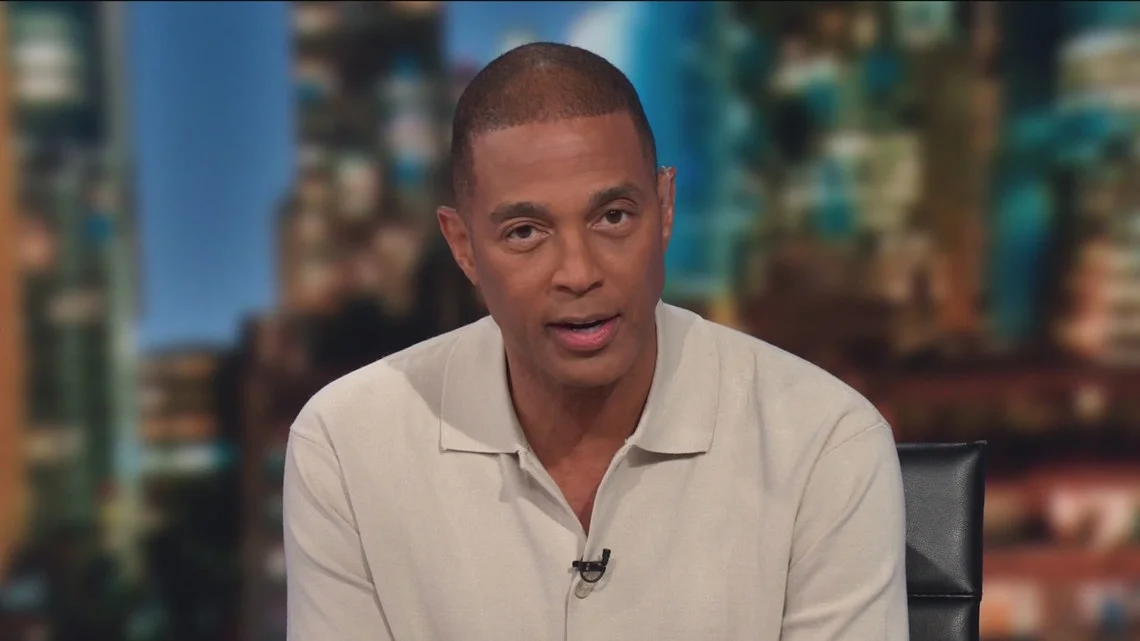
Journalists Don Lemon and Georgia Fort were arrested while documenting a protest at Cities Church in St. Paul, Minnesota, drawing condemnation from journalism groups and officials who say the First Amendment and press freedom are under threat, with additional arrests and ongoing questions about charges.
A US appeals court has upheld a law that could lead to TikTok being banned in the US unless its Chinese parent company, ByteDance, sells the platform by January 19, 2025. The court ruled that the law does not violate the First or Fifth Amendments, citing national security concerns over ByteDance's potential data sharing with the Chinese government. TikTok plans to appeal the decision, arguing it infringes on free speech rights. The ruling could significantly impact the social media landscape, benefiting competitors like Meta and YouTube.
Standing or stopping is now banned on pedestrian bridges on the Las Vegas Strip, with violators facing up to six months in jail or a $1,000 fine. The ordinance aims to ensure a continuous flow of pedestrian traffic and increase public safety, but opponents argue that it violates First Amendment rights. The ban does not include waiting to use elevators, stairways, or escalators, and the county plans to install signs identifying prohibited areas.
A federal judge has issued a preliminary injunction against an Iowa law that bans books depicting sex acts in libraries and restricts discussions on gender identity and sexual orientation in schools. The judge, Stephen Locher, stated that the law is overly broad and likely violates the First Amendment. The law, which had led to the removal of many books from school libraries, was criticized for its lack of distinction between different types of content and relationships, and for potentially violating every school district and teacher's practices since the beginning of the school year. However, the requirement for schools to notify parents if a child wishes to be identified by different names or pronouns remains in effect.
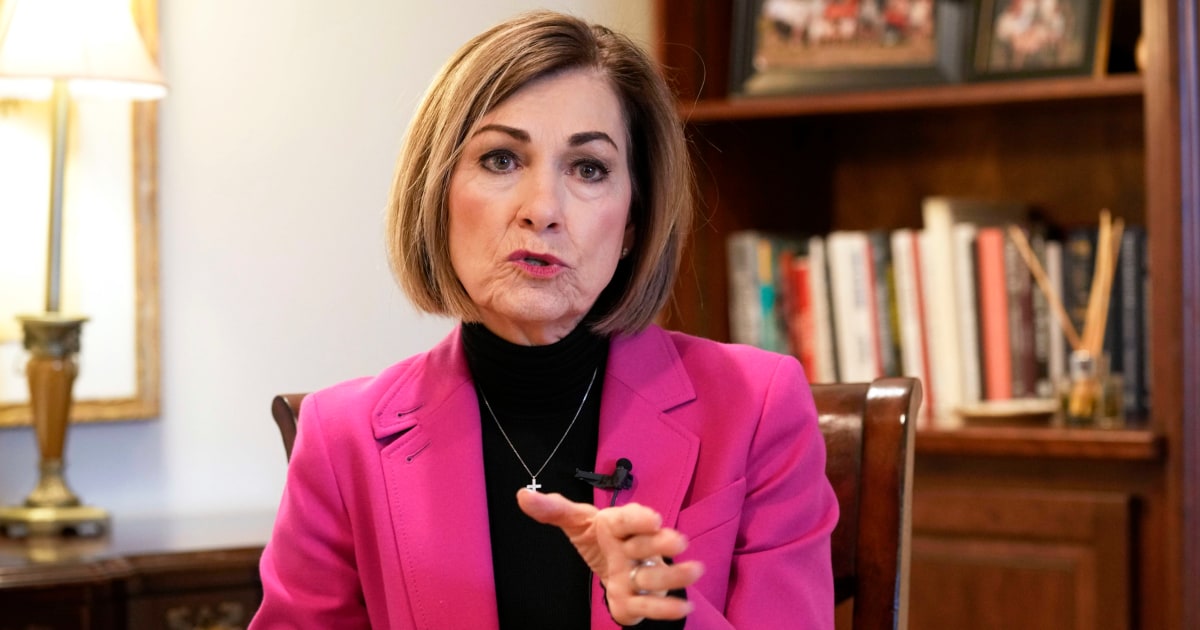
A federal judge in Iowa has issued a preliminary injunction against a state law that banned books with sexual content from school libraries and restricted teaching on LGBTQ topics, citing the law's broadness and vagueness as unconstitutional under the First Amendment and due process clause. The law, which led to the removal of hundreds of books and created confusion among educators, was criticized for its lack of clear definition and for potentially violating free speech rights. While the judge did not halt a provision requiring parental notification for pronoun changes, the overall ruling represents a significant pushback against the legislation signed by Gov. Kim Reynolds. The case will continue to be litigated.
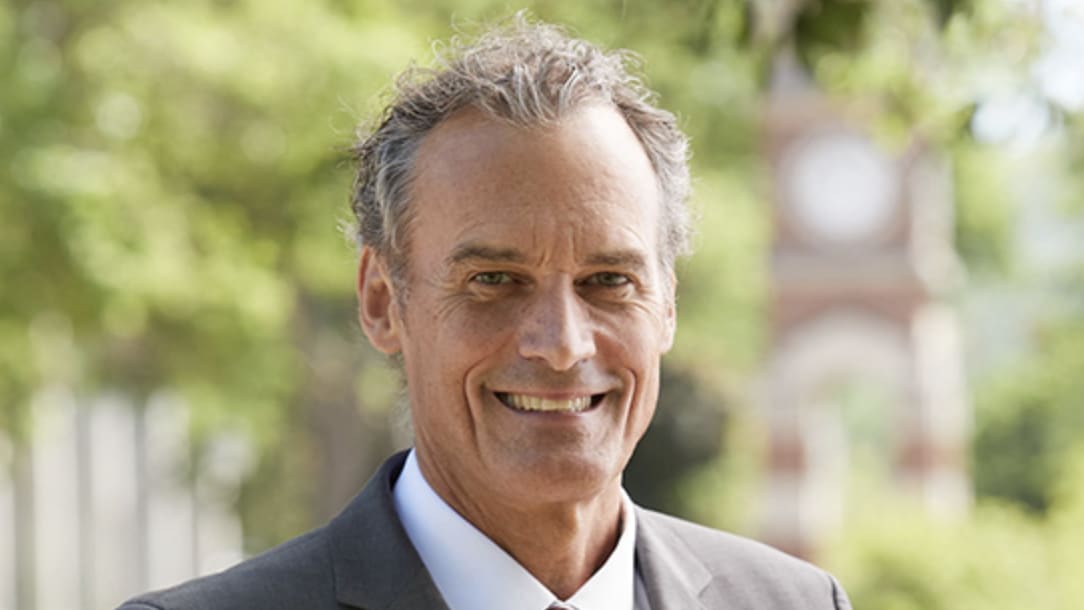
Joe Gow, the chancellor of the University of Wisconsin-La Crosse, was fired after it was revealed that he and his wife had been participating in and producing pornographic content. Students and alumni have expressed support for Gow, emphasizing his right to privacy and his contributions to the university. Gow, who had already planned to retire and return to teaching, is now considering legal action with the support of First Amendment attorneys. A petition and merchandise have surfaced advocating for his reinstatement, highlighting the polarized views on the matter.
A federal judge has issued a temporary injunction against Iowa's education law, SF 496, which banned books with sexually explicit content and barred instruction on sexual orientation and gender identity in elementary schools. The judge ruled that these provisions likely violate the First Amendment and are too vague, respectively. The law, which was set to take effect on January 1, has been criticized for its broad censorship and potential discrimination against LGBTQ students. While the injunction provides relief to educators and publishers, a portion of the law requiring parental notification for students' name or pronoun changes remains in effect. The legal battle continues as the state expresses disappointment and plaintiffs celebrate the protection of free speech and inclusion for LGBTQ students.
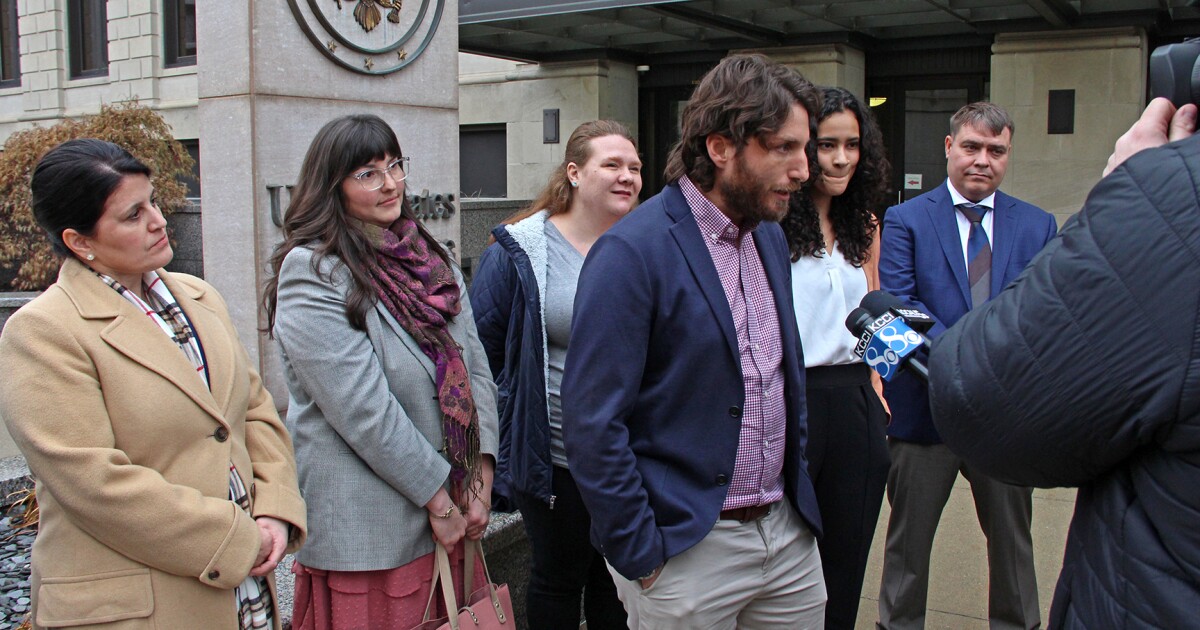
A federal judge in Iowa has granted a partial injunction against a new state education law that bans books depicting sex acts from school libraries and restricts discussions on gender identity and sexual orientation through grade six. The injunction blocks these provisions due to First Amendment concerns while allowing the law requiring parental notification for student pronoun or name changes to stand. The law faces legal challenges from the ACLU of Iowa, Lambda Legal, Iowa's largest teacher's union, and others, arguing it violates free speech and equal protection rights. Governor Kim Reynolds expressed disappointment, emphasizing the protection of children's innocence, while education advocates hailed the ruling as a win for the First Amendment and educational professionals.