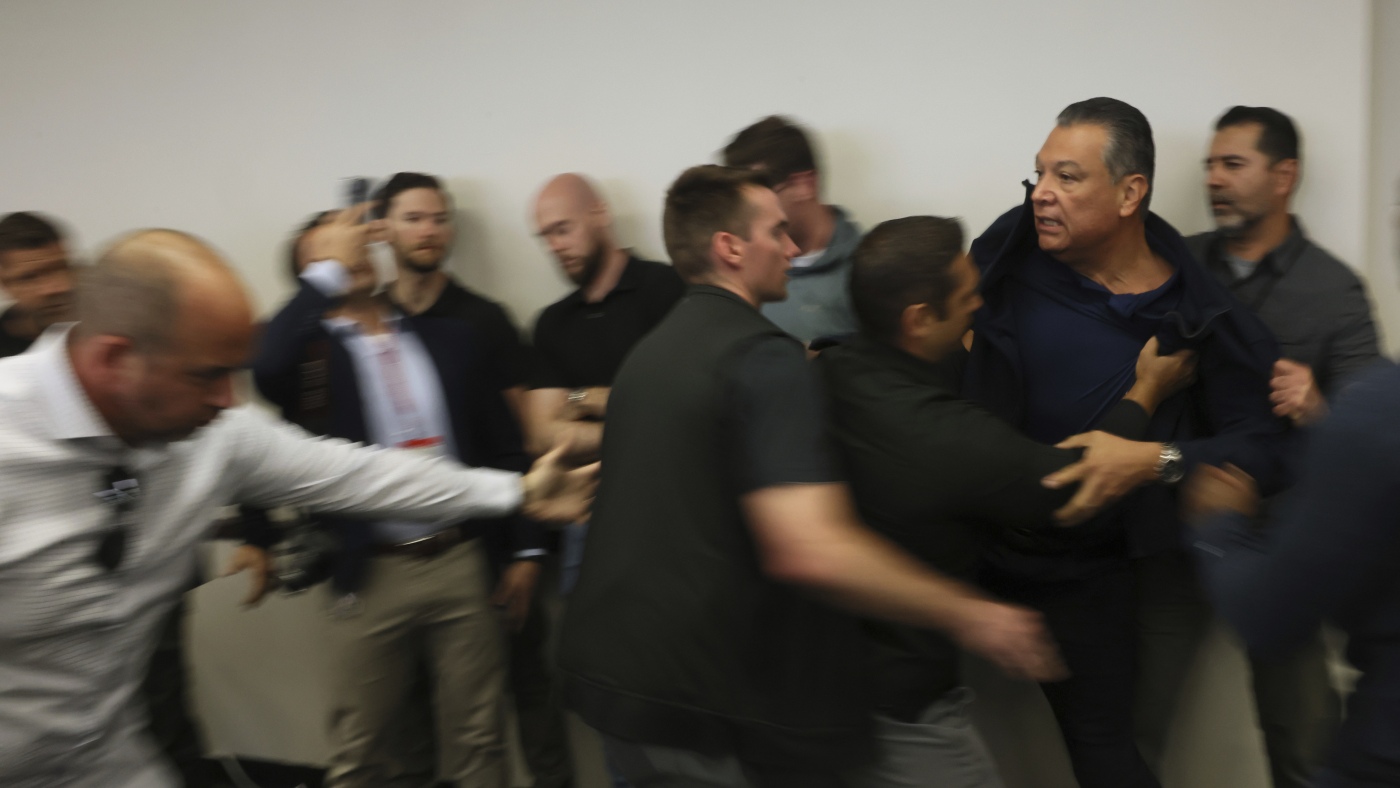
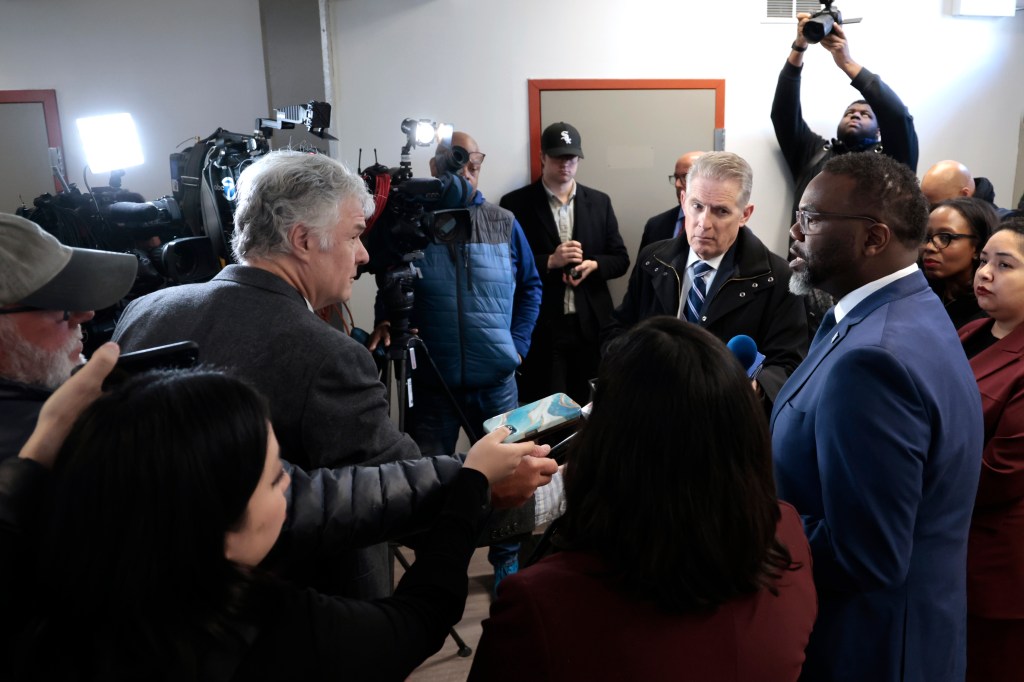
Senator Alex Padilla was forcibly removed and handcuffed during a DHS press conference in Los Angeles after he interrupted to ask a question, leading to criticism and calls for answers about the incident.
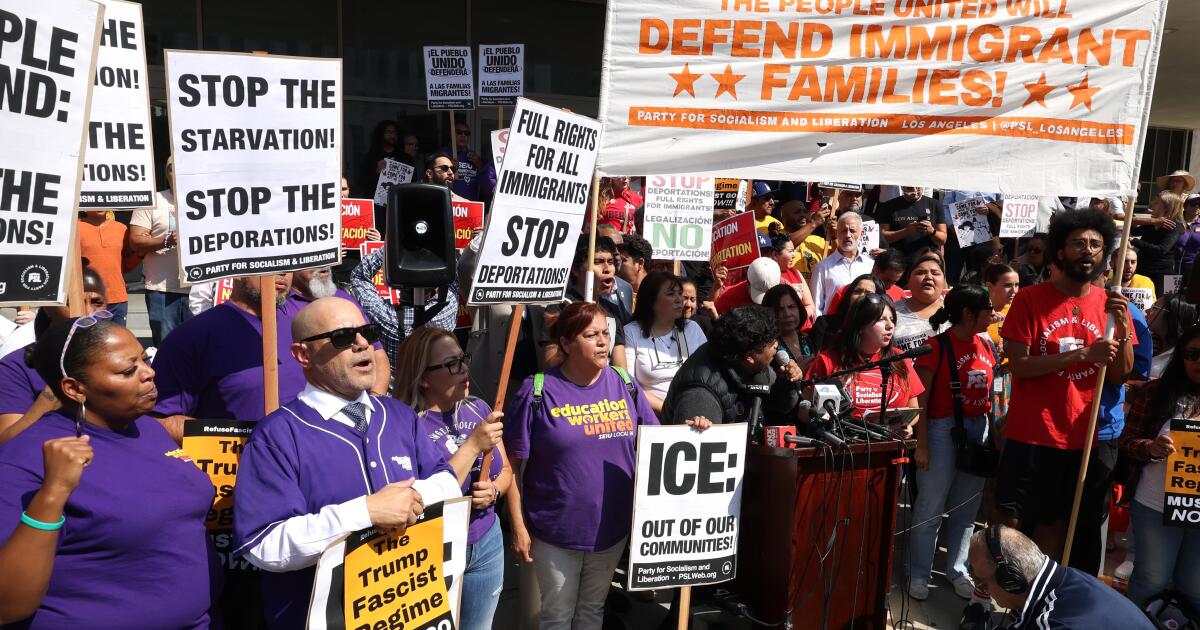
SEIU California President David Huerta was injured and detained during an ICE raid in Los Angeles while documenting the event, leading to protests and calls for his release. Authorities claim he obstructed federal agents, while union officials and local officials condemn the detention, emphasizing the right to peaceful protest and observation of law enforcement activities.
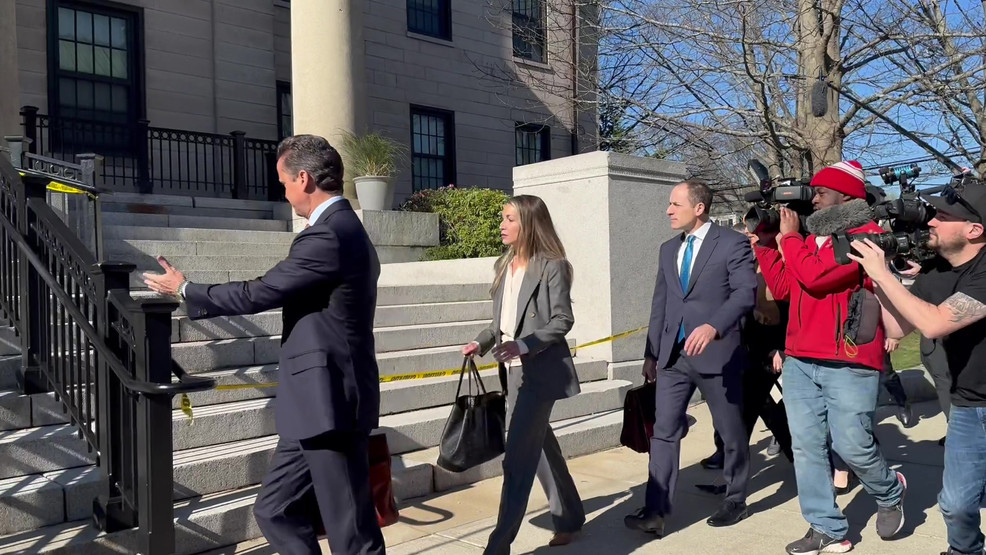
Jury selection begins for Karen Read's trial, where she is charged with second-degree murder in the death of her Boston police officer boyfriend. The judge has ordered a 200-foot buffer zone around the courthouse, prohibiting demonstrators from using megaphones or wearing related clothing or buttons. Read has pleaded not guilty, claiming she's being framed as part of a police cover-up, and the case has drawn significant attention and controversy.
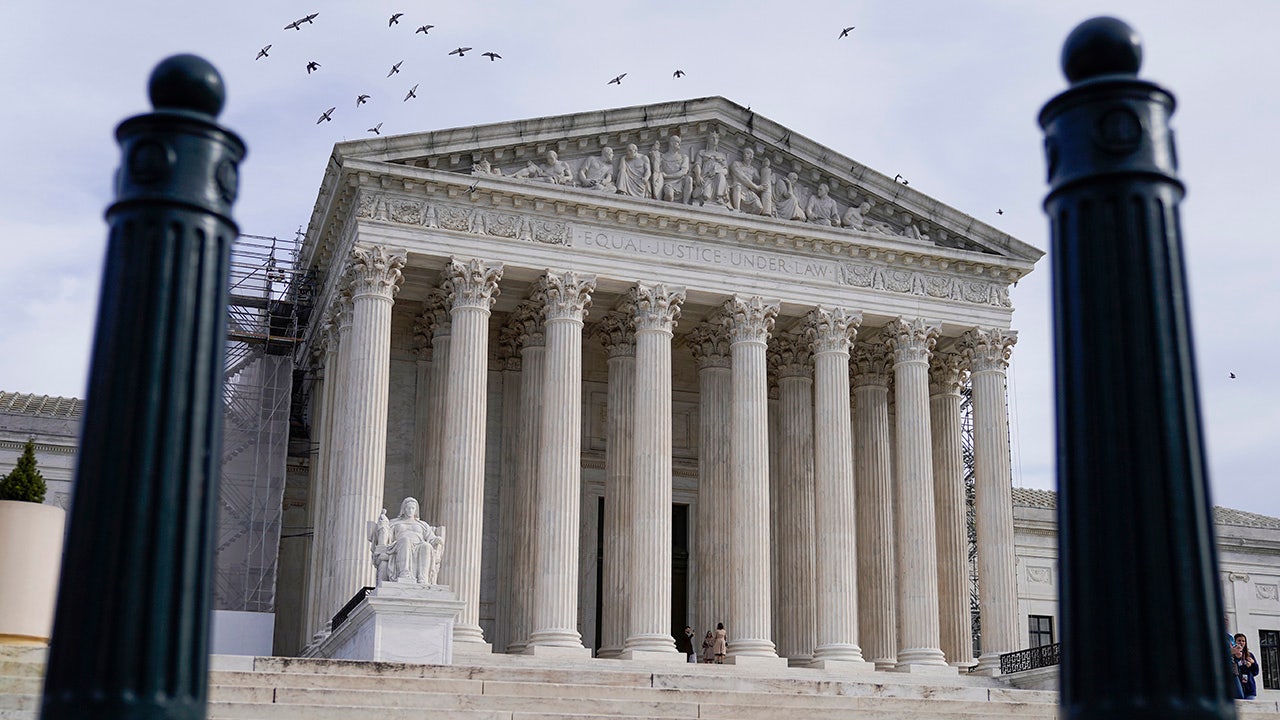
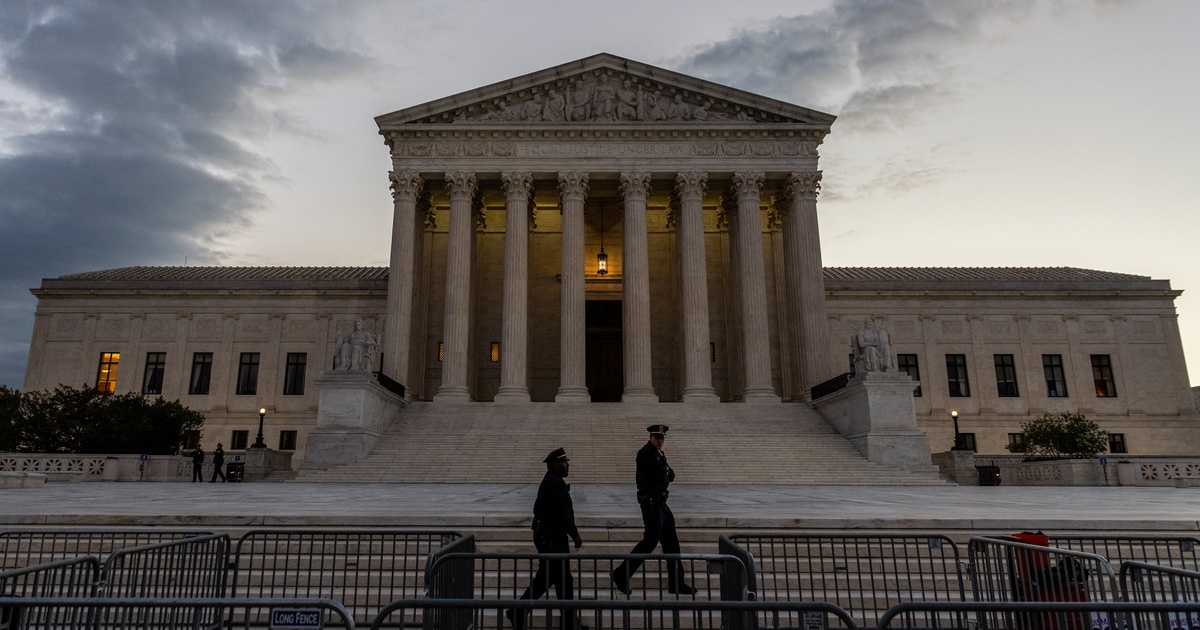
The Supreme Court rejected an appeal from Black Lives Matter organizer Deray Mckesson, who was held liable for a violent attack on a police officer at a protest he organized. The lower court's decision was based on the theory that Mckesson "should have known" the protest would become violent. The ACLU argued that the claims against him violate his First Amendment rights, but the Supreme Court declined to take up his case, with Justice Sonia Sotomayor suggesting that a recent decision should influence how lower courts treat Mckesson's case.
Mayor Brandon Johnson defended Ald. Byron Sigcho-Lopez's appearance in front of a charred American flag, calling censure "fascist" and emphasizing the importance of protected speech. Sigcho-Lopez's comments and presence at a pro-Palestinian rally have sparked controversy among City Council members, with some demanding his removal as committee head. The debate has brought disorder to the council, with Sigcho-Lopez receiving violent threats and demanding an apology from his critics.
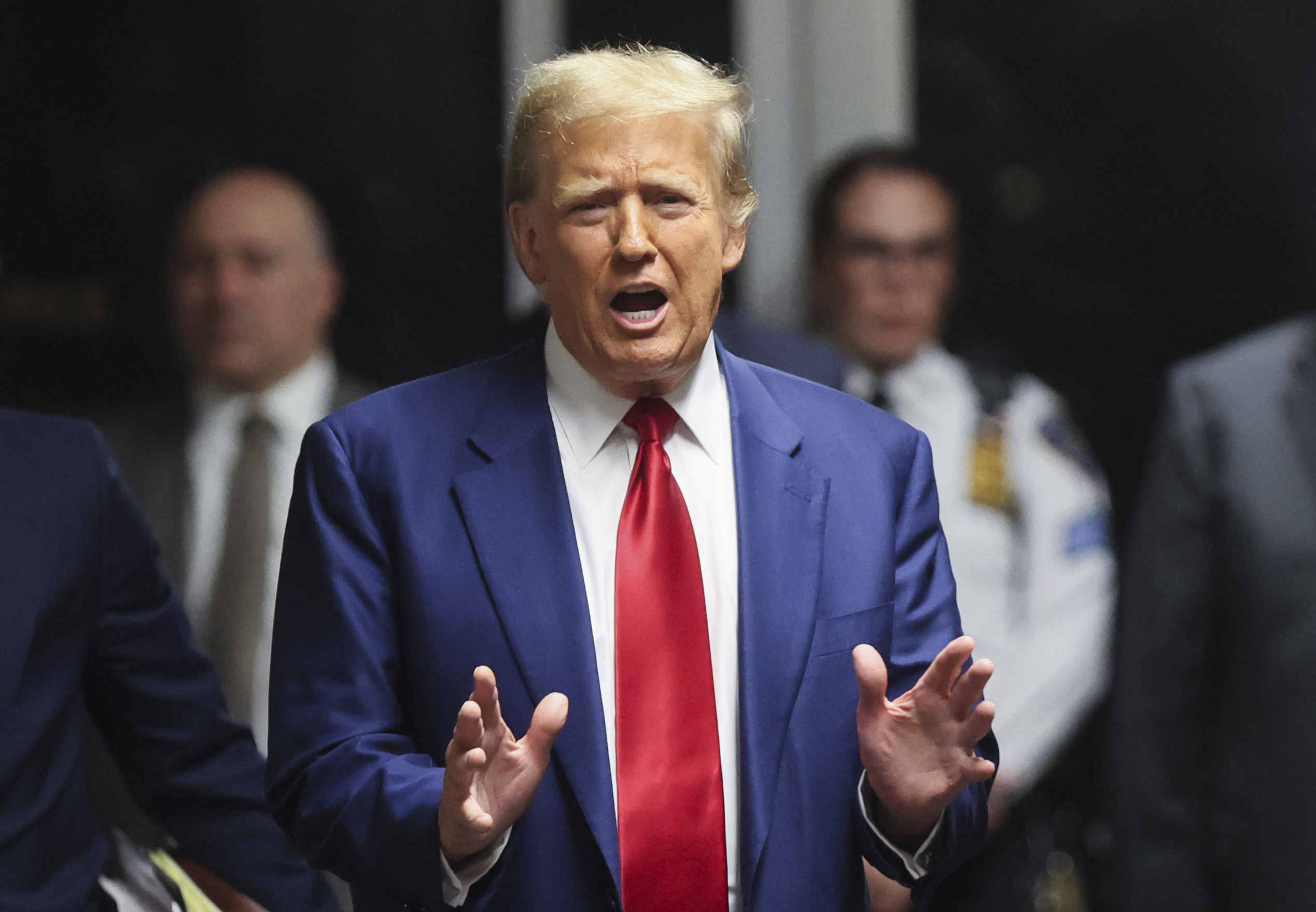
Donald Trump criticizes Judge Juan M. Merchan and his daughter after being placed under a gag order in his upcoming hush-money criminal trial, accusing the judge of attempting to deprive him of his First Amendment rights. The gag order prohibits Trump from commenting on witnesses, prosecutors, court staff, and jurors, but not on Merchan or his family. Trump's lawyers had fought the gag order, arguing it violated his free speech rights. The case centers on allegations that Trump falsely logged payments to his lawyer, Michael Cohen, as legal fees to cover up negative stories during the 2016 campaign.
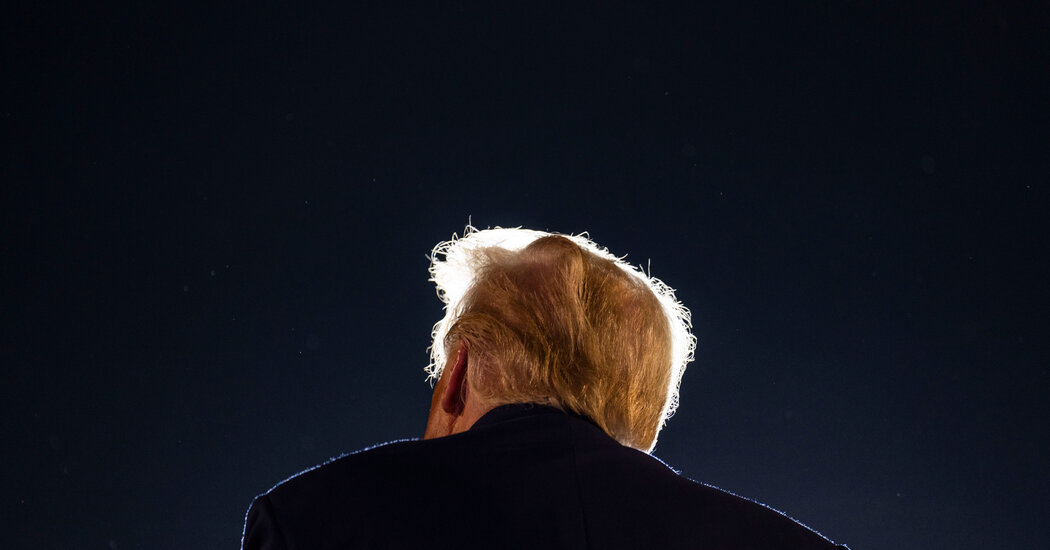
Former President Donald Trump criticized a New York judge's daughter less than 24 hours after the judge issued a gag order against him, claiming it was an attempt to deprive him of his First Amendment rights. The judge, presiding over the hush money trial involving Trump and Stormy Daniels, had barred Trump from making public statements about individuals involved in the case. Trump's personal attacks on the judge's daughter were deemed petty and unnecessary by legal experts, while a far-right activist alleged a conflict of interest due to the daughter's purported political connections. The trial is scheduled to begin on April 15, with Trump facing 91 felony counts in total.
The U.S. Supreme Court heard arguments in a Texas case where a former council member sued the city of Castle Hills, alleging she was arrested in retaliation for criticizing the city manager. The case questions whether people who criticize the government can sue local officials over retaliatory arrests, with the court debating the interpretation of previous case law. The plaintiff's arrest for tampering with a government document was later dropped, and she accused the city officials of retaliatory arrest for exercising her First Amendment rights. The court considered whether the plaintiff met the exception outlined in the Nieves v. Bartlett ruling and debated the evidence necessary to prove retaliation.
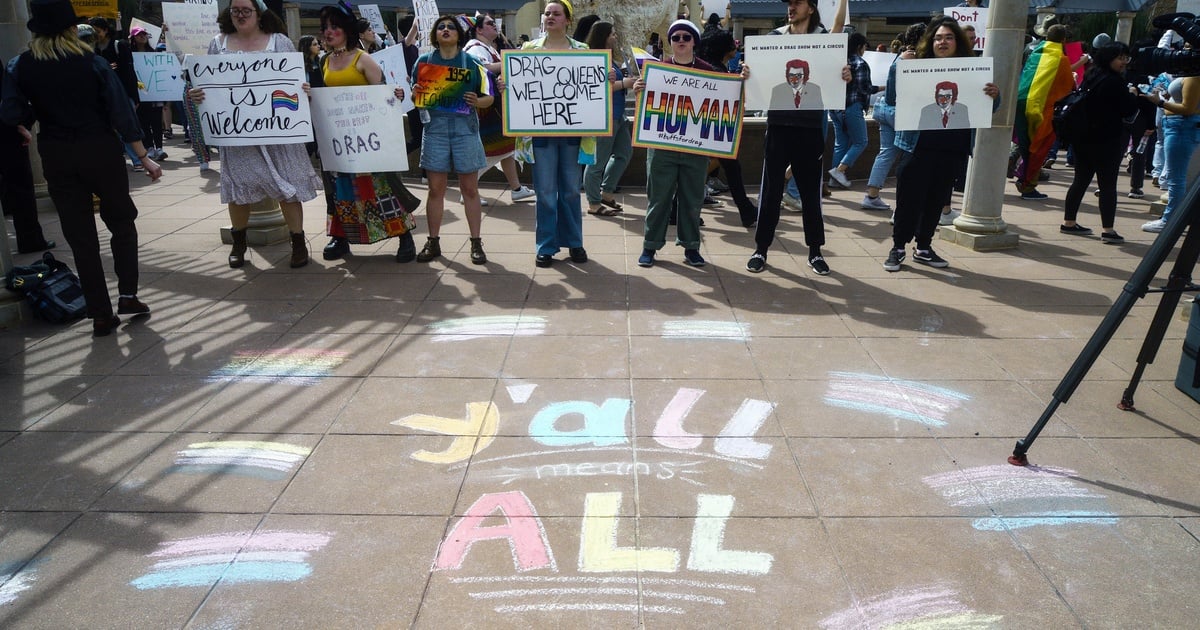
The U.S. Supreme Court declined to intervene in a lawsuit over West Texas A&M University's drag shows, allowing President Walter Wendler to cancel a scheduled on-campus drag show next week. Last year, Wendler banned student-led drag shows, prompting students to sue him for violating their First Amendment rights. The lawsuit is before the 5th Circuit Court of Appeals, but the slow legal process could result in another cancellation without court intervention. The Supreme Court did not provide a reason for denying the students' request, and the university declined to comment on pending litigation.
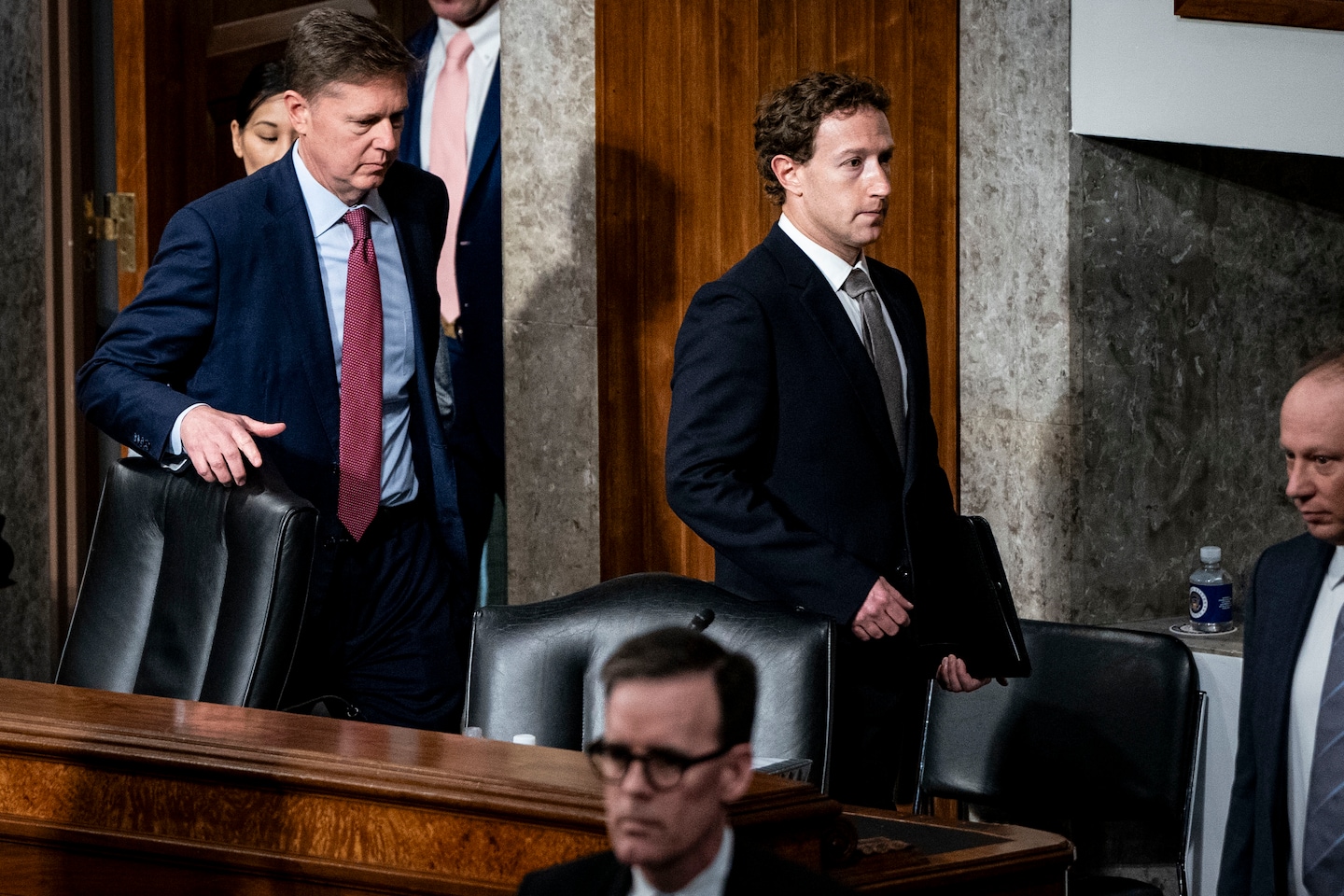
Lawmakers are pushing the Kids Online Safety Act (KOSA) to protect children online, but it faces opposition from teenagers, LGBTQ groups, and free speech advocates who argue that it would endanger minors, violate First Amendment rights, and limit access to important information. Critics point to studies showing positive outcomes of social media for teens and argue that the bill would restrict access to vital resources and censor important topics. Gen Z activists express concerns that the bill would cut them off from the outside world and essential online communities, while tech policy experts emphasize the need for solutions that work without restricting access to information and community.
A New York judge has allowed Smartmatic's $2.7 billion lawsuit against Fox Corporation to proceed, rejecting the network's attempt to dismiss the case. The judge also refused to dismiss Fox's counterclaim against Smartmatic, stating that the damages claim may be designed to chill the network's First Amendment rights. Smartmatic alleges that Rupert Murdoch and Lachlan Murdoch played a role in broadcasting defamatory statements, while Fox argues that the damages claim is implausible and disconnected from reality. The case is expected to go to trial in 2025.
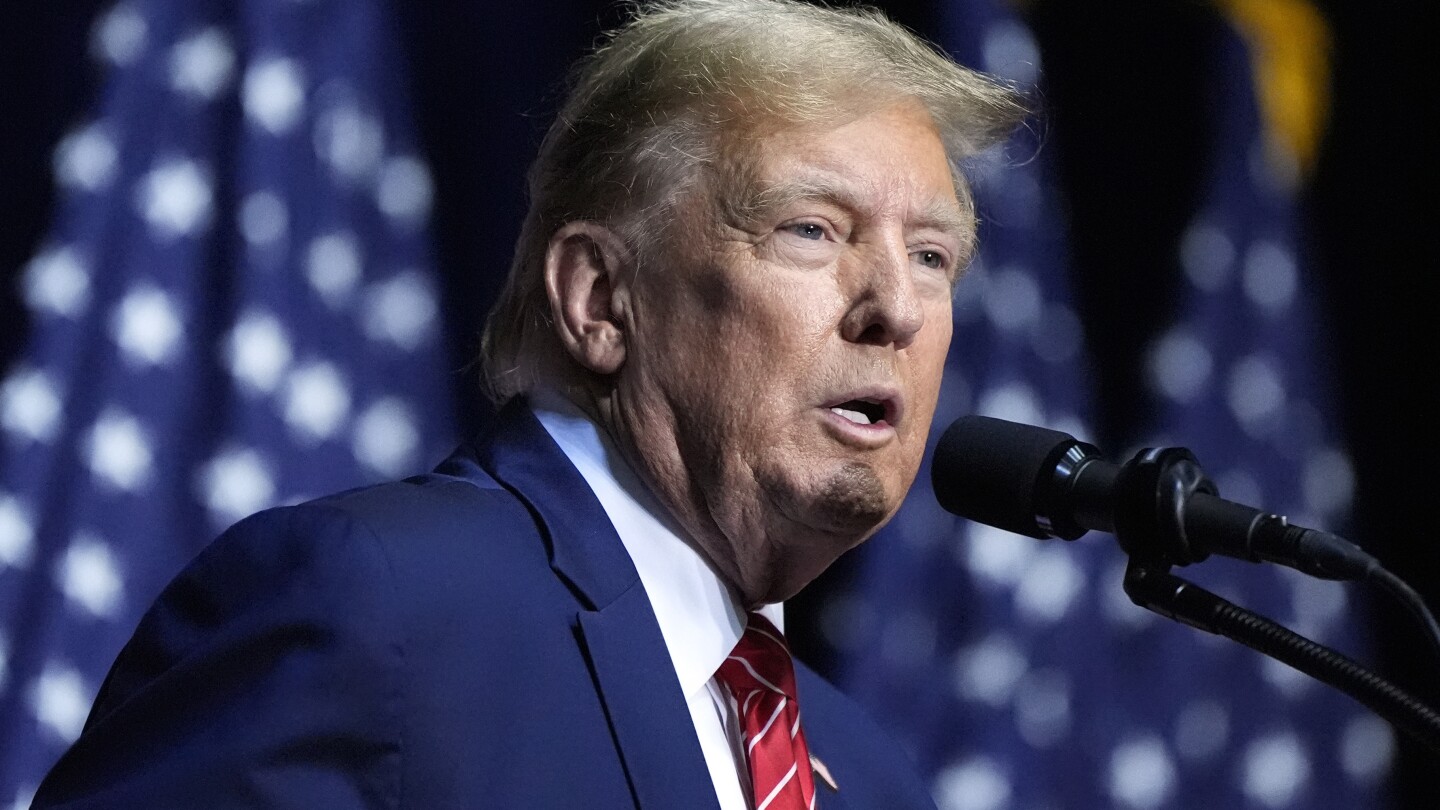
Former President Donald Trump's lawyers have asked the full federal appeals court in Washington to review and potentially narrow or eliminate a gag order imposed on him in the criminal case where he is accused of plotting to overturn the 2020 election. A three-judge panel recently upheld the gag order but made some revisions, allowing Trump more leeway in commenting on potential witnesses and attacking the special counsel overseeing the prosecution. Trump's lawyers argue that the gag order violates his First Amendment rights and that there is no evidence his public comments have resulted in threats or harassment. If the full appeals court rejects his request, Trump may challenge the gag order in front of the Supreme Court.
A federal appeals court upheld a partial gag order barring former President Donald Trump from targeting witnesses in his election interference case. The court ruled that Trump's public statements pose a threat to the fair adjudication of the ongoing criminal proceeding. However, the judges allowed Trump to continue his attacks on special counsel Jack Smith, narrowing the ruling. Trump plans to appeal the decision to the Supreme Court, claiming a violation of his First Amendment rights. The court emphasized the importance of protecting witnesses from intimidation and harassment, stating that no criminal defendant should be allowed to interfere with witnesses. Trump faces trial for his alleged attempts to overturn the 2020 election results.
The US Court of Appeals for the DC Circuit largely upheld a gag order on former President Donald Trump in an election interference case, allowing him to criticize the special counsel, judge, justice department, and Biden administration, but barring him from attacking potential trial witnesses, court staff, or the special counsel's staff. The court found that Trump's inflammatory statements posed a threat to the fair administration of justice and only partially narrowed the gag order imposed by the federal judge overseeing the case. Trump is expected to appeal the ruling to the US Supreme Court.
A federal judge has rejected former President Donald Trump's claims of immunity in a case charging him with plotting to overturn the 2020 presidential election. The judge's ruling stated that the office of the president does not confer lifelong immunity from federal criminal liability, and Trump can be subject to investigation, indictment, prosecution, conviction, and punishment for any criminal acts undertaken while in office. The judge also dismissed Trump's claims that the indictment violated his free speech rights, stating that the First Amendment does not protect speech used as an instrument of a crime. Trump's legal team is expected to appeal the decision.