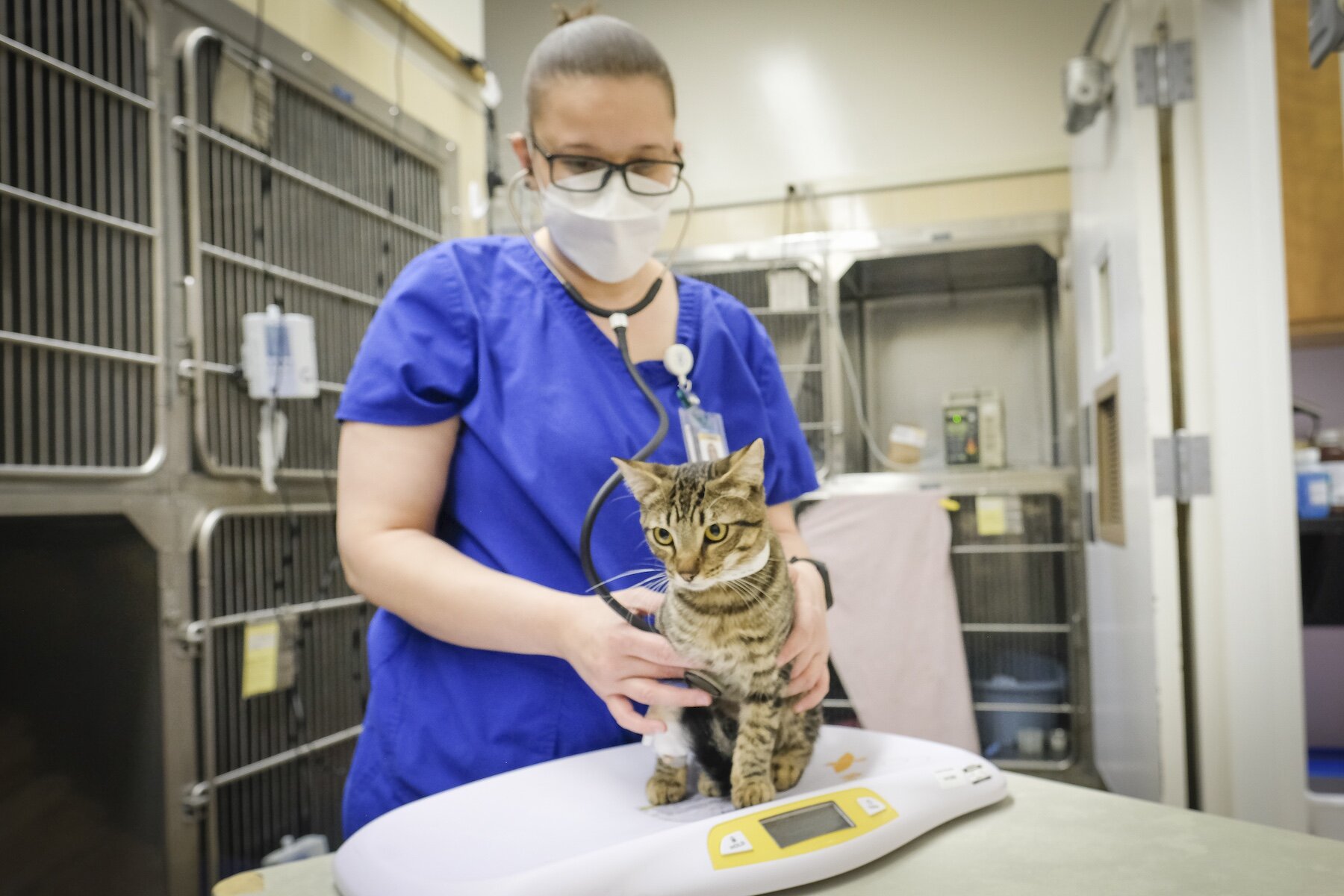
Scientists at UC Davis have studied FIP in cats, a coronavirus-related disease, to understand long-term immune issues similar to long COVID in humans. They found that mesenchymal stromal cell therapy combined with antivirals improved immune recovery and reduced inflammation, offering insights into potential treatments for long COVID and other viral infections.
Cyprus will repurpose 80,000 anti-COVID pills intended for humans to treat cats infected with a highly virulent strain of feline coronavirus. The pills contain Molnupiravir, which has shown effectiveness in treating feline infectious peritonitis (FIP) at an affordable price. Cat owners will be able to purchase the pills for $2.74 each following a diagnosis, with an estimated success rate of 85%. The death toll from the outbreak varies, with estimates ranging from 8,000 to 300,000 cats. Sufficient stock of anti-COVID pills will be maintained for human use in case of an outbreak.
Cyprus has allowed its stock of human coronavirus medication to be used on cats to combat a local mutation of a feline virus that has killed thousands of animals on the island. The medication, called Lagevrio, is available in pill form for cat owners at a cost of 2.5 euros per pill. The feline virus, known as FIP, is not related to COVID-19 and cannot be transmitted to humans. The medication has shown promising results in treating FIP, with approximately 85% of cases being nursed back to health. Measures have also been implemented to prevent the export of the mutation through mandatory medical check-ups for cats being adopted abroad.
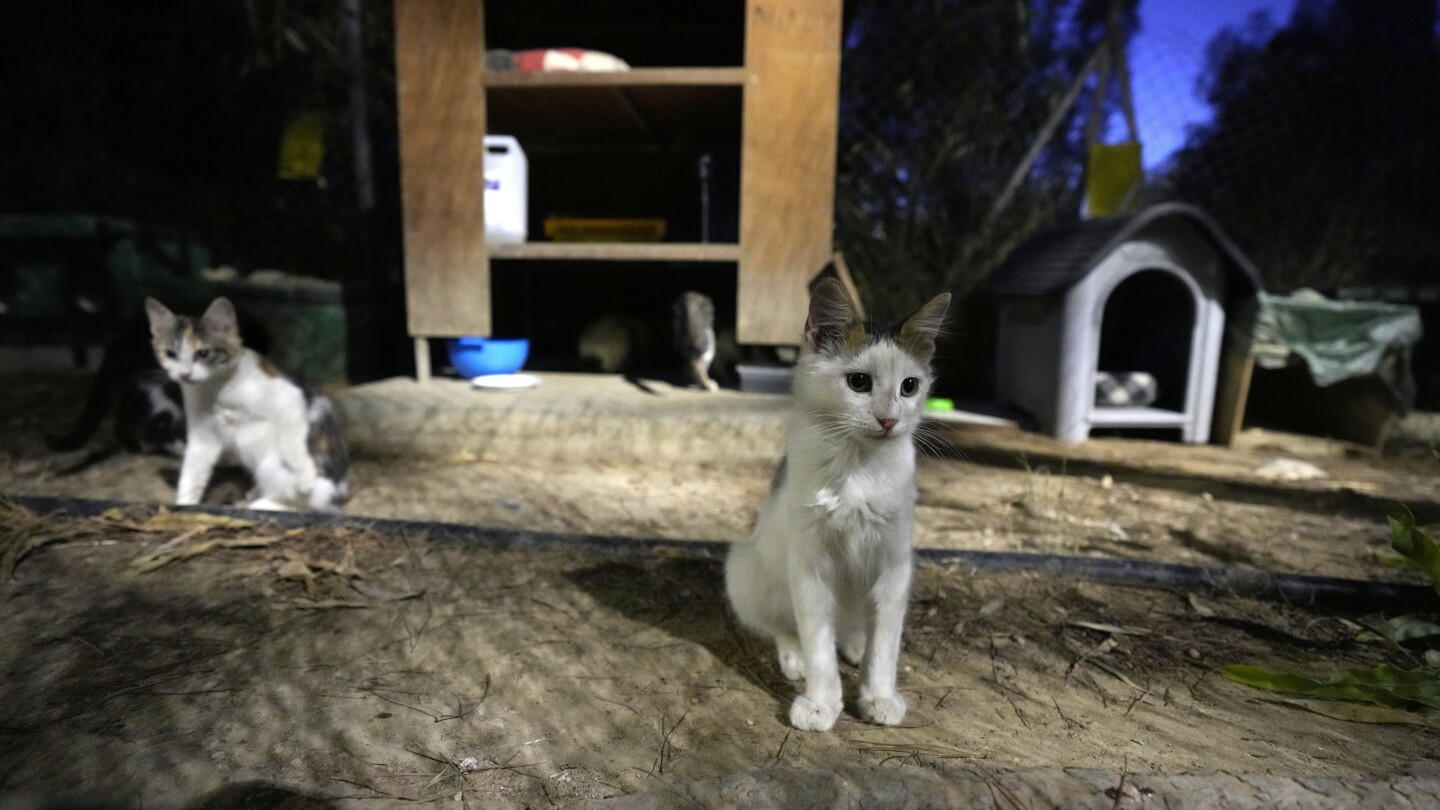
Cyprus is facing a devastating outbreak of feline infectious peritonitis (FIP), a coronavirus strain that has already killed an estimated 300,000 cats since January. Experts warn that if the virus spreads to other countries, including Britain, "many cats" could die. The outbreak, the largest ever reported, has raised concerns about a potential new, deadlier strain of FIP. Local authorities in Cyprus are taking measures to address the situation, including setting up an advisory team and launching a media awareness campaign. However, bureaucratic hurdles and cost have hindered the use of potential treatments. Some individuals are resorting to buying drugs themselves, leading to a flourishing black market. Experts emphasize the need for medical treatment, vaccines, and government action to control the outbreak and prevent further cat deaths.