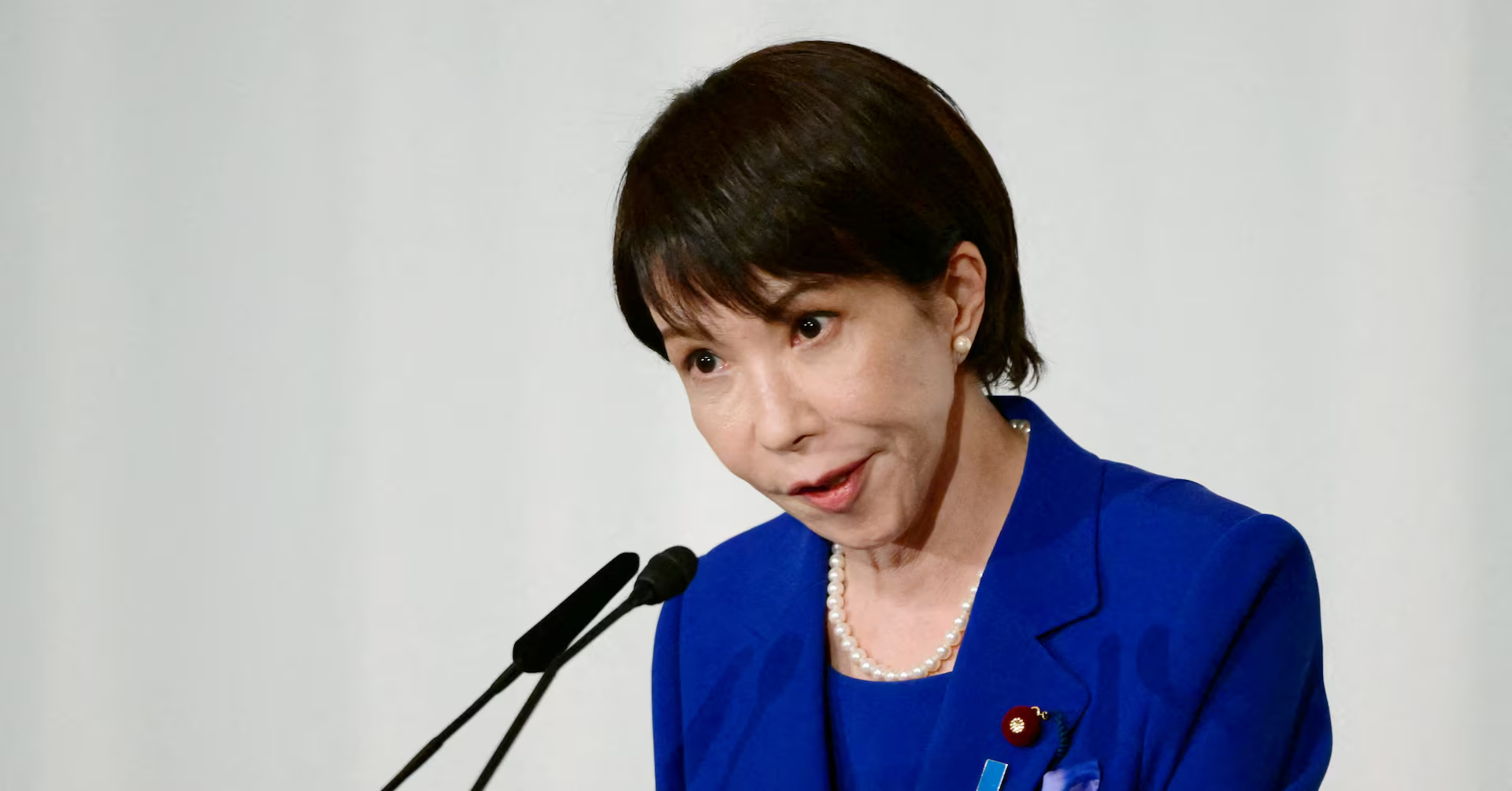
Sanae Takaichi's rise as Japan's potential first female prime minister boosts the Nikkei to an all-time high, amid mixed Chinese economic data and ongoing US government shutdown concerns, with markets focusing on corporate earnings and global economic policies.
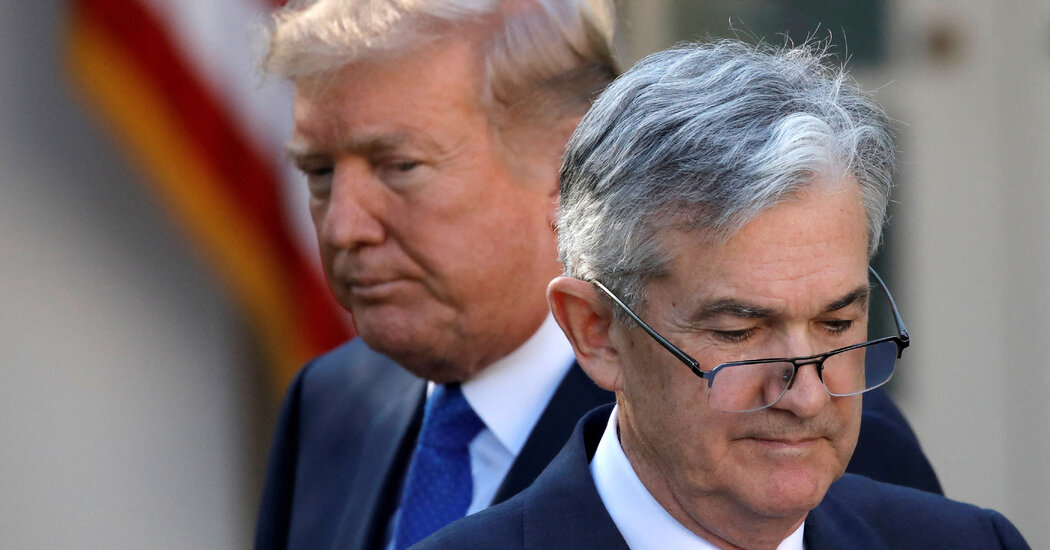
President Trump is considering appointing a shadow Fed chair by announcing a replacement for Jay Powell before his term ends, which could influence markets and undermine Fed independence. The potential candidates include Kevin Warsh, Kevin Hassett, Scott Bessent, Christopher Waller, and David Malpass. This move has raised concerns among market observers and policymakers about political interference in monetary policy.
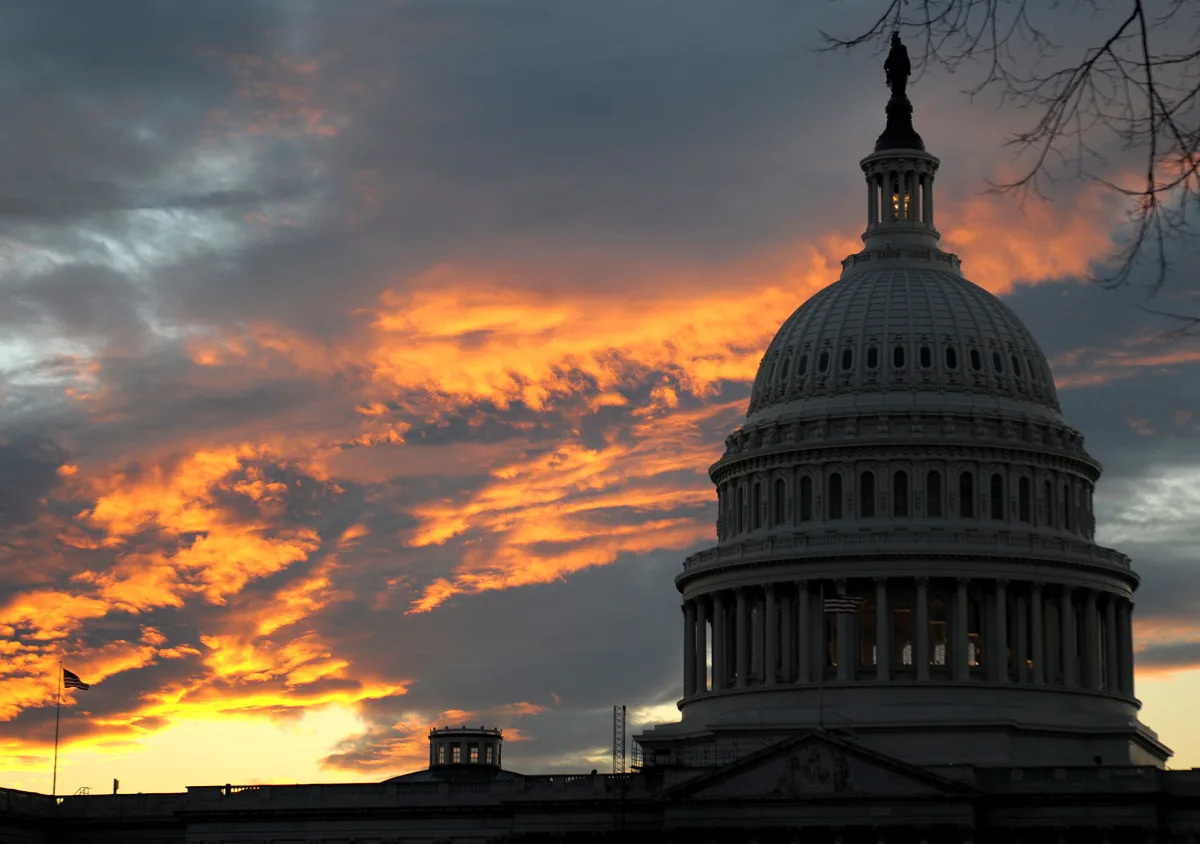
In Washington, political polarization is influencing stock market returns, with exchange-traded funds (ETFs) tracking Democratic (NANC) and Republican (KRUZ) lawmaker investments showing divergent performances in 2023. Democrats' tech-heavy portfolios have outperformed, gaining nearly 20%, while Republican investments have seen over 9% returns. The political divide is also evident in other ETFs like MAGA and DEMZ, with long-term returns favoring Republicans. Despite the performance, there are ongoing bipartisan efforts to ban stock trading by lawmakers to prevent conflicts of interest, though these efforts face challenges in becoming law.
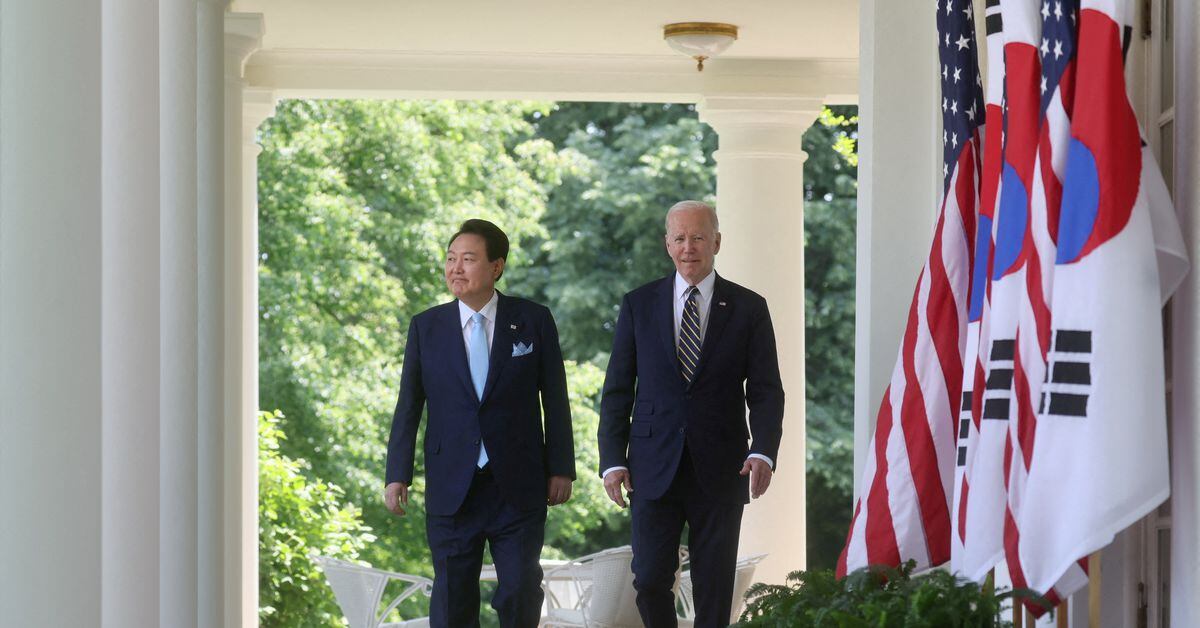
Asian markets are likely to be influenced by US earnings, banking sector woes, debt ceiling developments, and geopolitical events. Mega tech companies like Microsoft and Alphabet have reported upbeat results, while small and regional US banks are struggling. South Korea's President met with US President Biden, and China's Xi Jinping held talks with Ukraine's Volodymyr Zelenskiy. The yuan has overtaken the dollar for cross-border transactions in China, and central banks remain buyers of US Treasuries. Asian markets will also be sensitive to the US debt ceiling standoff.