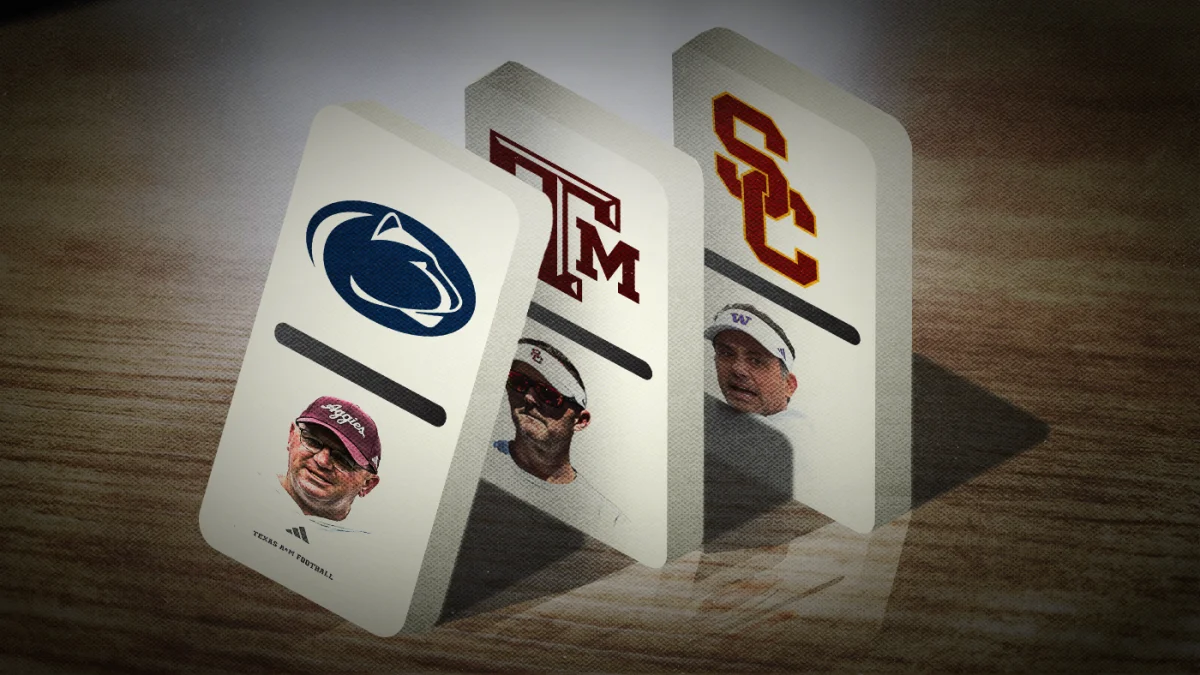
The article presents a fan-fiction simulation of a chaotic college football coaching carousel, illustrating how various coaching moves could trigger a domino effect across major programs, creating a highly unpredictable and tumultuous coaching landscape.
Fan fiction is significantly influencing publishing and reading, with works inspired by popular books and media, including Pulitzer-winning adaptations, expanding the scope of storytelling and cultural influence, and gaining recognition from traditional publishers.
Nintendo publicly reaffirmed that Mario and Princess Peach are just friends, despite widespread fan speculation and fan-fiction suggesting a romantic relationship, highlighting the company's cautious approach to character backstories and relationships.
The Jewish holiday of Purim, inspired by the story of Queen Esther, is likened to ancient fan fiction, with striking parallels between Esther and the Mesopotamian goddess Ishtar. This comparison sheds light on the rewriting of stories to reflect reality and identities, the presence of carnival, queerness, and joy in ancient scripture, and the relatability of biblical tales when viewed through fresh eyes. The tradition of retelling Esther's story during Purim continues to evolve through themed Purim spiels, reflecting a dynamic process akin to modern fan fiction creation.
A devoted fan of the Lord of the Rings novels, Demetrious Polychron, has been barred from selling or keeping copies of his unauthorized sequel, "The Fellowship of the King," following a lawsuit by the Tolkien estate. Polychron had written to the Tolkien family expressing his desire to write the next chapter of the series, but his attempts to collaborate were rebuffed. The estate sued Polychron for copyright infringement, alleging that his book copied plot points and characters from J.R.R. Tolkien's original series. Polychron's own lawsuit, claiming that the Amazon Studios series "The Lord of the Rings: The Rings of Power" copied his work, was dismissed as frivolous. The judge ruled in favor of the Tolkien estate, granting a permanent injunction against Polychron and ordering him to destroy any copies of his book.
Fan fiction writers, actors, social media companies, and news organizations are rebelling against A.I. companies that consume online content without consent. Concerns over A.I. models using their work without permission have led to protests, including boycotting websites, locking files, and filing lawsuits. The protests highlight the growing understanding of the value of online information and the need to protect creative work from being harvested by A.I. systems. While deep-pocketed tech giants may be able to license content, smaller A.I. upstarts and nonprofits may struggle to obtain enough data to train their systems. The data revolts are reshaping the value of data and may have long-term implications for the future of A.I.
Fan fiction writers, actors, social media companies, and news organizations are rebelling against A.I. companies that consume online content without consent. Concerns over A.I. models using their work without permission have led to protests, including boycotting websites, locking files, and filing lawsuits. The protests highlight the growing understanding of the value of online information and the need to protect creative work from being harvested by A.I. systems. While deep-pocketed tech giants may not be significantly affected, smaller A.I. upstarts and nonprofits may struggle to obtain enough content to train their systems. The data revolts are reshaping the value of data and challenging the practices of scraping the internet.
The popular fan fiction website Archive of Our Own (AO3) is currently offline due to a DDoS attack claimed by hacktivist group Anonymous Sudan. The attack is part of a campaign targeting U.S. organizations, but cybersecurity experts believe the group may be linked to Russia. AO3, which is run by a U.S. non-profit, has warned against taking the attacker's claims at face value. The group has demanded a ransom of $30,000 in Bitcoin and threatened to continue the attack for weeks. It is uncertain when AO3 will be back online, but the attack does not involve a data breach.
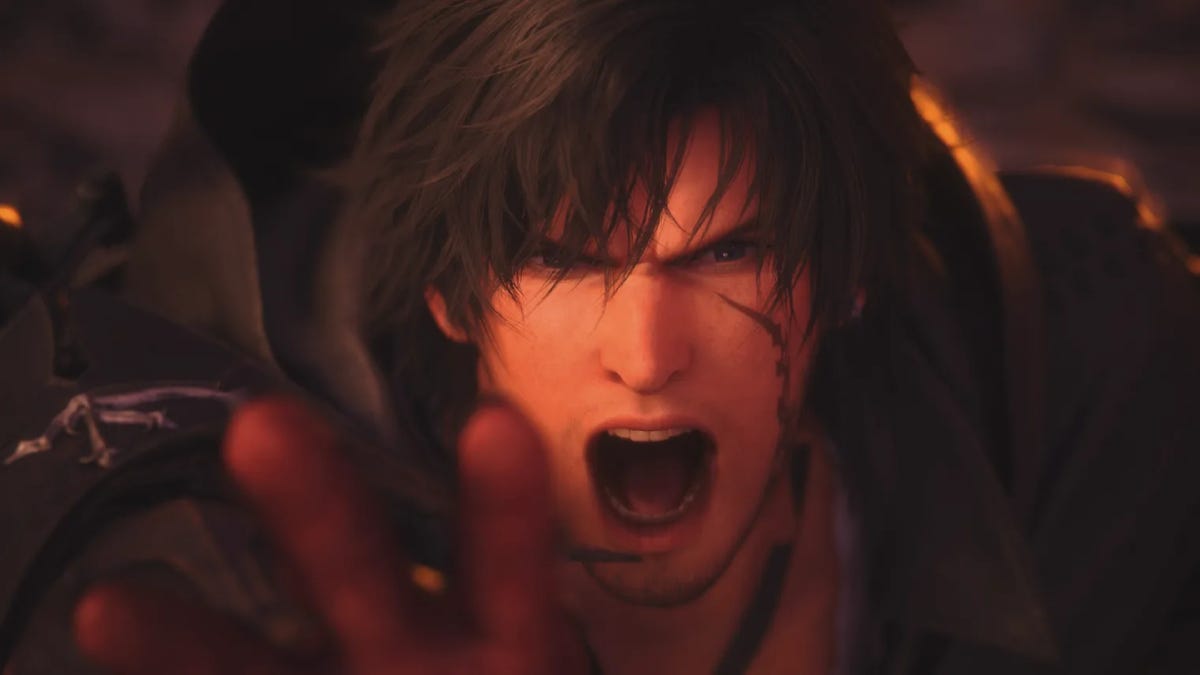
Ben Starr, the voice actor for Final Fantasy XVI's protagonist Clive Rosfield, revealed on Twitter that he has been reading fans' explicit fan fiction about his character. With over 80 works of Clive-related fan fiction, some of which are labeled "explicit," it's likely that Starr has come across some steamy content. This follows a trend of voice actors in popular video games being exposed to thirsty tweets and fan fiction about their characters.
Grimes is allowing anyone to use AI models of her voice and split royalties 50/50 with the creator of any successful song doing so. Her manager, Daouda Leonard, sees voice-cloning as akin to fan-fiction or fan-created artwork and believes it could reshape music. Leonard accepts Universal's decision to push for the takedown of the fake Drake/The Weeknd song, which was built around AI-cloned voices, as it lacked consent and was demeaning to the artists and Black music in general.
Character.ai, an AI website created by former Google engineers, allows fans to have one-on-one conversations with a wide range of characters, both real and fictional. The website has gained popularity among fan fiction lovers and those interested in virtual interactions. However, concerns have been raised about the potential misuse of the technology by stans who want to go after a perceived enemy of their favorite star. The website emphasizes that the interactions are not real and characters can make things up.