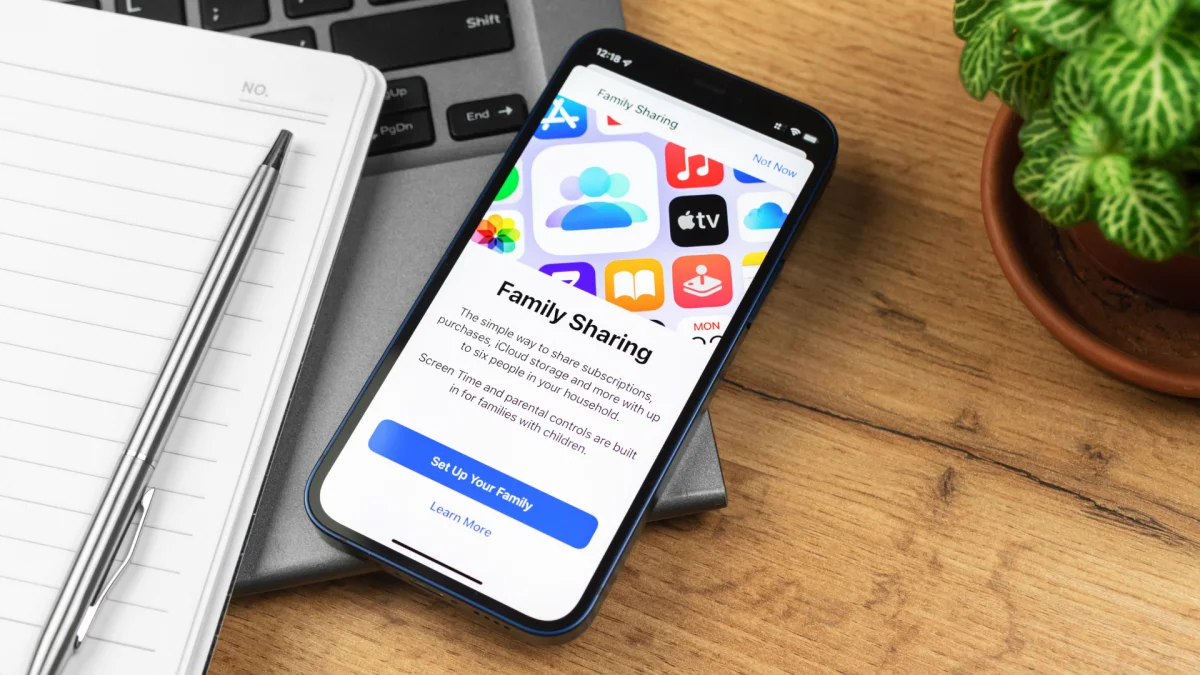
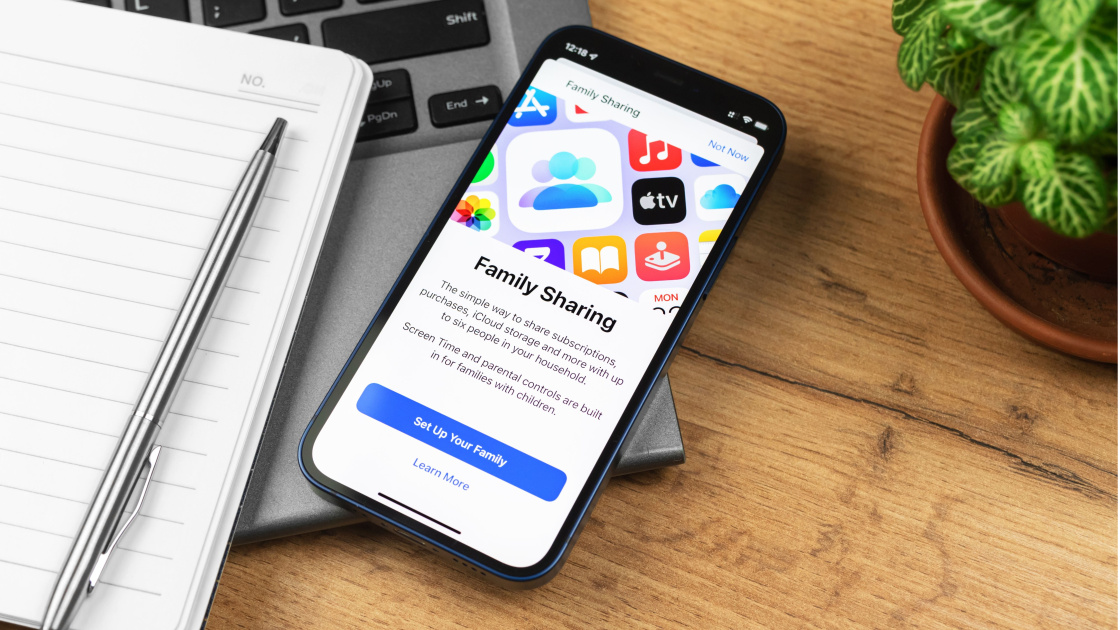
The article discusses how Apple's Family Sharing feature is designed to protect children online, but it can become ineffective or problematic when family dynamics break down, highlighting the challenges of digital safety for children in unstable family situations.
Google has updated its Home app to make it easier for users to assign household members 'Admin' or 'Member' roles, with varying control levels over smart devices, and simplified the process of adding children under 13 to the smart home setup through Family Link integration.
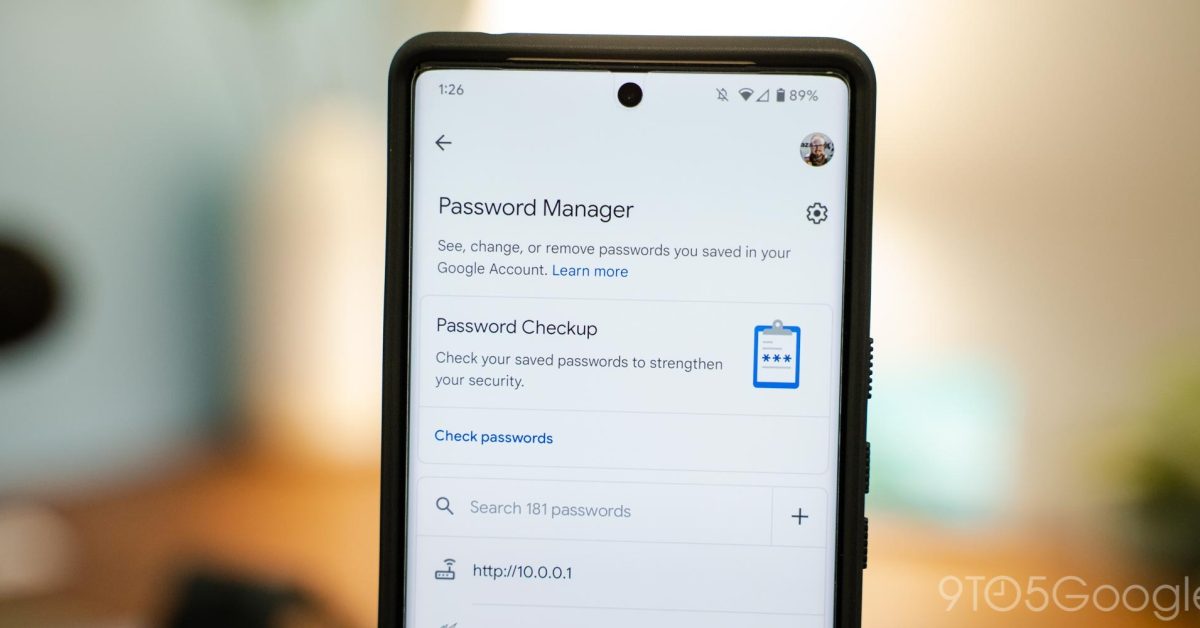
Google has introduced a new feature in its Password Manager that allows users to share passwords securely with family members. This feature, announced in February 2024 and now rolling out with the May 2024 Google Play Services update, is limited to family groups. Users need to create a family group to use the feature, which may not yet be available on the desktop version of Chrome.
Google Password Manager is rolling out a family password sharing feature, allowing users to securely share passwords with family members in their Google family group. This feature is currently available on mobile with Google Play Services v24.20 but is not yet available on the desktop version of Chrome. The update also includes a Material You redesign for the Password Manager.
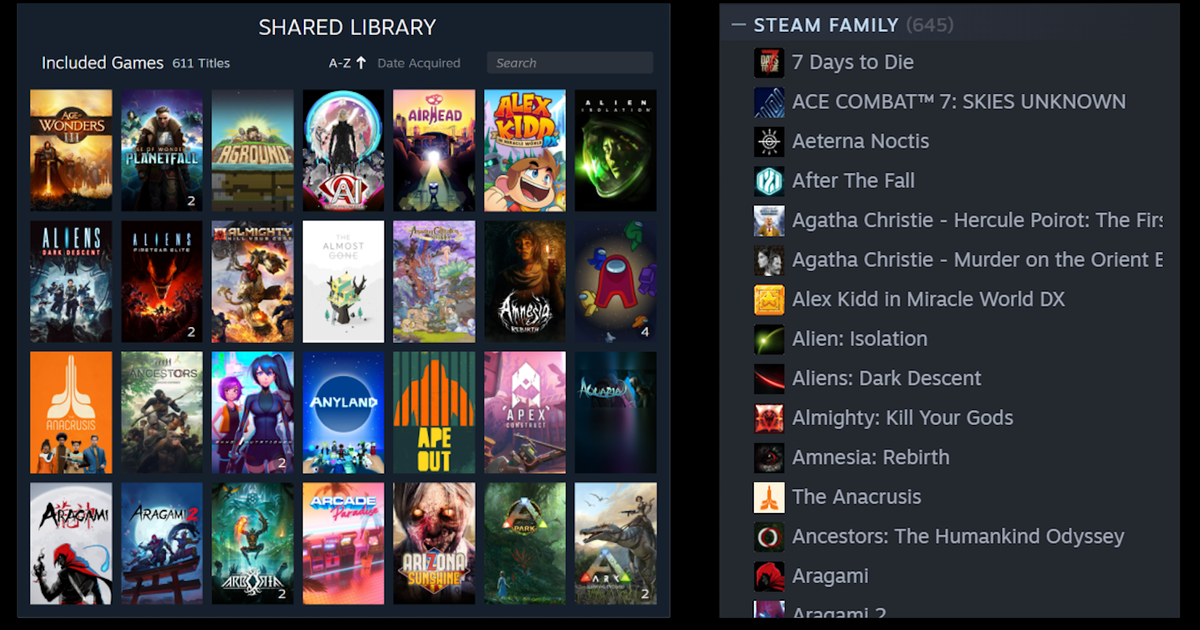
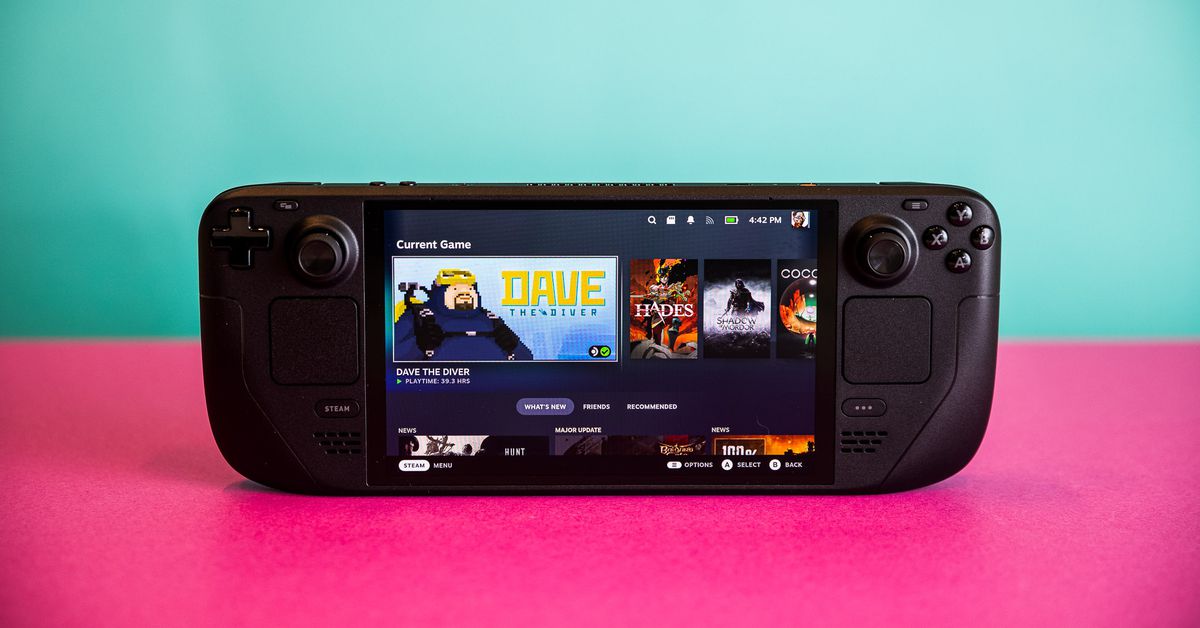
Valve has launched Steam Families in the Steam Beta Client, offering new family sharing options and parental controls. The feature allows up to six family members to share games, with adults able to set limits on children's playtime and approve game purchases. The new system aims to streamline the process of buying and sharing games within a family, providing a single location to manage games and offering more control over playtime and purchases.
Valve has announced an overhaul to its Steam Family Sharing feature, combining it with the Family View parental control system into a new package called Steam Families. The update allows family members to play different games simultaneously, provides individual saves and achievements, and introduces new parental controls for monitoring and purchasing games for children. However, there are restrictions, including a one-year cooldown for leaving or joining a family group, and a policy that if one family member gets banned for cheating, all members sharing the account will also be banned.
Steam has launched Steam Families, a revamped family sharing system that removes limits on the number of people who can play games from one library, simplifies game purchases for kids, and introduces new parental controls and sharing options. The new system allows simultaneous gameplay from the same library, supports offline play, and streamlines the process of buying games for kids. However, it is region-locked and has restrictions on joining or starting another family after leaving one.
Valve introduces Steam Families, a new program allowing up to six members to share and play games with close family members, replacing the previous Family Sharing and Family View features. Members can access sharable games in each other's libraries, create their own save files, earn achievements, and access workshop files while playing a family member's game. However, some games are ineligible for sharing due to technical reasons, and two members cannot play one copy of a game simultaneously. The program also includes parental controls and restrictions on game sharing.
Valve has introduced Steam Families in beta, enhancing the family-sharing settings on the platform, allowing users to share their library with up to five family members and gain access to games owned by others. The new feature combines Family Sharing and Family View, offering parental controls, playtime limits, and playtime reports. Currently available in the Steam Beta Client, Steam Families aims to make game sharing and access control more convenient for users.
Apple has agreed to pay a $25 million settlement in a class action lawsuit regarding its Family Sharing feature. Users who were enrolled in a Family Sharing group between June 2015 and January 2019, and purchased a subscription to a third-party app on the App Store during that time, may be eligible for a payment of $30 to $50. To claim the settlement, users must fill out a Payment Election Form by March 1, 2024, choosing between a check or direct deposit.
Apple has reached a $25 million settlement in a lawsuit over its Family Sharing program, which allows multiple users to access pay-per-month apps under one shared subscription. The lawsuit alleged that Apple ran deceptive advertisements for Family Sharing alongside subscription-based apps that did not support the service, misleading customers into purchasing subscriptions through third-party apps. Eligible customers who purchased a subscription through a third-party app while belonging to the Family Sharing plan between June 21, 2015, and January 30, 2019, can file a claim to receive compensation. The filing deadline is March 1, 2024, and eligible class members can expect to receive up to $30.
Apple has settled a class action lawsuit for $25 million regarding its Family Sharing feature, which allows users to share subscriptions and perks with friends and family. The lawsuit claims that Apple misleadingly advertised Family Sharing as a means to share the cost of a subscription, while third-party developers had the option to opt-out of this feature. Eligible claimants, who were enrolled in a Family Sharing group between June 21, 2015, and Jan. 30, 2019, and purchased a subscription to a non-Apple app, can receive compensation ranging from $30 to $50.
Apple has agreed to a $25 million settlement in a class action lawsuit related to its Family Sharing feature. The lawsuit alleged that Apple falsely advertised the ability to share subscriptions via Family Sharing when most subscription-based apps did not support it. Eligible customers who were enrolled in Family Sharing between June 2015 and January 2019 can receive up to $30 by registering on the settlement website before March 1, 2024. Apple denies any wrongdoing.
Apple has settled a class-action lawsuit by agreeing to pay $25 million to users who participated in a Family Sharing group with at least one member who had a subscription to a third-party app through the App Store between June 2015 and January 2019. The lawsuit accused Apple of misrepresenting the way subscriptions worked with Family Sharing. Each class-action member is expected to receive around $30, with a maximum payout of $50. Apple denies any misleading misrepresentations but settled due to the costs of a jury trial. Eligible customers have until March 1, 2024, to file a claim.
Apple has settled a class action lawsuit for $25 million over its Family Sharing feature, which allows customers to share subscriptions with up to five people. The lawsuit alleged that Apple misled customers by advertising that subscription-based apps could be shared, despite the majority of apps not supporting Family Sharing. Eligible customers may receive a payout of up to $30, and the deadline to opt in is March 1, 2024.