Medicare Advantage enrollment is expected to decline in 2026 due to insurers cutting unprofitable plans and raising premiums, with market stability anticipated despite the shrinkage, as insurers focus on profitability amid higher costs and regulatory pressures.
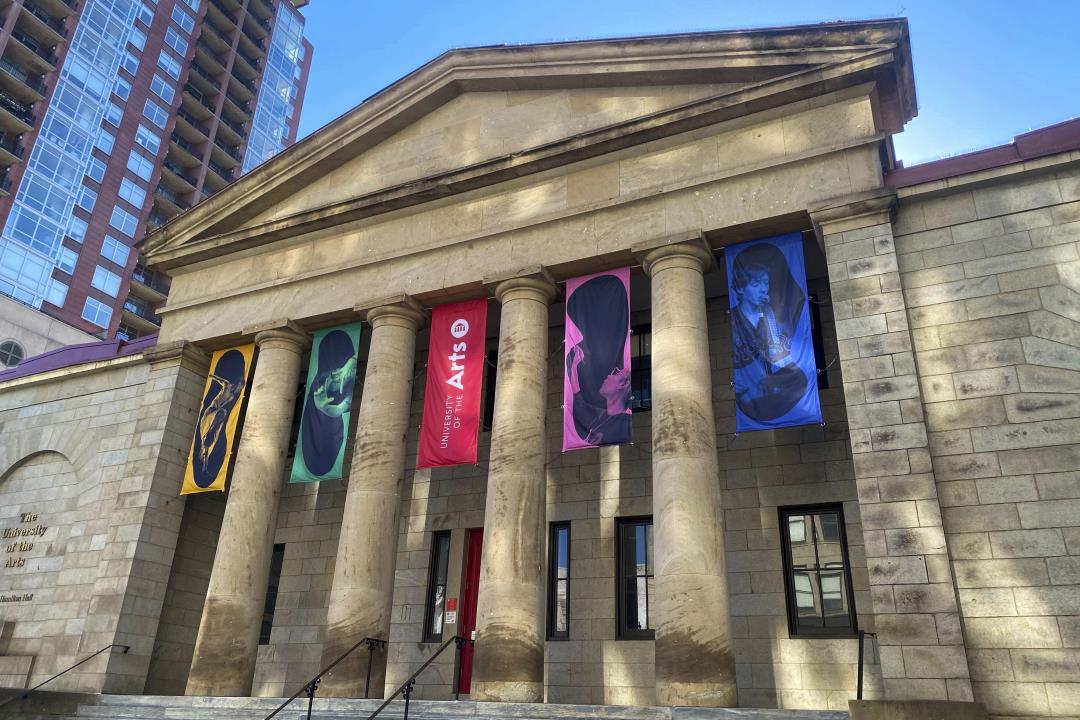
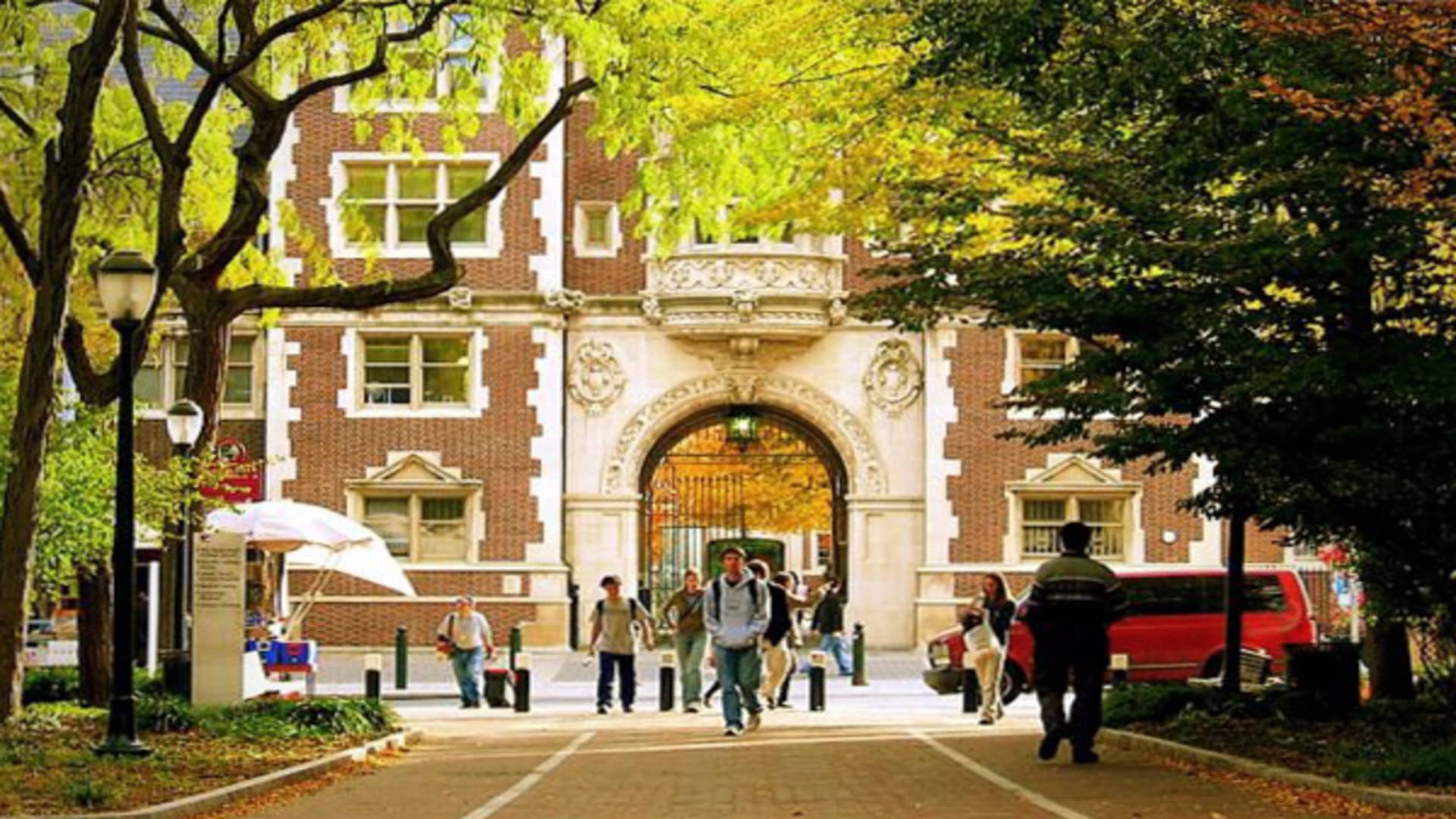
The University of the Arts in Philadelphia has announced its abrupt closure due to declining enrollment, revenues, and increasing expenses. The institution, which has been in a fragile financial state, will cancel summer courses and not enroll a new class in the fall. Efforts will be made to help current students transfer to other institutions. The closure affects nearly 700 faculty and staff, and many learned about it through news reports or social media before the official announcement.
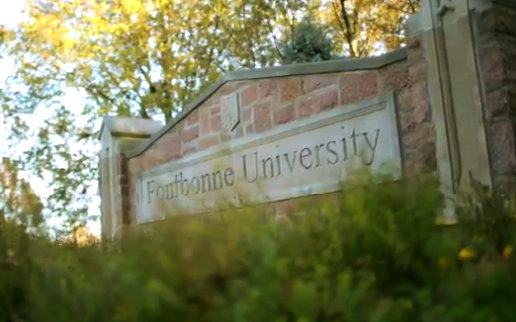
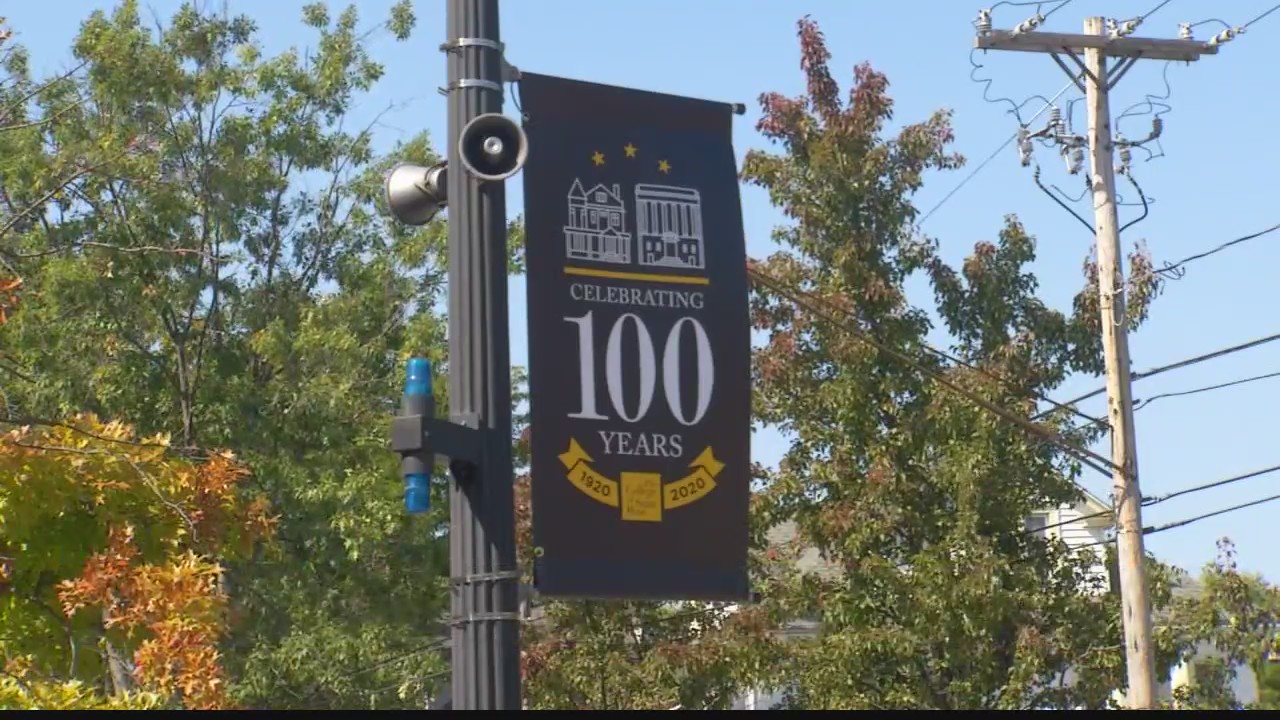
Fontbonne University, a 100-year-old institution in Clayton, will shut down in fall 2025 due to financial challenges, declining enrollments, and budget deficits. The 16-acre campus will be bought by Washington University, and there will be no freshman class in fall 2024. Students will be assisted with transferring to other colleges, and the campus will be leased back to Fontbonne as it winds down operations. The closure comes after years of enrollment decline, budget cuts, and the elimination of academic majors and faculty positions.
Fontbonne University in Clayton, Missouri, will close after the 2025 summer session due to declining enrollments and financial struggles. Washington University is set to purchase the 16-acre campus, and current undergraduate students will receive scholarships to cover tuition for the summers of 2024 and 2025. The university plans to offer support for students to either graduate or transfer to other institutions, while staff and faculty will receive severance packages. The Sisters of St. Joseph of Carondelet expressed gratitude for the university's efforts and acknowledged the impact of Fontbonne on the St. Louis community.
The College of Saint Rose in Albany, New York, is set to close next year due to a decline in enrollment caused by the pandemic and a decrease in the number of high school graduates. This closure is part of a larger trend, with 10 schools in the state having closed since 2016. Assemblymember Pat Fahy, Higher Education Committee Chair, attributes the challenges faced by small colleges to population loss, demographic changes, and the preference for online learning. Fahy advocates for increased tuition assistance to make higher education more affordable for low and middle-income families. Governor Hochul's administration is working to assist affected students in completing their degrees at other institutions.
In an effort to recruit students from diverse backgrounds and remove barriers to higher education, more colleges are offering guaranteed admission to high school seniors before they even apply. This comes as college enrollment has been declining, with fewer students opting for a four-year degree and rising tuition costs. The Common App, a nonprofit organization, reported that over one million students, including many first-generation students, use their platform to apply to college. While financial aid is a key consideration, there are numerous schools that accept the majority of applicants, providing options for students to pursue higher education.
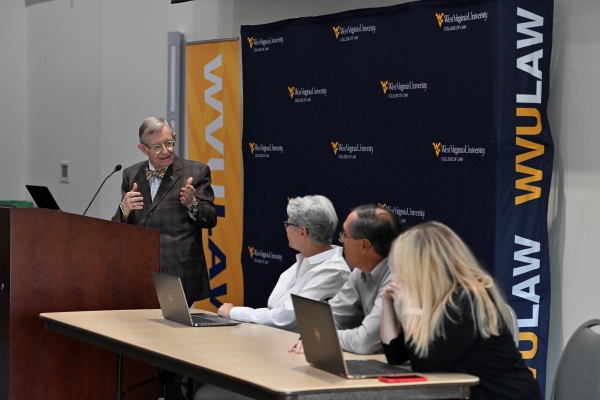
West Virginia University's plan to cut programs and faculty in the face of a projected $75 million budget shortfall has been met with pushback from faculty members who feel excluded from the process and anxious about its potential scale. The university's provost hopes to offer more information and a better sense of the impact of the cuts in the coming weeks. Faculty members are also concerned about recent changes to tenure protections and the university's enrollment decline, which has fallen 10% since 2015.
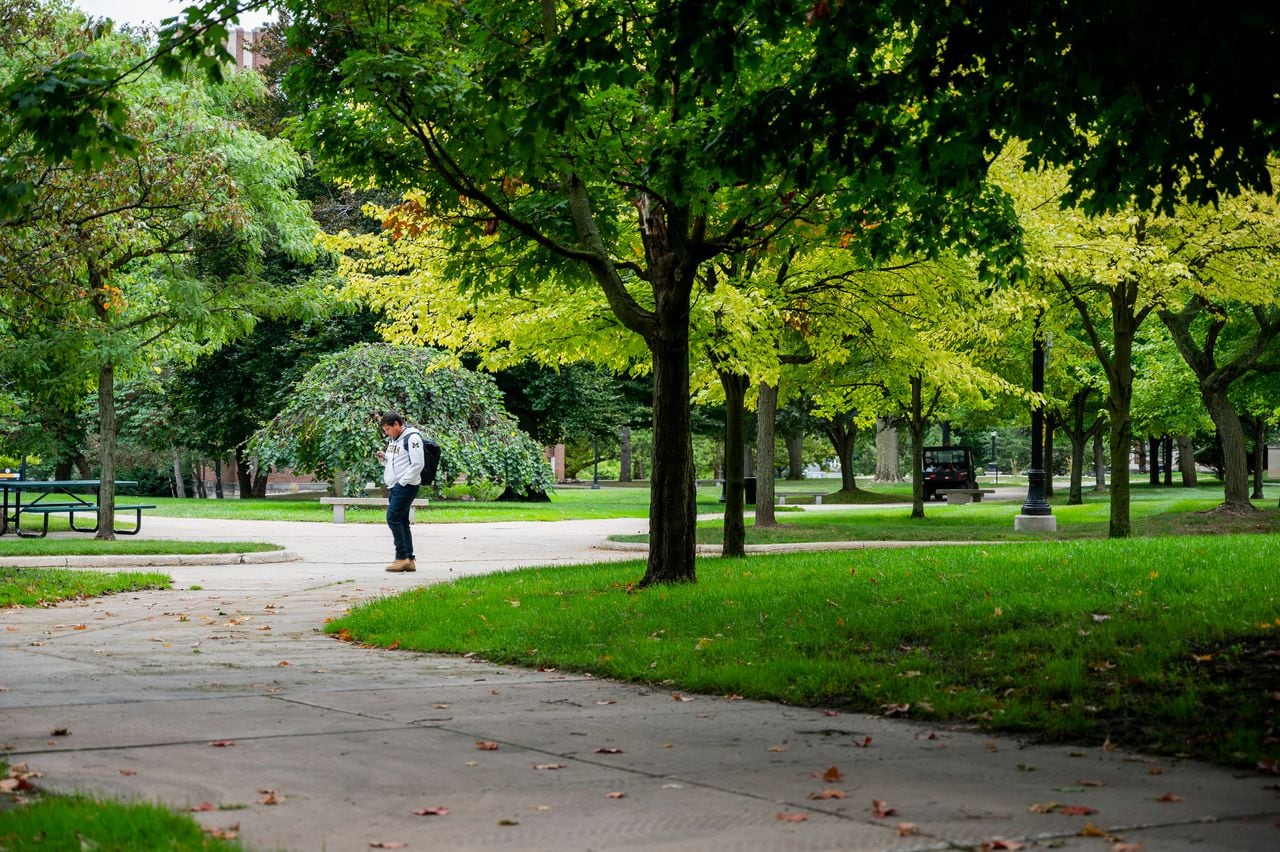
Enrollment at Michigan colleges is declining at a higher rate than the national average, with a 2.2% drop from the previous spring compared to the national decline of less than 1%, according to a report by the National Student Clearinghouse Research Center. Private four-year colleges saw the steepest decline with a 4.5% drop, while public four-year universities experienced a 1.5% drop, and community colleges dropped 2.8%. The decline in enrollment is attributed to a new set of factors that are preventing students from returning to campuses, according to the executive director of National Student Clearinghouse Research Center.
Cardinal Stritch University, a private school in Wisconsin, is closing its doors at the end of the spring semester due to fiscal realities, downward enrollment trends, the pandemic, and mounting operational and facility challenges. The university Board of Trustees recommended the closure to the Sisters of St. Francis of Assisi after determining the school "could no longer provide high-quality educational experiences our students deserve." The school is finalizing partnerships with local universities for students seeking to transfer their credits.
Community colleges in the US are facing an enrollment decline of 37% since 2010, with fewer than half of students earning any kind of credential. Critics argue that poor success rates and faceless bureaucracies are to blame, while advocates defend community colleges as serving students who need the most support but without the money to provide it. The spurning of community colleges has implications for the national economy, which relies on their graduates to fill many of the jobs in which there are shortages.
Community colleges in the US are facing an enrollment decline of 37% since 2010, with fewer than half of students earning any kind of credential. Critics argue that poor success rates and faceless bureaucracies are to blame, while advocates defend community colleges as serving students who need the most support but without the money to provide it. The spurning of community colleges has implications for the national economy, which relies on their graduates to fill many of the jobs in which there are shortages.
Jason Wingard has resigned as president of Temple University after less than two years, amid a tumultuous time at the university, including a graduate student strike, a shooting death of an on-duty Temple police sergeant, and a 14% enrollment decline since 2019. The Temple Association of University Professionals was preparing to hold a vote of no confidence in Wingard, and a letter by the school’s deans requested a meeting with the board over their concerns. The board plans to identify interim leadership and then move forward with a search for a new president.