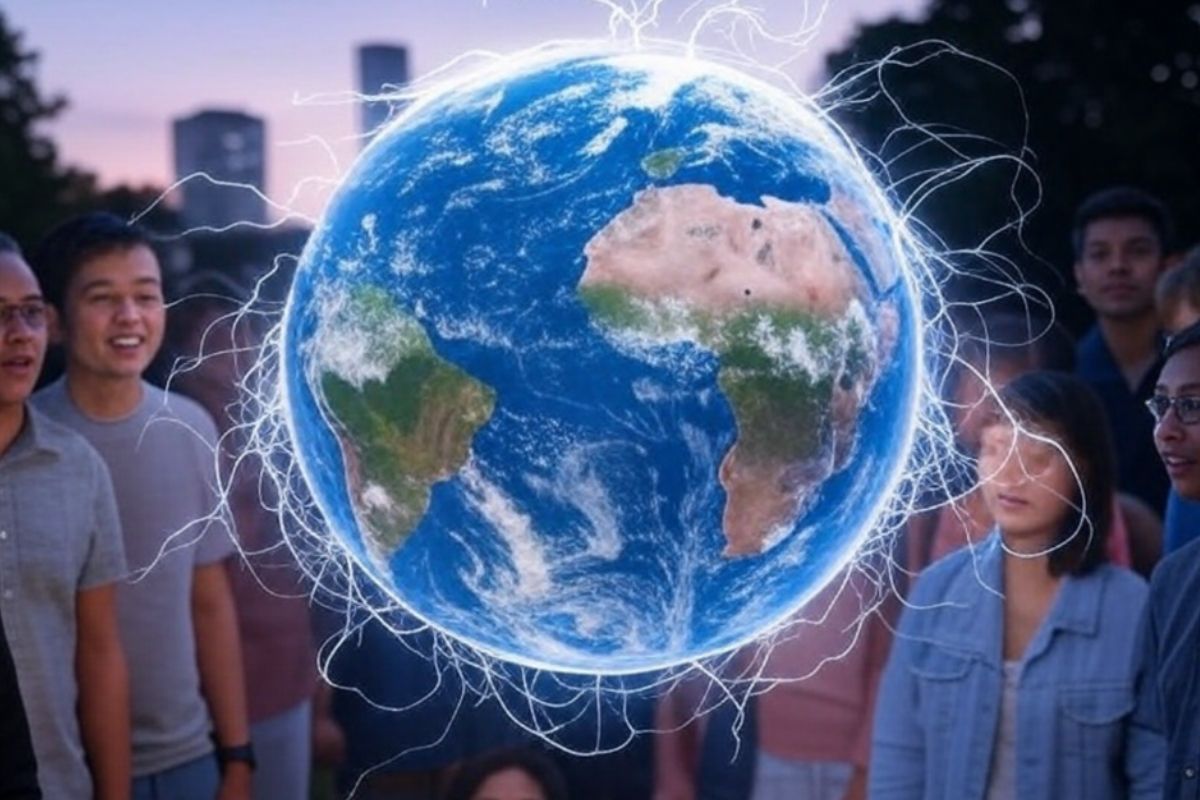
American scientists at Princeton have experimentally confirmed a 200-year-old hypothesis that Earth's rotation and magnetic field can generate a tiny electric current, reviving a concept first proposed by Faraday, though practical applications remain distant due to the minuscule voltage produced and significant technical challenges.
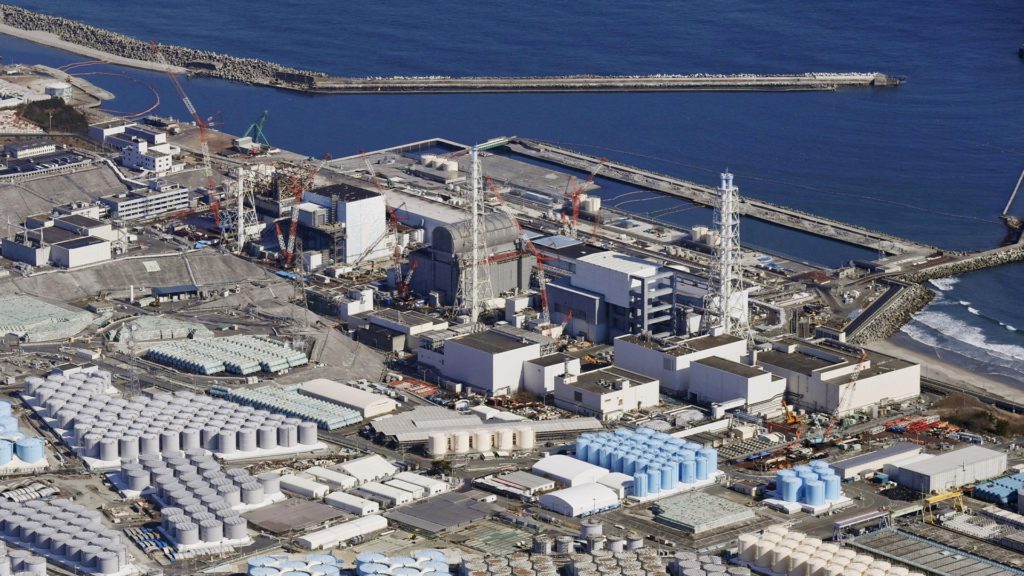
Japan continues to grapple with the aftermath of the Fukushima nuclear disaster, with radioactive contamination persisting in the soil and a reluctance among young people to return to the affected areas. The country, which previously relied on nuclear power for 30% of its electricity, now faces challenges with other energy sources and prices. Japan currently generates 70% of its power from imported liquid natural gas and coal, but is also exploring renewable energy options such as wind and solar power. The government aims to restart nuclear plants and develop safer next-generation reactors, while also considering alternative fuels and cooling regimes. However, opposition to geothermal energy remains due to concerns about its impact on hot spring resorts.