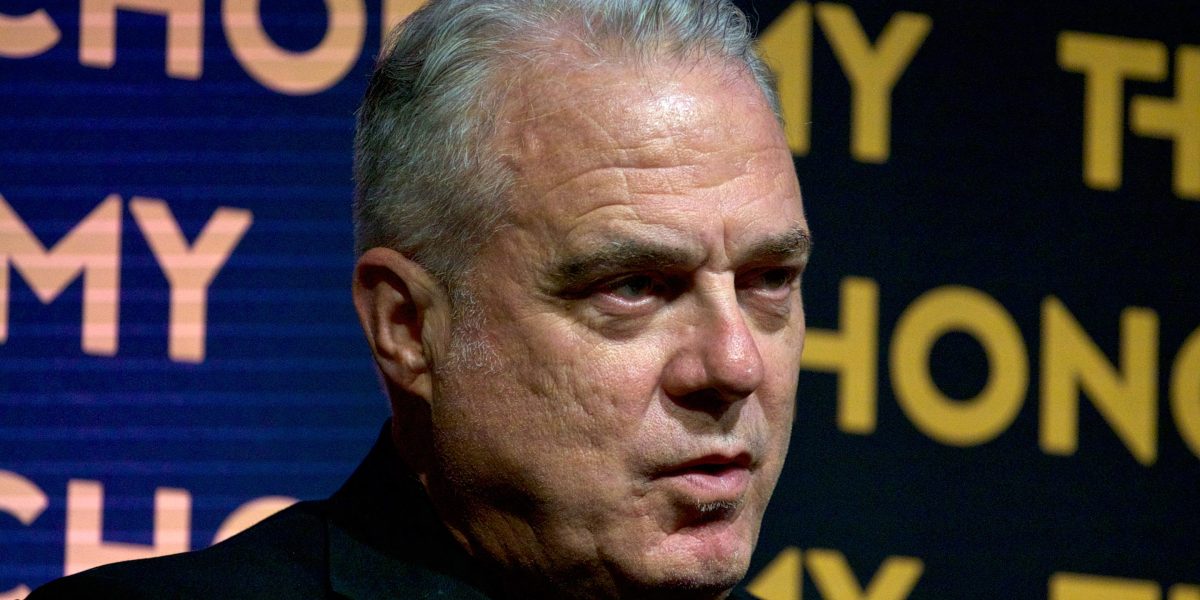
In the wake of UnitedHealthcare CEO Brian Thompson's murder, former Aetna CEO Mark Bertolini suggests eliminating employer-sponsored insurance to address the U.S. healthcare system's inefficiencies. Bertolini, now CEO of Oscar Health, advocates for a model where employers contribute to individual plans tailored to employees' needs, rather than group plans. This approach aligns with Oscar's business model and aims to provide more personalized and cost-effective healthcare options. The current system, rooted in post-WWII economic policies, is seen as outdated and unsustainable, with healthcare costs now consuming nearly 20% of GDP.

The decline of the coal industry and the boom in mining communities have disrupted and distorted the local health care systems, creating challenges for residents to access care and worsening health outcomes. Mining companies offer good jobs with robust health insurance plans, which can lead to a dependence on those plans for local health care infrastructure. This dependence creates market dynamics that make it difficult for those without mine insurance to receive basic care. As the demand for resources like copper, lithium, and cobalt increases for green energy production, more mining communities will likely face similar challenges. The reliance on employer-based health insurance and inadequate solutions have failed to address the systemic failures of health care in these communities.
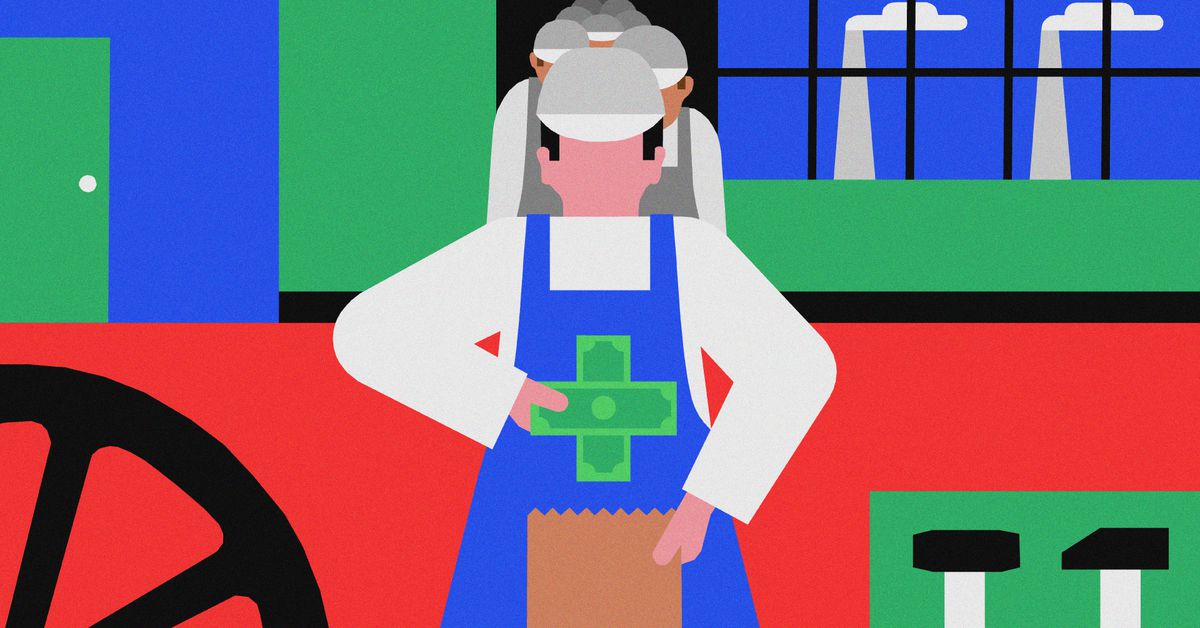
The United States is the only country where health insurance is tied to employment, and attempts to reform this system have failed. Over the past two decades, workers have been paying more and more for healthcare, with rising premiums and out-of-pocket costs. The US healthcare system is more expensive and less effective at preventing avoidable deaths compared to other countries. Breaking the link between jobs and health insurance has proven difficult due to a combination of employer benefits, skepticism of government control, and a fear of losing current insurance. As a result, Americans continue to sign up for insurance plans through their employers, despite the frustrations and financial burdens it may impose.