
Recent studies reveal that 'quiet covering'—concealing personal traits at work—is prevalent among employees, especially Gen Z, who do so to protect themselves from judgment, discrimination, and to enhance career prospects. This behavior, driven by workplace pressures and societal shifts, leads to stress, reduced engagement, and hampers innovation, highlighting the need for organizations to foster authenticity and inclusivity.
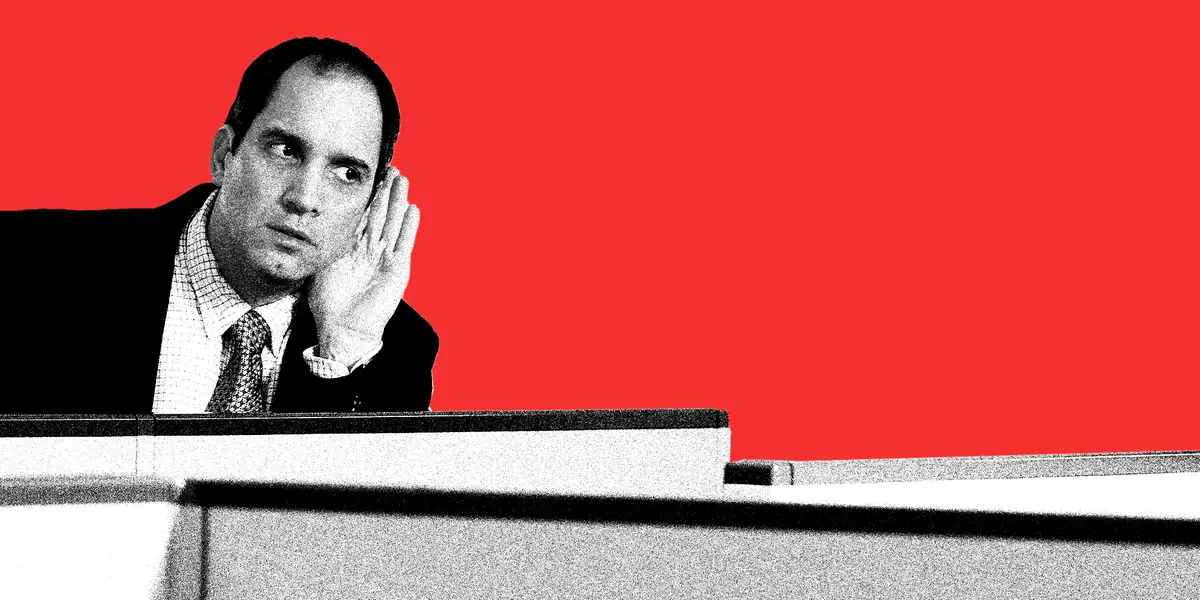
The article discusses how layoffs and AI advancements are fueling workplace paranoia among white-collar workers, leading to increased anxiety, knowledge hoarding, and shifts in work behavior, which can negatively impact productivity and job satisfaction.
YesMadam, an Indian tech company offering in-home beauty services, fired employees who reported high stress levels in a company survey. The decision, intended to foster a "healthy and supportive work environment," has been criticized as counterproductive and indicative of poor management practices. Critics argue that firing stressed employees without addressing underlying issues exacerbates workplace toxicity and discourages honest feedback.
A former corporate professional has identified eight examples of coded language used in toxic workplaces that can cause employee stress. These phrases, such as "we're kind of slammed" and "assume positive intent," often have hidden meanings that indicate issues like work avoidance, authoritarian power dynamics, and gaslighting. The use of coded language can be particularly confusing for neurodivergent individuals. It is important for employees to be aware of these red flags and seek clarity when needed, as effective communication is crucial in a healthy work environment.