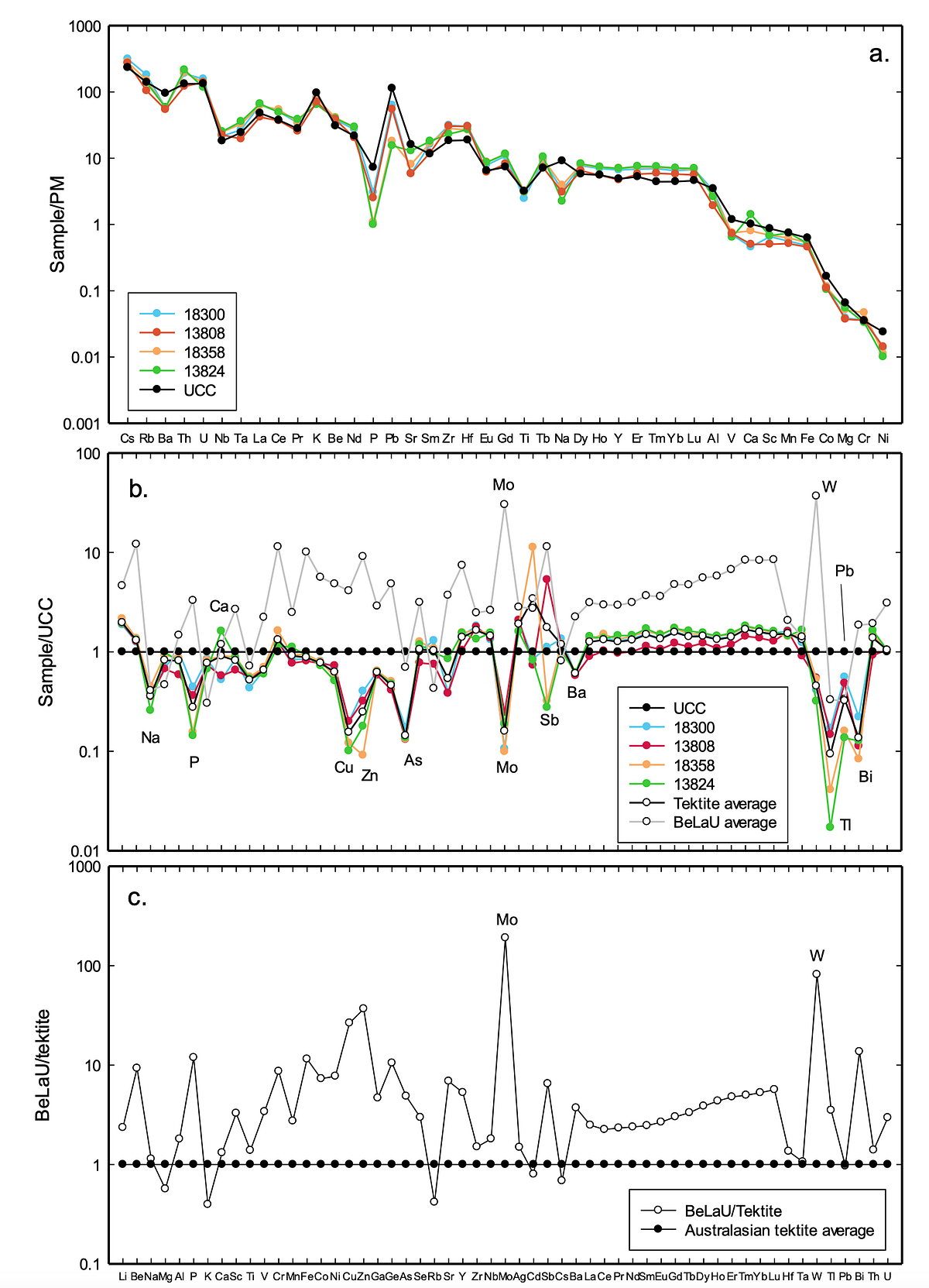
A scientific expedition retrieved and analyzed spherules from an interstellar meteor in the Pacific Ocean, discovering that a subset called BeLaU spherules have a unique composition unlike terrestrial materials like tektites or coal ash, supporting their extraterrestrial origin.
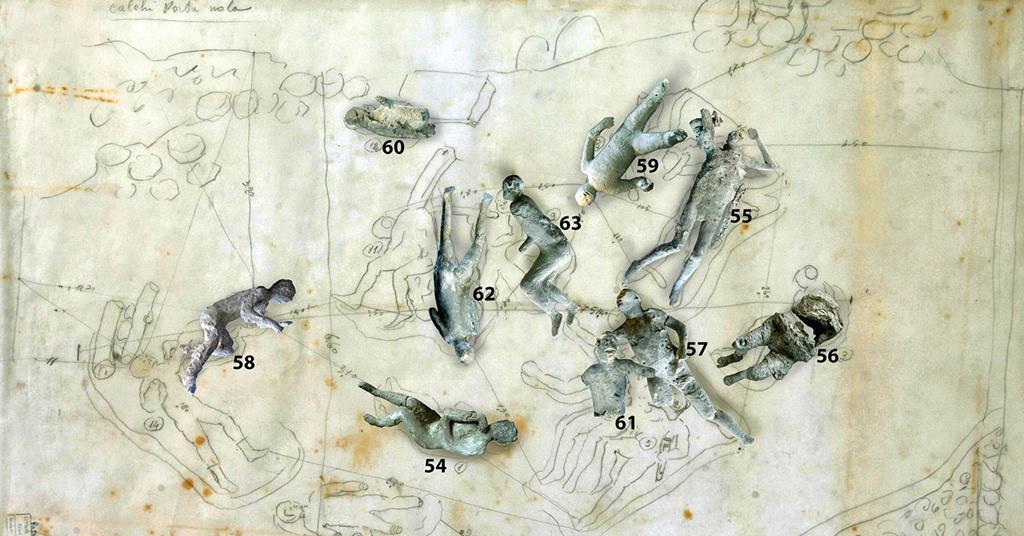
Elemental analysis performed on plaster casts of victims from the ancient Roman city of Pompeii confirms that asphyxiation caused by inhaling volcanic ash was the likely cause of death. Portable x-ray fluorescence techniques were used to differentiate between the plaster and bones within the casts. The chemical similarity of the cast bones to cremated bones, along with the victims' prone and relaxed positions, suggests suffocation as the cause of death. This study highlights the importance of collaboration and a multidisciplinary approach in understanding historical events and preparing for future volcanic hazards.
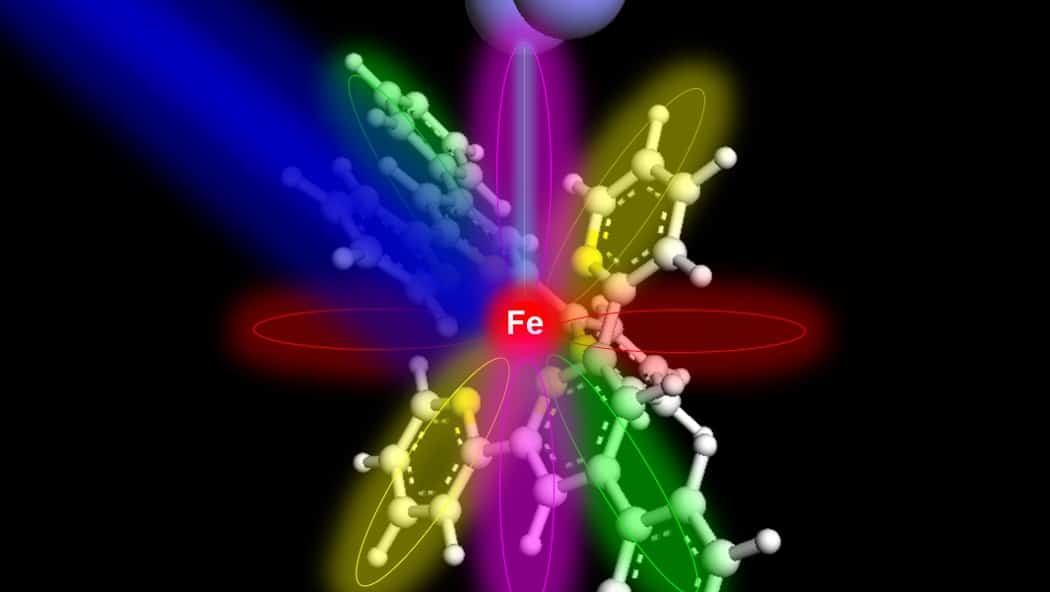
Researchers at Argonne National Laboratory have achieved the single-atom limit in synchrotron X-ray scanning tunnelling microscopy, allowing for the characterization of materials at the atomic level. By adding a sharp metallic tip to a conventional X-ray detector, they were able to detect X-ray-excited core-level electrons in samples containing iron or terbium atoms. This breakthrough has important implications for various fields, including medical and environmental research, as it enables the investigation of individual atoms and their chemical properties. It also opens up possibilities for designing advanced materials and exploring magnetic properties for spintronic and quantum applications.
Journals published by Wiley have abandoned the ±0.4% accuracy standard for elemental analysis following a study that found commercial elemental analysis to be unreliable and the current standard to be oversensitive for abundant elements and under sensitive for less abundant components. Wiley updated their publishing guidelines, waiving the requirement for ±0.4% accuracy, and the Royal Society of Chemistry is in the process of updating author guidelines. Other publishers are aware of the concerns but have not changed their publishing requirements, stating that further discussion within the community may be needed to reach a consensus on a new standard.