Tag

Electionsecurity

All articles tagged with #electionsecurity

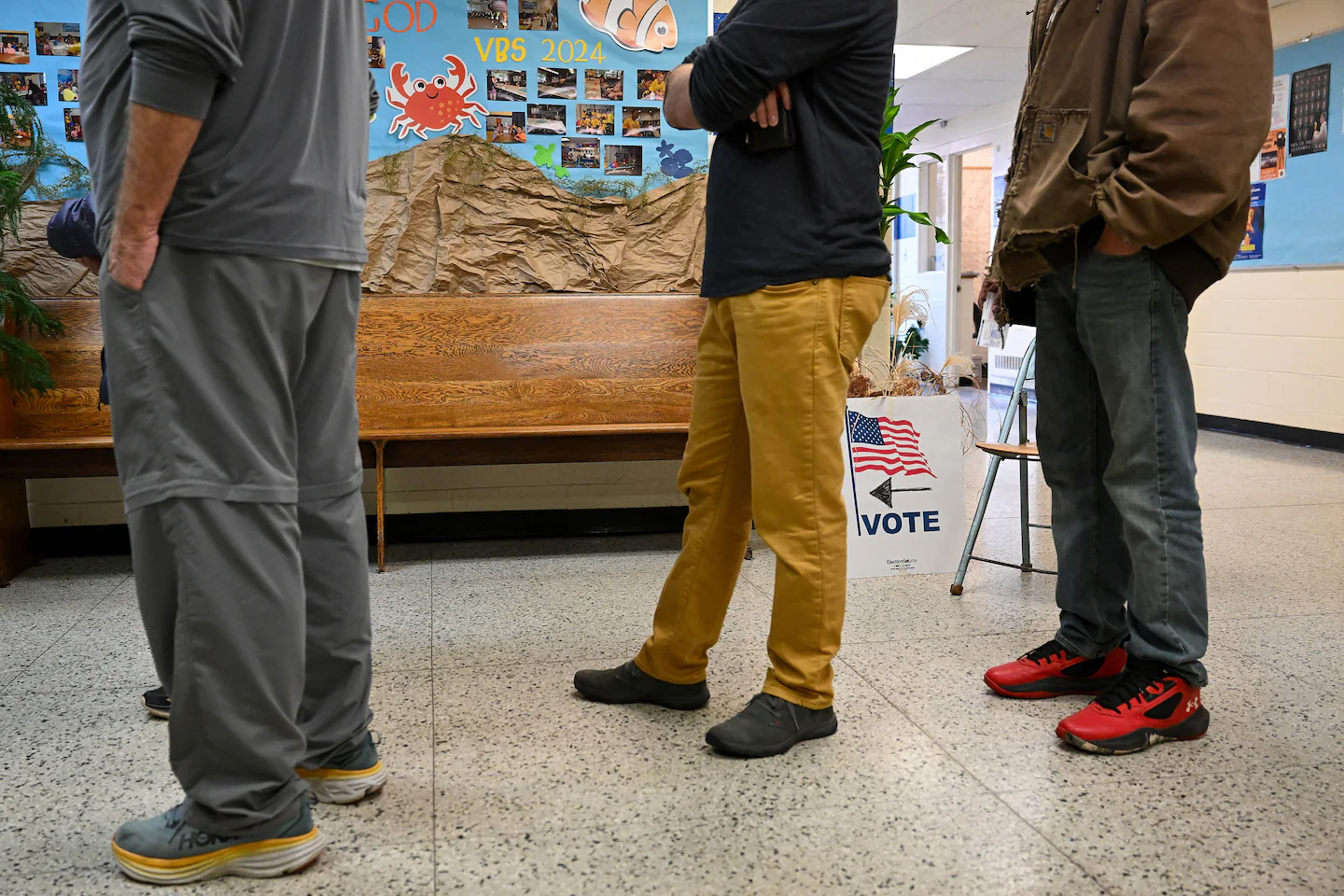
Record Early Voting Sets Stage for Crucial Election Day

Originally Published 1 year ago — by The Washington Post

Featured image for Record Early Voting Sets Stage for Crucial Election Day
Source: The Washington Post

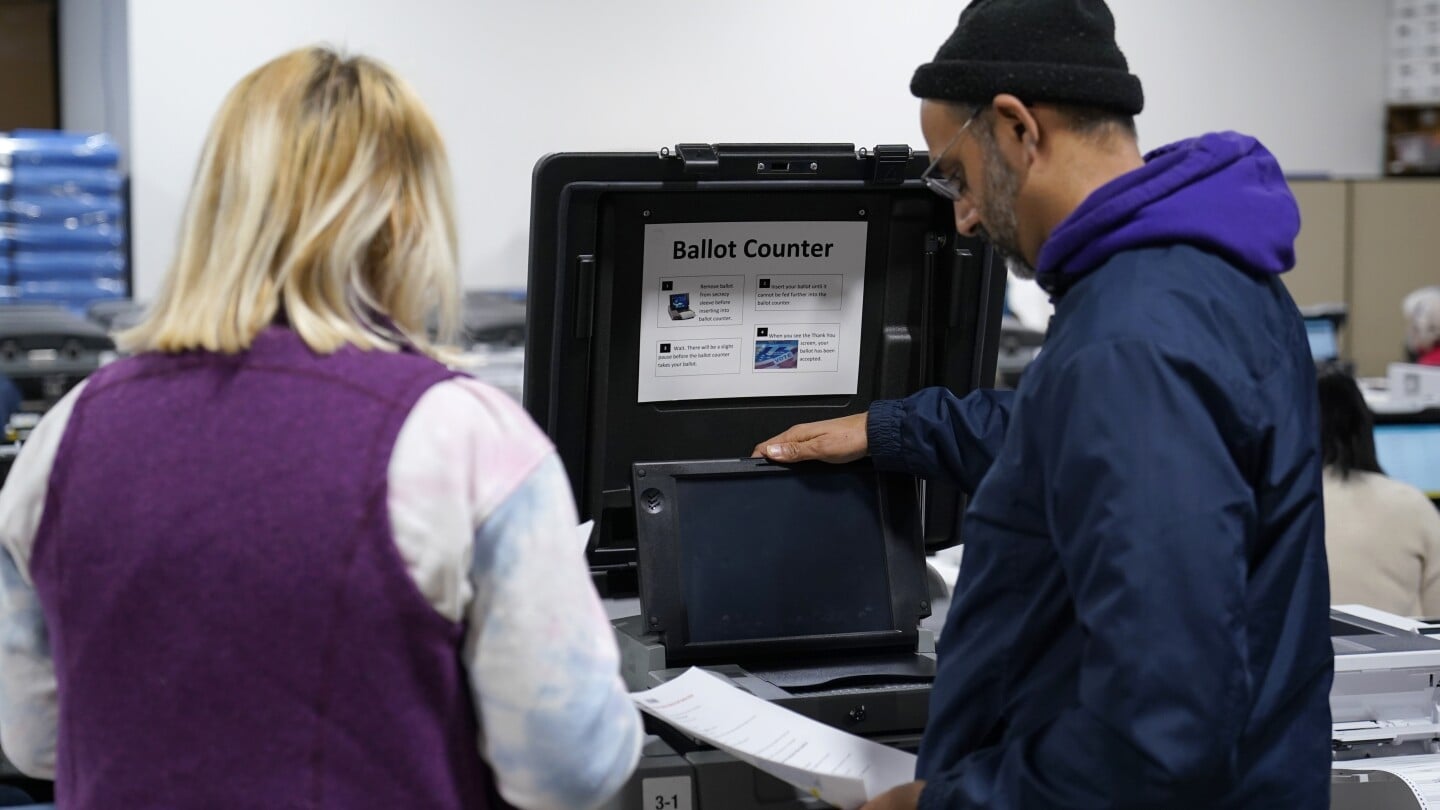
Election Day in the U.S. proceeded mostly smoothly with minor issues reported in some areas, such as a software malfunction in Pennsylvania and bomb threats in Georgia. Voter turnout was high, with significant early voting numbers. Security was heightened due to past threats, and both parties deployed observers to polling sites. Despite some claims of election interference, officials assured that the voting process was secure and votes would be counted accurately.
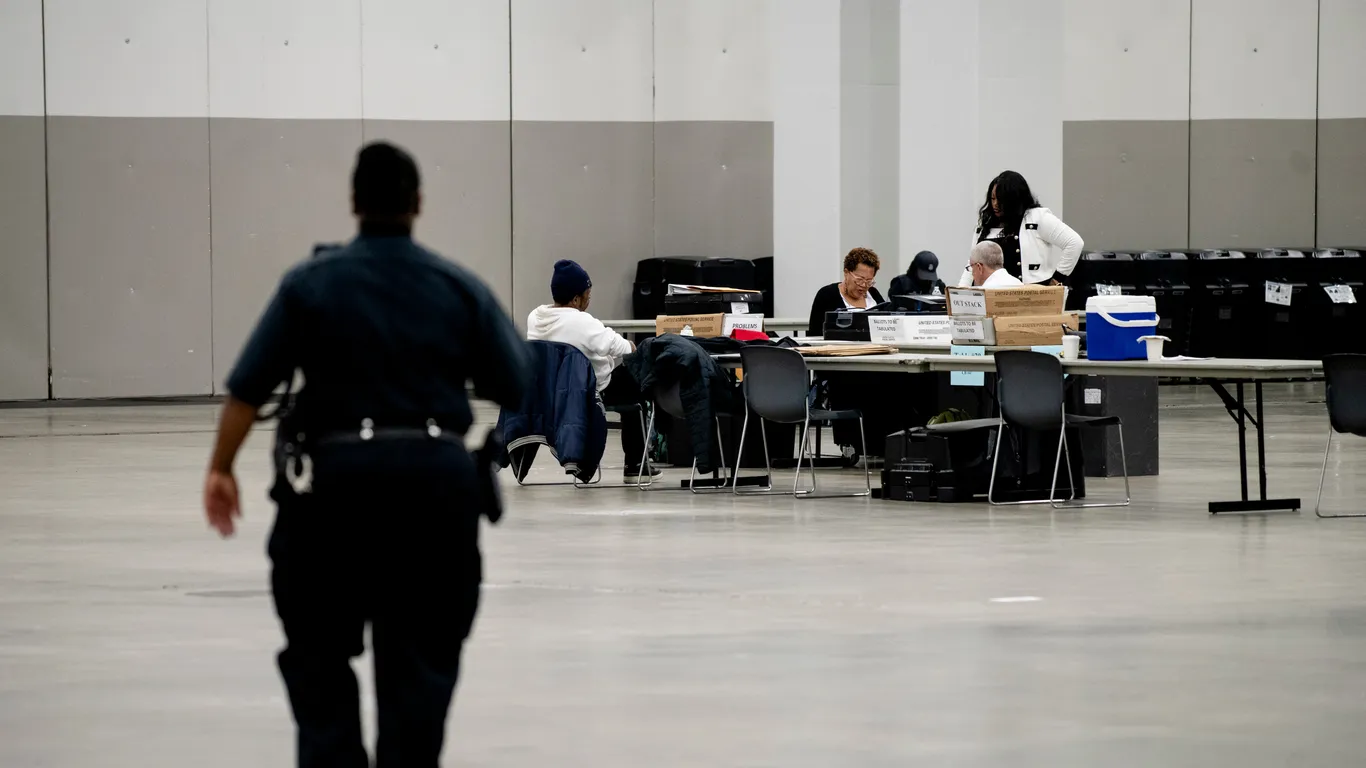
Election Day Faces Legal Battles and Security Concerns

Originally Published 1 year ago — by ABC News

Featured image for Election Day Faces Legal Battles and Security Concerns
Source: ABC News

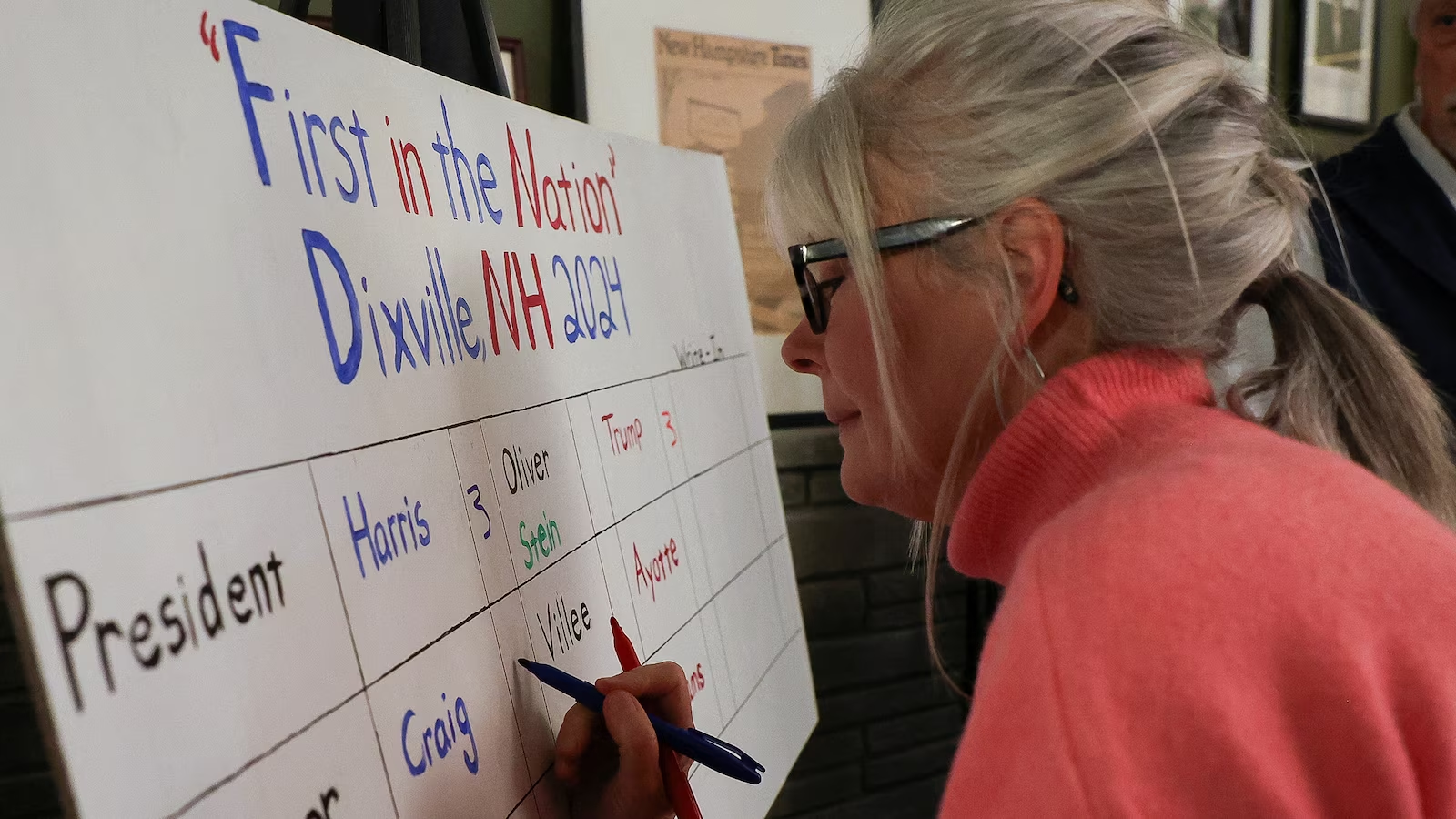
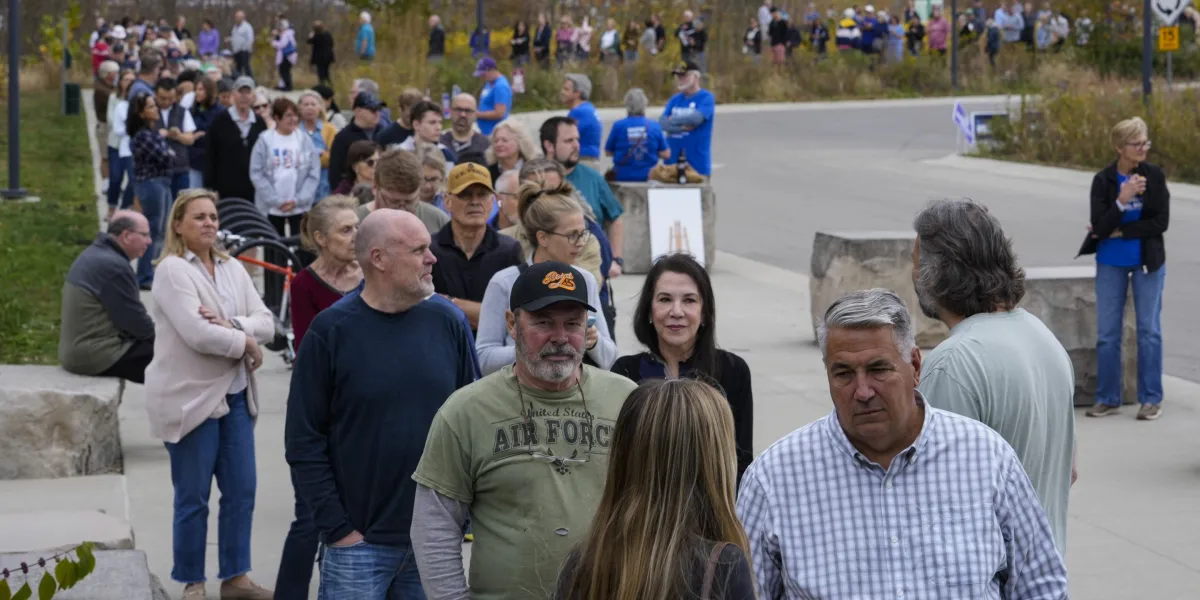
Former President Donald Trump, during a campaign rally in Grand Rapids, Michigan, urged his supporters to vote while casting doubt on the security of the electoral process. He suggested that his supporters would be to blame if he loses to Vice President Kamala Harris, and questioned the reliability of voting machines, advocating for paper ballots instead. Despite officials confirming the security of the election system, Trump claimed Democrats cheat to win elections.

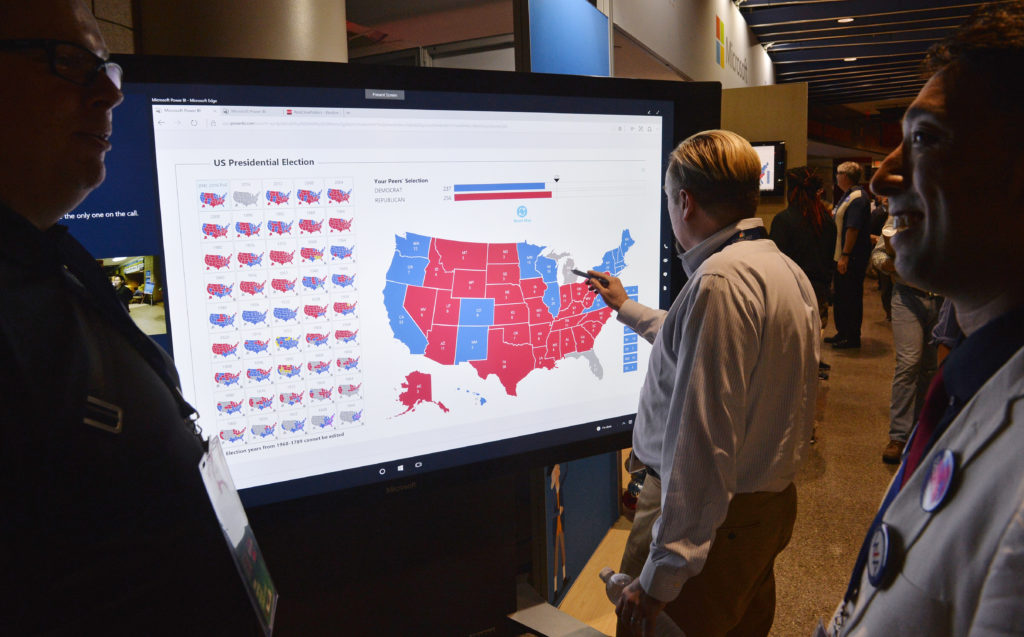
Record Early Voting in 2024: Key Insights and Implications

Originally Published 1 year ago — by Fortune

Featured image for Record Early Voting in 2024: Key Insights and Implications
Source: Fortune

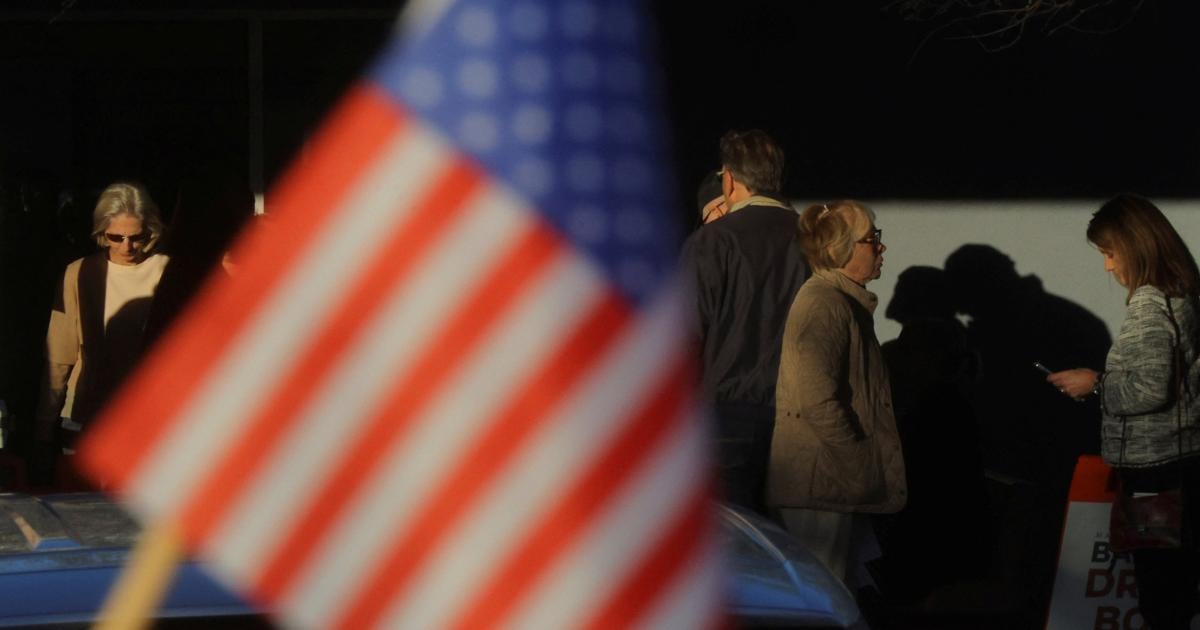
As Election Day 2024 arrives, over 82 million Americans have already voted, surpassing half the total votes from 2020. High early turnout is noted in battleground states like Georgia and North Carolina, despite challenges like Hurricane Helene. Former President Trump and the Republican National Committee have made unsubstantiated claims of voter fraud, while election officials report no major issues. Efforts to counter misinformation and ensure election security continue, with foreign influence operations, particularly from Russia, being a concern.

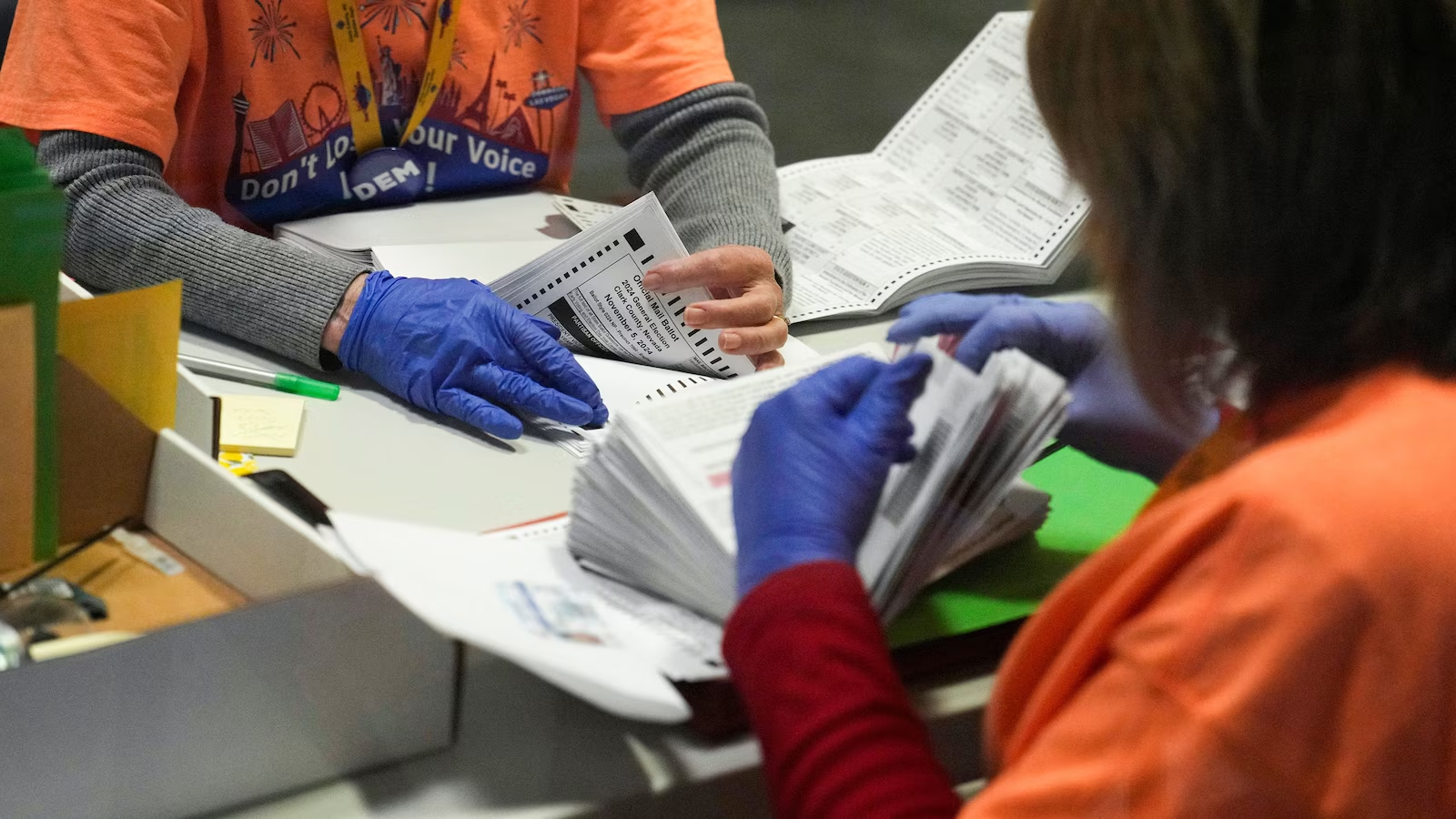
Foreign Influence Looms Over U.S. Elections Amid Disinformation Concerns

Originally Published 1 year ago — by Axios

Featured image for Foreign Influence Looms Over U.S. Elections Amid Disinformation Concerns
Source: Axios

As Election Day approaches, disinformation about candidates and voting integrity is surging, with Russia, China, and Iran spreading fake videos on social media. Despite efforts by election officials and platforms to counter these narratives, the volume of misinformation is overwhelming. The Cybersecurity and Infrastructure Security Agency (CISA) assures that this election is highly secure, with extensive security assessments and training conducted. However, foreign actors are expected to intensify their disinformation campaigns post-Election Day to incite unrest.

National Guard and States Heighten Security for Election Day

Originally Published 1 year ago — by Axios

Featured image for National Guard and States Heighten Security for Election Day
Source: Axios

National Guard units and local law enforcement are on alert across several states to prevent potential violence from extremist groups during the election. Security measures include enhanced protection at polling sites, such as bulletproof glass and panic buttons, and increased communication with law enforcement. National Guard cyber teams are also active in states like Colorado and Connecticut to ensure election security. The heightened precautions follow incidents of ballot drop box fires and threats against election officials.

Debunking Election 2024 Misinformation: A Fact-Check Guide

Originally Published 1 year ago — by PBS NewsHour

Featured image for Debunking Election 2024 Misinformation: A Fact-Check Guide
Source: PBS NewsHour

As the 2024 election approaches, voters are cautioned against falling for misinformation similar to that seen in 2020, such as false claims about dead voters, ballot errors equating to fraud, and noncitizen voting. Despite past allegations, election officials emphasize that errors are not indicative of fraud, and processes are in place to ensure accurate vote counting. Voters are encouraged to rely on credible sources like state election officials and reputable news outlets for election results.

US Officials Heighten Security Measures for Election Day

Originally Published 1 year ago — by ABC News

Featured image for US Officials Heighten Security Measures for Election Day
Source: ABC News

Law enforcement agencies across the U.S. are dedicating significant resources to ensure safety during the 2024 election amid a surge in threats against election workers and officials. A threat assessment by the NYPD Intelligence Bureau highlights risks of physical violence, disinformation, and cyberattacks, with the FBI investigating over 2,000 threats. Recent incidents include charges against individuals for threatening election officials, and online rhetoric calling for violence and militia action. Authorities emphasize the professionalism and transparency of election processes across states.

"Rising Election Security Threats Prompt Global Initiatives and Funding Shortfalls"

Originally Published 1 year ago — by The Associated Press

Featured image for "Rising Election Security Threats Prompt Global Initiatives and Funding Shortfalls"
Source: The Associated Press

State election officials in the US are facing challenges in securing their systems from cyberattacks, updating equipment, and training staff, with frustration mounting over the lack of federal funding from Congress. Despite the allocation of $995 million for election administration and security needs since 2016, most of the funds have been exhausted, leaving officials concerned about the upcoming 2024 election. Partisan budget disputes have hindered the approval of new funding, with House Republicans labeling election security grants as "wasteful spending." State officials are calling for sustainable federal funding to address cybersecurity threats and maintain election security programs.

"New Mexico AG Advises Against Prosecution of GOP Electors, Suggests Legal Reforms"

Originally Published 2 years ago — by POLITICO

Featured image for "New Mexico AG Advises Against Prosecution of GOP Electors, Suggests Legal Reforms"
Source: POLITICO

New Mexico Attorney General Raúl Torrez stated that under current law, the state's five Republican electors who filed false election certificates claiming Trump won the 2020 election cannot be prosecuted. However, Torrez is recommending legislative changes to prevent and penalize such actions in the future. These recommendations include expanding laws against falsified election documents and creating a new law against falsely acting as a presidential elector. The issue of fake electors has led to criminal charges in other states, with ongoing investigations and indictments.

"Wave of Bomb Threats Triggers Evacuations at Multiple State Capitols"

Originally Published 2 years ago — by NPR

Featured image for "Wave of Bomb Threats Triggers Evacuations at Multiple State Capitols"
Source: NPR

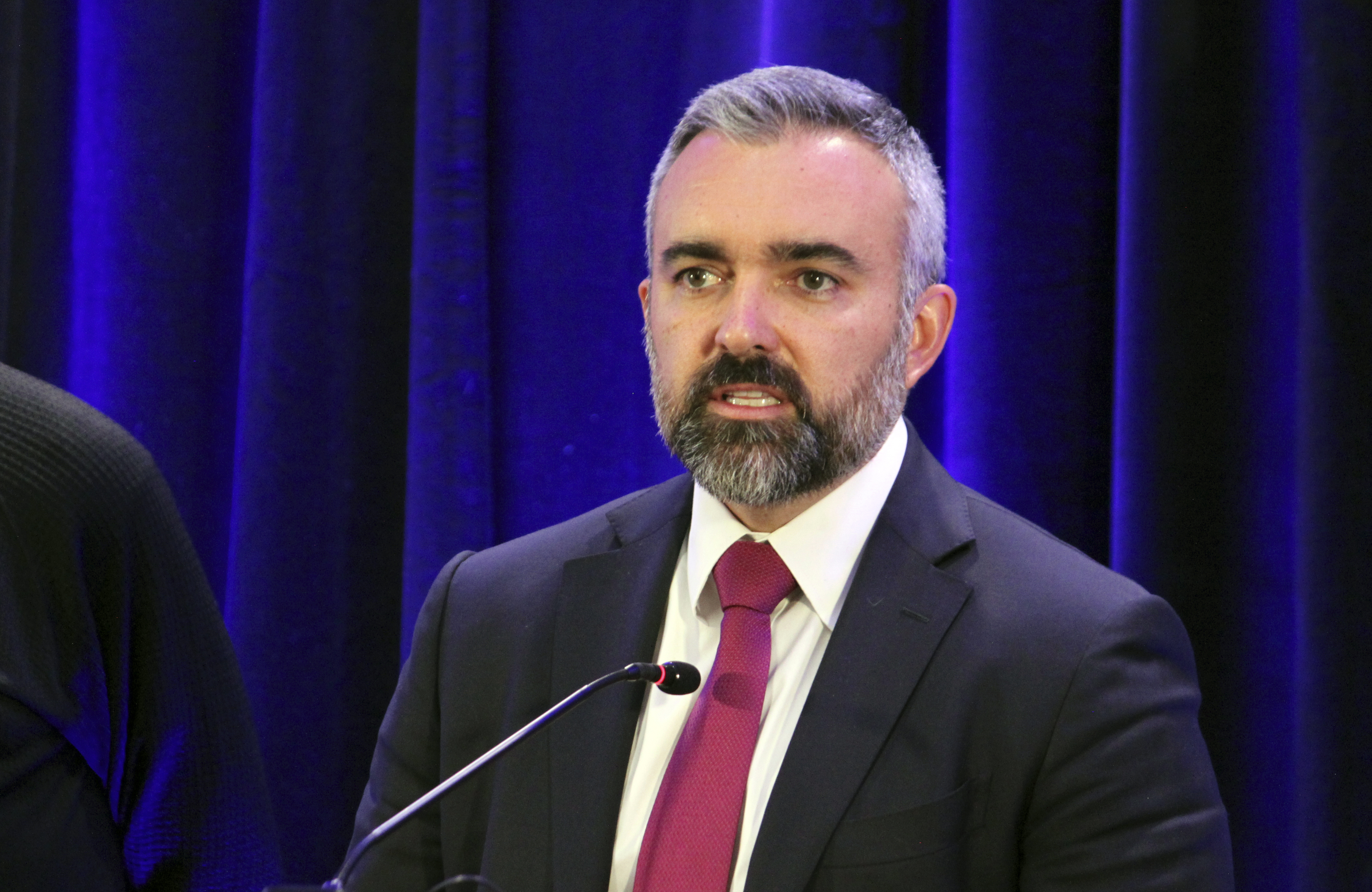
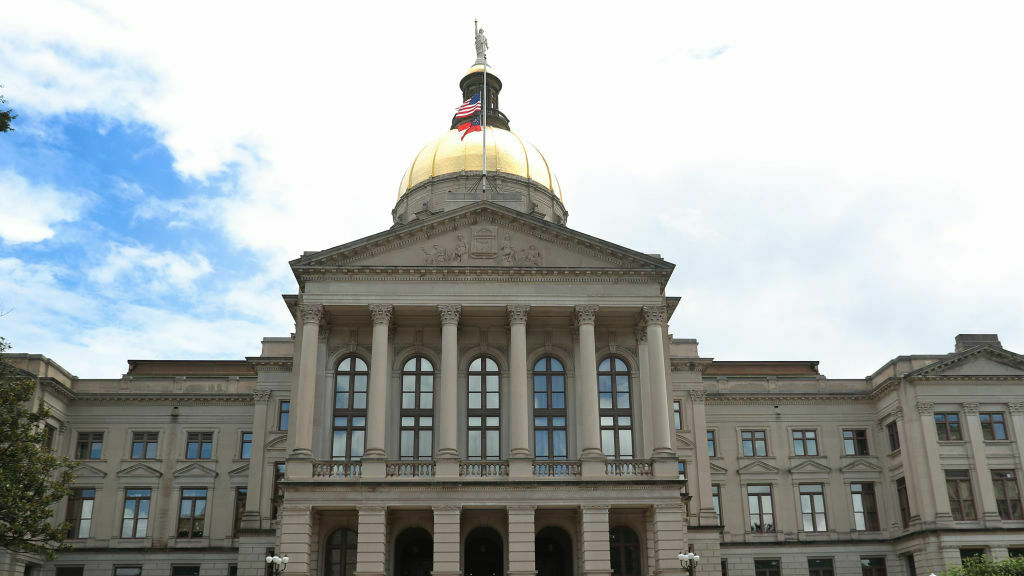
Multiple state capitols, including those in Georgia, Kentucky, Michigan, and Mississippi, were evacuated due to bomb threats. Officials, such as Georgia's top elections official Gabriel Sterling, urged caution and advised against jumping to conclusions about the perpetrators, emphasizing the potential for "chaos agents" to sow discord ahead of the 2024 elections. The threats come as the nation approaches the third anniversary of the Jan. 6 Capitol attack and follow reports of increased threats to government workers.

"Generative AI: Navigating the Crossroads of Misinformation and Democracy in Elections"

Originally Published 2 years ago — by Foreign Affairs Magazine

Featured image for "Generative AI: Navigating the Crossroads of Misinformation and Democracy in Elections"
Source: Foreign Affairs Magazine

Generative AI poses a significant threat to the integrity of democratic elections by enabling the creation and spread of sophisticated disinformation at scale. As the technology becomes more accessible, adversaries like China, Iran, and Russia could use it to undermine the U.S. electoral process, from voter registration to vote reporting. The responsibility to counter these threats largely falls on state and local election officials, who need support from federal agencies, voting equipment manufacturers, AI companies, the media, and voters. AI companies can contribute by developing tools to identify AI-generated content and prioritizing security in their products. Election officials are also advised to adopt best security practices and transparent communication to mitigate risks and maintain public trust in the electoral system.

"South Korean Opposition Leader Lee Jae-myung Stabbed, Hospitalized in ICU"

Originally Published 2 years ago — by Reuters

Featured image for "South Korean Opposition Leader Lee Jae-myung Stabbed, Hospitalized in ICU"
Source: Reuters

South Korean opposition leader Lee Jae-myung is in intensive care after being stabbed in the neck during a campaign event. The attack has prompted calls for increased security for political figures ahead of a major election. Lee, who narrowly lost the 2022 presidential race, was targeted by an assailant with a camping knife, leading to a two-hour surgery to repair a major blood vessel. Political leaders across the spectrum have condemned the violence, and the suspect is in custody as the police investigate the motive. The incident has raised concerns about the safety of politicians in South Korea, a country with a history of political violence.

"AI in 2024: Scary Breakthroughs, Big Questions, and Life-Changing Tech"

Originally Published 2 years ago — by Livescience.com

Featured image for "AI in 2024: Scary Breakthroughs, Big Questions, and Life-Changing Tech"
Source: Livescience.com

The article discusses three potential AI breakthroughs in 2024 that could have significant, and possibly alarming, impacts. First is the development of Artificial General Intelligence (AGI), with OpenAI's rumored Q* system possibly marking a leap in AI capabilities. Second, advancements in deepfake technology could threaten election integrity, with AI-generated hyperrealistic content becoming indistinguishable from real footage. Lastly, the integration of AI into military systems is leading to the development of lethal autonomous weapon systems (LAWS), also known as killer robots, which could change the nature of warfare. These developments highlight the dual-use nature of AI technology, capable of both great benefits and serious risks.