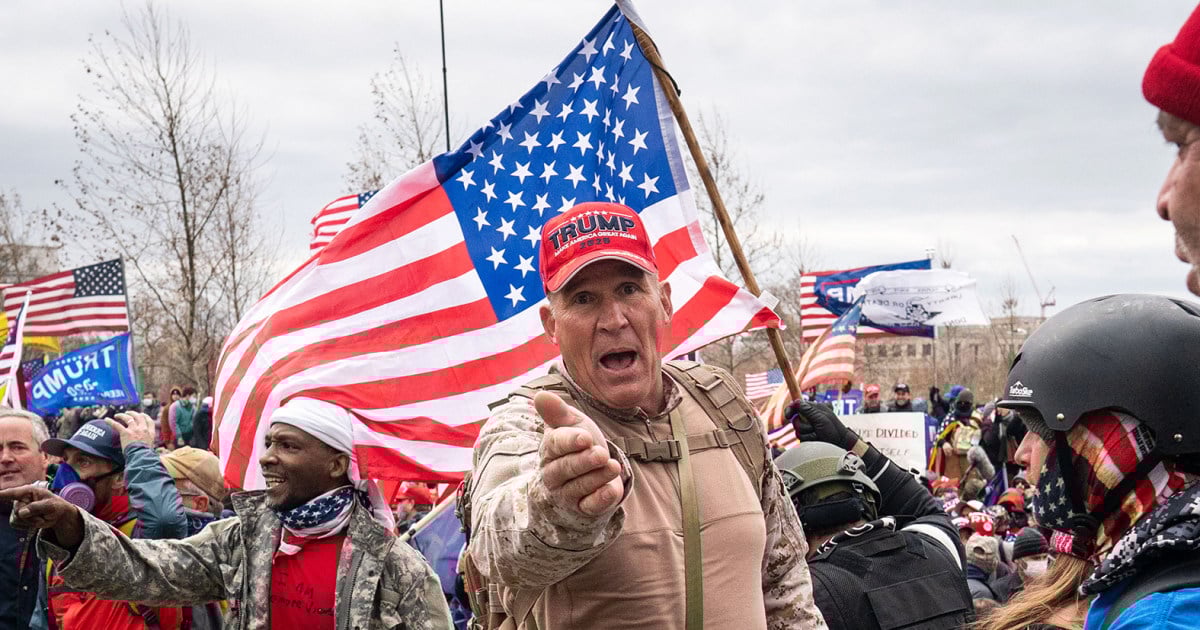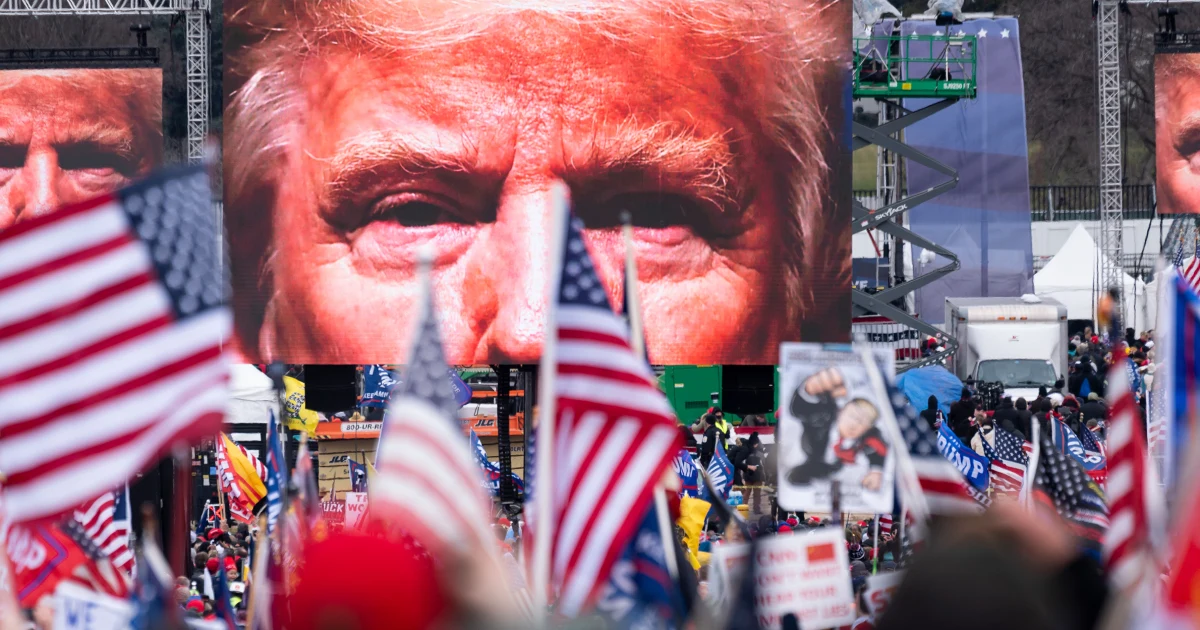
President-elect Donald Trump has sparked controversy by vowing to pardon many of the January 6 Capitol riot defendants, despite apparent gaps in his understanding of the cases. Trump has stated he will act quickly on pardons, though he seems unaware of the details, such as the fact that most convicted individuals are in federal prisons, not the D.C. jail. His comments have raised concerns among allies and critics, who suggest he needs a more informed and coherent argument for the pardons. The Justice Department continues its work on the cases, with a sense of pride in their efforts despite potential pardons.
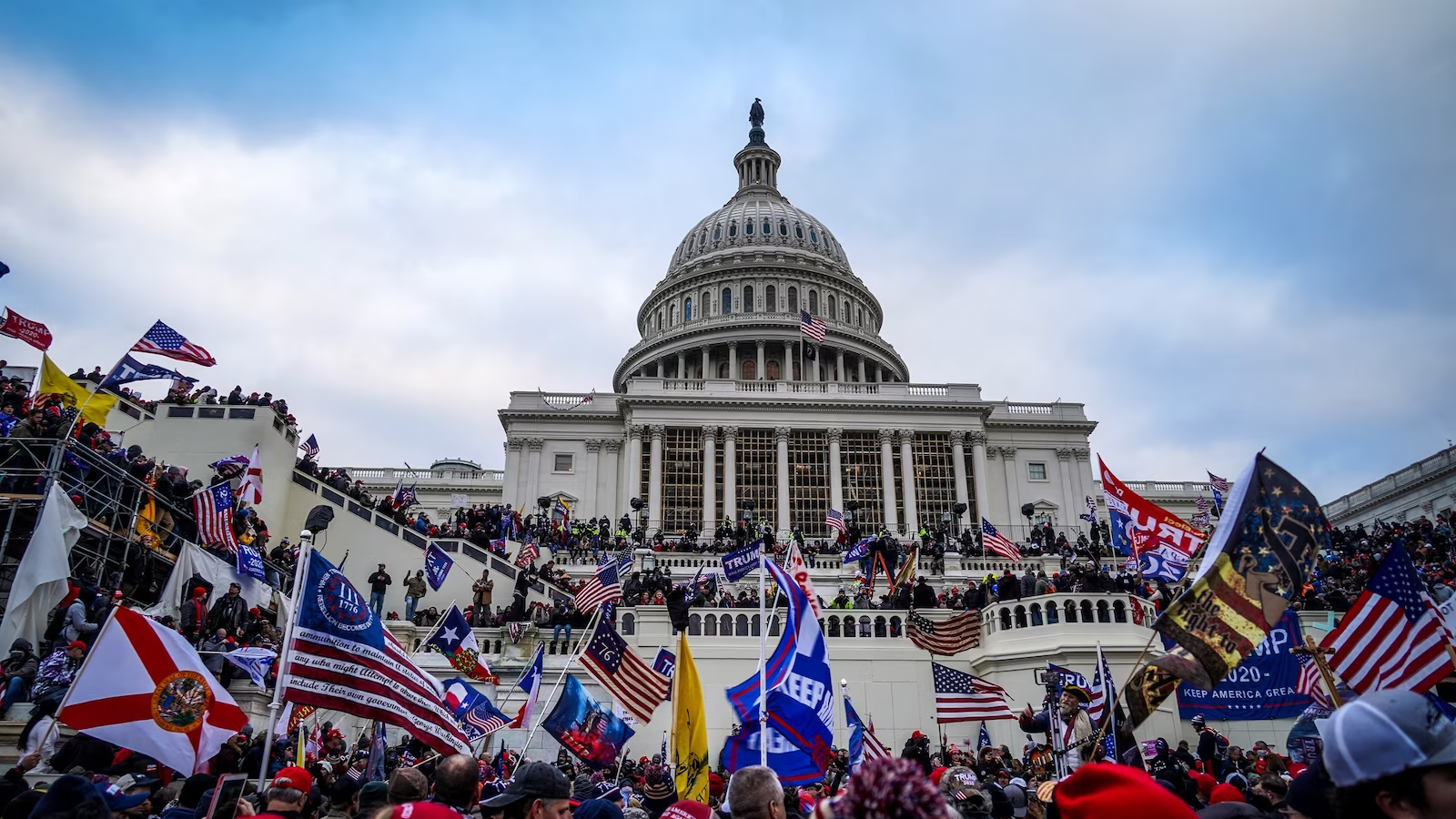
An independent probe by Justice Department Inspector General Michael Horowitz found no evidence that federal agents incited the January 6 Capitol attack, countering claims by far-right figures. The report confirmed the presence of 26 FBI informants in Washington, D.C., but none were instructed to join or encourage the assault. The FBI was criticized for not fully canvassing field offices for intelligence before the event, though it took significant preparatory steps. Over 1,500 people have been charged in connection with the attack.
A recent study explored the potential of AI chatbots to help debunk conspiracy theories by engaging believers in conversations that present factual evidence. The study, involving over 2000 participants, found that AI could effectively challenge and change some conspiracy beliefs, with an average belief reduction of 20%. The AI's ability to provide context and information without the emotional stakes of human interaction was key to its success. However, concerns remain about AI's potential to generate false information, though the study found minimal inaccuracies in the chatbot's responses.
In Pokémon TCG Pocket, players can choose from three Genetic Apex Booster Packs: Mewtwo, Charizard, and Pikachu. Despite conspiracy theories suggesting that packs with curled foil sections might contain rarer cards, investigations reveal that the cards are predetermined once a pack type is selected, not by the carousel choice. Thus, the choice of pack from the carousel does not affect the card outcome, debunking the theory that bent packs yield better cards.
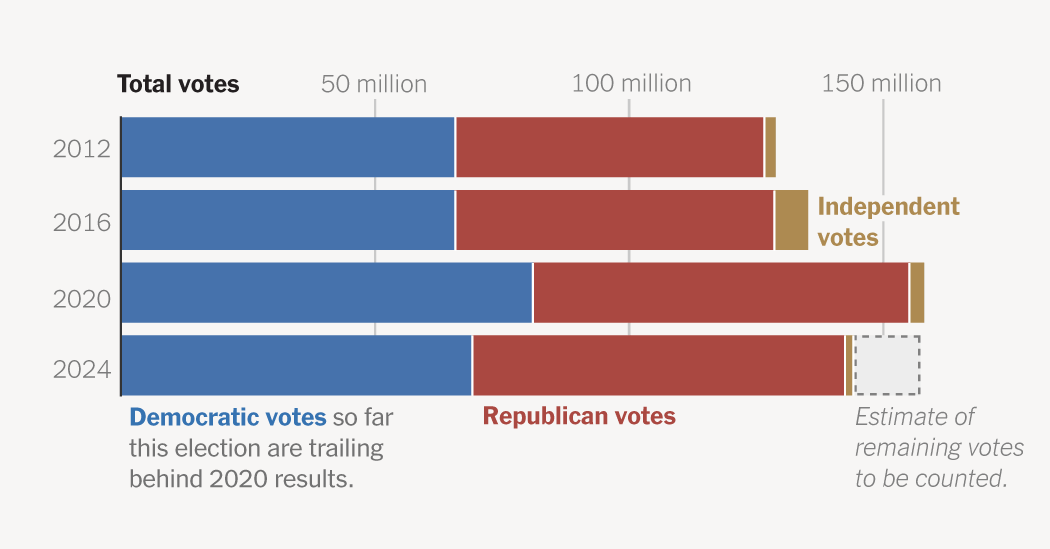
A noticeable decline in Democratic votes has sparked conspiracy theories across the political spectrum, with both left and right factions speculating on potential causes and implications for future elections.
Kimberly Zapata, a former Milwaukee election official, was convicted of absentee ballot fraud and misconduct in office after generating three ballots under fictitious military members' names and sending them to a leading election denier in the state legislature. Zapata claimed she did it to highlight a vulnerability in Wisconsin's voting system amid frustration with false election claims and threats. The incident occurred in the aftermath of baseless election conspiracy theories and concerns about the state's online absentee ballot request system.
Ray Epps, a Jan. 6 defendant, was sentenced to probation after pleading guilty to a misdemeanor count for his involvement in the Capitol riot. Epps, who faced threats due to false claims that he was a government operative, was described as unfairly scapegoated by prosecutors and the judge. Despite the government seeking a prison sentence, Epps was sentenced to a year of probation and 100 hours of community service. He expressed remorse for his actions and plans to advocate against election denialism, while also suing Fox News for spreading conspiracy theories about him.
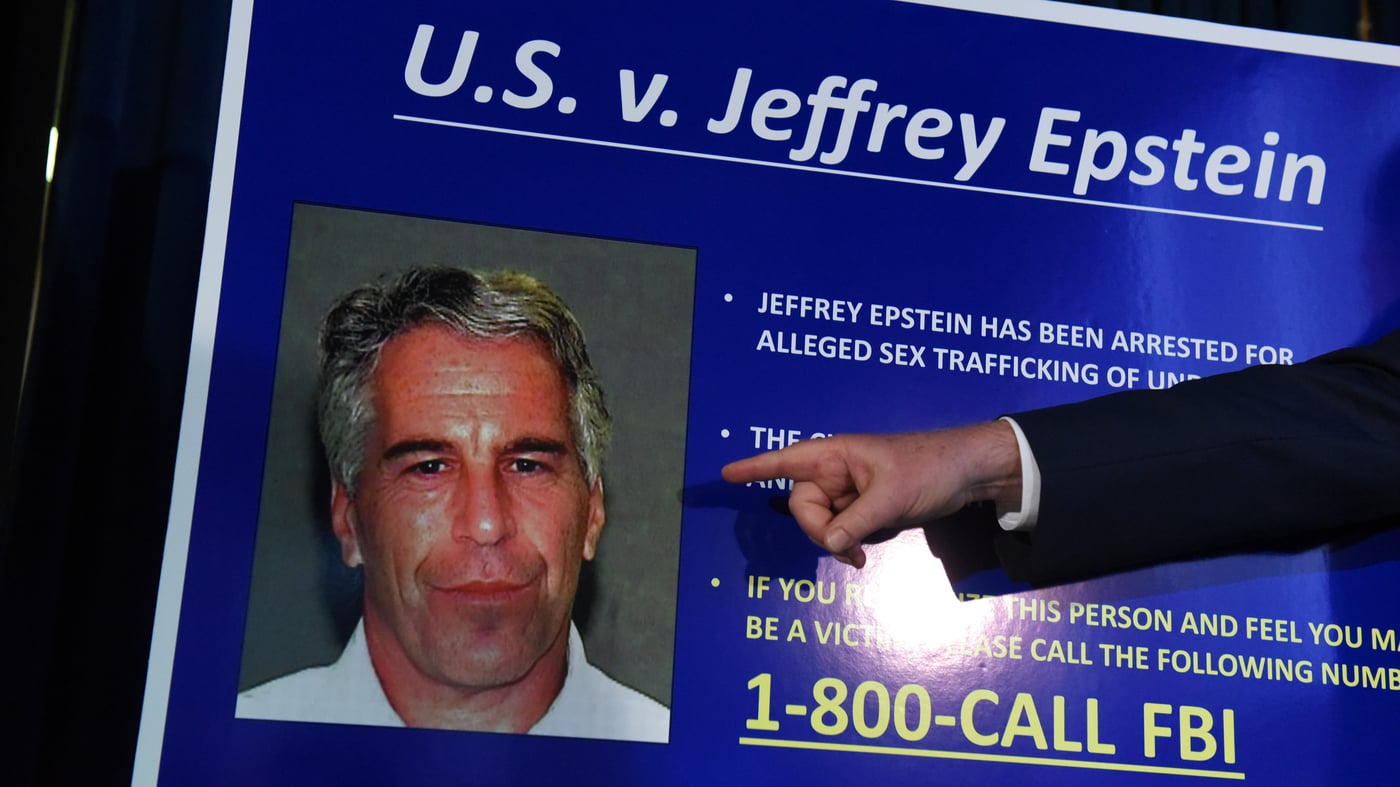
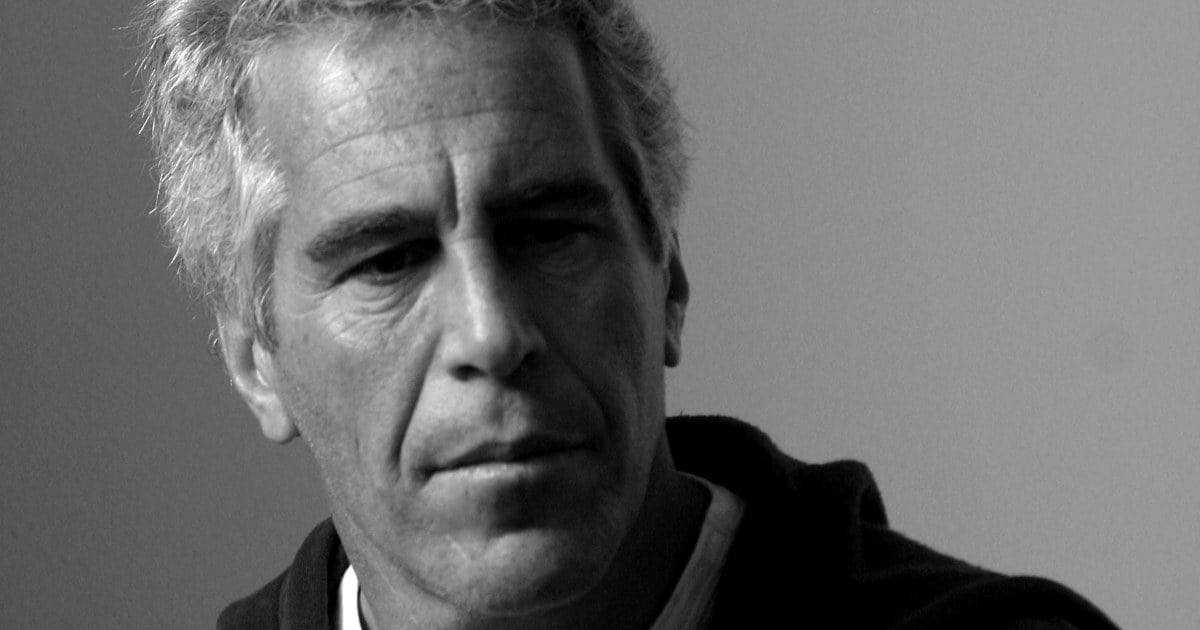
The release of new court records related to Jeffrey Epstein has sparked a resurgence of conspiracy theories, with some making unfounded connections to high-profile figures and events. Despite Epstein's death by suicide in 2019, his association with influential people continues to fuel speculation and various unfounded narratives across the ideological spectrum. Researchers highlight the persistent nature of conspiracy theories and their potential to detract from constructive political engagement, citing the January 6 Capitol riot and COVID-19 vaccine resistance as examples of conspiracy theories influencing real-world events.
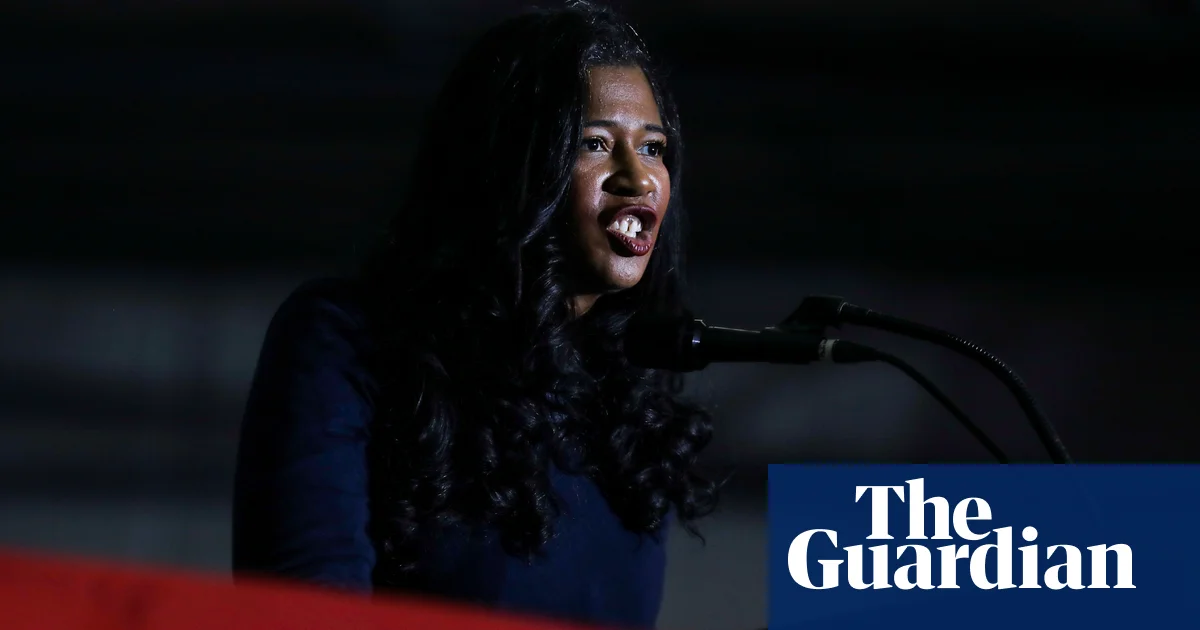
The Michigan Republican Party is poised to remove chair Kristina Karamo, known for promoting conspiracy theories and election denial, due to her divisive leadership and financial mismanagement. Karamo's tenure has seen internal conflicts and a decline in party finances, prompting a majority of district chairs to demand her resignation. The party's internal strife and Karamo's extreme views have raised concerns about the GOP's competitiveness in upcoming elections, especially with Michigan being a key battleground state. The move to oust Karamo reflects deeper divisions within the party, as it struggles to reconcile the rise of Christian nationalism and maintain unity among its members.
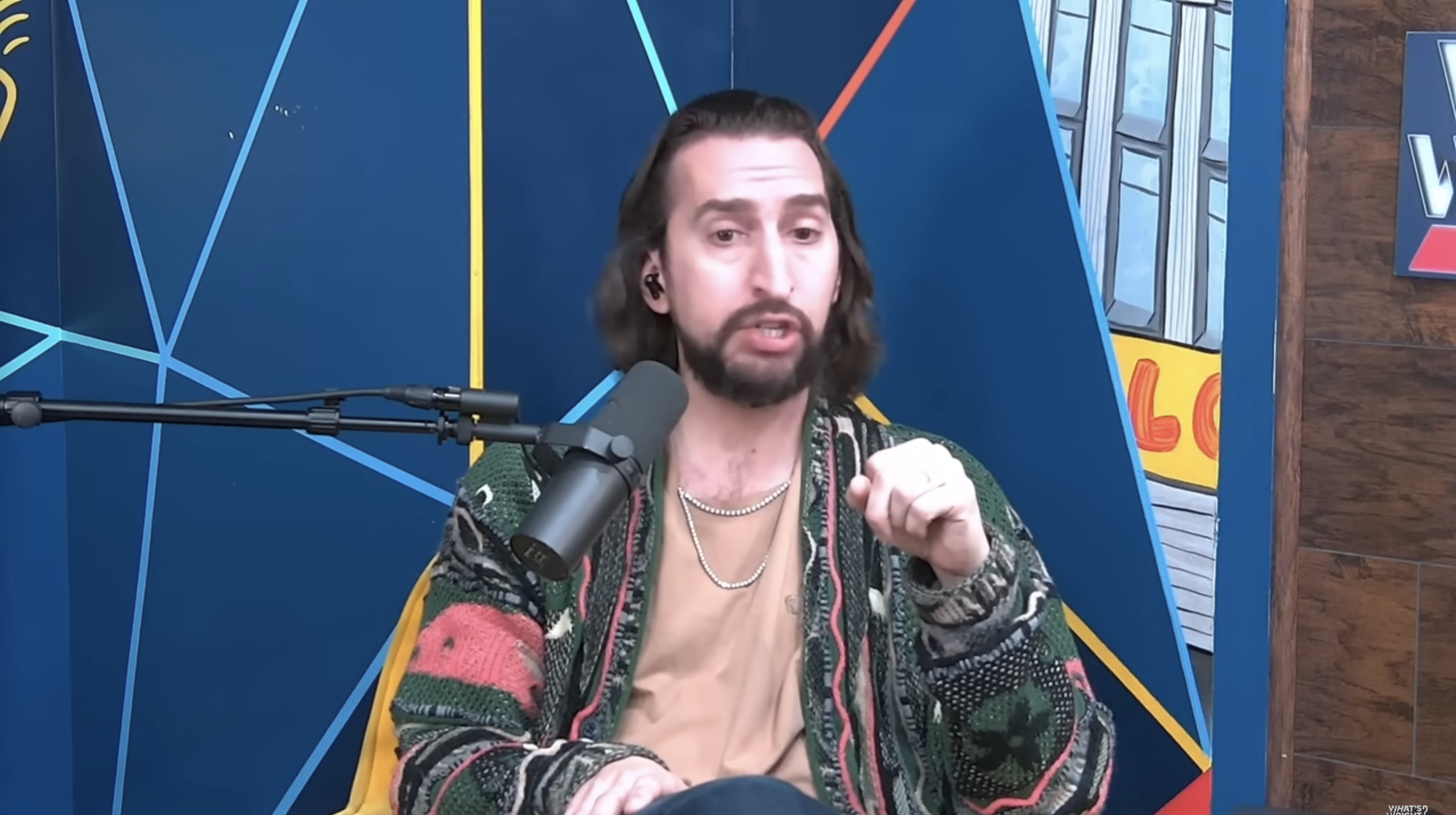
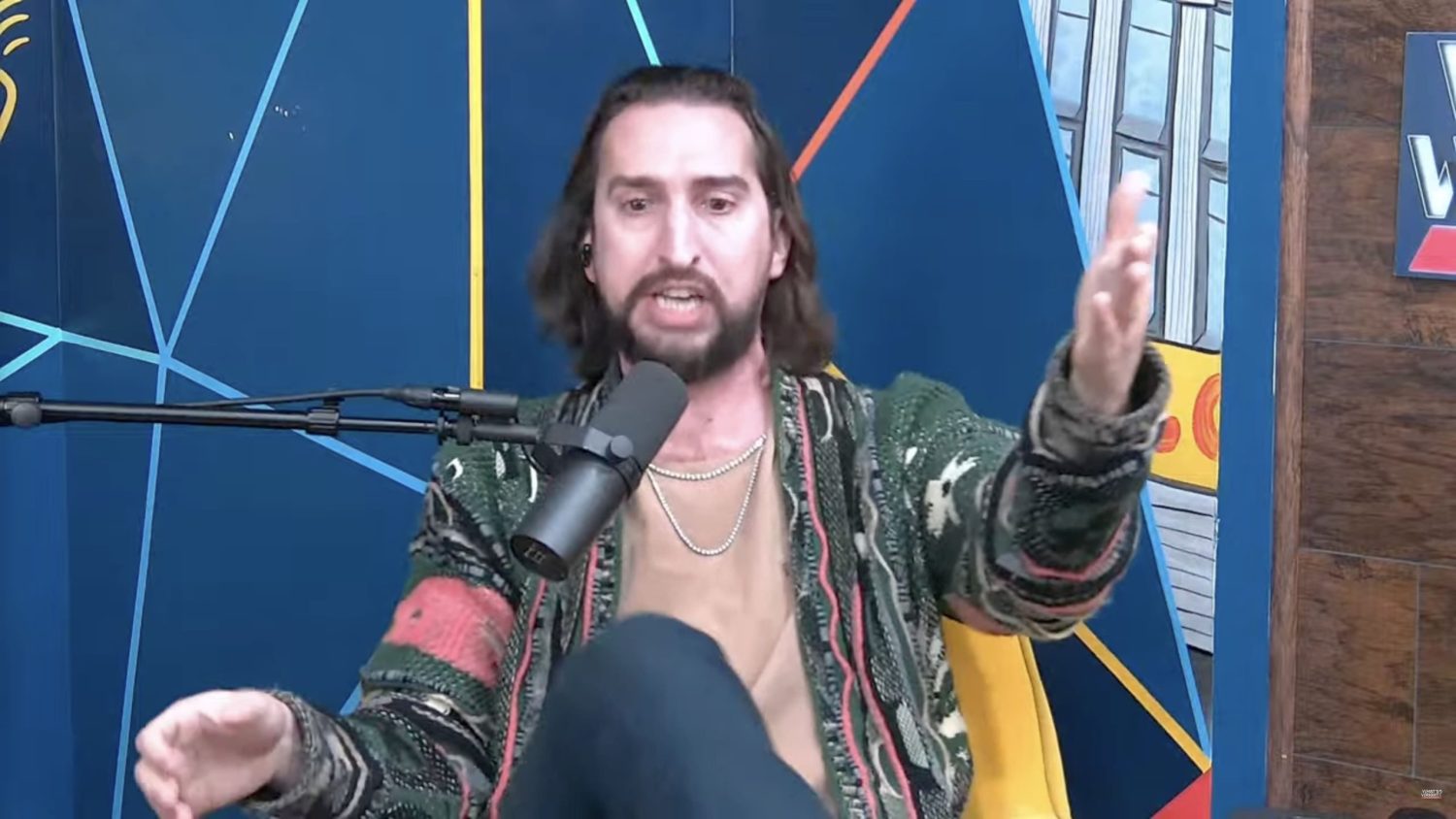
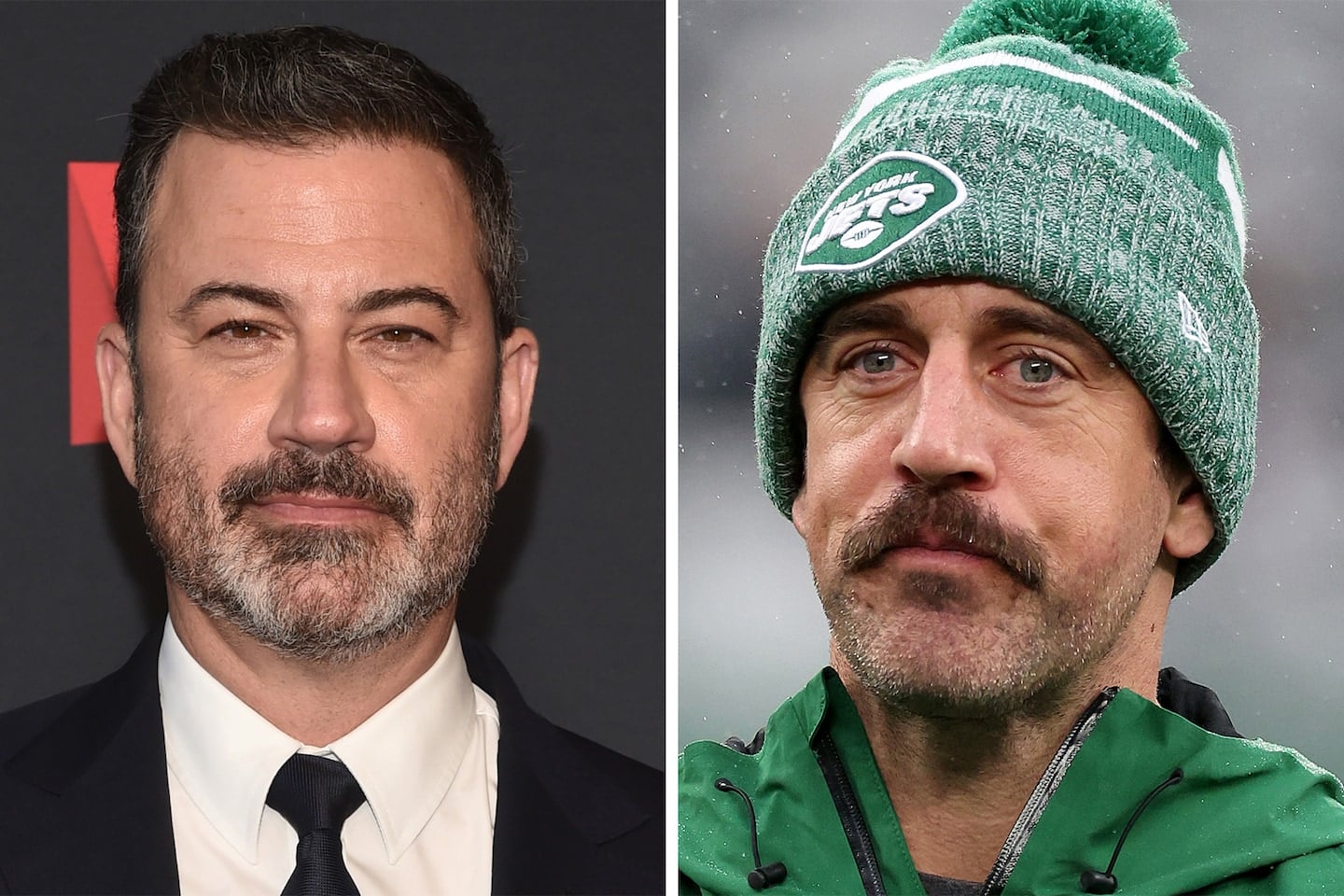
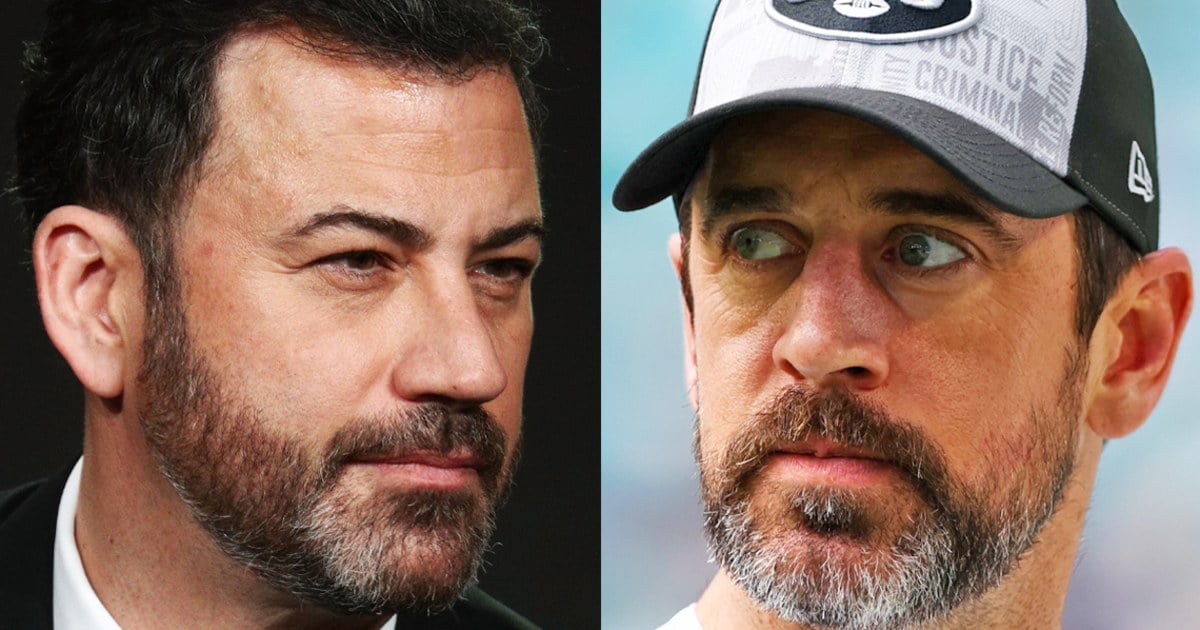
Fox Sports pundit Nick Wright criticized Aaron Rodgers for suggesting on The Pat McAfee Show that Jimmy Kimmel might be named in the Jeffrey Epstein documents, calling Rodgers a "malignant force in the culture." Kimmel threatened to sue for defamation, and McAfee later apologized, claiming Rodgers was joking. Wright condemned Rodgers for spreading conspiracy theories and for using a term that attacks the LGBTQ community, emphasizing the negative impact of Rodgers' platform and influence.
The release of documents from a lawsuit involving Jeffrey Epstein has sparked renewed online speculation and conspiracy theories, despite containing few new details. Social media users have been dissecting the documents, often taking names mentioned out of context, leading to unfounded accusations against various public figures. Experts warn that this misrepresentation of information can be dangerous, skewing the public's understanding of the case and potentially harming the fight for justice for Epstein's victims. The case continues to be a focal point for conspiracy theorists and a political tool in partisan debates, with both supporters and critics of former President Donald Trump interpreting the documents to support their beliefs.
Nick Wright, on his podcast "What’s Wright?," criticized Aaron Rodgers for becoming a "malignant dangerous force" after Rodgers suggested on The Pat McAfee Show that Jimmy Kimmel could be linked to Jeffrey Epstein. Wright condemned Rodgers for spreading dangerous conspiracy theories and misinformation, including misusing the term "alphabet gangsters," which is an insult directed at the LGBTQ community. Rodgers' actions have led to false accusations against Kimmel online, and Wright emphasized the severity of such baseless claims. Wright's comments highlight the broader issue of influential figures using their platforms to propagate unfounded theories.
Jimmy Kimmel has threatened legal action against NFL star Aaron Rodgers after Rodgers implied Kimmel might be on Jeffrey Epstein's associate list during an appearance on the "Pat McAfee Show." Kimmel denied any connection to Epstein and accused Rodgers of endangering his family with such claims. This dispute adds to their ongoing feud, which includes previous clashes over Rodgers's stance on COVID-19 vaccines and his promotion of conspiracy theories. Rodgers's controversial comments have been a recurring theme on McAfee's show, where he has been paid over $1 million for his appearances.
Jimmy Kimmel has responded to Aaron Rodgers' insinuations that Kimmel might be named in Jeffrey Epstein's court documents by threatening legal action. Rodgers made the comments on "The Pat McAfee Show," implying that Kimmel, among others, would not want the documents to be released. Kimmel denied any connection to Epstein and accused Rodgers of endangering his family with his remarks. The documents in question are expected to reveal names that are not necessarily linked to salacious behavior, with many already public from other filings or the Ghislaine Maxwell trial.