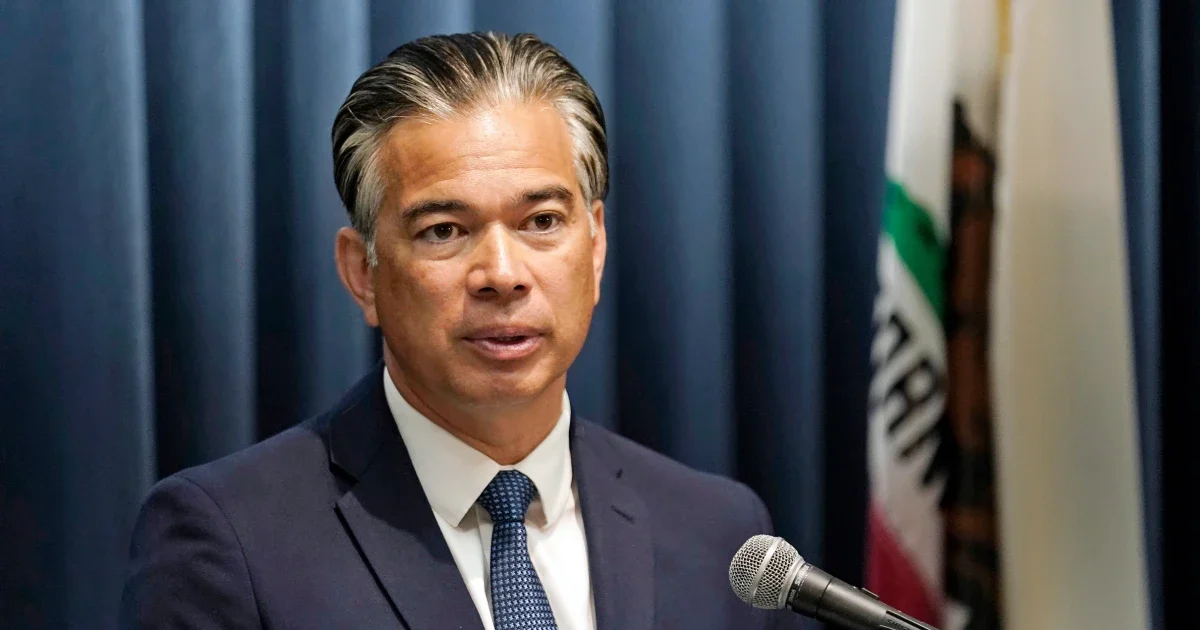
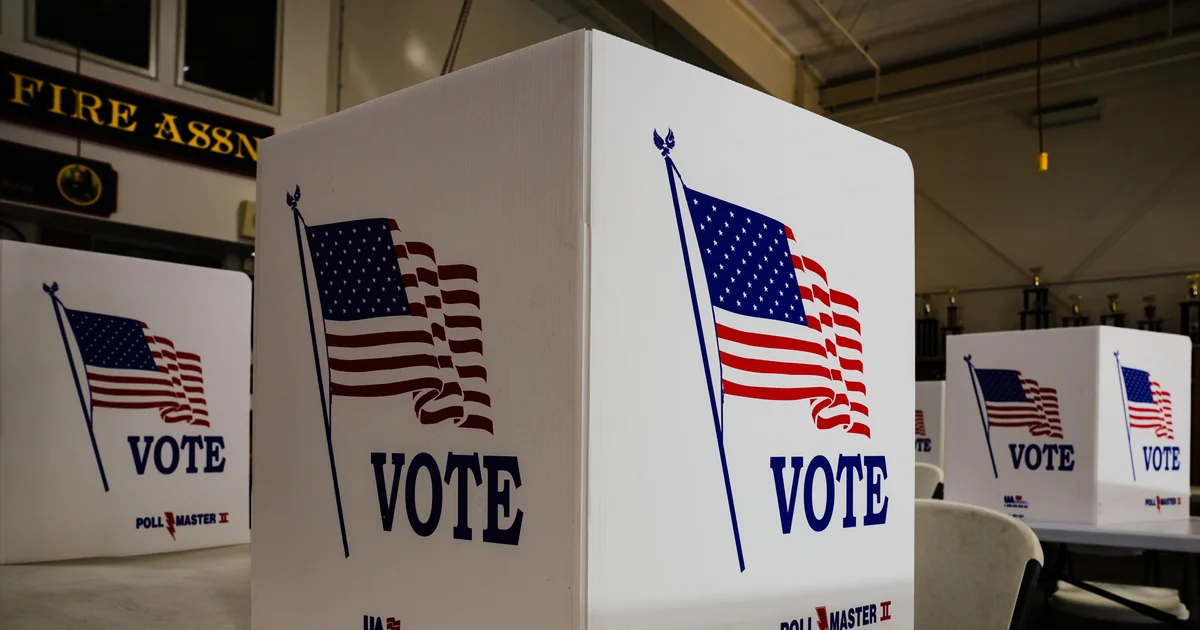
California will send its own observers to monitor federal election watchers deployed by the Justice Department in response to concerns about election interference and voter suppression, especially amid ongoing redistricting battles and political tensions.
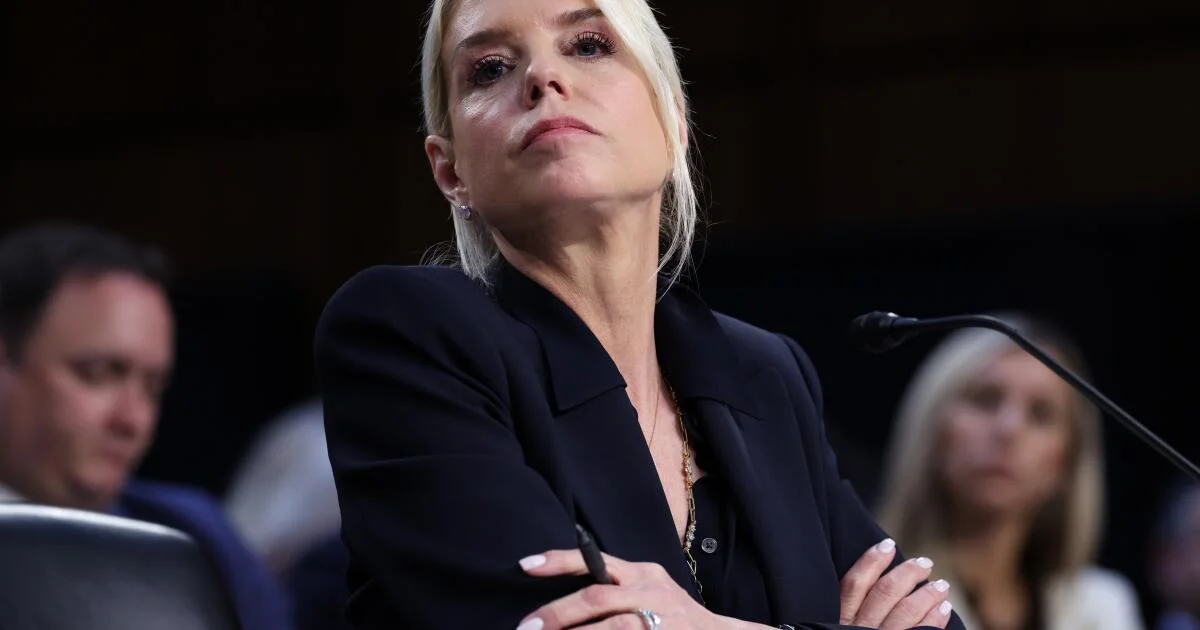
The DOJ plans to send election monitors to California and New Jersey following requests from GOP parties, aiming to ensure transparency and security amid closely watched elections, despite opposition from some Democrats who see it as interference.
The U.S. Department of Justice will monitor polling sites in five California counties during the November election, focusing on Proposition 50, amid accusations from California officials of federal overreach and potential voter suppression. The move aims to ensure election transparency and legality, but has been criticized as an intimidation tactic, especially since most voters mail in ballots. California officials and politicians have expressed confidence in the state's election security, while some Republicans have raised concerns about irregularities and the political implications of the monitoring.
The U.S. Department of Justice announced it will monitor polling sites in six jurisdictions, including California and New Jersey, to ensure election transparency, security, and compliance with federal voting laws ahead of the November 2025 election.
Republican-led states like Florida, Texas, and Missouri are resisting the Justice Department's plan to send election monitors to polling places, a practice aimed at ensuring compliance with federal voting laws. Missouri and Texas have filed lawsuits to block federal monitors, citing state laws that restrict who can be present at polling sites. The Justice Department, which has monitored elections for decades, argues that its presence is necessary to protect voting rights, including those of people with disabilities. The issue arises amid a tight presidential race and potential legal challenges to vote counts.
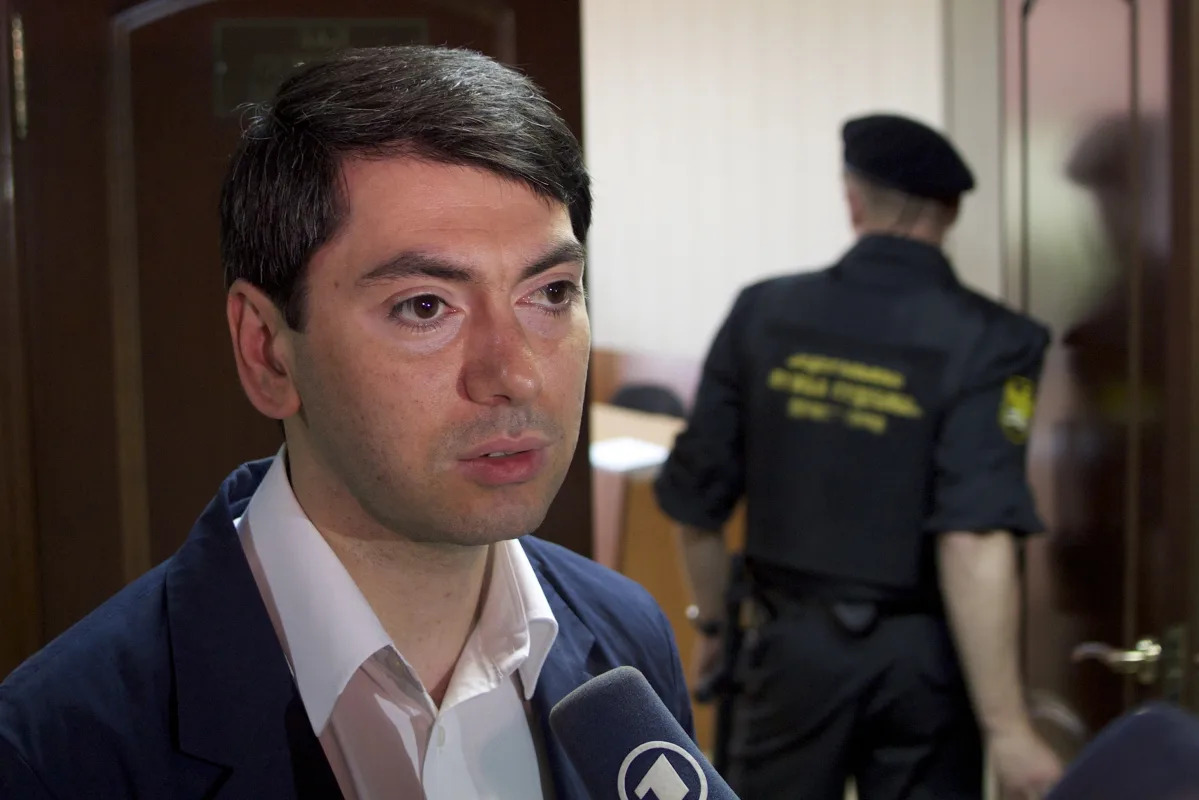
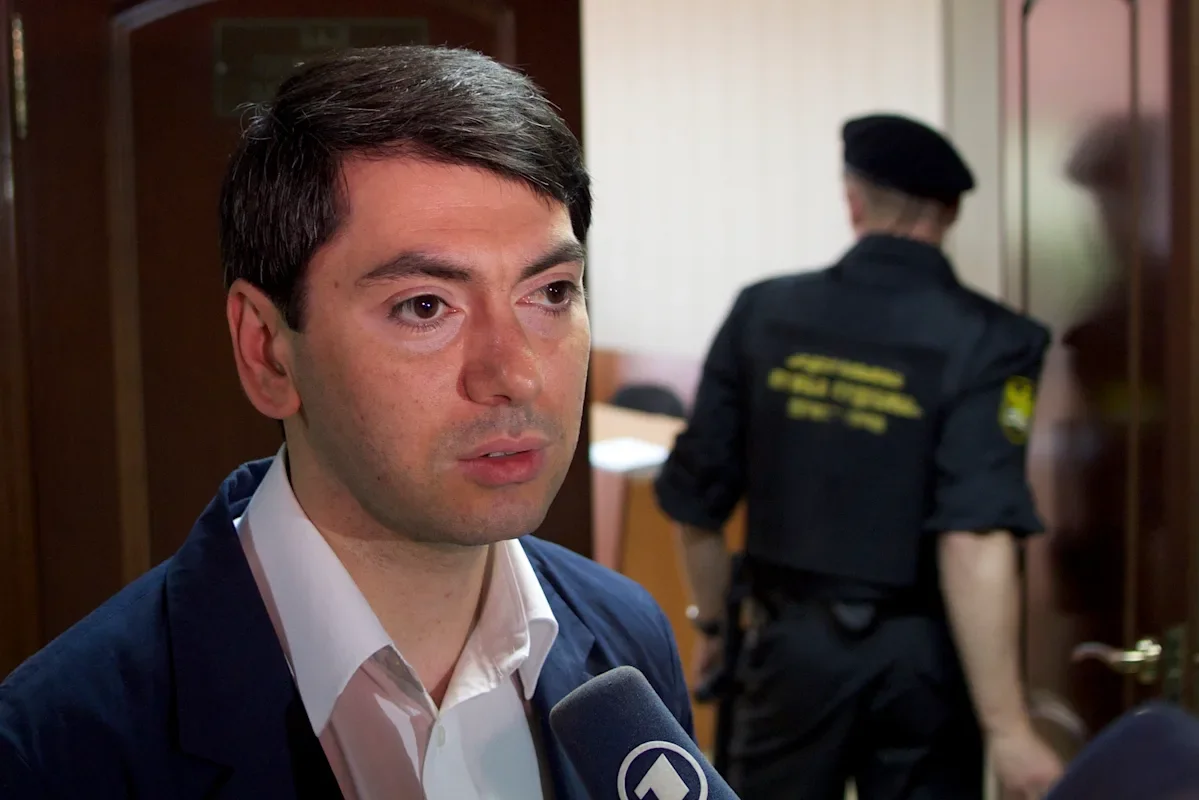
The head of Russia's last independent election-monitoring campaign group, Grigory Melkonyants, has been arrested and detained, along with 14 of his associates, as part of a major crackdown on democratic bodies by the Kremlin. Melkonyants faces a maximum sentence of six years in prison for allegedly working with "undesirable" international organizations. In addition, the Moscow City Court has liquidated the human rights group Sakharov Center, citing violations of the law. These actions are seen as an attempt to stifle the activities of these organizations and further restrict civil society and free media in Russia.
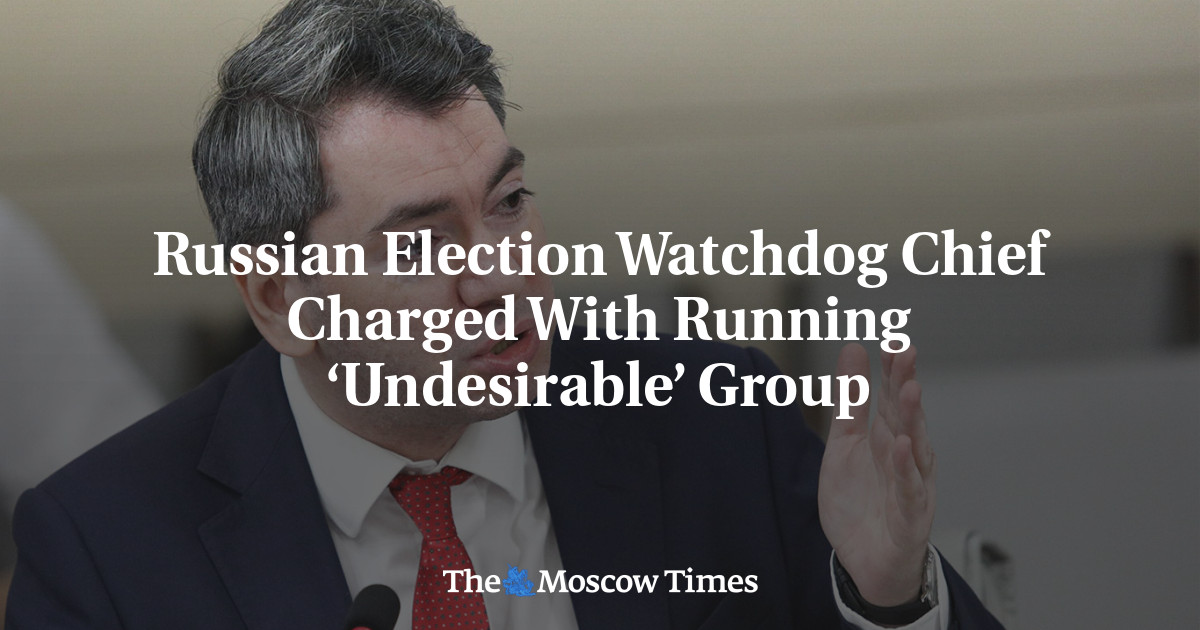
Russian authorities have charged Grigory Melkonyants, co-chair of independent election monitoring group Golos, with involvement in an "undesirable" organization, marking the latest crackdown on Kremlin critics and rights activists. Melkonyants faces up to six years in prison. Golos, which has faced increasing pressure over the years, was once a member of the European Network of Election Monitoring Organizations, declared "undesirable" in Russia in 2021. The group's members' homes were raided, and Golos sees the pressure as an attempt to stifle their activities ahead of upcoming regional and presidential elections. The Russian government has intensified its crackdown on independent journalists, activists, and opposition figures, shutting down news outlets, labeling them as "foreign agents," and imposing fines on social media platforms for allegedly false information.
Russian authorities have launched a criminal investigation into Grigory Melkonyants, a leader of independent election monitoring group Golos, on charges of "organizing activities" of an "undesirable" group, punishable by up to six years in prison. The crackdown on Kremlin critics and rights activists has intensified following the conflict in Ukraine, with Golos facing increased pressure. The group, once a member of the European Network of Election Monitoring Organizations, was raided along with the homes of 14 members. Golos has been designated as a "foreign agent" and liquidated as an NGO in the past, but continues to operate, exposing election violations. The government's actions are seen as an attempt to stifle their activities ahead of upcoming regional and presidential elections. The Russian authorities have also targeted independent journalists, activists, and social media platforms, imposing fines and criminal charges.
Russian authorities have charged Grigory Melkonyants, the co-chair of independent election monitor Golos, for running an "undesirable" organization. Law enforcement conducted searches at the homes of Melkonyants and 14 of his colleagues in multiple Russian regions. Golos has not been officially recognized as an "undesirable" organization, but it has been labeled a "foreign agent" by Russia's Justice Ministry. The charges come ahead of upcoming elections in Russia and occupied Ukrainian territories, which Golos has predicted to be one of the least competitive in years.