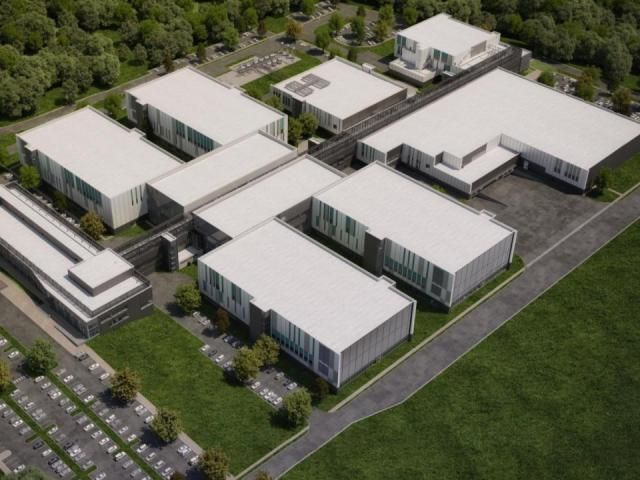
Fujifilm Diosynth Biotechnologies plans to create 680 high-paying jobs and invest an additional $1.2 billion in its Holly Springs campus, expanding its biomanufacturing facilities. The expansion, supported by economic incentives, aims to boost the production of biological medicines and is expected to bring the company's total investment in the site to over $3.2 billion by 2031, with an economic impact of $4.76 billion. This move highlights North Carolina's strength as a biotech hub and its efforts to attract Japanese companies, with Fujifilm Diosynth being a subsidiary of Tokyo-based Fujifilm. The state's ties with Japan are growing, with Japanese companies making significant investments in North Carolina, and the visit of Japanese Prime Minister Fumio Kishida aims to further strengthen economic partnerships.
Georgia Republicans have passed a bill aimed at punishing employers that voluntarily recognize unions by barring them from receiving state economic incentives, in an effort to discourage the "card check" process. The legislation, which is likely to face legal challenges, is part of a broader GOP effort to hinder union activity amid an increase in organizing and work stoppages. Critics argue that the bill violates federal labor law and attacks the fundamental freedoms of both workers and employers, while proponents claim it prevents intimidation and abuse during unionization processes.
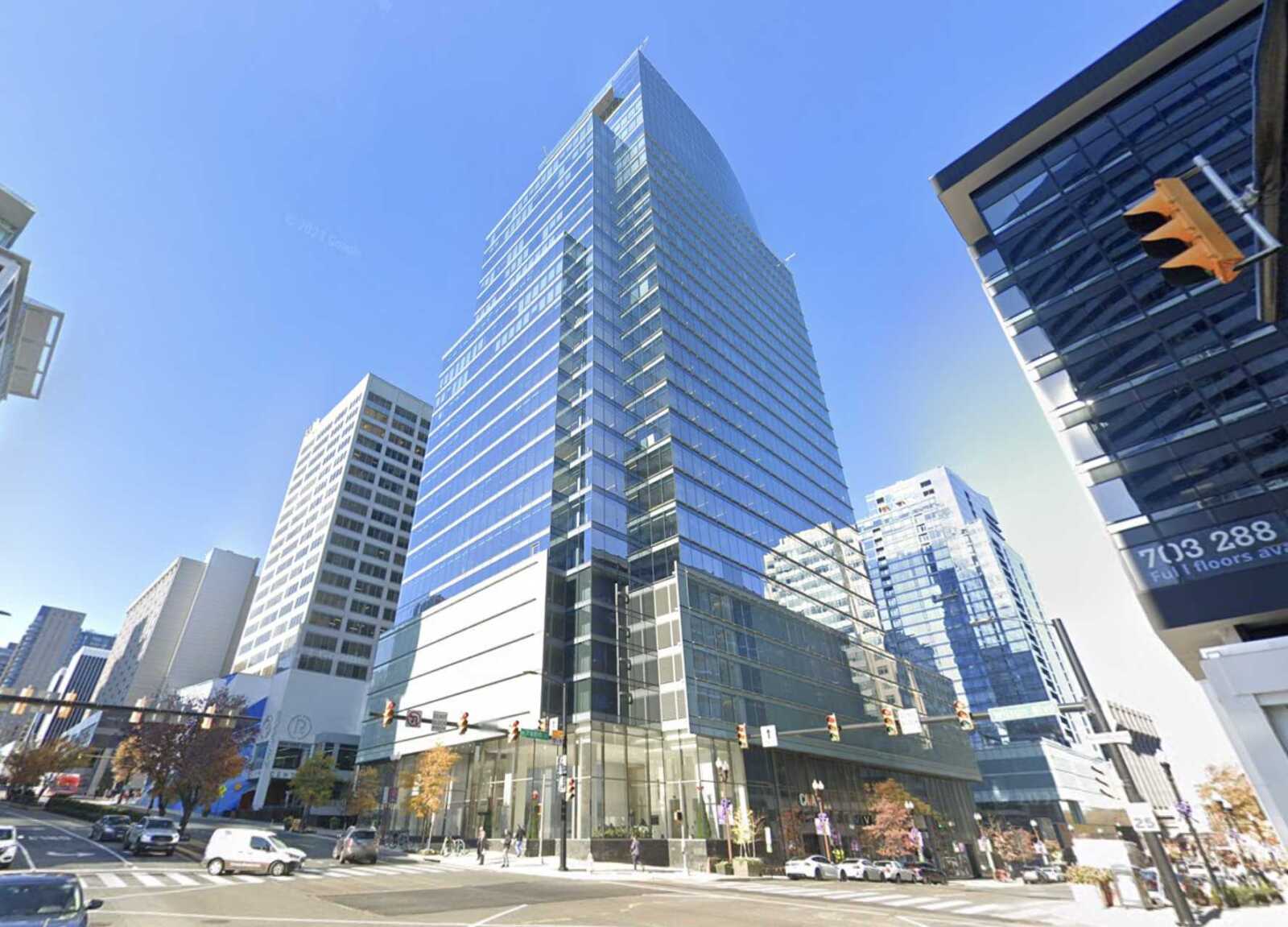
CoStar Group, a leading global provider of online real estate marketplaces, information, and analytics, will be moving its corporate headquarters from D.C. to the Central Place building in Rosslyn, Arlington. The move will bring 650 employees to the new HQ, adding to the area's vitality. CoStar will receive nearly $5 million in state economic incentives and pay Arlington County nearly $14 million for exclusive use of the "View of D.C." observation deck. The company's move continues Arlington's winning streak in attracting major corporate headquarters, and the funds from the deal will accelerate proposed changes to nearby Rosslyn Gateway Park by a decade.
India-based company Epsilon Advanced Materials plans to build a $650 million manufacturing plant for electric vehicle (EV) battery materials near Wilmington, North Carolina. The plant aims to produce 50,000 tons per annum of graphite anode, enough to power 1.1 million EV sedans annually. Epsilon's goal is to localize the supply chain and reduce reliance on China, with their technology offering a 75% lower carbon footprint. The project is expected to create 500 clean energy jobs and receive over $33 million in state and local incentives. Groundbreaking is scheduled for 2024, with production starting in 2026.
The city of Topeka, Kansas, is offering economic incentives through the Choose Topeka program to attract new residents and workers, including Latino and immigrant families. Participants can receive up to $15,000 if they rent or buy homes in the city and are employed by local businesses partnering with the program. The incentives are not available for undocumented immigrants. The program, funded by the city and participating businesses, aims to support employers, promote economic development, and has brought almost 100 individuals and families to Topeka. It has recently been expanded to support veterans, recent graduates, and former residents returning to the city.
The city of Boston will launch a pilot program offering a property tax discount of up to 75 percent for developers who convert underutilized downtown office buildings into residential units. The program aims to address the challenges and costs associated with office-to-residential conversions, which have become more prevalent due to the struggling commercial office sector and soaring housing costs. Converted buildings must meet affordable housing requirements, energy efficiency standards, and developers are encouraged to keep ground floors open for retail or public use. The program will accept applications until June 2022, with construction required to start by October 2025.