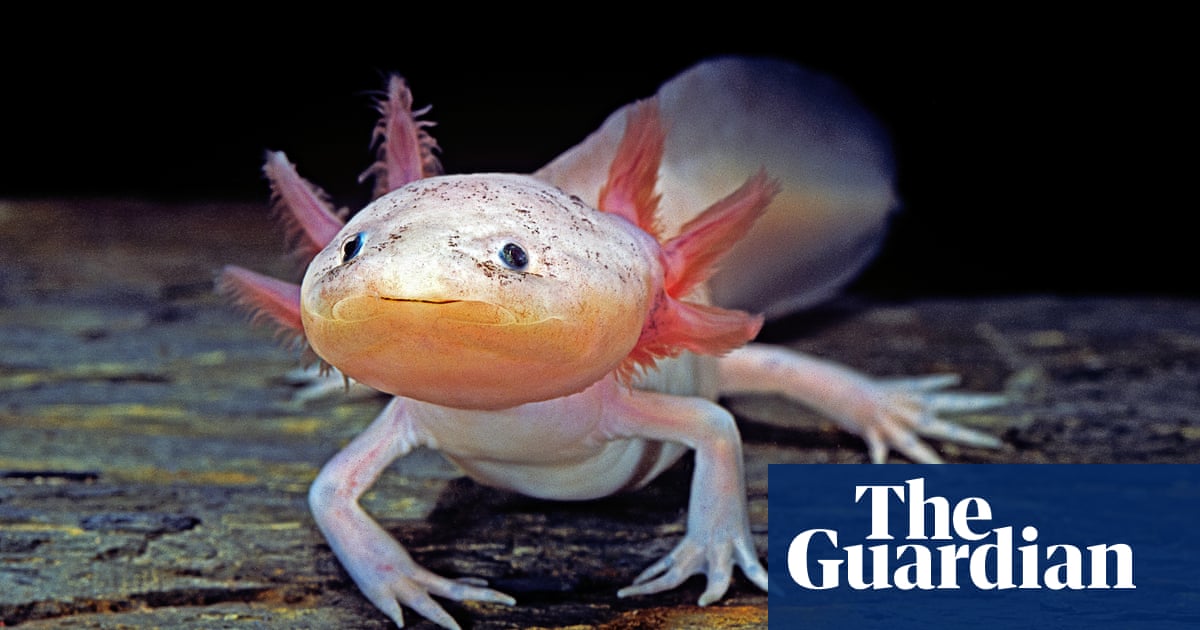
Ecologists from Mexico's National Autonomous University have relaunched a fundraising campaign called Adoptaxolotl to support conservation efforts for the endangered axolotl, a fish-like salamander. The campaign allows people to virtually adopt an axolotl and receive live updates on its health. The population density of axolotls in their main habitat has declined by 99.5% in under two decades. Last year's campaign raised funds for captive breeding and habitat restoration. However, there is still a lack of resources for comprehensive research and monitoring. Axolotls face threats from water pollution, amphibian fungus, and non-native rainbow trout. Urgent action is needed to save these unique creatures.
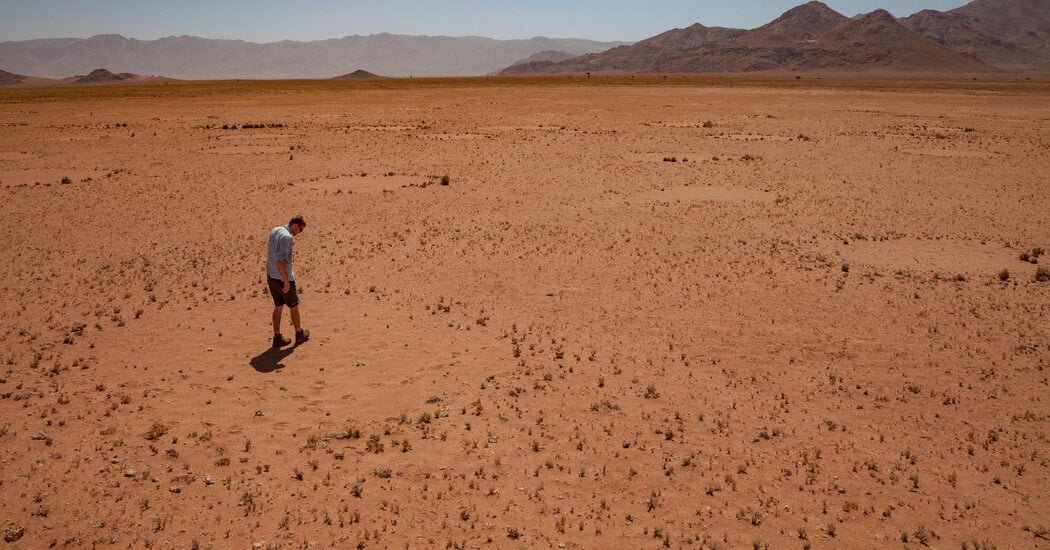
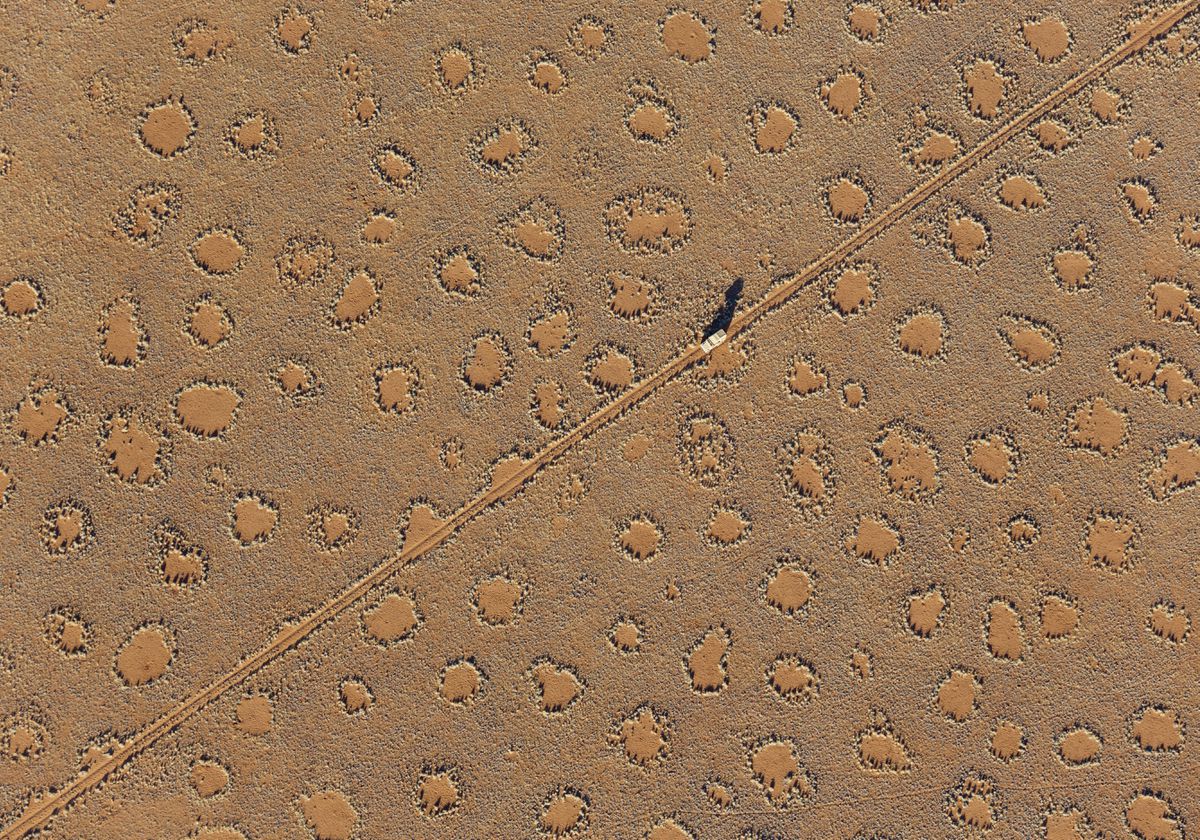
Satellite imagery has revealed that fairy circles, the mysterious polka-dot-like patterns of barren earth found in the Namib Desert and Australian outback, may exist in up to 263 sites across 15 countries on three continents. Researchers from the University of Alicante in Spain used a pattern-recognition model trained with images of known fairy circles to identify potential locations in dryland habitats around the world. However, some experts argue that field work is needed to confirm whether these newly identified circular, bare patches are true fairy circles. The findings have sparked debate among scientists about the definition and distribution of fairy circles.
Spanish researchers have discovered dozens of fairy circles, circular patches of barren land encircled by vegetation, in arid areas across the globe. Using an artificial intelligence system, the researchers created the first global atlas of fairy circles and found them in 265 sites across 15 countries on three continents. The circles form in near-uniform hexagonal patterns and are more common than previously thought. They appear in sandy regions with water scarcity, low rainfall, and low nutrient content in the soil. While termites may play a role in some cases, other factors are considered more important. Further fieldwork is needed to unravel the mystery.
Ecologists in Australia are urging the government to cull kangaroos to prevent a catastrophic die-off due to overpopulation. Kangaroos have a boom and bust population cycle, and when food is scarce, they can starve to death. Shooting and harvesting the meat of kangaroos is seen as a humane way to control their numbers. While animal rights activists have denounced the commercial cull, researchers argue that it is necessary to prevent the animals from suffering. The kangaroo population in Australia is expected to boom in the coming years due to favorable weather conditions.