Tag

Earthscience

All articles tagged with #earthscience

science1 year ago

Magnetic North Pole's Unprecedented Shift Towards Russia Stuns Scientists

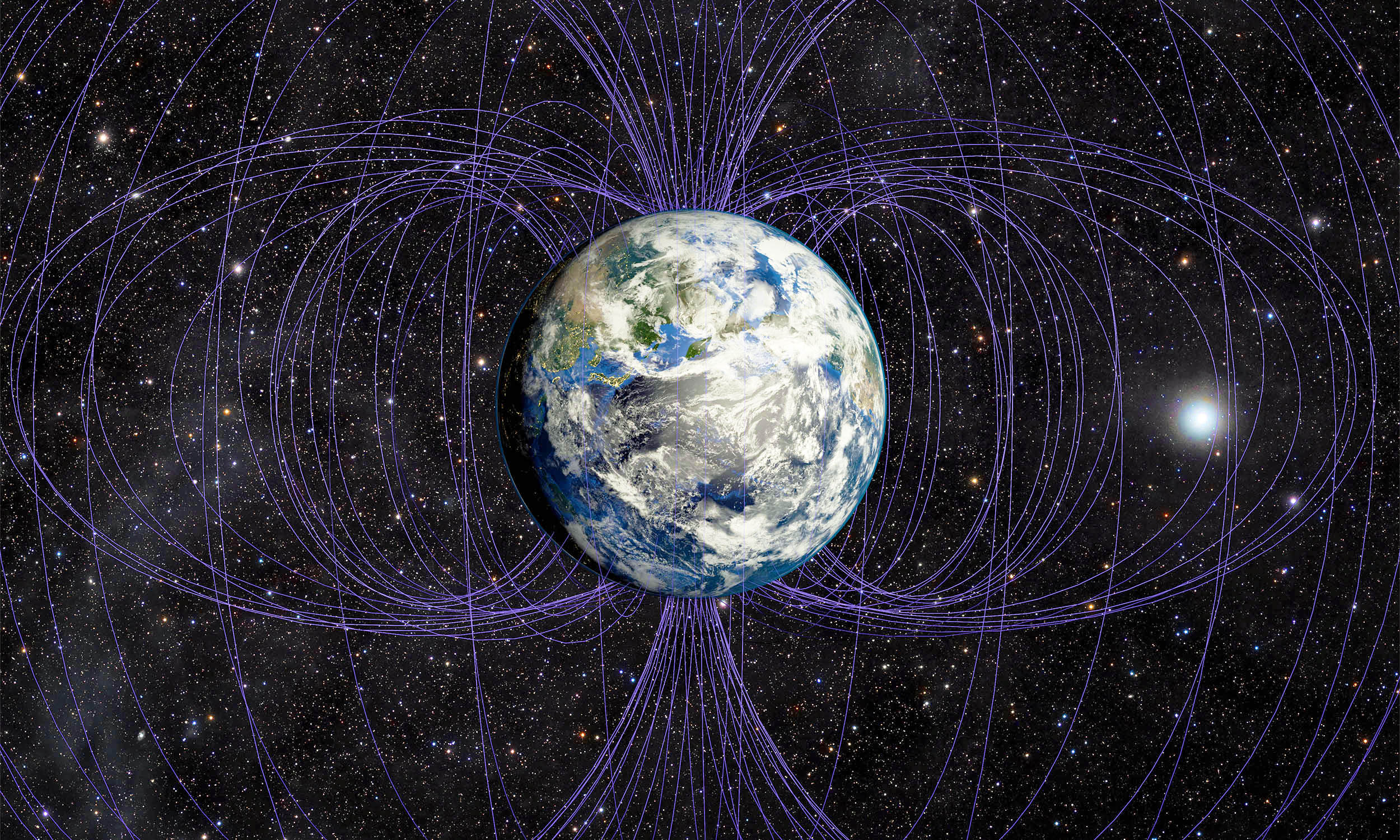
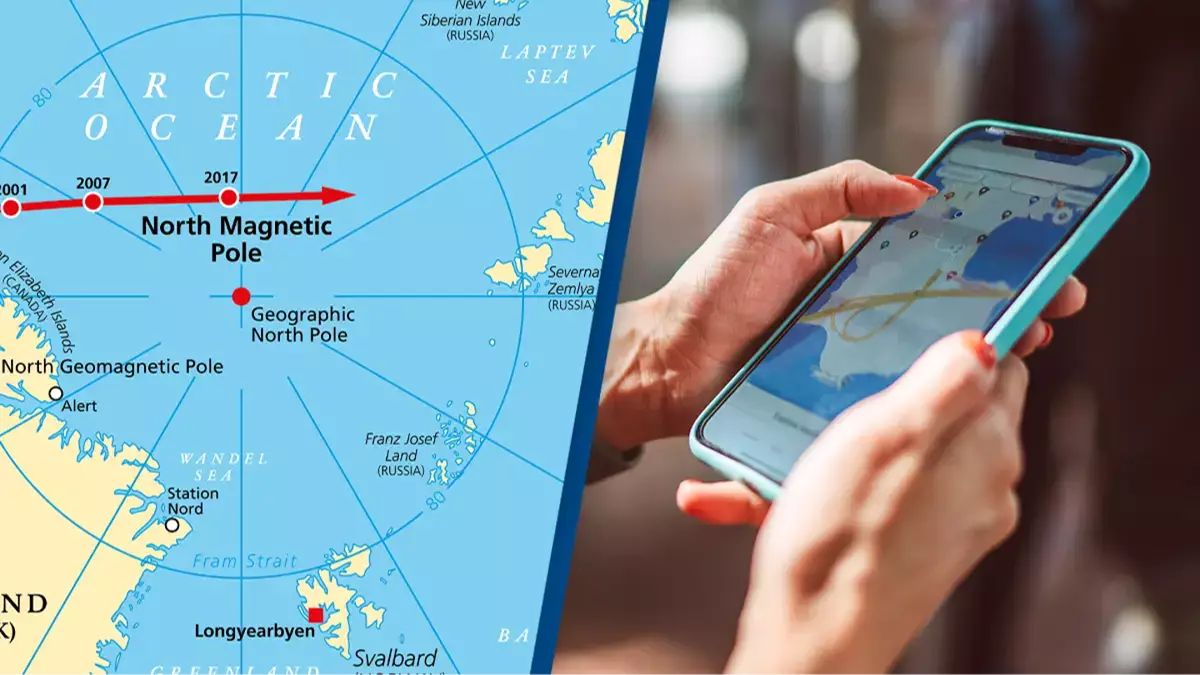
The magnetic North Pole is moving towards Russia at an unprecedented speed, raising concerns about its impact on navigation systems and technology. This rapid shift, influenced by changes in Earth's molten core and solar interactions, could disrupt devices reliant on magnetic orientation. Scientists are monitoring the situation closely, as it may also indicate a potential magnetic pole reversal, which could expose Earth to increased cosmic radiation. Efforts are underway to update navigation models and understand the underlying geodynamic processes.
science1 year ago

Magnetic North Pole's Rapid Shift Towards Russia Baffles Scientists

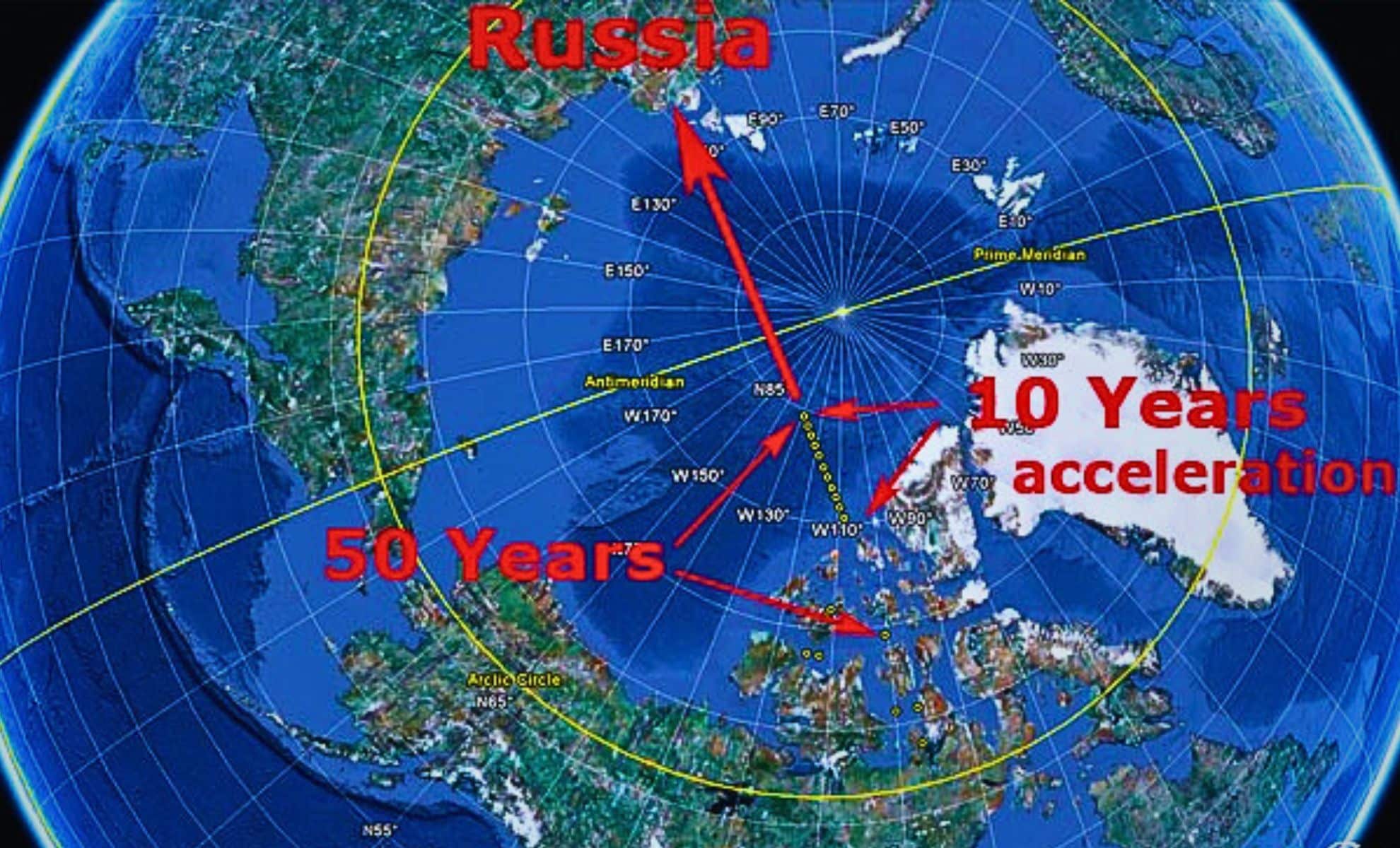
The Earth's North Magnetic Pole is shifting towards Russia at an unprecedented rate, posing potential risks to modern navigation systems reliant on magnetic orientation, such as smartphones and GPS devices. This rapid movement, now at 25 km/year, is linked to changes in Earth's outer core dynamics and solar activity, raising concerns about a possible pole reversal. Efforts to mitigate risks include frequent updates to the World Magnetic Model and increased research on Earth's core dynamics.

science1 year ago

Magnetic North Pole's Unprecedented Shift Towards Russia May Impact Smartphones

The Earth's magnetic North Pole is moving from northern Canada towards Russia at an unprecedented speed, which could impact smartphone navigation systems. This movement is due to changes in the Earth's molten iron core and is part of a natural process that has seen nearly 200 pole switches in the last 100 million years. The World Magnetic Model, used in various technologies, helps adjust for these changes to maintain accurate navigation.

science1 year ago

Magnetic North Pole's Unprecedented Shift Towards Russia Baffles Scientists

The Earth's magnetic North Pole, which has been drifting towards Russia since the 19th century, is now moving at a slower pace, baffling scientists. This shift, caused by the movement of molten iron beneath the Earth's crust, has implications for navigation systems and other technologies reliant on magnetic fields. The World Magnetic Model, which tracks these changes, shows the pole's movement has decelerated from 50 km per year to about 15 miles annually. Understanding these fluctuations is crucial for accurate forecasting and navigation.

scienceenvironment2 years ago

"Diamond Fountains: The Spectacular Result of a Major Earth Crust Explosion"

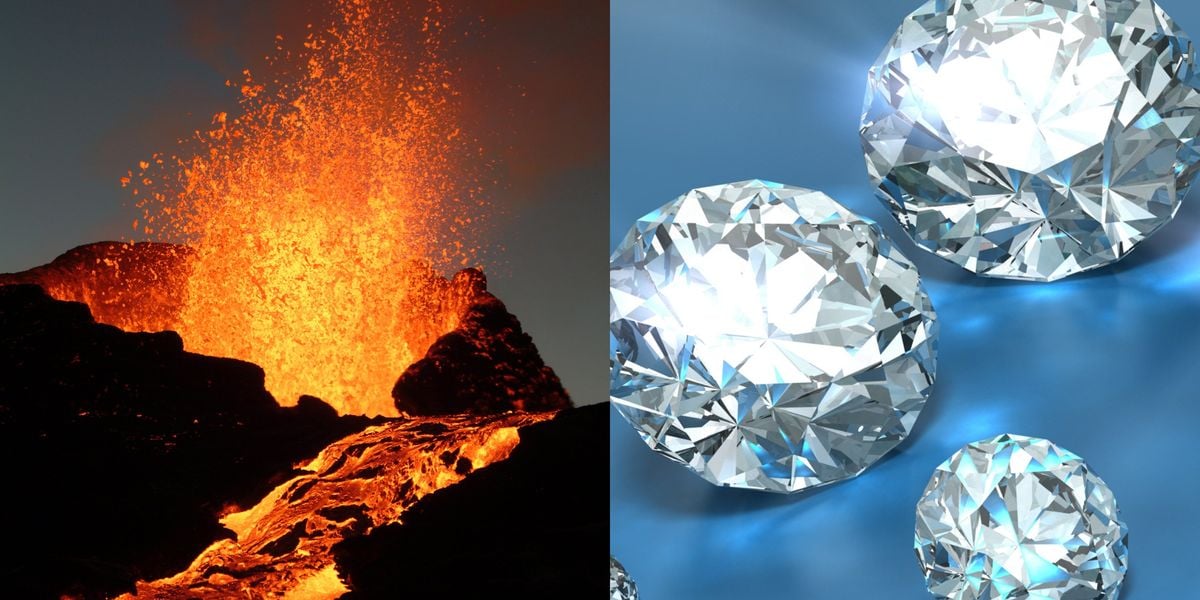
New research led by Thomas Gernon, a professor at the University of Southampton, suggests that the breakup of supercontinents can trigger 'fountains of diamonds' to erupt from deep within the Earth's core. Kimberlite eruptions, which propel diamonds upwards at speeds of up to 133 km/h, are found to occur roughly 22 to 30 million years after tectonic plates start to separate. This geological phenomenon is linked to the mixing of rock, water, and carbon dioxide with minerals like diamonds, creating explosive events that could potentially lead to the discovery of new diamond deposits. The study, published in Nature, provides insights into the timing and power of these eruptions, which have been depositing diamonds at the base of continents for hundreds of millions or even billions of years.