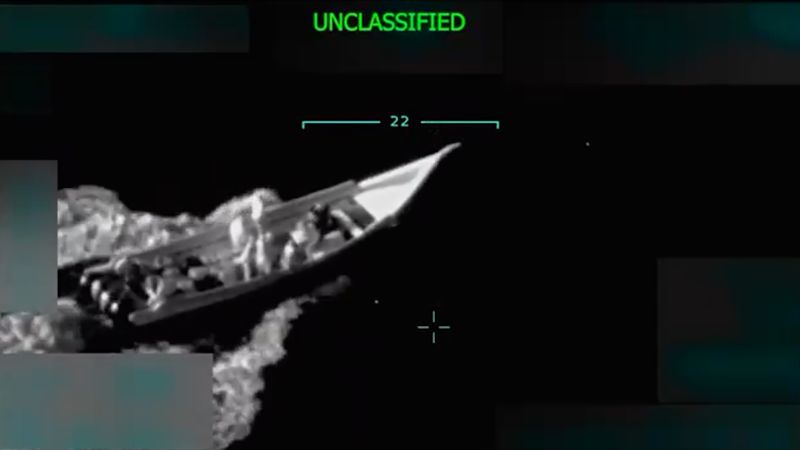
The U.S. military has been firing on boats from South America over the past three months, killing over 80 people, prompting bipartisan concerns and questions about the legality of these actions, especially after a second missile strike on survivors, raising potential war crime allegations.
The Justice Department informed Congress that the Trump administration can conduct lethal military strikes on alleged drug traffickers without congressional approval, citing a classified legal opinion that equates drug cartels with terrorists and argues that the strikes do not trigger the War Powers Resolution, raising concerns about legality and oversight.
The Justice Department informed Congress that the Trump administration can conduct lethal military strikes on alleged drug traffickers without needing congressional approval, citing a classified legal opinion that equates drug cartels with terrorists and argues that the strikes do not trigger the War Powers Law, raising concerns about legality and oversight.
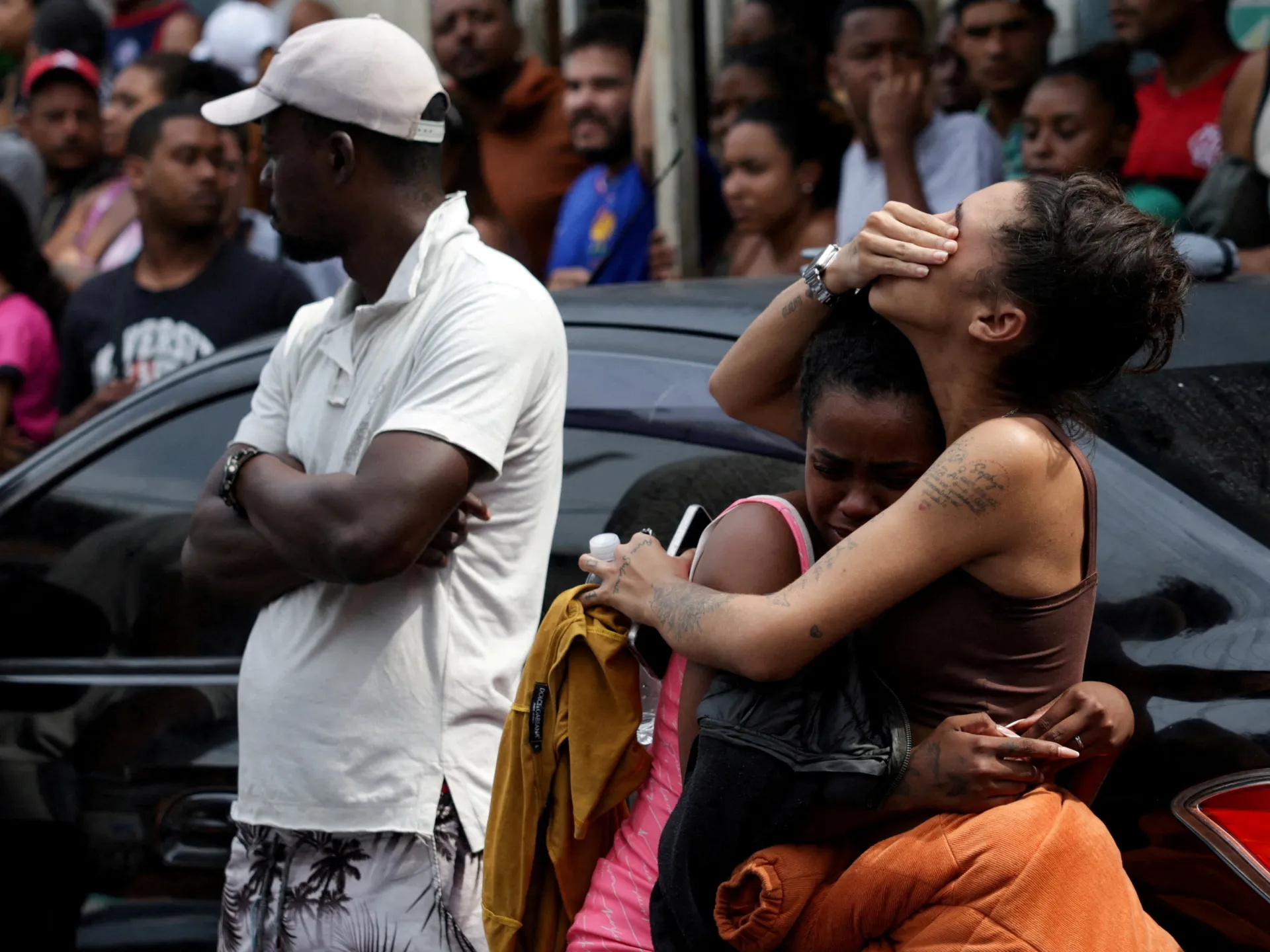
Rio de Janeiro's police raid on drug traffickers resulted in at least 132 deaths, according to the public defender's office, with authorities claiming all victims were criminals and denouncing the operation as necessary against narcoterrorism, while residents and rights groups criticize the violence and possible extrajudicial killings.
The U.S. is repatriating two alleged drug traffickers to Colombia and Ecuador after military strikes on their vessel in the Caribbean, with the Trump administration justifying the operations as part of an armed conflict with Latin American drug cartels linked to Venezuelan President Maduro.
A US military strike in the Caribbean targeting a boat linked to drug traffickers lacked conclusive evidence that the targets were gang members or posed an imminent threat, raising legal and ethical questions about the use of force without clear identification or self-defense justification, according to Senate Democrats and briefings.
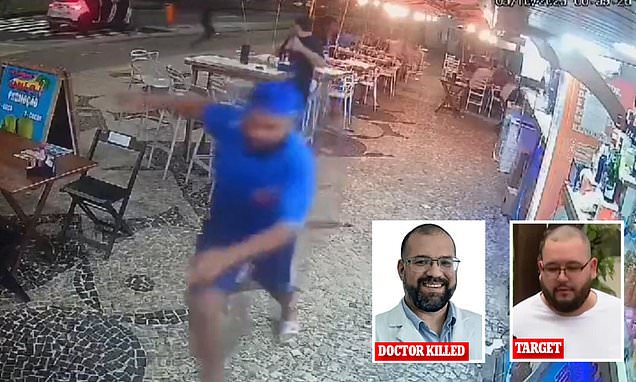
Rio de Janeiro police have discovered the bodies of four dead drug traffickers, including Phillip 'Lesk' Motta and Ryan Nunes, who were suspected of mistakenly killing three orthopedic surgeons and injuring another at a hotel bar. The drug dealers confused one of the doctors with a member of a Rio de Janeiro militia they were seeking to murder. Two other suspects are still being sought for their involvement in the shooting. The surgeons were attending a conference in Rio de Janeiro when the gunmen opened fire.
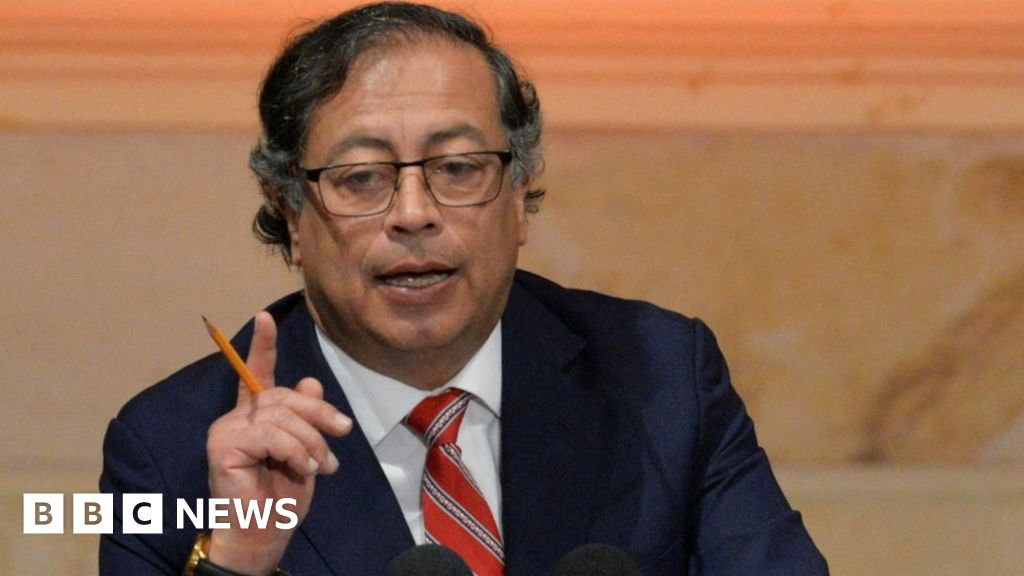
Colombian police have arrested Nicolas Petro, the son of President Gustavo Petro, as part of a money laundering probe into funds he allegedly collected from convicted drug traffickers during last year's presidential campaign. President Petro has stated that he will not interfere with the investigation, expressing his personal pain at seeing his son go to jail. The arrest is a significant blow to the government, which has faced conservative attacks and struggled to maintain bipartisan support in the U.S. The investigation was prompted by revelations from Nicolas Petro's ex-wife, who claimed that he arranged a donation from a politician convicted of drug trafficking. Nicolas Petro denies the allegations, and the chief prosecutor's office will seek provisional detention as it investigates the case.
Colombian President Gustavo Petro's son, Nicolas Petro, has been arrested for money laundering and illicit enrichment. He is accused of receiving payments from drug traffickers to fund his father's peace efforts and election campaign. Nicolas and his ex-wife, Daysuris del Carmen Vásquez, have been transferred to Bogotá for further investigation. President Petro has denied taking money from drug traffickers and has ordered prosecutors to investigate his son. He expressed his support for the investigation and said he would not interfere. The allegations against Nicolas relate to illegal contributions diverted from his father's election campaign.