
Biotech VC Predicts IPO Surge by 2026
Biotech venture capitalist Bruce Booth predicts a significant increase in IPOs for drug companies in 2026, following two years of low activity, signaling a potential sector recovery.

All articles tagged with #drug companies
Biotech venture capitalist Bruce Booth predicts a significant increase in IPOs for drug companies in 2026, following two years of low activity, signaling a potential sector recovery.

Drug companies are encountering hostility as they seek support from President Trump's health appointees. The pharmaceutical industry is hoping to find allies within the new administration to influence health policy and regulation in their favor.
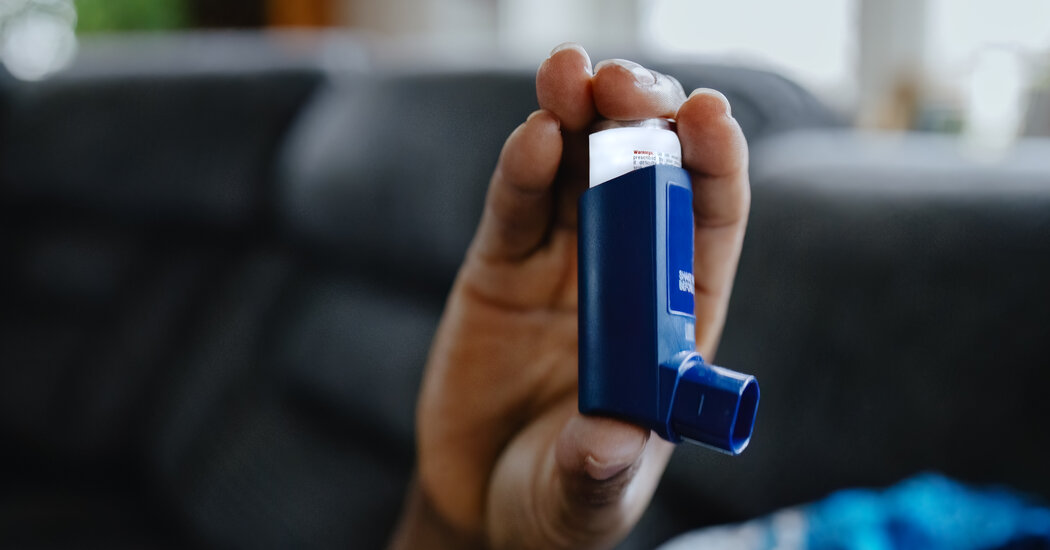
The Federal Trade Commission (FTC) has issued a policy statement warning pharmaceutical companies about a patenting strategy that may be illegal and has contributed to high prices for inhalers. The strategy involves listing patents on inhalers in the federal registry known as the Orange Book, even if they are not directly related to the medication being delivered. This tactic deters generic competition and delays the availability of lower-priced alternatives. The FTC intends to scrutinize companies engaging in this practice, which could help accelerate the availability of affordable generic inhalers in the future.

Kroger has agreed to pay $1.2 billion to settle the majority of claims that it contributed to the opioid epidemic through lax oversight of its pill sales. The settlement, which covers U.S. states, subdivisions, and Native American tribes, is not an admission of wrongdoing or liability. Kroger will pay $1.2 billion to states and subdivisions and $36 million to Native American tribes over 11 years. The company expects a $1.4 billion charge related to the settlements and associated legal fees. Numerous drug companies and wholesalers have faced lawsuits and settlements related to the opioid crisis.
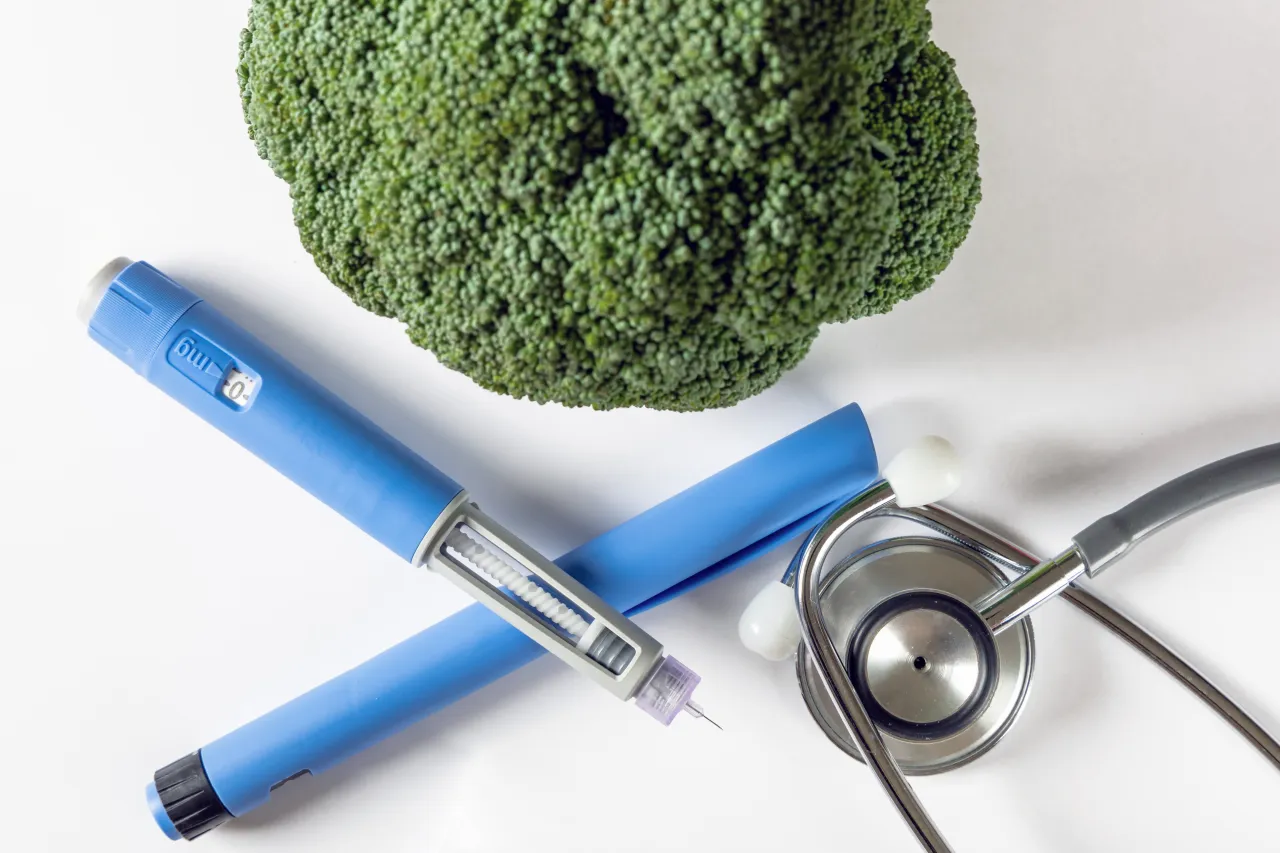
Prescription weight-loss drugs, such as Wegovy, Mounjaro, and Ozempic, cost significantly more in the United States compared to other countries. For example, Wegovy is four times more expensive in the US than in Germany and the Netherlands, while Mounjaro and Ozempic cost three times more in the US than in Japan. The high prices in the US can be attributed to the lack of universal coverage or single-payer health insurance, which limits bargaining power and efficiency. As a result, Americans are being overcharged by drug companies while other countries benefit from lower prices due to free-market economics.