Intel's shares dropped nearly 7% as the company's foundry business reported operating losses of $7 billion in 2023, highlighting the significant gap in profitability compared to rival TSMC. The U.S. chipmaker has been investing billions to regain its position as a leading chipmaker, but faces substantial headwinds. Intel plans to spend $100 billion on plants in the U.S., aiming to break even in its contract chip-making business by 2027. However, it expects the foundry business to have a gross margin of about 40% by 2030, trailing TSMC's 53% margin.
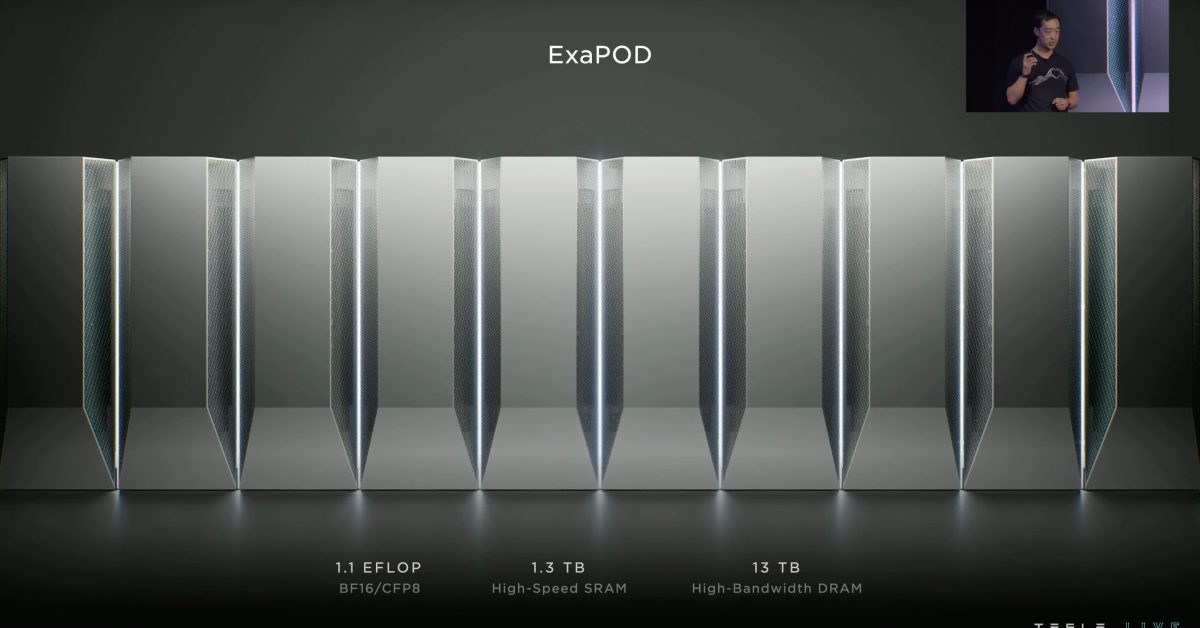
Tesla's head of Dojo hardware, Ganesh Venkataramanan, has left the company, possibly due to issues with the next generation of the supercomputer. Venkataramanan was responsible for the development of Tesla's self-driving chips and later oversaw the Dojo supercomputer hardware. Rumors suggest that the second-generation "Dojo 2" chip is not meeting expectations. This departure raises concerns about Tesla's progress in achieving Elon Musk's self-driving promises, as the Dojo program was a key component for accelerating advancements in autonomous driving.
Intel will invest over $33 billion to build two chip-making plants in Magdeburg, Germany, as part of its expansion push in Europe. The German government has agreed to provide nearly $10 billion in subsidies to the US chipmaker, more than the $6.8 billion initially offered. The investment marks Intel's third big investment in four days, following plans for a $4.6 billion chip plant in Poland and a $25 billion factory in Israel. The first facility in Magdeburg is expected to enter operation 4-5 years after the European Commission's approval of the subsidy package.
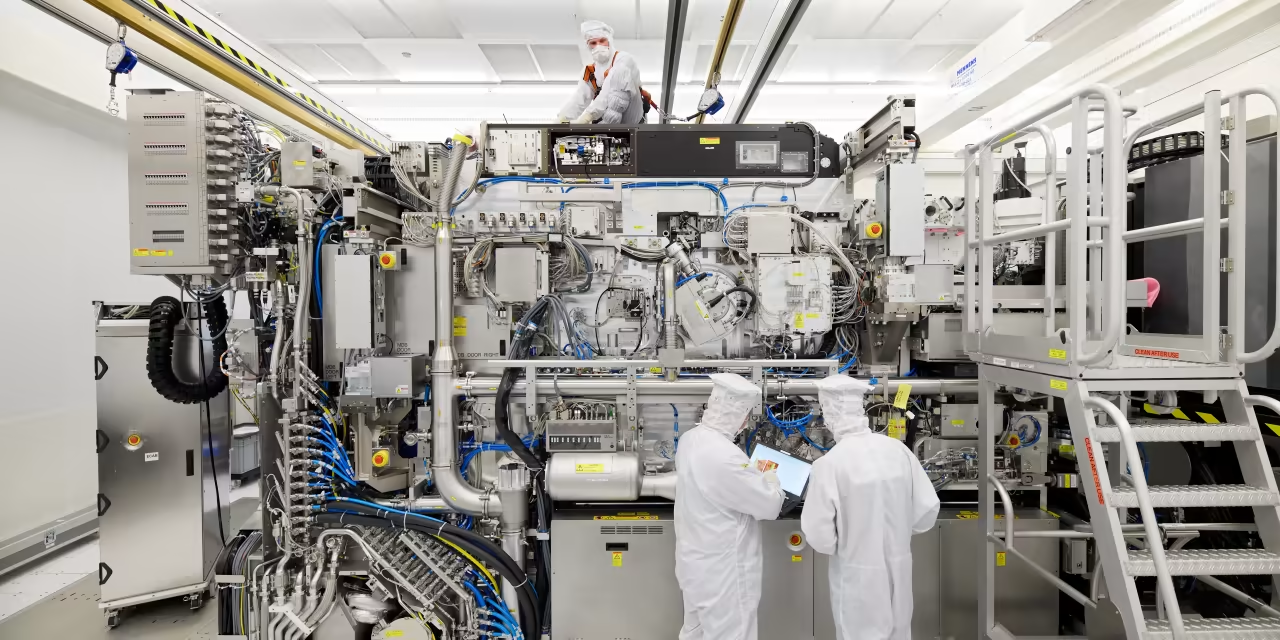
ASML, a key supplier to the global chip-making industry, reported improved profit and sales but its stock dropped due to uncertainty in demand. The Dutch company supplies lithography machines to semiconductor manufacturers such as TSM, Samsung, and Intel.
Nvidia has introduced software to accelerate the development of artificial intelligence and next-generation chip-making, including cuLitho software library that improves computational lithography, and a bevy of artificial-intelligence products for businesses. Third-party foundry TSMC and electronic design company Synopsys will be using the library, and chip-equipment maker ASML will work with Nvidia to integrate support for graphics processing units on their lithography software. Nvidia also launched four new platforms for developers to build specialized artificial intelligence models and DGX Cloud, a service where businesses can get instant access to artificial intelligence models over a simple browser for $37,000 a month.