Tag

Digital Manipulation

All articles tagged with #digital manipulation

Controversy Surrounds Elon Musk’s Grok AI and Its Impact on Digital Privacy and Ethics

Originally Published 10 days ago — by The Times

Featured image for Controversy Surrounds Elon Musk’s Grok AI and Its Impact on Digital Privacy and Ethics
Source: The Times

Elon Musk's Grok AI chatbot on X has introduced a controversial feature that can digitally alter images of women to remove clothing, raising significant privacy and ethical concerns, including the creation of sexually suggestive images of minors and violations of women's dignity, prompting calls for stricter safeguards and regulatory scrutiny.


Controversy Surrounds Musk's Grok AI Over Child Sexualization Concerns

Originally Published 11 days ago — by CBS News

Featured image for Controversy Surrounds Musk's Grok AI Over Child Sexualization Concerns
Source: CBS News

The Grok chatbot developed by xAI, owned by Elon Musk, admitted to lapses in safeguards that allowed users to generate sexually explicit and manipulated images of minors, prompting legal and ethical concerns, with authorities in France reporting the issue as illegal and ongoing efforts to improve safety measures.

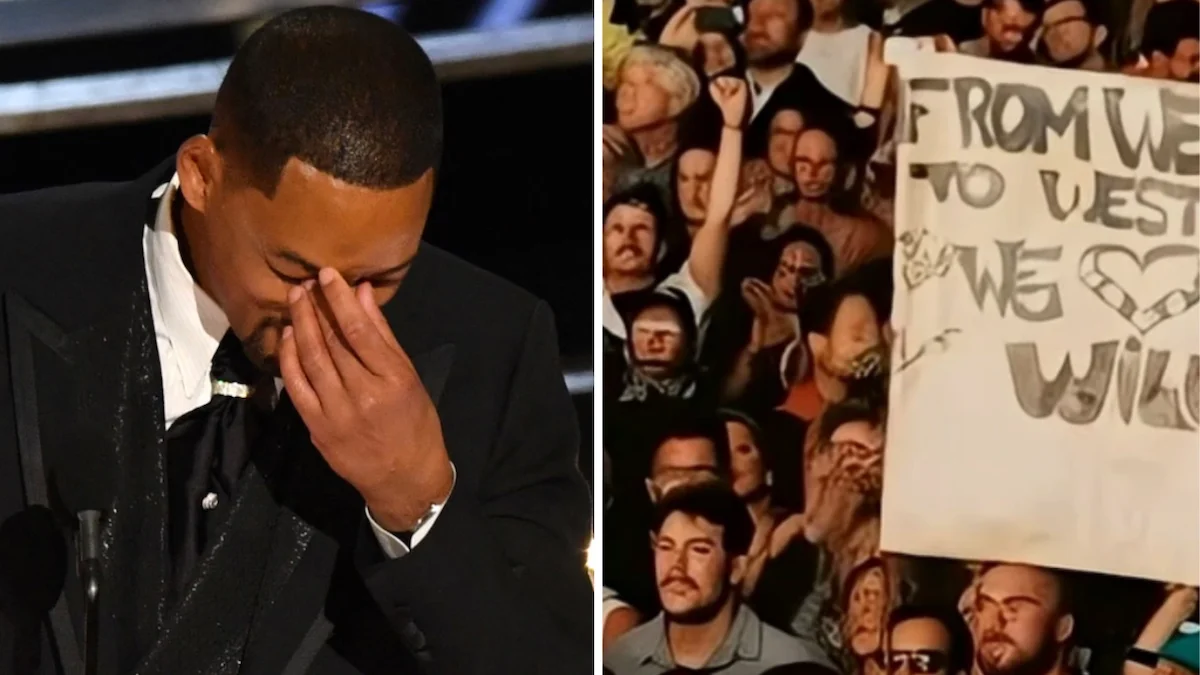
Will Smith Faces Backlash Over AI-Generated Crowds in Tour Video

Originally Published 4 months ago — by Consequence of Sound

Featured image for Will Smith Faces Backlash Over AI-Generated Crowds in Tour Video
Source: Consequence of Sound

A hype video for Will Smith's tour, featuring concert footage and surreal visual effects, appears to have been enhanced or manipulated using AI or video upscaling technology, raising questions about authenticity and the use of digital effects in entertainment content.

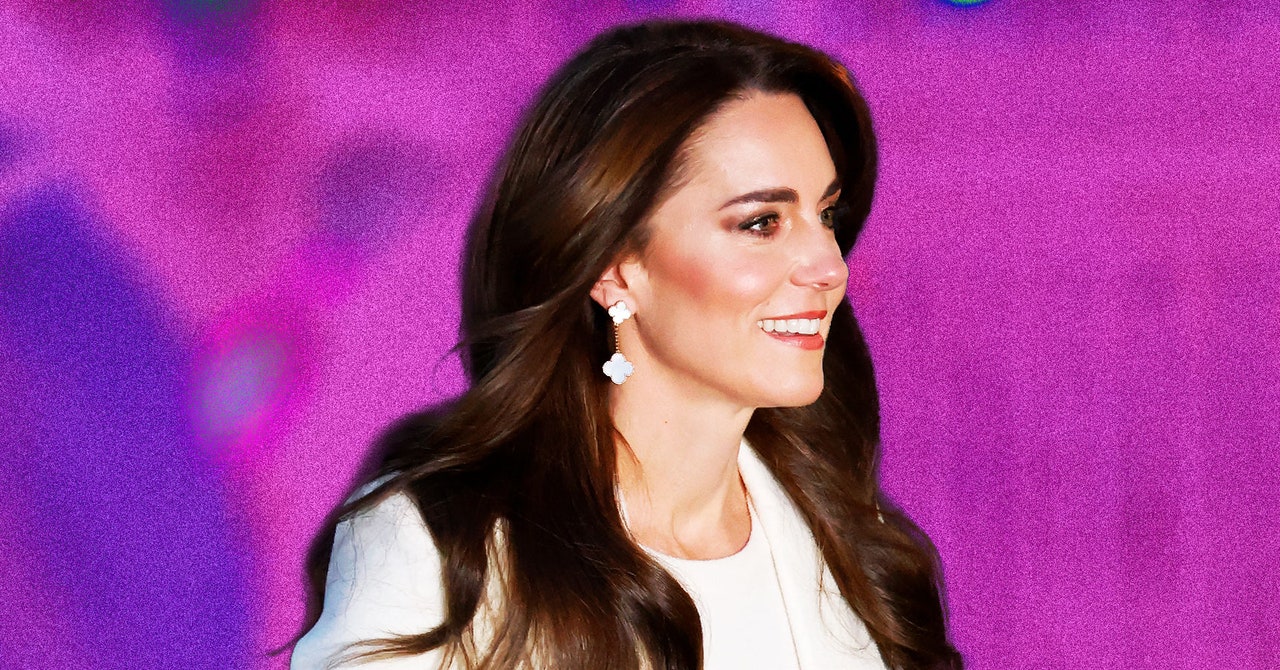
"The Changing Role of Photography in the Digital Age"

Originally Published 1 year ago — by WIRED

Featured image for "The Changing Role of Photography in the Digital Age"
Source: WIRED

The rise of digital manipulation has eroded the credibility of photography as evidence, with tools like Photoshop and AI making it easy to alter images. Companies like Adobe and Google Photos are working on tools to verify the authenticity of images, but the battle against manipulation remains challenging. The concept of authenticity is evolving, with Google Photos allowing users to edit images to reflect their memories, while Apple's Vision Pro blurs the line between reality and digital manipulation. The trustworthiness of what we see now depends more on the credibility of the source rather than the images themselves.

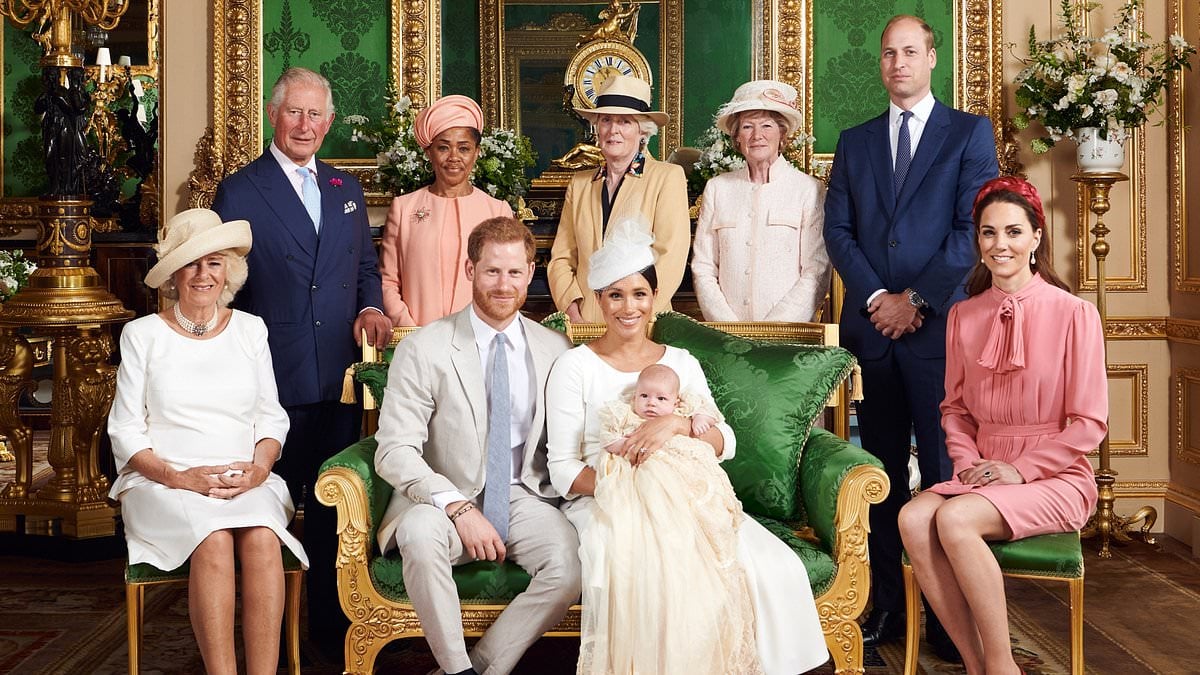
"Royal Photo Controversies: Uncovering Manipulated Images and Digital Enhancements"

Originally Published 1 year ago — by Daily Mail

Featured image for "Royal Photo Controversies: Uncovering Manipulated Images and Digital Enhancements"
Source: Daily Mail

Getty has flagged another royal photo, Prince Archie's christening portrait, as "digitally enhanced" despite the photographer's denial. This comes after similar concerns were raised about other royal images, including a Mother's Day portrait of Princess Diana and a photo of the late Queen with her grandchildren and great-grandchildren. Getty has placed editor's notes on these images, citing potential digital enhancements. The photographer of Prince Archie's christening photo has denied manipulation and is seeking clarification from Getty.

"Challenges and Controversies: EU Finance and Ukraine's Battle Against Deepfakes"

Originally Published 1 year ago — by Financial Times

The finance industry's experience in detecting fraudulent activities and market manipulation can offer valuable lessons in the fight against deepfakes, which are becoming increasingly sophisticated. By leveraging their expertise in data analysis, pattern recognition, and risk management, financial institutions can contribute to the development of tools and strategies to combat the spread of manipulated digital content, thereby bolstering cybersecurity efforts in the age of artificial intelligence.

Experts Debunk Viral Images of Dead Infants in Israel-Gaza War as AI Fakes

Originally Published 2 years ago — by Futurism

Featured image for Experts Debunk Viral Images of Dead Infants in Israel-Gaza War as AI Fakes
Source: Futurism

Experts have revealed that a significant number of viral photos depicting dead infants in the Israel-Gaza conflict are AI fakes, designed to manipulate public opinion. The use of AI-generated images, particularly those involving children, is a disturbing trend that is expected to worsen. The dissemination of fake images not only distorts the reality of the conflict but also undermines genuine documentation of the horrors of war. Detecting AI-manipulated content is challenging, and efforts to debunk such disinformation are often outpaced by those creating it. Experts emphasize the need for stronger regulations and collaboration between governments and the public and private sectors to address this escalating problem.

Leica's $9,500 M11-P Camera: A Game-Changer for Photojournalism and AI Defense

Originally Published 2 years ago — by Gizmodo

Featured image for Leica's $9,500 M11-P Camera: A Game-Changer for Photojournalism and AI Defense
Source: Gizmodo

Leica has released the M11-P, a $9,500 camera aimed at professional photojournalists, with a focus on combating digital manipulation. The camera includes a new watermarking system called Content Credentials, which digitally stamps each image's metadata to provide proof of authenticity. The Content Authenticity Initiative (CAI), an industry group dedicated to content authenticity and provenance, uses cryptographic asset hashing to insert identifiable signatures into image metadata. This allows for verification of authenticity and records any alterations made to the image. Leica hopes that by providing a tool to combat fake media content, it can strengthen trust in digital photography and support photojournalism in the age of AI.

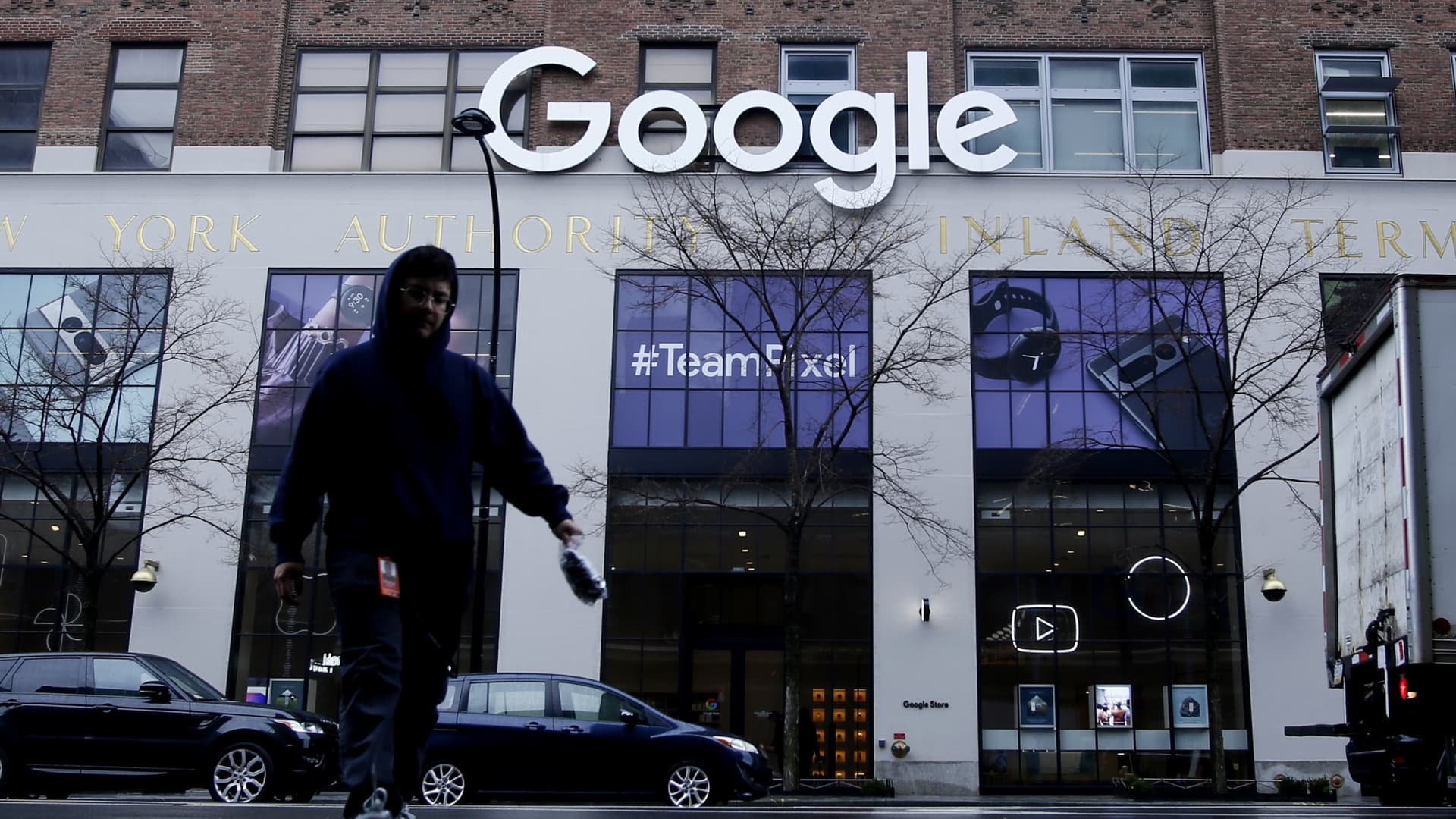
"Google Implements Transparency Measures for AI-Generated Election Ads"

Originally Published 2 years ago — by CNBC

Featured image for "Google Implements Transparency Measures for AI-Generated Election Ads"
Source: CNBC

Google has announced new rules requiring clear disclosures for election ads created with artificial intelligence (AI). The policy, which will take effect in mid-November, aims to address concerns about the spread of deceptive information online. Advertisers will be required to disclose when their election ads contain digitally altered or generated content. Minor changes to images do not require disclosure. Google's move follows existing transparency efforts and aims to support responsible political advertising and provide voters with the information they need to make informed decisions. Other digital ad platforms, such as Meta's Facebook and Instagram, already have similar policies in place.

The Search Continues for Missing Game Controller in Titan Sub Implosion Investigation

Originally Published 2 years ago — by The Associated Press

Featured image for The Search Continues for Missing Game Controller in Titan Sub Implosion Investigation
Source: The Associated Press

An altered image claiming to show the video game controller used to steer the Titan submersible, which imploded earlier this month near the wreck of the Titanic, lying on the ocean floor is false. The original photo was taken in 2015 and shows the Pacific Ocean floor, not the Atlantic Ocean. The U.S. Coast Guard has also said no images of the Titan have been released by the international team of investigators looking into the cause of the disaster. Five pieces of the submersible have been located, but the investigation is ongoing.

The Impact of TikTok's Bold Glamour Filter on Mental Health.

Originally Published 2 years ago — by Slate

Featured image for The Impact of TikTok's Bold Glamour Filter on Mental Health.
Source: Slate

Bold Glamour, a TikTok filter that enhances facial features, has sparked concerns about its potential to worsen self-esteem and encourage plastic surgery. While it is not the first filter to alter faces, it is more realistic than previous filters and has been created by TikTok itself. Experts suggest that it is only the beginning of a new era of filters and that it will become increasingly difficult to distinguish between real and altered images. Some suggest that tech companies should take responsibility for labeling A.I.-generated images, while others believe that individuals should assume that everything they see online might be fake.