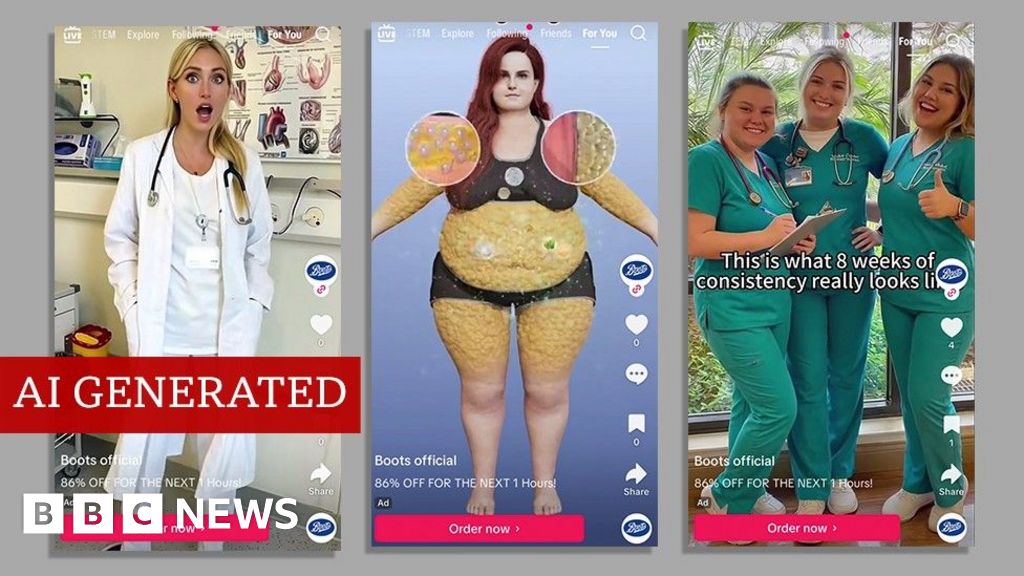
TikTok removed AI-generated fake ads for prescription weight loss drugs pretending to be Boots after the company complained, highlighting concerns over misleading AI content and illegal advertising of prescription medicines on social media.
A24's new AI-generated posters for the film "Civil War" have sparked controversy as they depict post-apocalyptic scenes not actually in the movie, leading to criticism over false advertising and the use of AI technology. The images, which show war-torn destruction in iconic U.S. cities, have resulted in backlash for their inaccuracies and "uncanny valley" weirdness. Despite the controversy, the film has opened to better-than-expected box office numbers, drawing an equal number of liberal and conservative moviegoers, and sparking online buzz as it heads into its second weekend.
AI-generated deepfake videos are increasingly being used to fabricate celebrity endorsements for products, making it difficult for consumers to distinguish between real and fake advertisements. The technology behind these fake endorsements has advanced to the point where it can replicate voices, appearances, and actions of celebrities, posing a serious problem for social media platforms and consumers. Experts warn that these AI-generated ads are becoming more convincing and harder to detect, placing the burden on consumers to think critically and use online AI detection tools to protect themselves from falling victim to these scams.
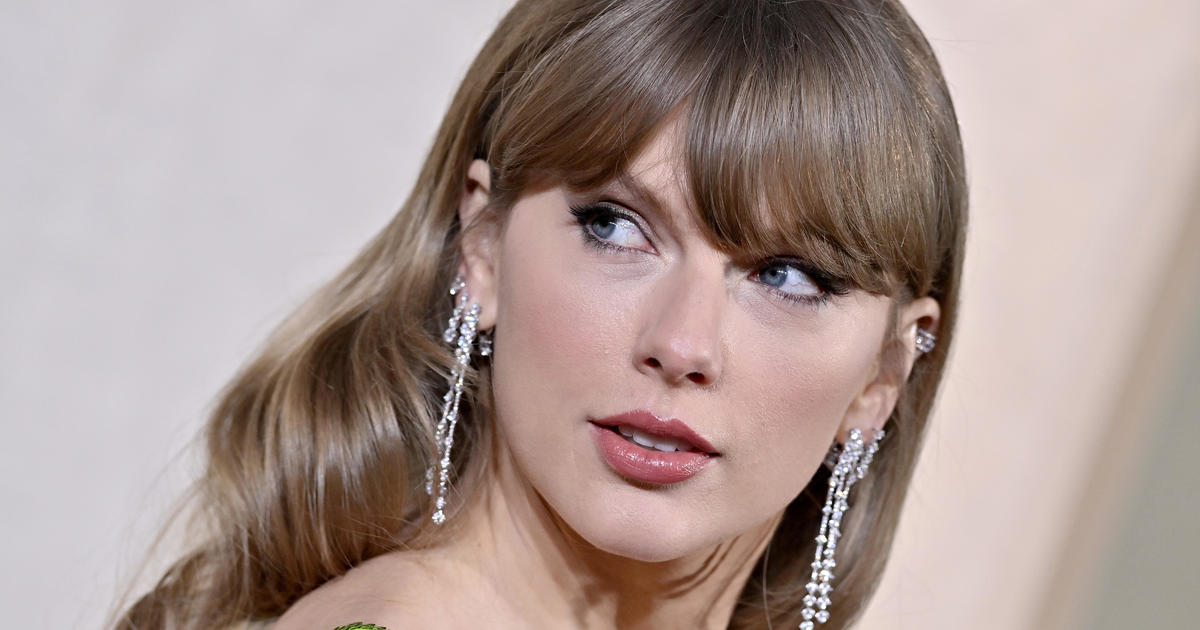
Scammers are using AI-generated deepfake videos featuring Taylor Swift's likeness to promote a fake Le Creuset cookware giveaway, tricking fans into believing the endorsement is real. The deepfake video, circulated on social media, directs users to click a button to complete a survey for the free cookware sets, creating a convincing scam. As AI technology becomes more sophisticated, deepfake scams targeting celebrities like Swift, Tom Hanks, and Gayle King are on the rise, prompting warnings from the Better Business Bureau to scrutinize social media posts before making purchases.
Google has announced new rules requiring clear disclosures for election ads created with artificial intelligence (AI). The policy, which will take effect in mid-November, aims to address concerns about the spread of deceptive information online. Advertisers will be required to disclose when their election ads contain digitally altered or generated content. Minor changes to images do not require disclosure. Google's move follows existing transparency efforts and aims to support responsible political advertising and provide voters with the information they need to make informed decisions. Other digital ad platforms, such as Meta's Facebook and Instagram, already have similar policies in place.