Tag

Digital Hoarding

All articles tagged with #digital hoarding

health1 year ago

Is Digital Clutter a Sign of Mental Health Issues?

Digital hoarding, characterized by the excessive accumulation of digital files like photos and emails, may be linked to hoarding disorder, a condition associated with obsessive-compulsive disorder. This behavior can lead to stress and anxiety due to emotional attachment to digital data and difficulty in organizing or deleting it. Experts suggest managing digital clutter by deleting unnecessary files, setting digital limits, and decluttering daily to improve mental health and productivity.

health1 year ago

Digital Hoarding: When Too Much Data Becomes a Disorder

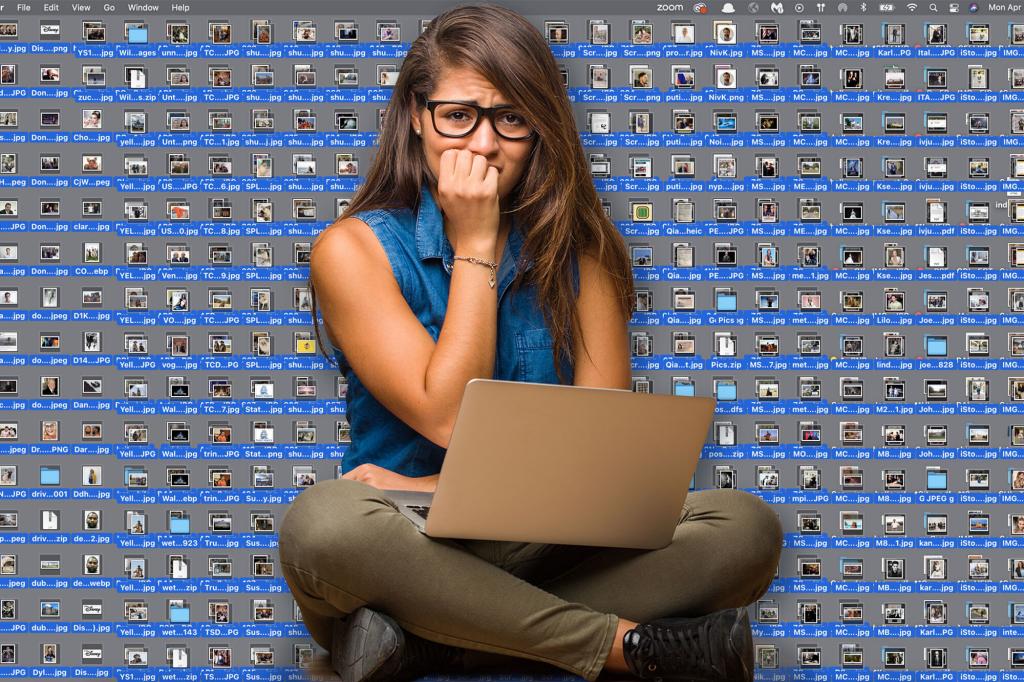
Experts warn that excessive digital clutter on devices, such as thousands of photos, emails, and notifications, can lead to stress, anxiety, and decreased productivity, potentially indicating a disorder known as digital hoarding. This behavior, linked to anxiety and fear of losing information, can impair daily functioning. To combat digital clutter, experts suggest strategies like turning off nonessential notifications, setting boundaries on device usage, and taking digital detox days. If digital clutter significantly impacts life, consulting a mental health professional may be necessary.

technology2 years ago

The Rise of Digital Hoarding: Why We Can't Stop Saving Files.

Digital hoarding, a subtype of hoarding disorder that involves the collection of excessive amounts of digital material, is a growing problem in the US and beyond. The Diagnostic and Statistical Manual of Mental Disorder (DSM) recognizes hoarding disorder as a mental illness. Some academics are asking if it is time to add digital hoarding to the bible of psychiatry. Digital hoarding does have consequences for mental health, and it can be driven by anxiety, compliance, disengagement, or collection. It also has a particularly dark side, including revenge porn.

lifestyle2 years ago

Decluttering Your Messy Life

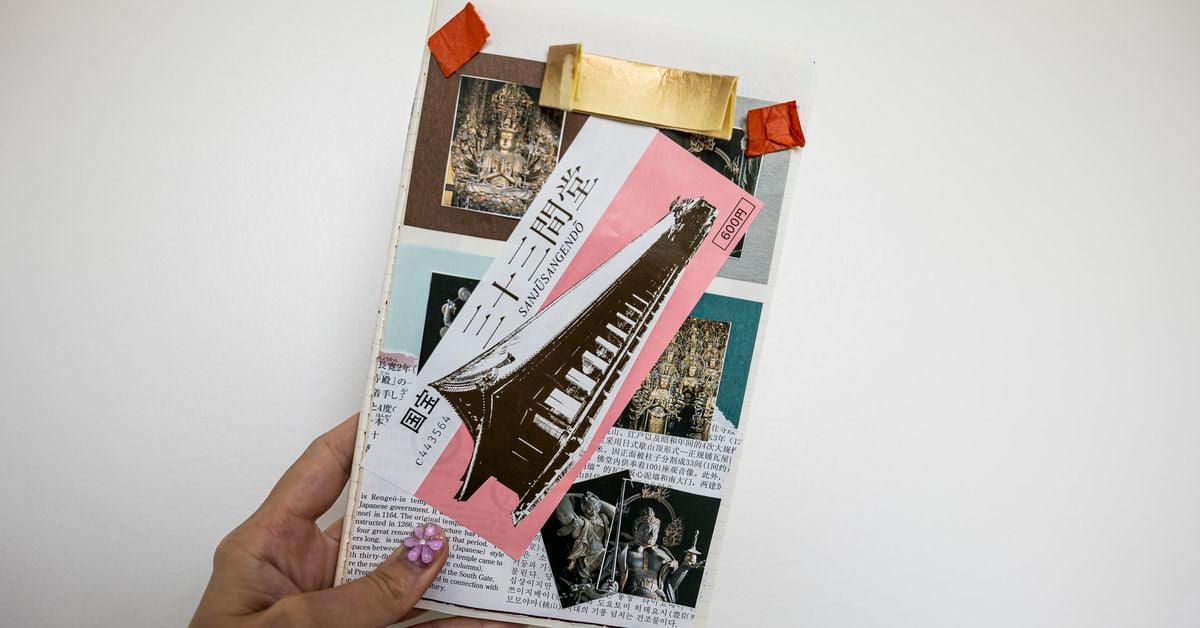
The author discusses their habit of saving physical ephemera and the challenge of finding a way to preserve it. They considered digital options but ultimately turned to the low-tech solution of scrapbooking. The author finds satisfaction in the physical experience of assembling and revisiting a book of their favorite things that they can hold in their hands. They prefer the scraps in their truest form - irregular, imperfect, and disposable if necessary.