Google is rolling out a new feature allowing Gmail users to change their email addresses ending with @gmail.com while retaining all their emails and connected services like YouTube and Google Drive, addressing long-standing user requests for more flexibility.
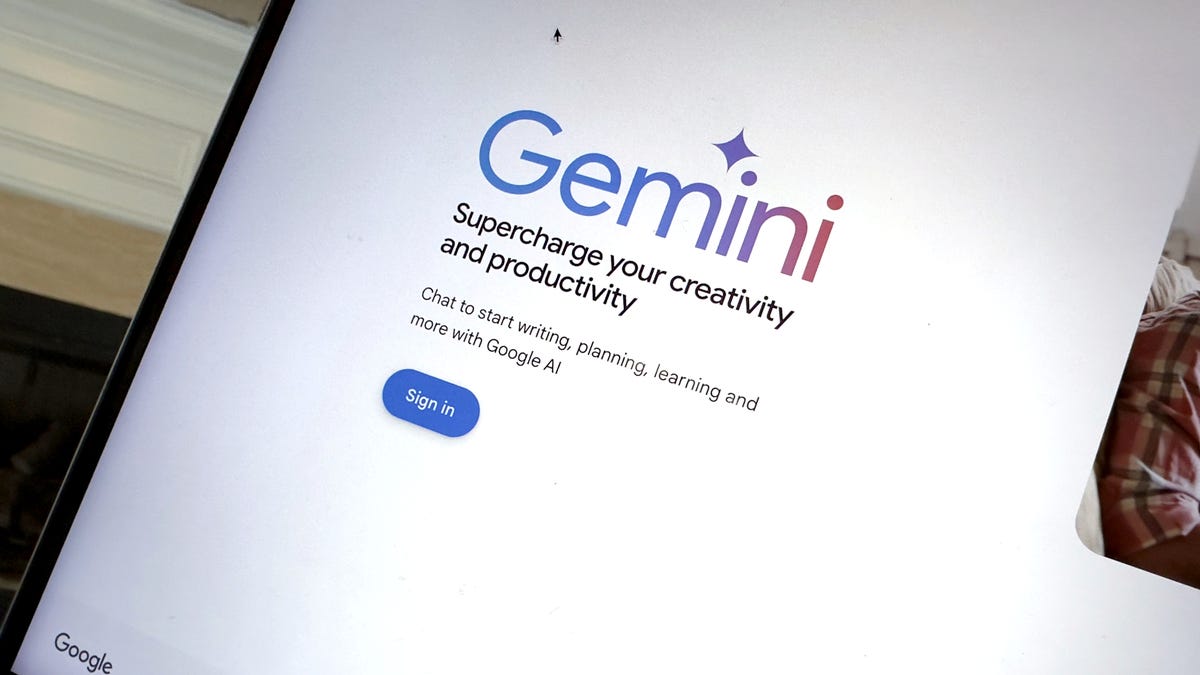
Google's new privacy warning for the Gemini app, a next-generation digital assistant on Android devices, cautions users against sharing personal or sensitive information during interactions. The warning highlights that Google collects conversations, location, feedback, and usage information to improve its products and services. It also reveals that conversations will be retained for up to three years, even after deletion, and advises users not to share any data they wouldn't want a human reviewer or Google to use.
Google's Gemini chatbot apps retain conversations and related data for up to three years, with human annotators reviewing and processing the conversations to improve the service. Users can control data retention by disabling Gemini Apps Activity and deleting individual prompts and conversations. However, even with this feature off, conversations are still saved for up to 72 hours for safety and security purposes. This policy highlights the challenges of balancing privacy with developing GenAI models that rely on user data, as seen with similar issues faced by OpenAI. As GenAI tools become more prevalent, organizations are increasingly cautious about privacy risks, with some companies establishing limitations or even banning GenAI use altogether.
USB thumb drives can last for at least 10 years, but the actual data lifespan depends on factors such as build quality, write cycles, temperature, and storage conditions. NAND flash memory, which is used in USB drives, stores data in memory cells that can degrade over time due to electrical charge leakage. To extend the lifespan of USB drives, invest in quality drives, avoid extreme temperatures, eject safely, backup regularly, and check data integrity periodically. For long-term storage, use archival-grade tape or optical discs.
Digital hoarding, a subtype of hoarding disorder that involves the collection of excessive amounts of digital material, is a growing problem in the US and beyond. The Diagnostic and Statistical Manual of Mental Disorder (DSM) recognizes hoarding disorder as a mental illness. Some academics are asking if it is time to add digital hoarding to the bible of psychiatry. Digital hoarding does have consequences for mental health, and it can be driven by anxiety, compliance, disengagement, or collection. It also has a particularly dark side, including revenge porn.