The European Commission condemns the U.S. travel restrictions on five Europeans, including Thierry Breton, emphasizing the importance of freedom of expression and regulatory independence, and stating they are seeking clarifications and will respond if necessary.
The article discusses the dangers faced by Jewish communities when expressing their identity publicly, highlighted by the murder of Rabbi Eli Schlanger at Bondi Beach, and explores how societal norms and attitudes, especially among younger generations, influence the safety and visibility of minorities in democratic societies.
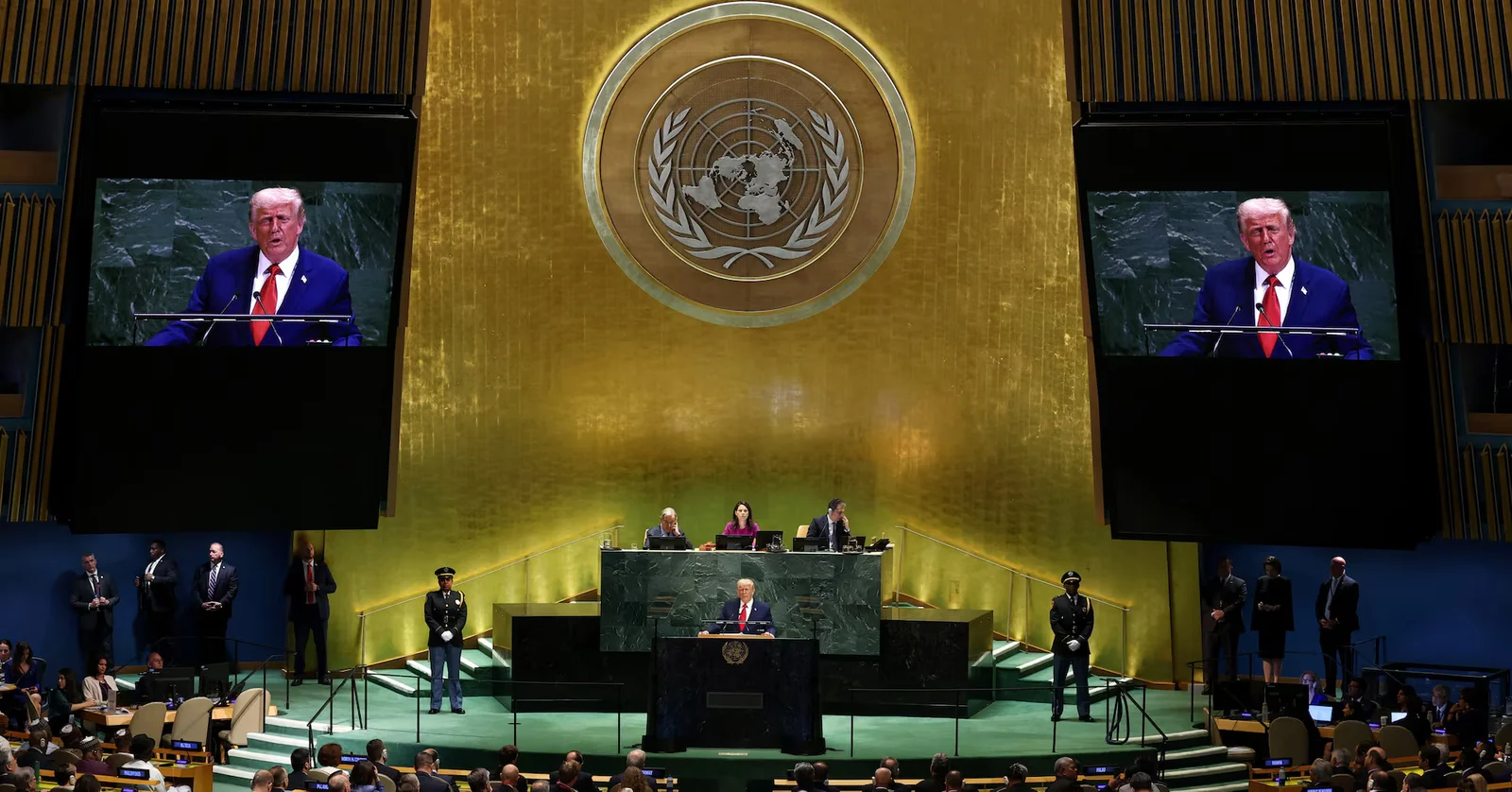
European officials are concerned about the impact of Donald Trump's UN speech, which criticized Europe's immigration, energy policies, and shared democratic values, raising fears of a growing divide in the transatlantic alliance and a potential culture war over core Western principles.
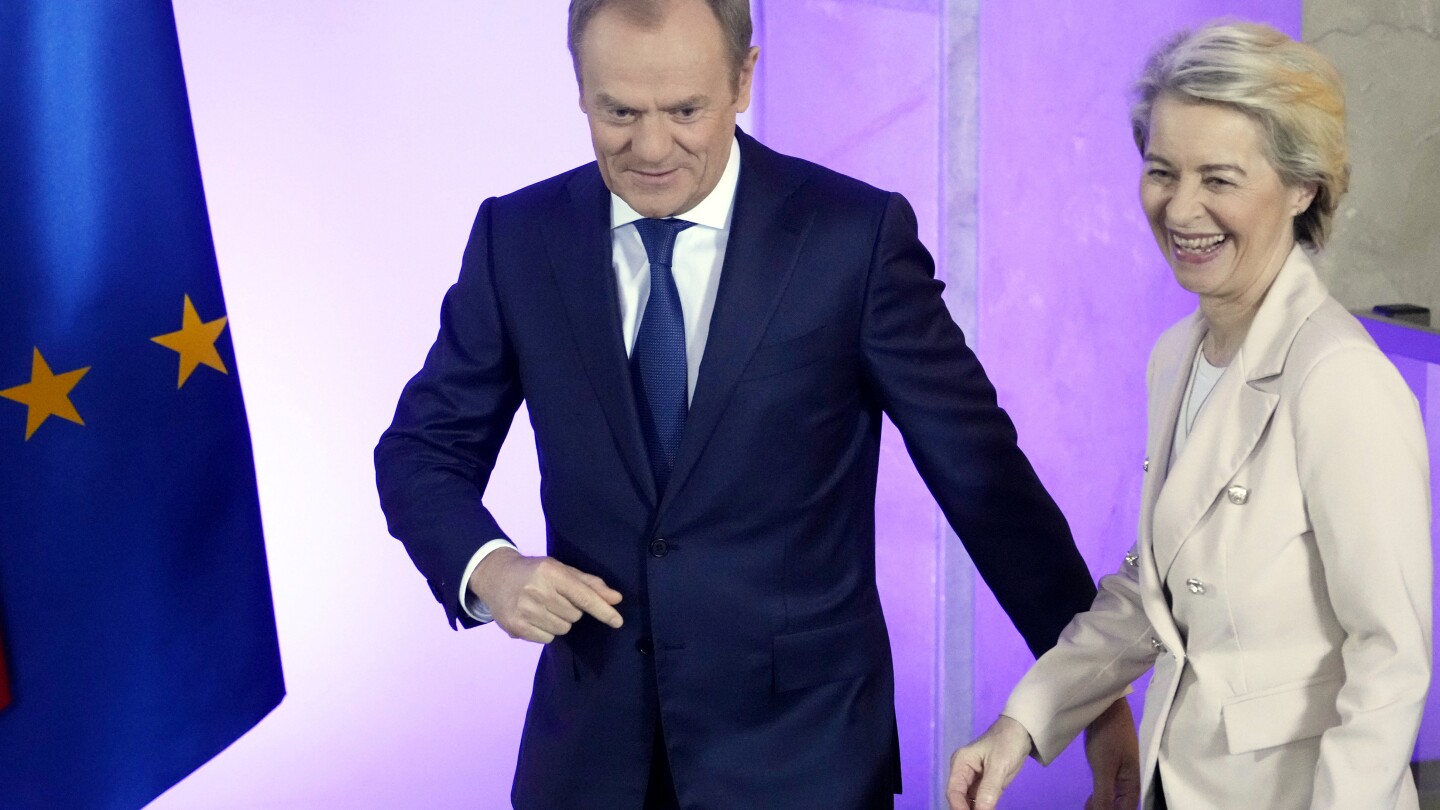
The head of the European Commission, Ursula von der Leyen, announced that decisions will be made next week to release 137 billion euros to Poland, funds previously frozen due to the previous government's anti-EU policies. The release of funds is a result of Poland's efforts to restore democratic values and the rule of law. The money will come from the EU's Next Generation fund to aid COVID-19 recovery and the cohesion fund for infrastructure development. Additionally, 1.4 billion euros will go to farmers protesting tax-free imports from Ukraine. The release of funds follows Poland's shift to a pro-EU government, and discussions also covered European security and support for Ukraine.
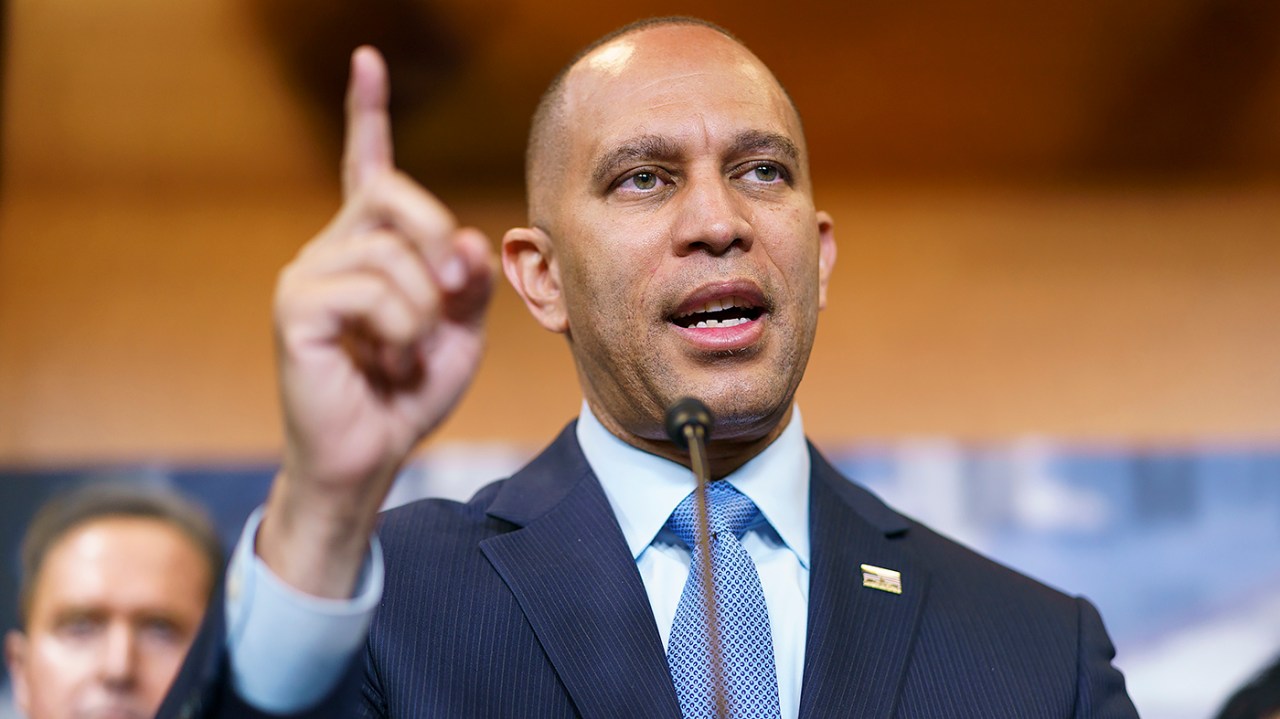
House Minority Leader Hakeem Jeffries responded to remarks made by Speaker Kevin McCarthy about the lack of Democratic support on the debt ceiling agreement made Saturday night. Jeffries said he has no idea what McCarthy is talking about and has not been able to review the actual legislative text. He also noted that the proposals backed by conservative GOP members in the House were not consistent with Democratic values. Jeffries added that a bipartisan resolution was the only way forward to avoid a catastrophic default.
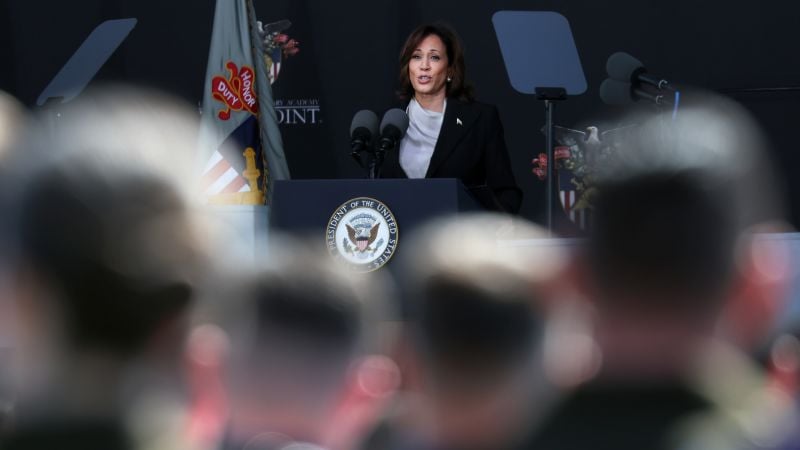
Kamala Harris made history as the first woman to deliver a commencement address at the US Military Academy in West Point, New York. She discussed themes of global security and prosperity, emphasizing the importance of America's democratic values and leadership. Harris criticized Russian aggression in Ukraine and China's military modernization, calling for the US to remain a strong leader in the world. She also praised the graduates for joining the "greatest fighting force the world has ever seen."
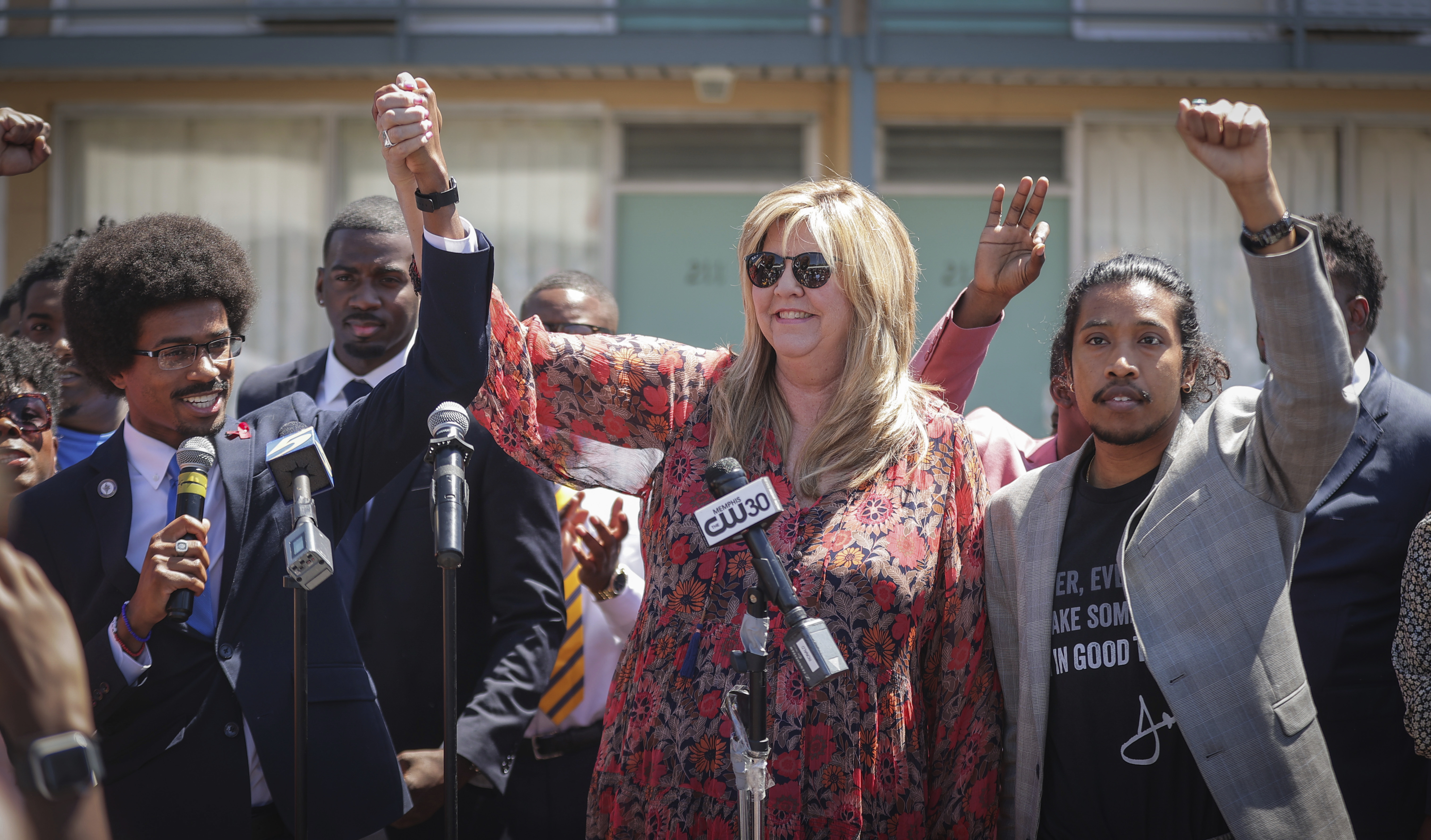
The "Tennessee Three," three state lawmakers disciplined for participating in gun protests, will meet with President Joe Biden at the White House on Monday. The three were punished for violating Statehouse decorum rules when they took part in a protest seeking tighter gun laws following the shooting deaths of three 9-year-old children and three school officials at a Nashville elementary school. The White House has seized on the opportunity to support the lawmakers and their efforts to ban assault weapons and stand up for democratic values.
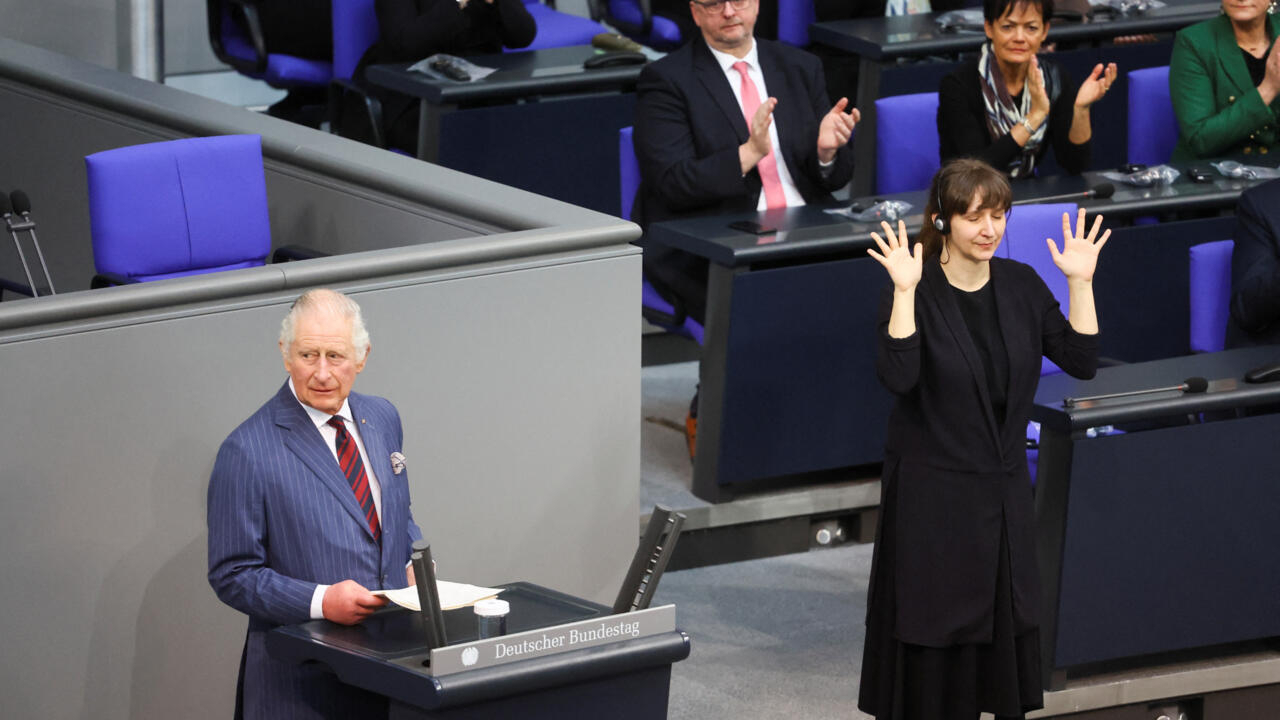
King Charles III warned that Europe's security and democratic values are under threat due to Russia's war in Ukraine in his landmark speech at the German parliament. He emphasized the importance of unity among allies like Germany and Britain to face down these threats. Charles' visit to Germany is seen as a bid to build bridges following Brexit, and he has focused on themes of reconciliation and common values in his speeches. In addition to his political engagements, Charles has also prioritized sustainable farming and environmental issues during his three-day visit.