Top investor Adam Spatacco warns against comparing BigBear AI (BBAI) to Palantir, citing weaker competitive position, smaller revenue, and operational headwinds, despite BBAI's lower valuation and rapid gains, suggesting limited upside and caution for investors.
Rocket Lab is acquiring satellite payload manufacturer Geost for $275 million to expand its capabilities in the defense sector, aiming to secure more Pentagon satellite contracts and strengthen its position in military space programs.
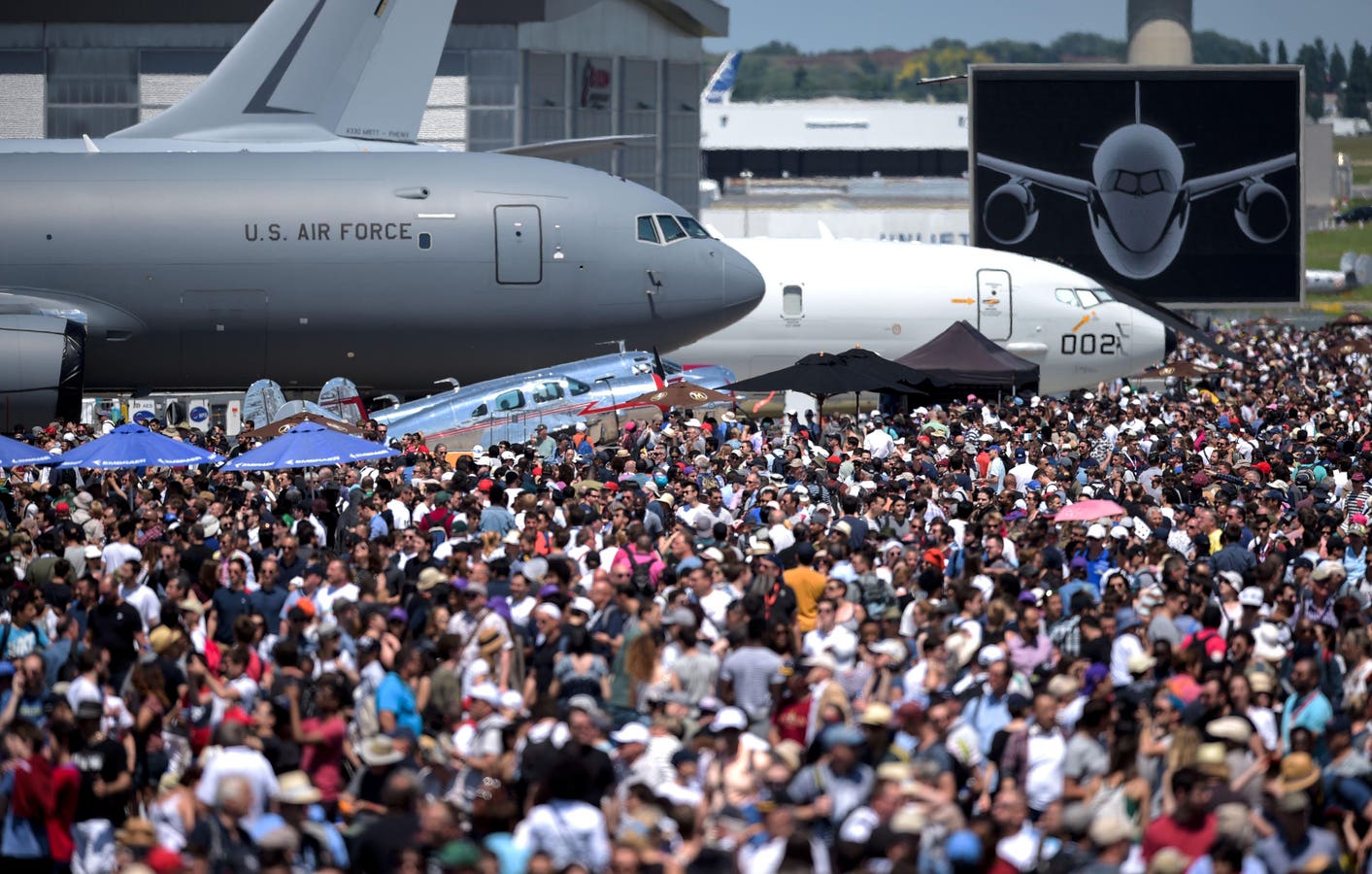
The 2024 Farnborough International Airshow will gather 80,000 visitors, including top aerospace and defense leaders, to discuss industry trends and challenges. The event will highlight issues such as commercial aircraft backlogs, supply chain strains, and the impact of geopolitical tensions on defense budgets. Boeing's recent acquisition of Spirit AeroSystems and its legal troubles over the 737 MAX crashes will be focal points, alongside Airbus's supply chain difficulties. The show will also feature advancements in electric Vertical Take Off and Landing (eVTOL) aircraft and sustainability efforts, despite setbacks like the closure of Universal Hydrogen.
The U.S. Department of the Treasury has designated 11 entities and seven individuals in Belarus for their involvement in human rights abuses, corruption, and support of Russia's war in Ukraine. The sanctions target individuals and entities connected to President Lukashenka's regime, including the Secretary General of the Belarus Red Cross, who has been complicit in the deportation of Ukrainian children to Belarus. The sanctions also target businessmen who have provided financial support to Lukashenka and his regime, as well as state-owned enterprises in the construction, cement, timber, and defense sectors. These actions aim to increase pressure on the Lukashenka regime and hold it accountable for its anti-democratic actions and human rights abuses.
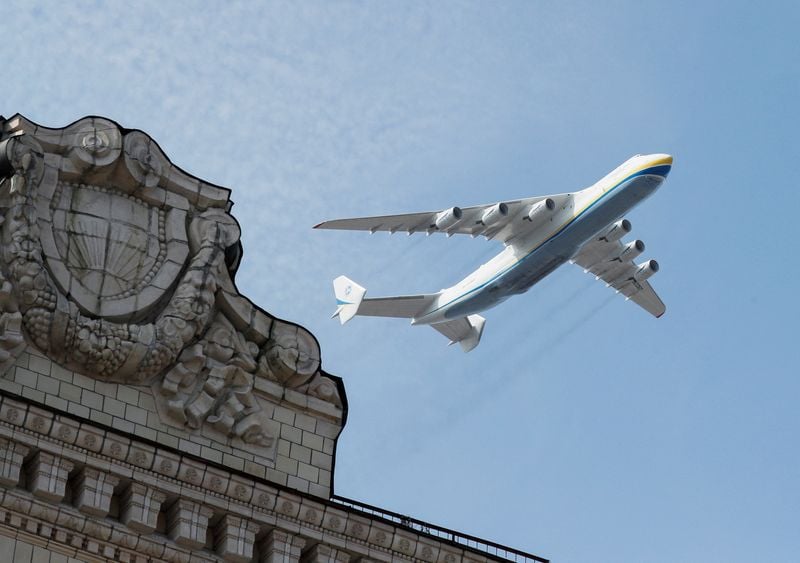
Ukrainian aerospace firm Antonov is expanding its drone manufacturing capabilities in response to Russia's invasion, according to a presentation by Ukraine's defense group Ukroboronprom. The move aligns with Ukraine's goal of becoming a global drone hub and diversifying its core cargo plane business. Antonov's new drone center aims to enhance unmanned systems manufacturing capabilities and support private unmanned systems manufacturers. The expertise gained from cargo plane manufacturing could also be applied to long-distance drones, potentially enabling Ukraine's armed forces to strike deeper into Russian territory. The restructuring at Ukroboronprom is part of Ukraine's broader plan to invest in the defense sector and develop the post-war economy.
Taiwanese private companies are shifting into the defense sector and manufacturing weapons as China's military power grows and tensions rise in the Asia Pacific region. Taiwan's military, under pressure to match China's military capacity, is loosening procurement rules to allow private companies to develop dual-use technologies for its military. U.S. defense contractors are also exploring ways to manufacture noncore components of their weapons systems in Taiwan. However, progress is slow due to bureaucratic processes and concerns over intellectual property and security vulnerabilities. Taiwanese companies argue that making arms and defense equipment is a natural step for the world's foremost semiconductor manufacturing base.
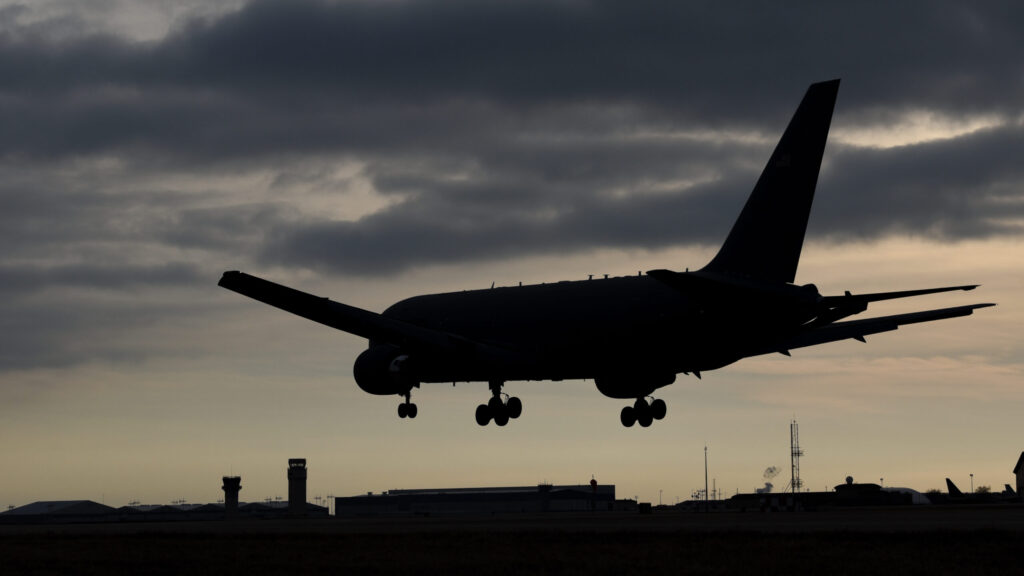
Boeing's defense sector reported a $211 million loss in Q1 2023 due to a new $245 million charge on the KC-46A Pegasus tanker, bringing the total charges on the tanker to over $7 billion. The charge is linked to supplier quality issues with the 767's center fuel tanks. Despite the loss, Boeing's revenue increased by 28% to over $17.9 billion compared to Q1 2022, driven by booming demand for air travel and greater defense orders. Supply chain woes and design issues on platforms like the T-7A and KC-46A have contributed to Boeing's losses on its fixed-price contracts.