KrebsOnSecurity.com celebrates its 16th anniversary by highlighting its recent coverage on cybercrime, including sanctions against cybercriminal entities, major phishing and DDoS attacks, and the rise of powerful botnets like Aisuru and Kimwolf, with plans to investigate Kimwolf's origins in 2026. The site thanks its readers and encourages support through ads and newsletter subscriptions.
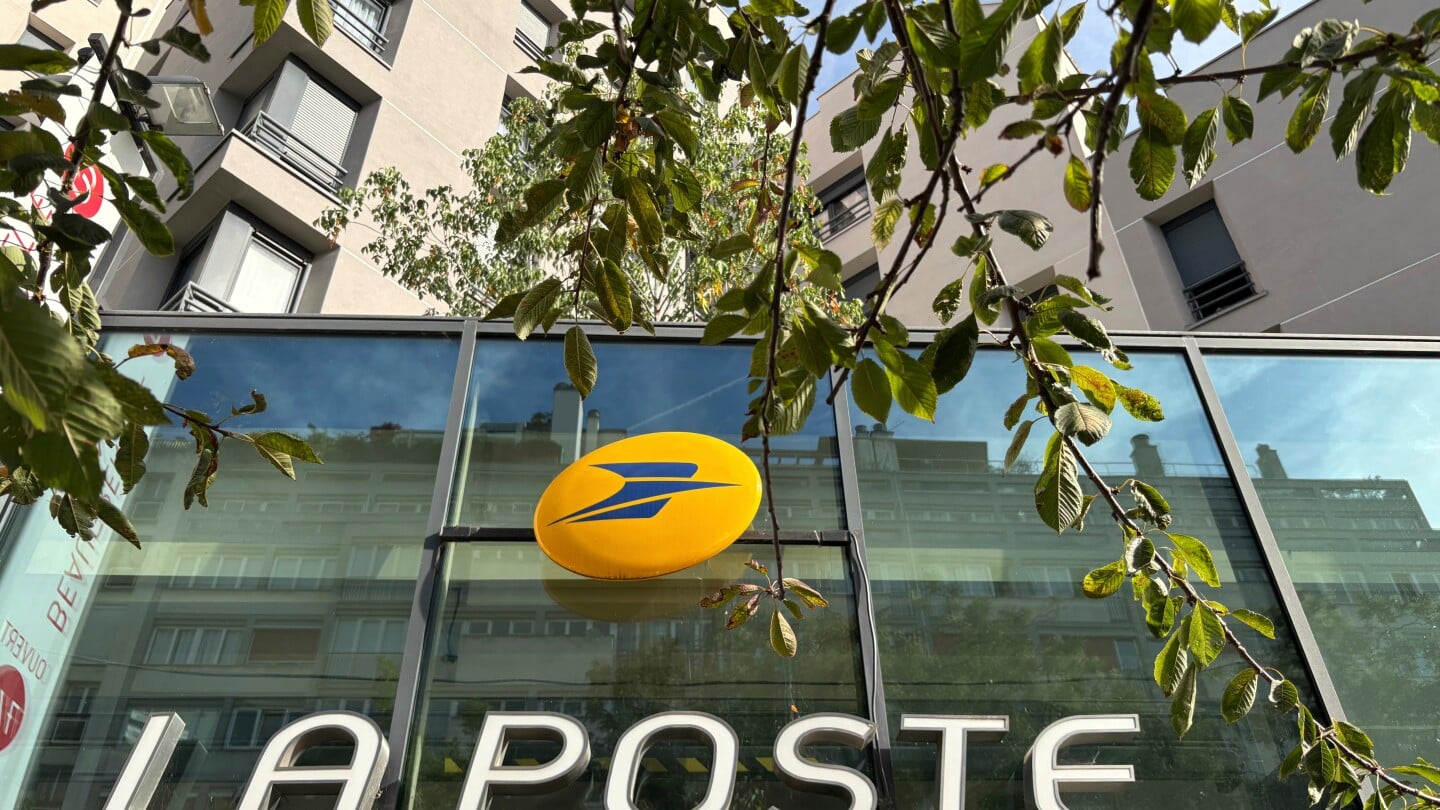
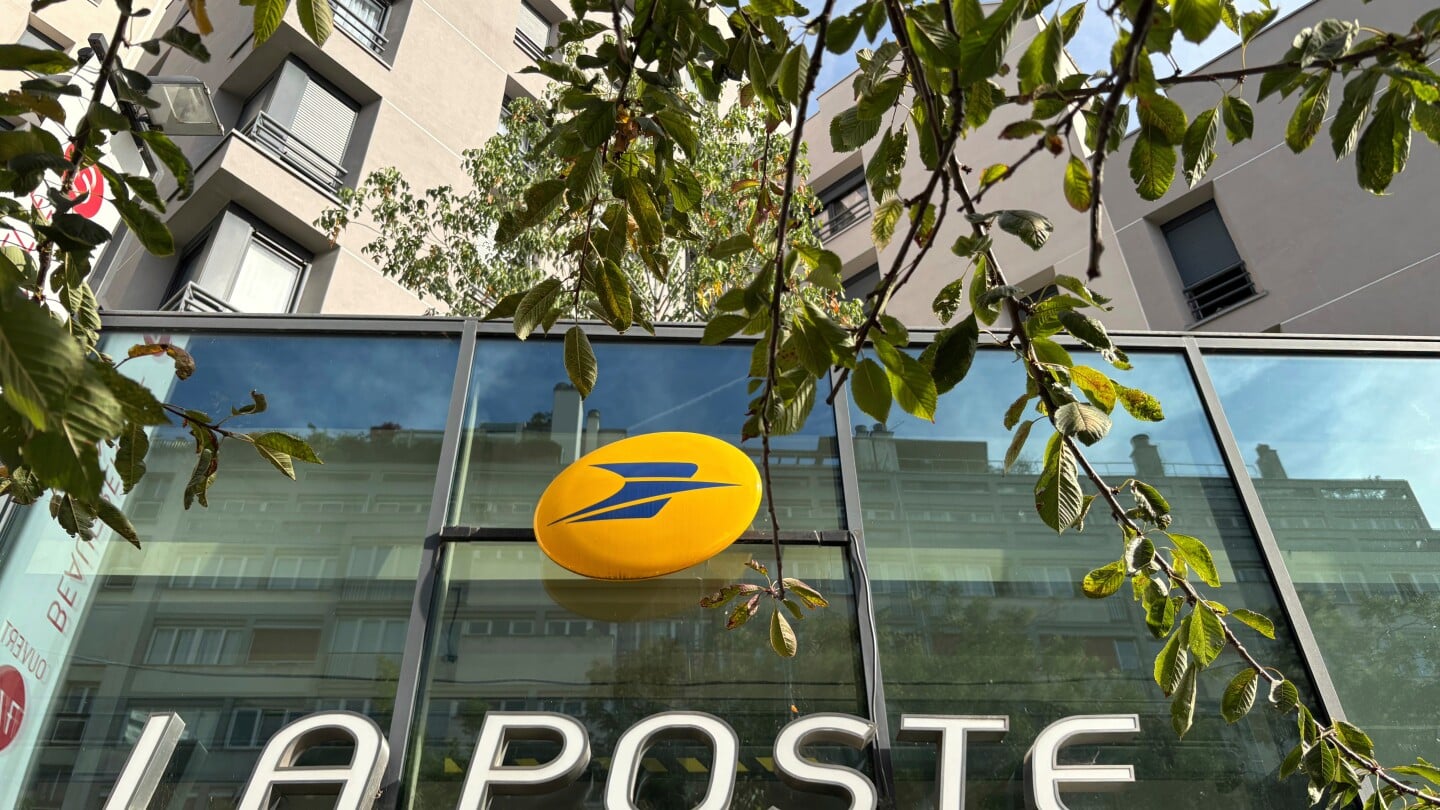
A pro-Russian hacking group claimed responsibility for a DDoS cyberattack that disrupted France's postal service just before Christmas, affecting package deliveries and online banking, as part of broader hybrid warfare efforts against Western countries supporting Ukraine.
A major cyberattack, likely a DDoS, disrupted France's postal service and banking operations just days before Christmas, causing delays and service outages amid ongoing concerns about cyber warfare involving Russia and other foreign actors.
France's national postal service, La Poste, and its banking arm, La Banque Postale, were hit by a suspected DDoS cyber-attack causing service disruptions during the busy Christmas period, with online services inaccessible and mail deliveries slowed, amid a series of recent cyber incidents targeting French government and private sector entities.
France's postal service and banking division, La Poste and La Banque Postale, were hit by a suspected DDoS cyberattack during the Christmas period, disrupting package deliveries and online banking services. The incident follows previous attacks on La Poste and recent cyber breaches involving France's government and a suspected international ferry hacking plot, highlighting ongoing concerns about cyber threats and foreign interference in France.
A suspected cyberattack involving a DDoS incident disrupted France's La Poste postal service and La Banque Postale banking during the Christmas season, causing delays in mail delivery and online banking services, though customer data remained unaffected.
A 22-year-old Oregon man, Ethan J. Foltz, was arrested for operating Rapper Bot, a large IoT-based botnet used for launching massive DDoS attacks, including one that disrupted Twitter/X in March 2025. The botnet, which enslaved around 65,000 devices globally, was rented out to extortionists and was responsible for over 370,000 attacks targeting thousands of victims. Foltz admitted to building and controlling the botnet, which was designed to be manageable and stealthy, and he discussed its capabilities and rival threats in encrypted chats. The case highlights the significant financial and operational risks posed by such cybercriminal activities.
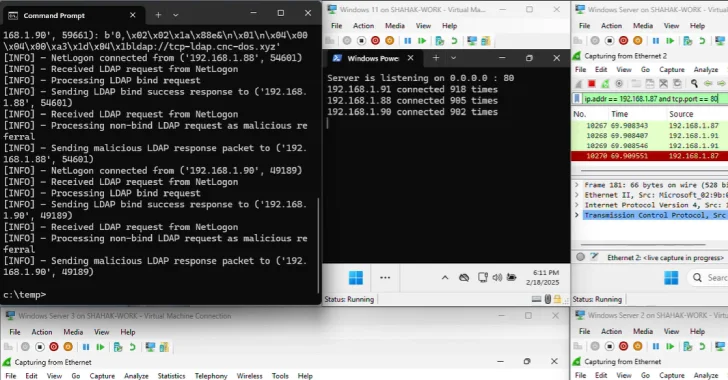
Researchers have discovered a new technique called Win-DDoS that exploits flaws in Windows LDAP and RPC protocols to turn public domain controllers into a powerful botnet for DDoS attacks, without requiring code execution or credentials, and identified multiple related DoS vulnerabilities that can be exploited remotely or internally, challenging assumptions about internal system safety.
A botnet named 'InfectedSlurs' is actively exploiting a remote code execution vulnerability in QNAP VioStor NVR devices, using them for DDoS attacks. The botnet was discovered by Akamai's Security Intelligence Response Team, who observed the exploitation of two zero-day vulnerabilities in routers and NVR devices. The first vulnerability affects FXC AE1021 and AE1021PE WiFi routers, while the second vulnerability impacts QNAP VioStor NVR models running QVR firmware 4.x. QNAP has released security updates and recommends users update their firmware and change passwords. Legacy VioStor NVR models that have reached end-of-life will not receive security updates and should be replaced.
Italy's cyber security agency has reported that at least five banks, including Intesa Sanpaolo, Monte dei Paschi di Siena, and BPER Banca, experienced temporary disruptions to their services due to Distributed Denial of Service (DDoS) attacks. The agency identified pro-Russian hacker groups as the source of the attacks and provided assistance to mitigate their impact.
Microsoft 365 users in Western Europe experienced service problems due to a datacenter in Germany not performing optimally. Complaints ranged from error messages while opening Outlook to LinkedIn being down. The UK seemed to have avoided many of the issues. Microsoft later confirmed that the problem was fixed. The outages in Europe come a week after Microsoft saw wide-ranging outages of Microsoft 365 services and the Azure Cloud portal, which were caused by distributed denial-of-services (DDoS) attacks by a group that the company is tracking as Storm-1359.
Microsoft has revealed that the outages of its 365 services and Azure Cloud portal in early June were caused by a distributed denial of service (DDoS) attack orchestrated by Anonymous Sudan. The attack targeted layer 7 rather than layer 3 or 4, and Microsoft has since hardened its layer 7 protections. The company has not linked the DDoS to the attacker, but has suggested that the group "appears to be focused on disruption and publicity." Microsoft has found no evidence that customer data was accessed or compromised.
Microsoft has confirmed that the service outages experienced by some of its services earlier this month were the result of cyberattacks, specifically DDoS attacks by a threat actor known as Storm-1359. However, the company stated that it found no evidence of any customer data being accessed or compromised during the attacks. Microsoft did not disclose the identity of the party responsible for the attack.
Warzone 2 players are avoiding Al Mazrah Quads due to rampant cheating, with some players using DDoS attacks to achieve the Tactical Nuke challenge. Other players have reported laggy and unplayable matches in the Quads playlist, while Ashika Island is considered a safer option as it's impossible to achieve the nuke streak there. Activision has yet to address the issue.