A study reveals that over 97% of electron microscope images are not published, representing a vast, untapped resource for AI and scientific discovery. Experts suggest systematic archiving and sharing of these images could enhance research and accelerate new findings.
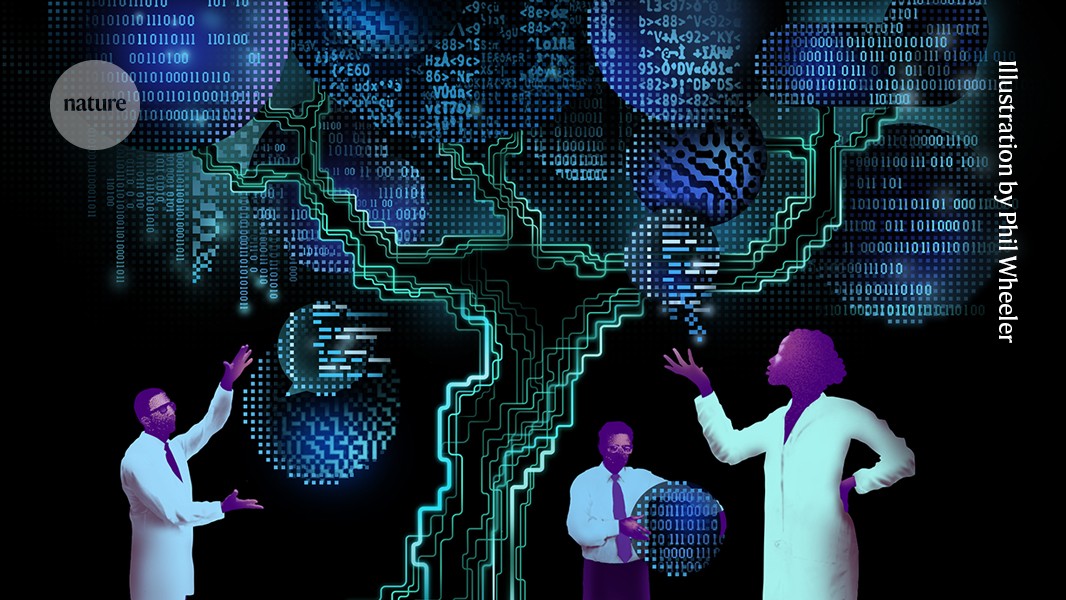
The article emphasizes the importance of properly recording, sharing, and valuing scientific software to improve research integrity and reproducibility. It advocates for better training in software practices for scientists, streamlined archiving processes, and institutional support to handle the evolving nature of research software, proposing the 'CODE beyond FAIR' approach to address current challenges.
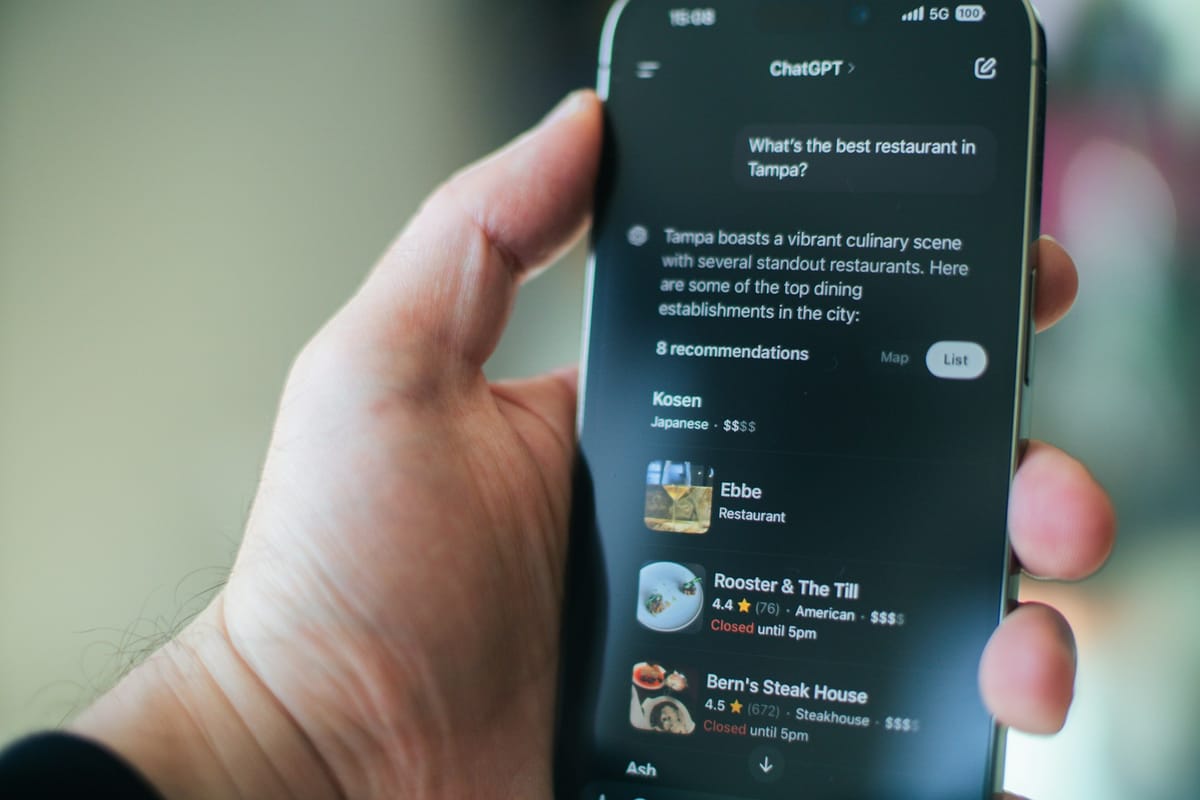
Over 130,000 conversations with AI chatbots like Claude, Grok, and ChatGPT are publicly accessible on Internet Archive, raising concerns about user privacy and the risks of sharing settings that make chats publicly viewable. This follows earlier reports of Google indexing shared ChatGPT conversations, highlighting the need for users to be cautious with their sharing preferences.
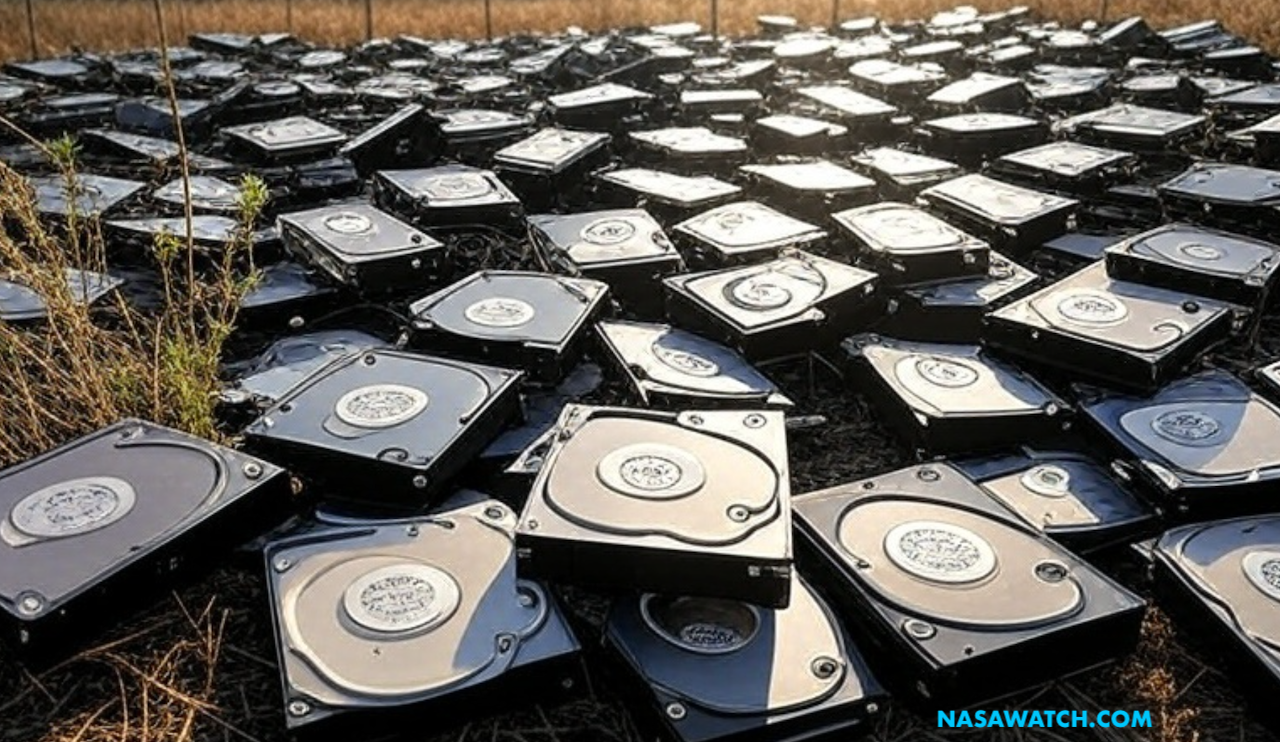
NASA faces a potential data disaster due to the abrupt cancellation of missions without proper data transition or archiving plans, risking widespread data loss and scattering unless individuals take initiative to preserve it independently.
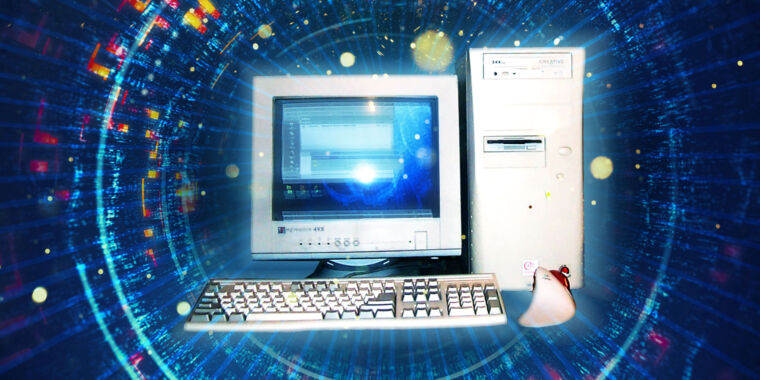
A writer reflects on a 1998 email from the president of his dial-up ISP, reminding him to disconnect after 20 hours of usage. In the '90s, Internet access was not always-on, and each occupied telephone line meant another customer couldn't use it. The writer, an amateur data archivist, discovered the email while organizing his archives and recalls the frustration of being told to disconnect despite paying for "unlimited" service. The email highlights the limitations of dial-up internet and the challenges of sharing resources among customers.