A Singletracks reader poll finds that a slim majority of mountain bikers now have an electronic drivetrain on at least one bike (about 51%), up from 44% a year earlier; 34% still have no interest. The article notes changes since the 2021 survey and invites readers to share what’s changed since then.
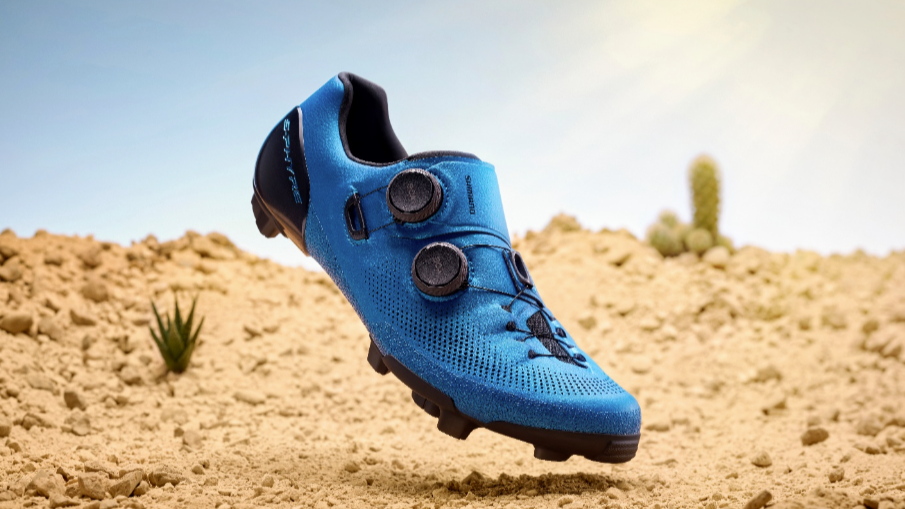
Shimano has introduced its first major update to the SPD cleat platform in 30 years with the new CL-MT001 cleats, offering easier engagement and compatibility with existing Shimano SPD systems, alongside the launch of high-end gravel shoes featuring innovative power transfer and stability enhancements. These developments aim to improve user experience for both new and experienced cyclists, especially in gravel and off-road racing.
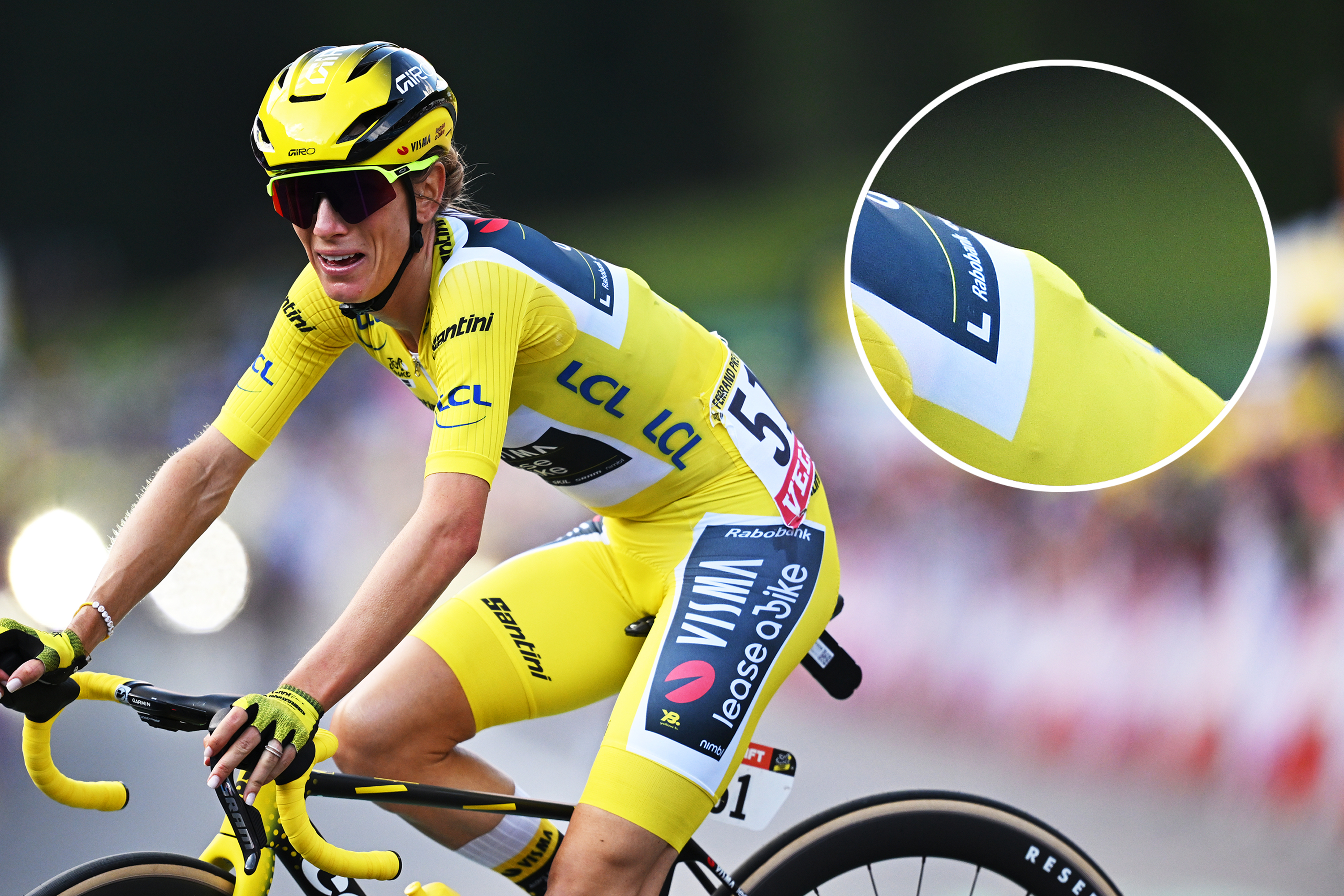
Pauline Ferrand-Prévot wore a circular sensor on her back during the Tour de France Femmes, which she used to help secure her victory in the race, marking a significant win for France in the women's version of the Tour de France since 1990.
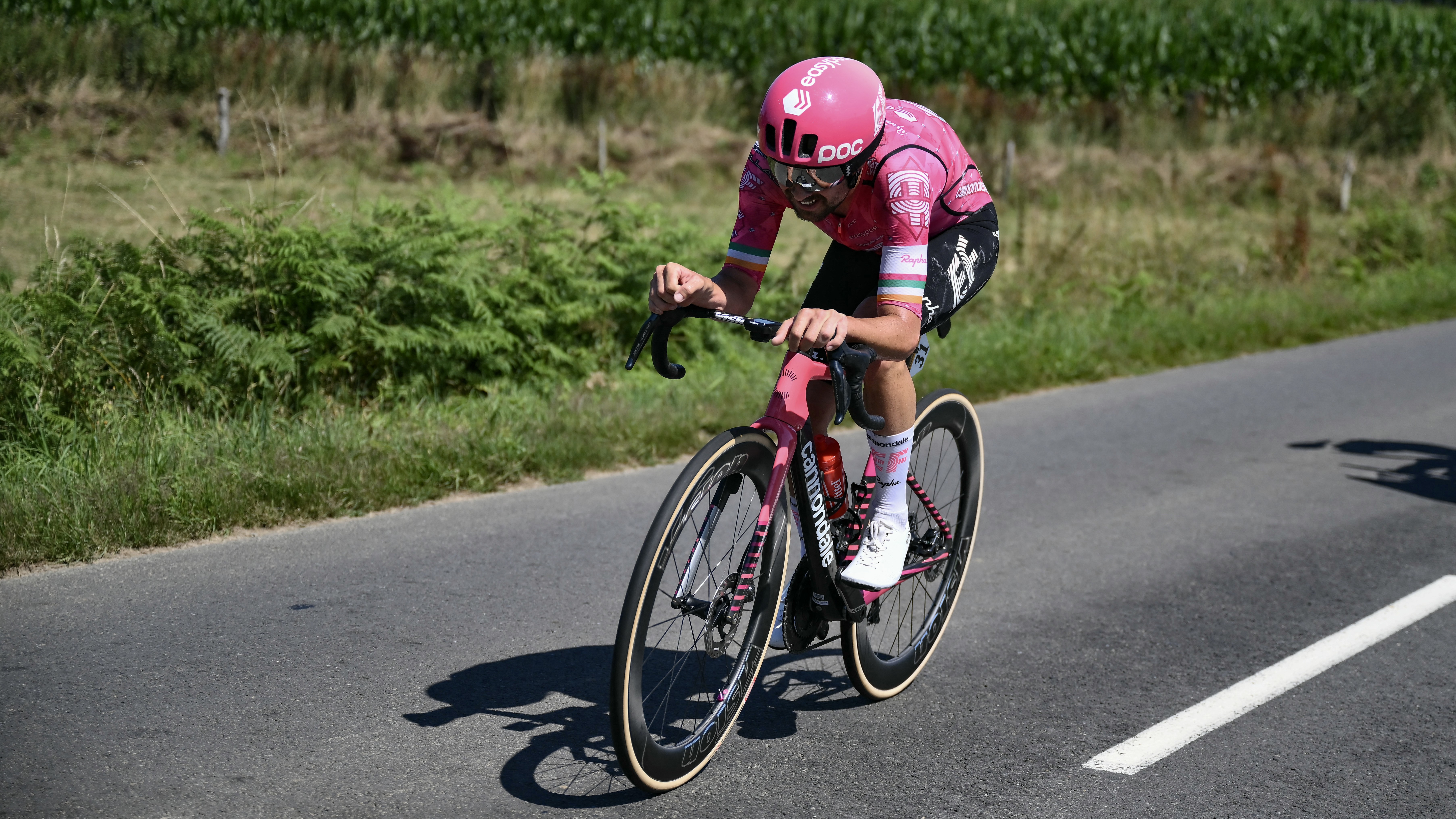
Ben Healy utilized race craft, technical optimizations, and aerodynamic gear such as aero sunglasses and cut-off skinsuit sleeves to achieve a solo victory on stage 6 of the Tour de France, demonstrating the importance of both power and strategy in cycling success.
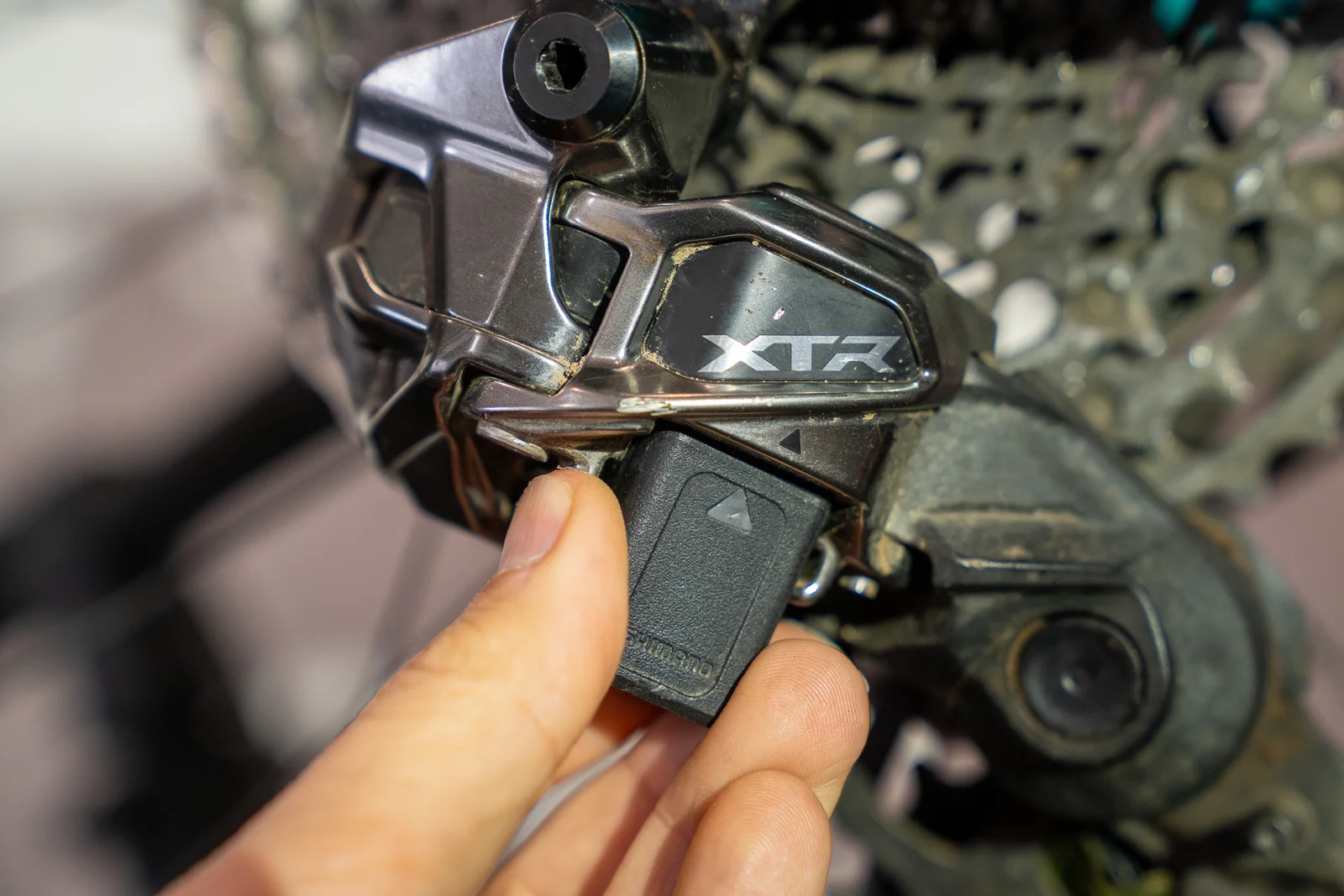
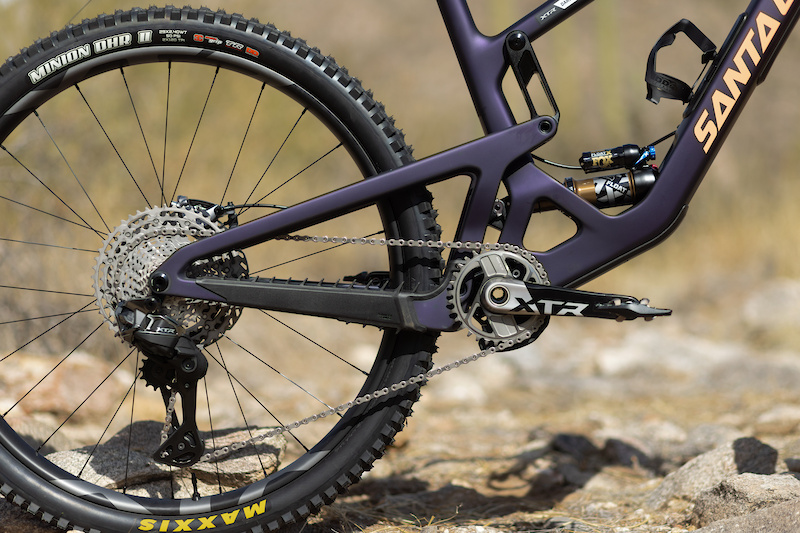
Shimano's new XTR Di2 wireless drivetrain features 12-speed gear shifting without cables, offering two variants for different cassette sizes, along with updated brakes, wheels, and pedals, all designed to improve performance and customization for mountain biking enthusiasts.
The Wahoo Elemnt Ace is a new GPS cycling head unit that introduces an integrated wind sensor, aiming to provide airspeed data and new metrics like "Wind Dynamics." While the device offers a large touchscreen, enhanced navigation, and a 30-hour battery life, its wind sensor faces challenges in wet conditions and may not yet be reliable for aero testing. The Ace's size and weight limit its mounting compatibility, and several features are deferred to future updates, raising questions about its current value at a high price point.
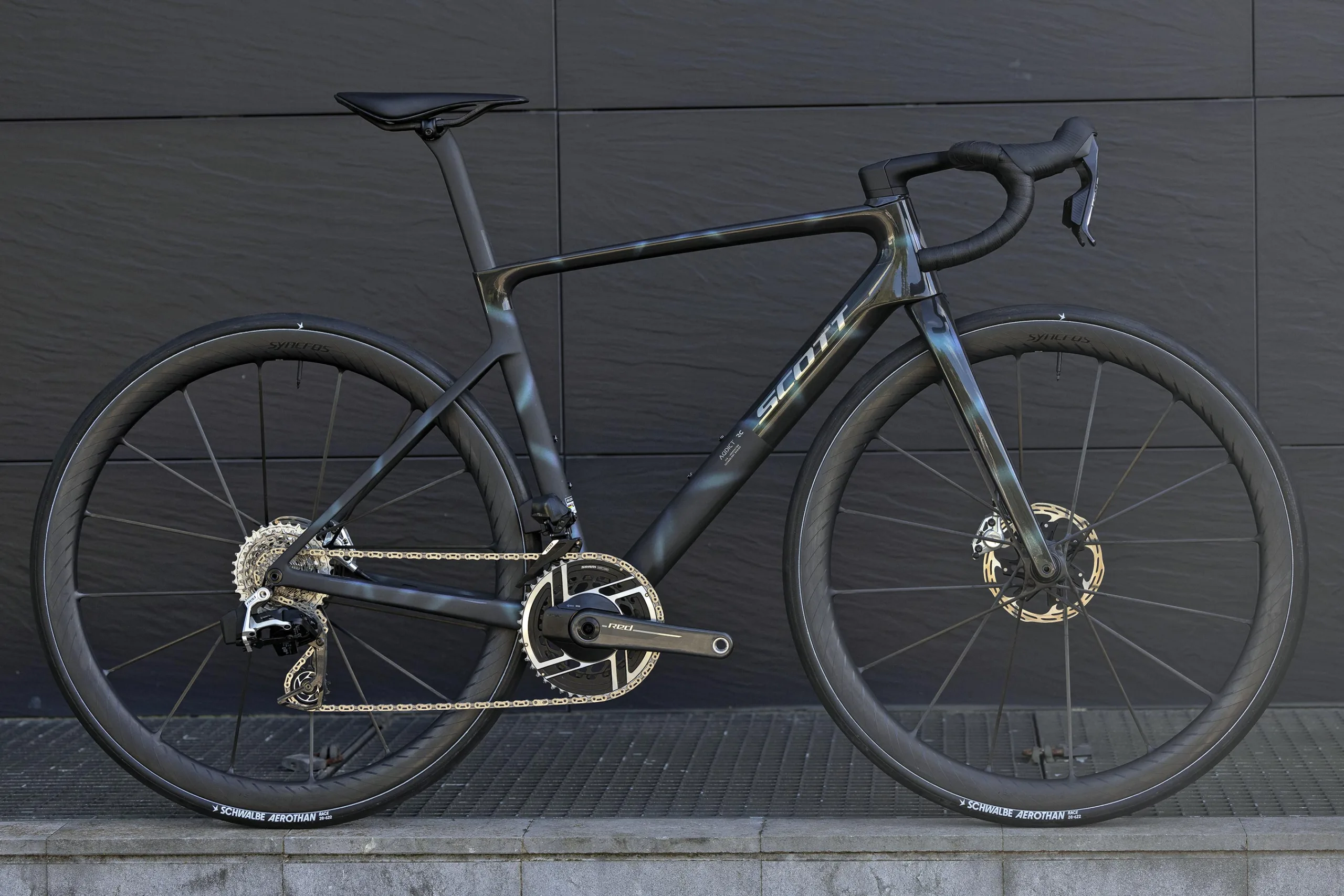
Scott has unveiled the 2024 Addict RC, its lightest road bike ever, weighing under 5.9kg. The bike features a redesigned carbon frame using inflatable polypropylene inserts to reduce weight while maintaining strength and stiffness. It includes aerodynamic enhancements, improved rider comfort with larger tires, and a new seatpost design. The Addict RC is available in various models, with the top-tier Ultimate version priced at $15,000, featuring premium components and a lightweight build. The bike is set to be available in shops by December.
Lotto Dstny has decided to exclusively race on 30mm tyres with hookless rims following safety concerns and UCI's investigation into the technology. The team made adjustments to their setup to minimize the risk of tyre issues, and the UCI has formed a new task force to address equipment and rider safety. Hookless rims offer advantages such as weight reduction and aerodynamic benefits, but concerns about their safety on road bikes remain. The future of hookless rims in cycling is uncertain pending the findings of the UCI's SafeR group.
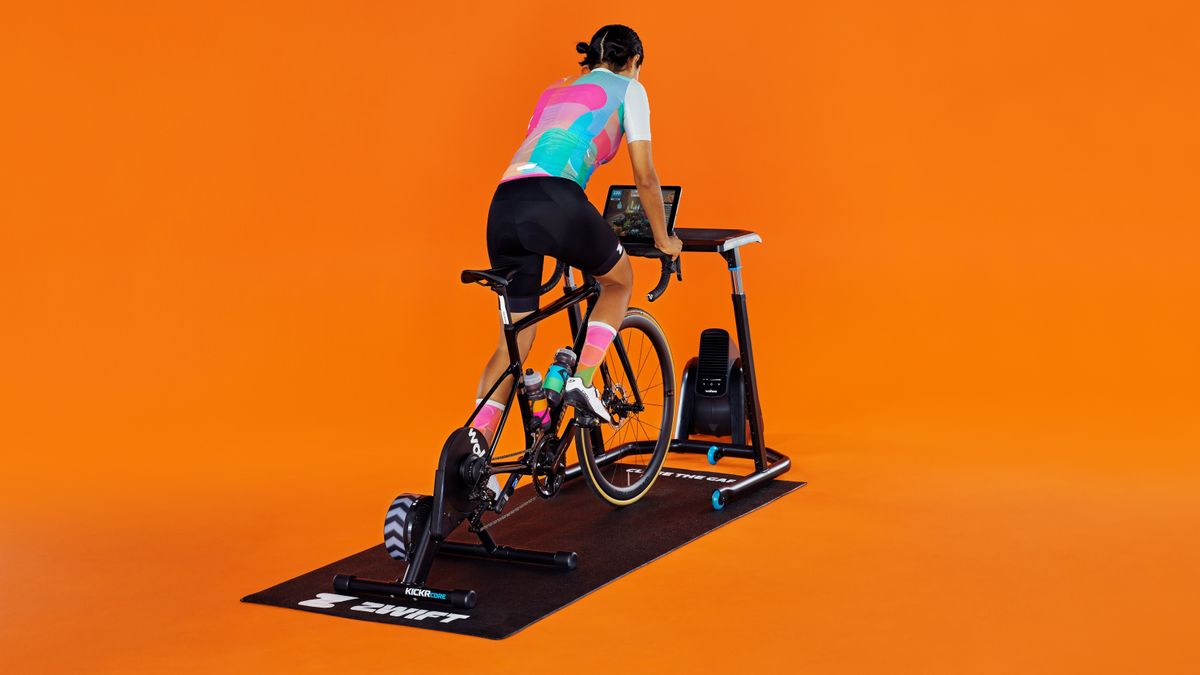
Wahoo and Zwift have settled their patent infringement lawsuit and formed a partnership, leading to the discontinuation of Zwift Hub One and the launch of Wahoo Kickr Core Zwift One smart trainer. The collaboration aims to enhance the indoor cycling experience for customers, expand distribution, improve aftermarket support, and potentially integrate Wahoo's Systm program into Zwift. The partnership signifies a shift from adversaries to allies, with both brands working together to grow the indoor cycling category and provide a better experience for users.
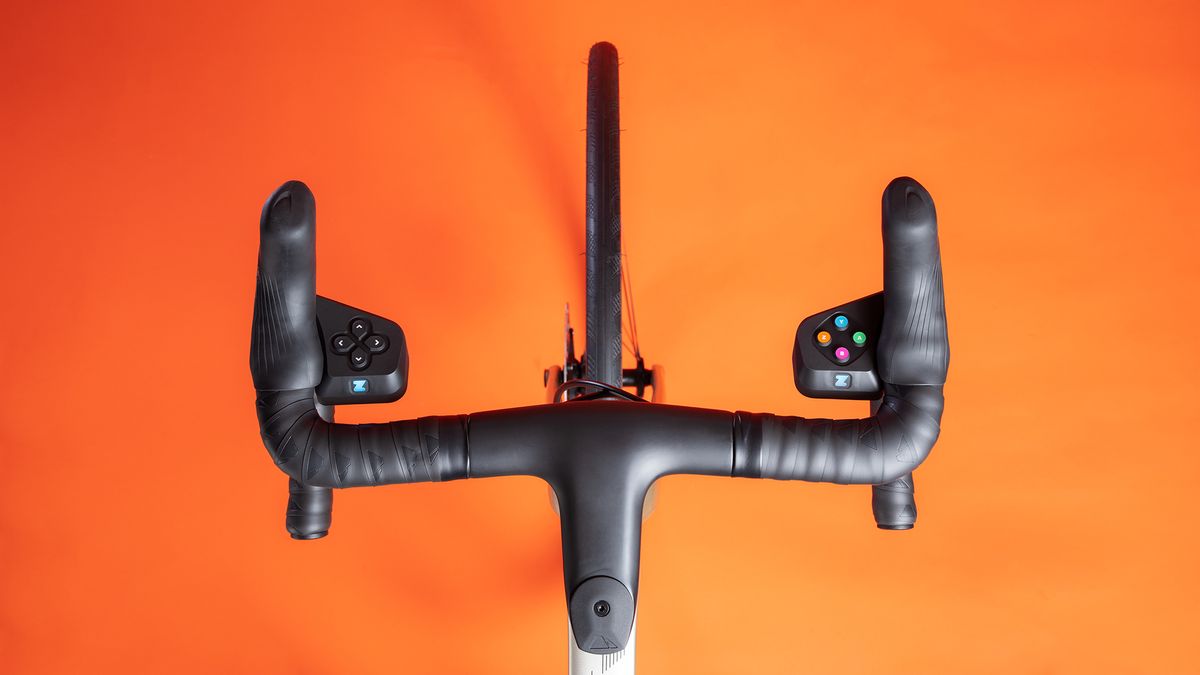
Zwift has launched a new product called Zwift Play, which is a pair of controllers that wrap around the curve of your drop bars, allowing users to interact with Zwift while riding. The hardware is part of an effort to make it easier to interact with Zwift, which has been a hassle for users. The software has also been updated to address the lack of useability around steering, which has been enabled by default. The hardware is available for purchase in the US, UK, and EU for a limited time at $99/£99/€99, with an expected MSRP of $149/£149/€149.
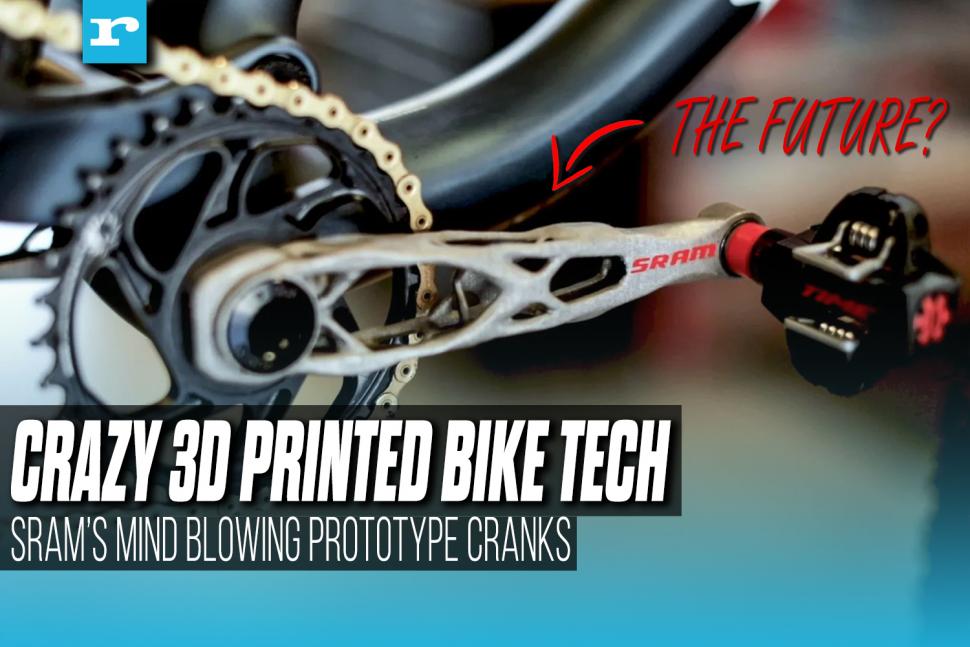
3D printing has revolutionized the cycling industry, with everything from saddles to whole bike frames being 3D printed. Specialized, Selle San Marco, Fizik, and Selle Italia are among the brands that offer 3D printed saddles. 3D printed handlebars, stems, and cockpits have also seen success, with the Mythos Elix stem being the world's first commercially available 3D printed stem. Pinarello's Bolide F HR 3D claims to be the world's first and fastest high-performance 3D printed bike. Moots is already using 3D printed dropouts on selected frames, and Silca has been 3D printing bike components for years. The future of 3D printing in cycling is likely to include more affordable scanning equipment and automatic design for each unique bike.