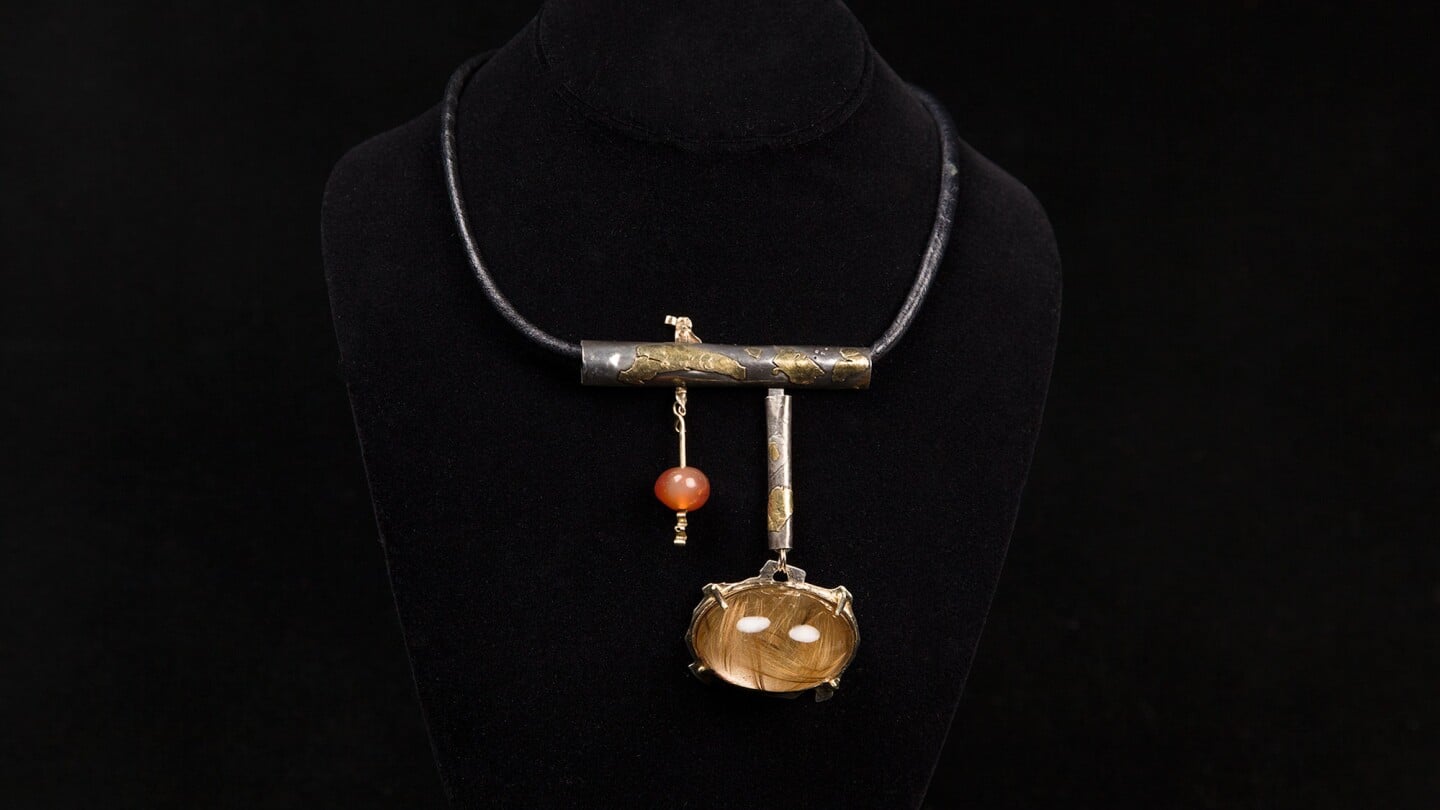
Over 1,000 items, including Native American artifacts, jewelry, and memorabilia, were stolen from the Oakland Museum of California's off-site storage, likely through a crime of opportunity. Authorities are investigating, and community help is sought to recover the stolen items, which may appear in flea markets or online resale platforms.
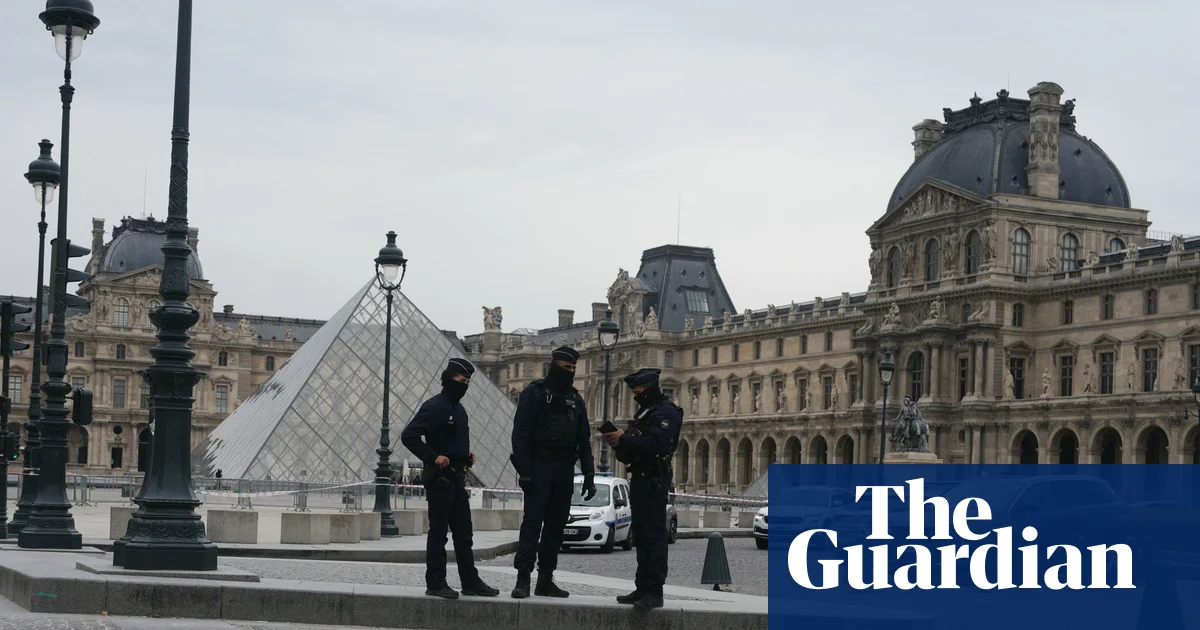
The Louvre experienced a major theft of priceless jewelry worth nearly €90 million, with four thieves using a ladder to break in and steal eight pieces of Napoleonic jewelry, prompting investigations and security reviews amid questions about how the crime was executed.
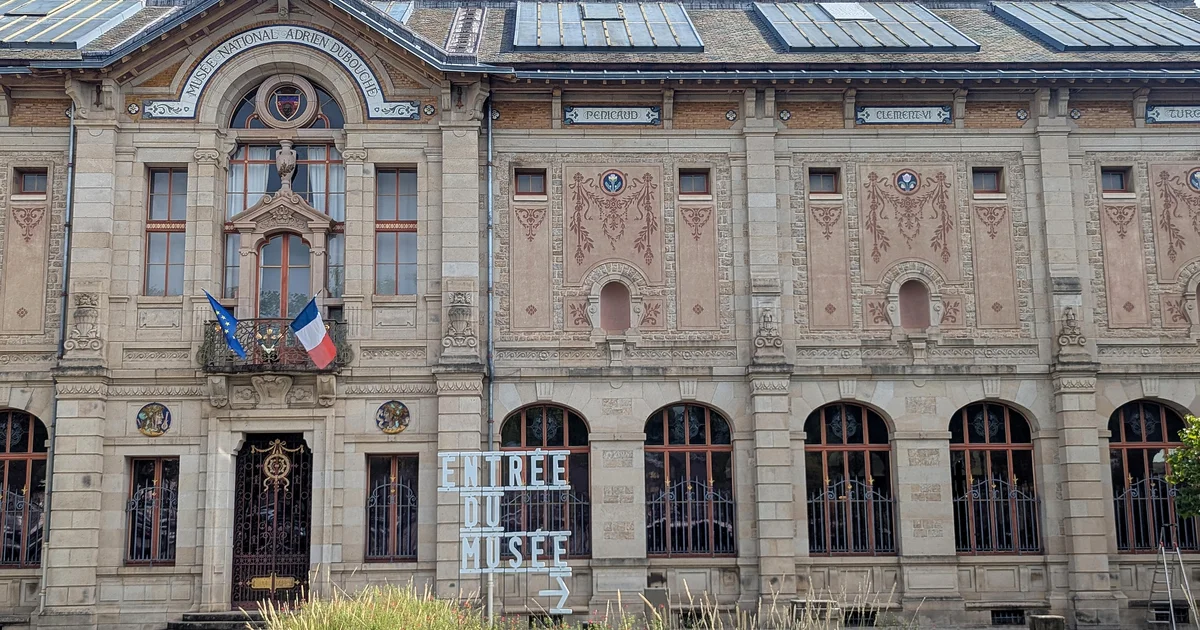
Thieves stole three valuable Chinese porcelain pieces worth about $11 million from the Adrien Dubouche Museum in Limoges, France, triggering an investigation. The theft involved smashing a window and occurred in the early hours, with security systems possibly needing review. This incident follows a series of recent museum and jewelry heists in France.
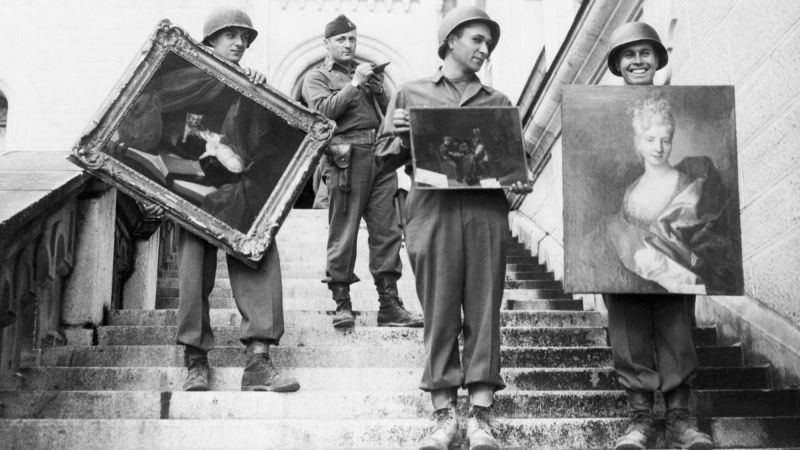
A report by the World Jewish Restitution Organization (WJRO) reveals that over half of the countries endorsing the Washington Principles have made "little or no progress" in returning Nazi-looted art in the 25 years since the principles were drafted. While some countries have made major or substantial progress, many have not conducted historical research on restitution, looked into the provenance of their collections, or established a process for claims. The report also highlights the need for transparency, improved provenance research, and facilitating restitution claims, especially for private collectors. The release of the report coincided with an event in New York where the US Secretary of State endorsed best practices in art and cultural-property restitution, marking the first governmental document on Holocaust restitution to be endorsed in nearly 15 years.
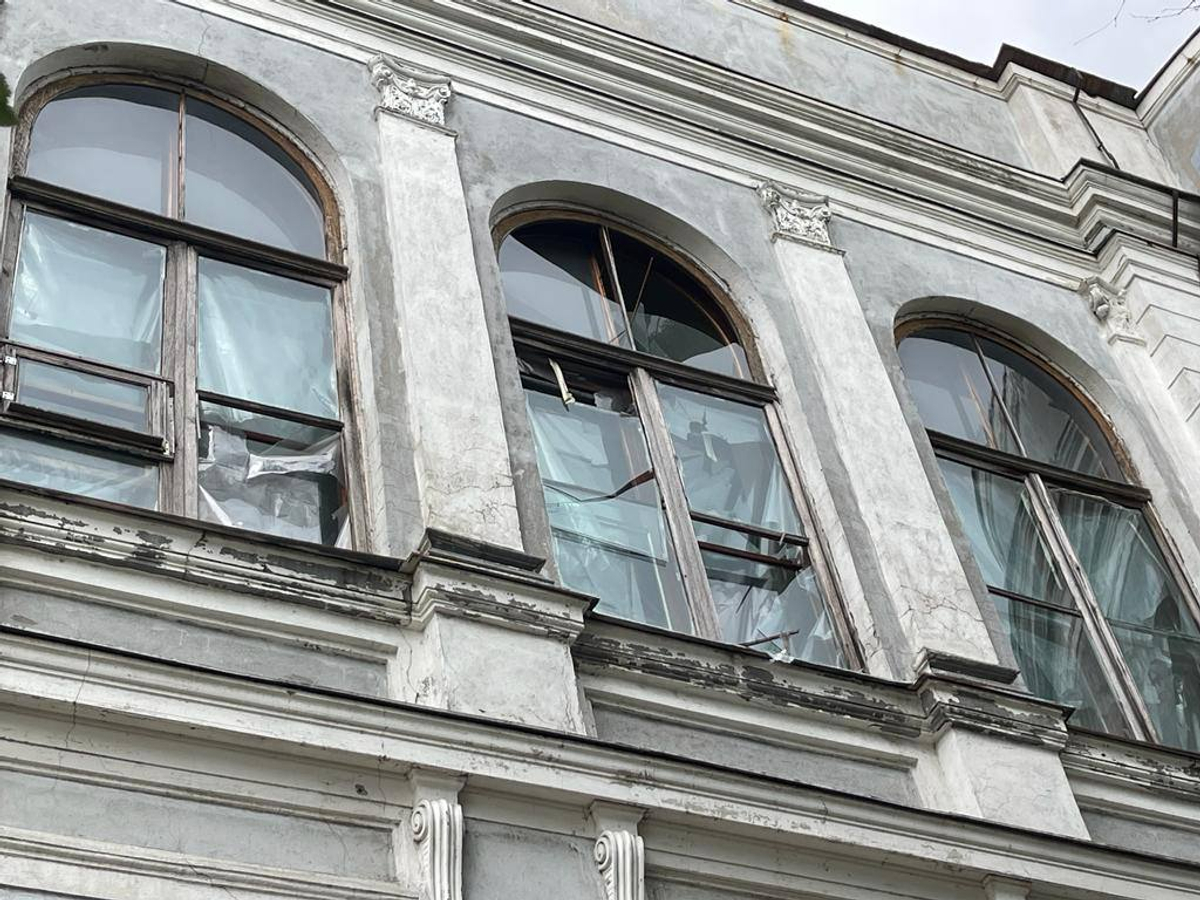
UNESCO strongly condemns the Russian attack on the buffer zone of the Odesa World Heritage Site, which has caused damage to several museums of cultural significance. This attack is the second violation of the 1954 Hague Convention for the Protection of Cultural Property in the Event of Armed Conflict in the area, following the destruction of a historic building in Lviv. UNESCO expresses support for the people of Odesa and calls for a cessation of attacks on cultural property.
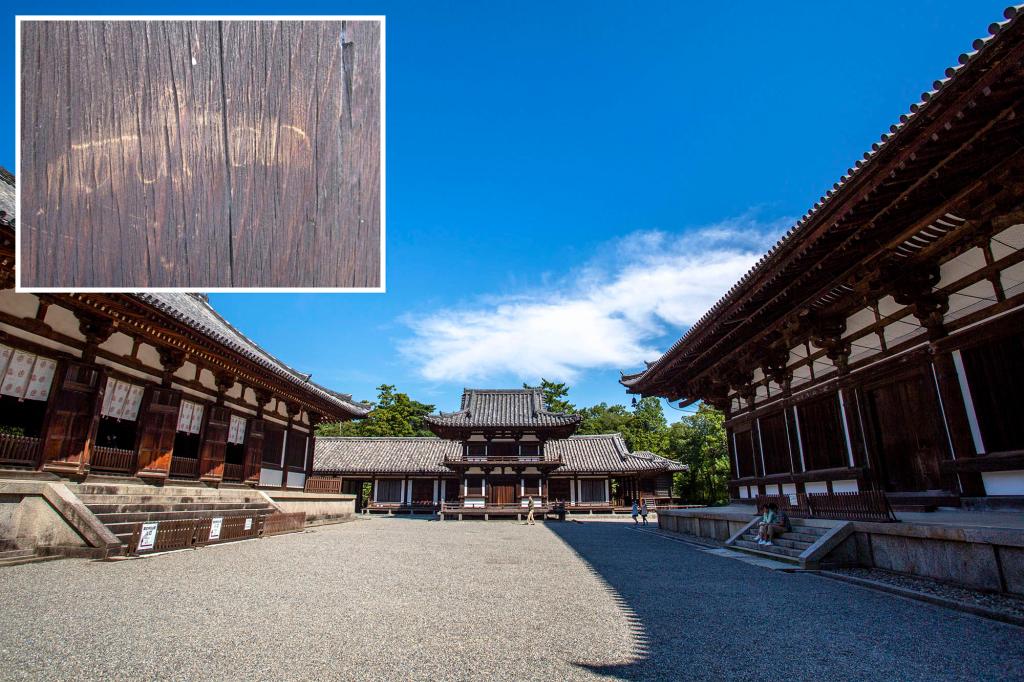
A 17-year-old Canadian tourist was taken in for questioning in Japan after allegedly carving his name into a wooden pillar at the 1,200-year-old Toshodaiji Kondo temple, a UNESCO World Heritage Site. The vandalism was witnessed by a Japanese visitor who alerted temple staff. The teenager admitted to the act and is being investigated for violating the Law for the Protection of Cultural Properties. This incident follows a similar act of vandalism by a UK tourist at Rome's Colosseum.
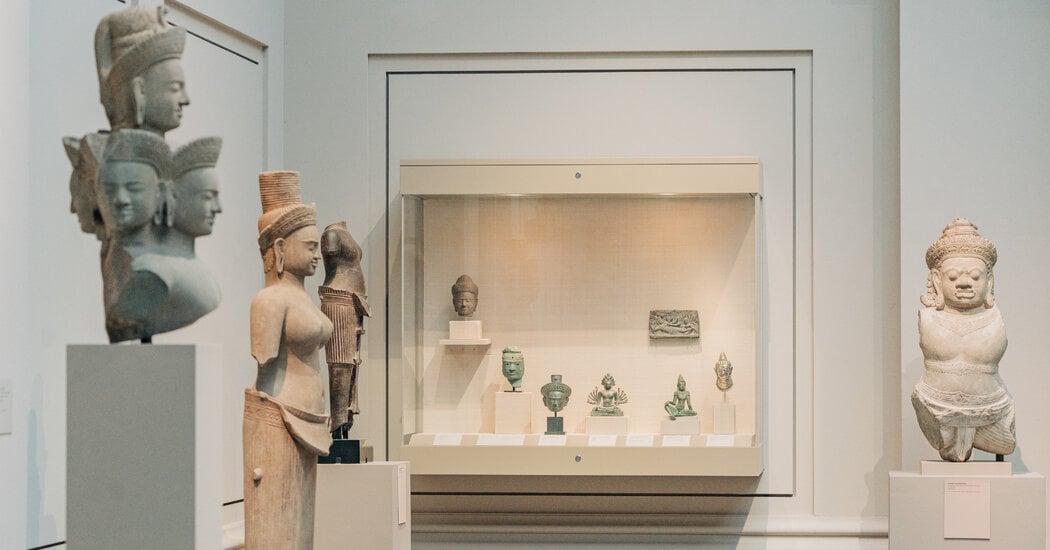
The Metropolitan Museum of Art has announced a new effort to review its collection and policies with the aim of returning items with problematic histories. The museum will hire a four-person provenance research team to review its holdings for works with tainted histories. The Met has been facing increasing calls to repatriate works that law enforcement officials and foreign governments say it has no right to. The museum's stature and the scope of its effort is likely to affect how other institutions grapple with the increasing pressure to return ancient items that bear evidence of having been looted.