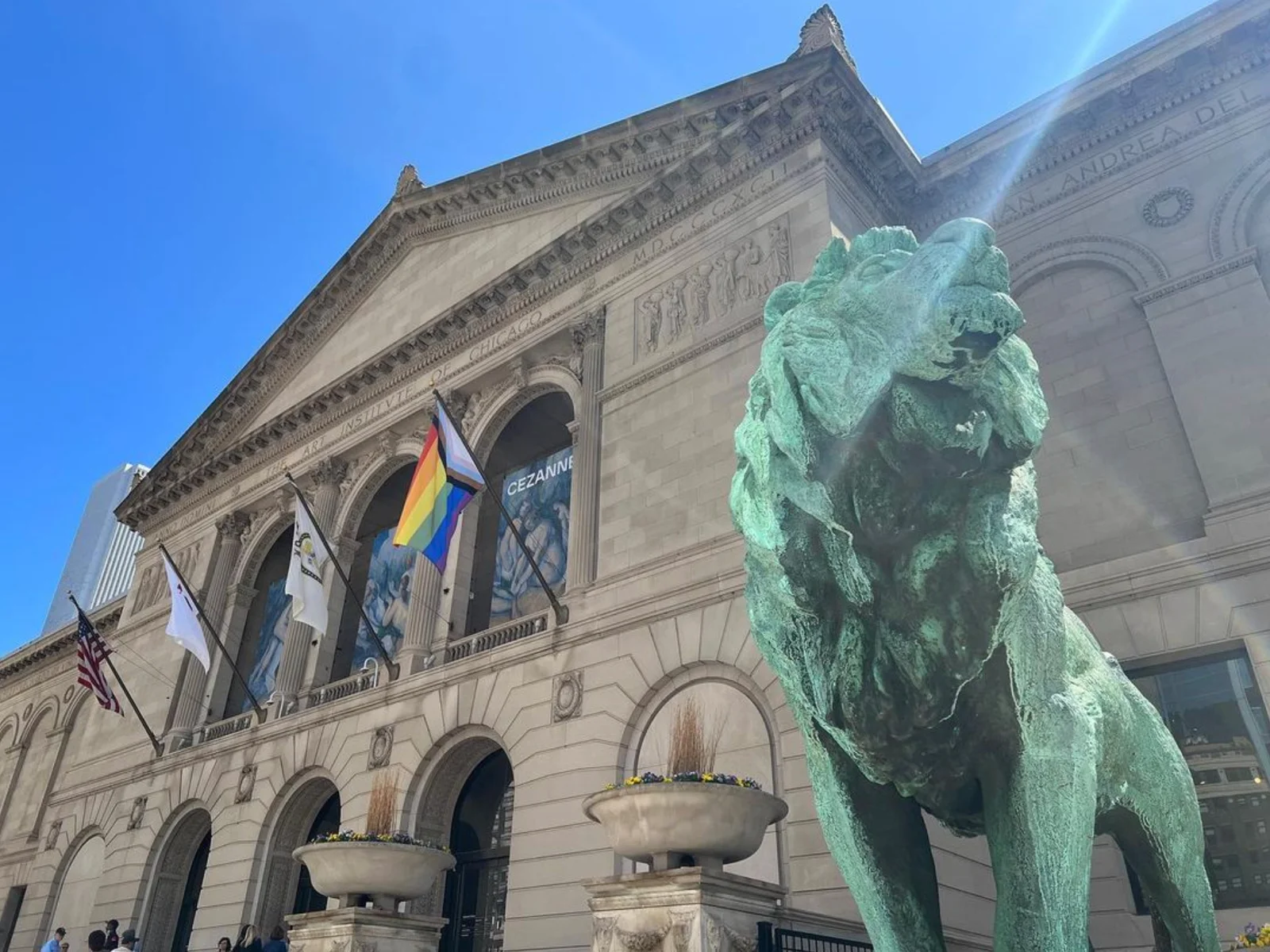
Chicago offers numerous museums and cultural institutions with free admission days in 2026, including the Adler Planetarium, Art Institute, Shedd Aquarium, and more, providing residents and visitors opportunities to explore art, science, history, and nature without cost during winter months.
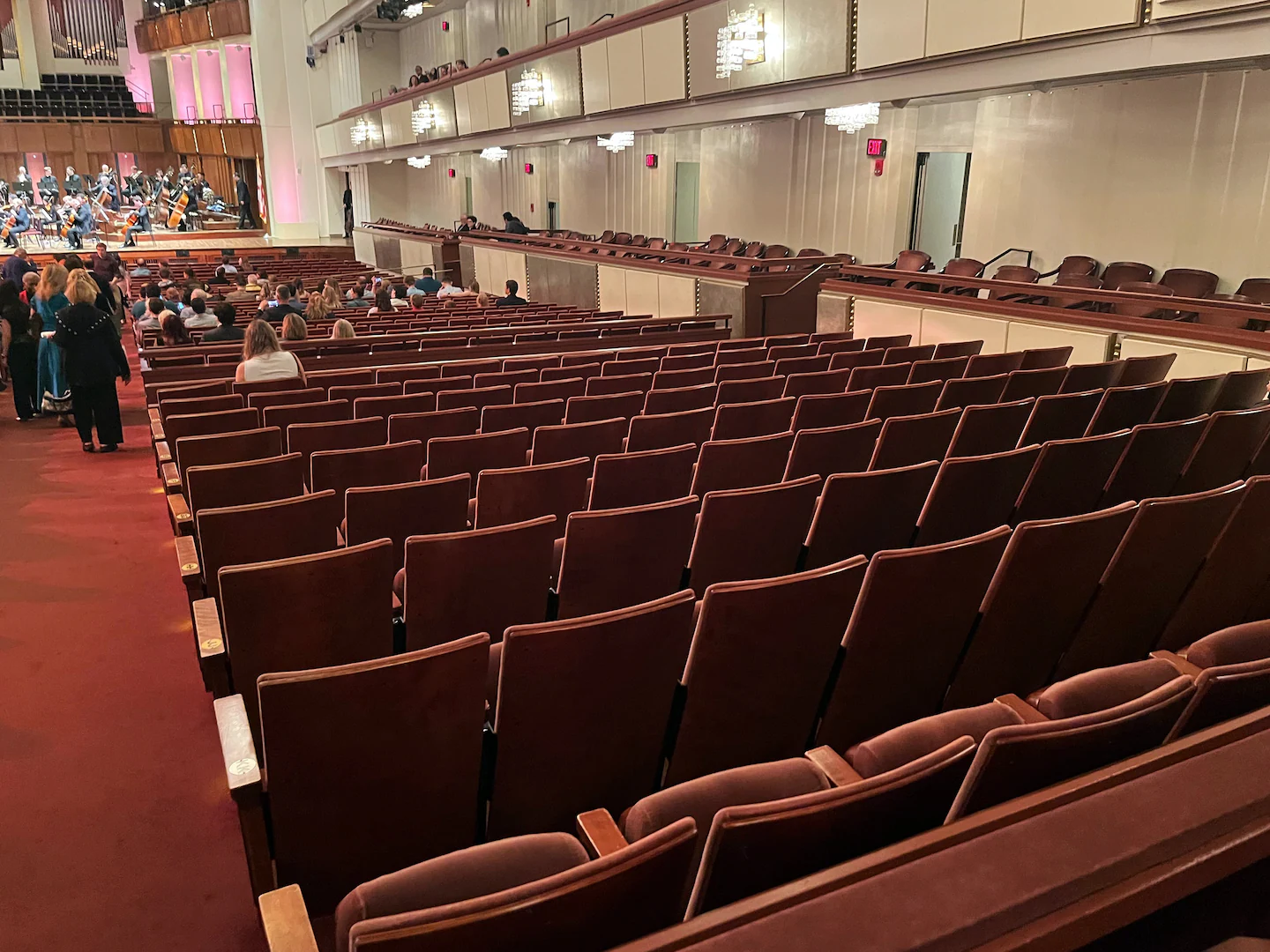
Since President Trump took over the Kennedy Center in February, ticket sales have significantly declined, with Trump and his appointees criticizing the previous leadership for poor revenue and aiming to make the center more commercially successful.
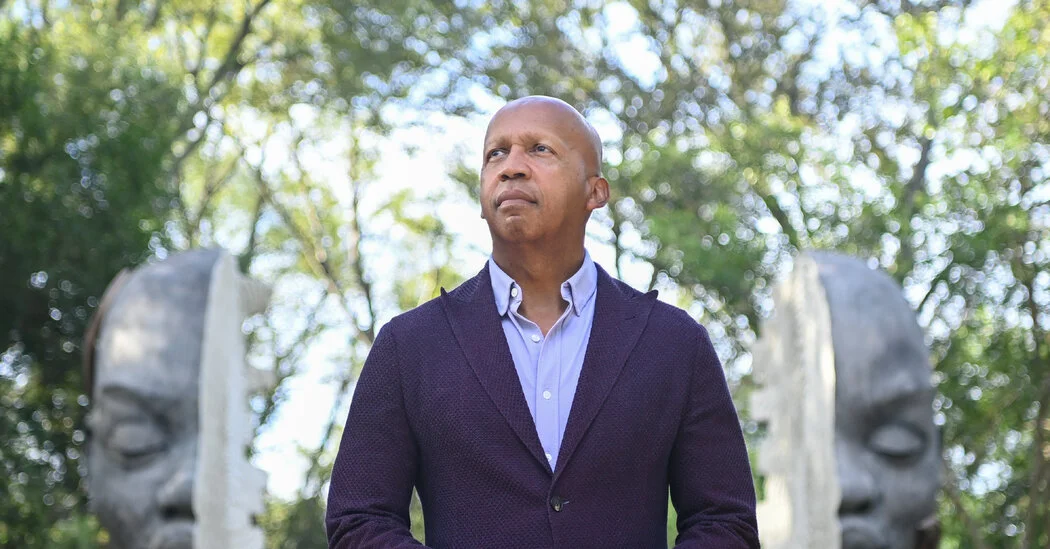
Civil rights lawyer Bryan Stevenson urges cultural institutions to actively confront and expand their efforts to address America's history of race and slavery, especially in light of recent political actions to remove related exhibits, emphasizing that silence in this moment is dishonorable.
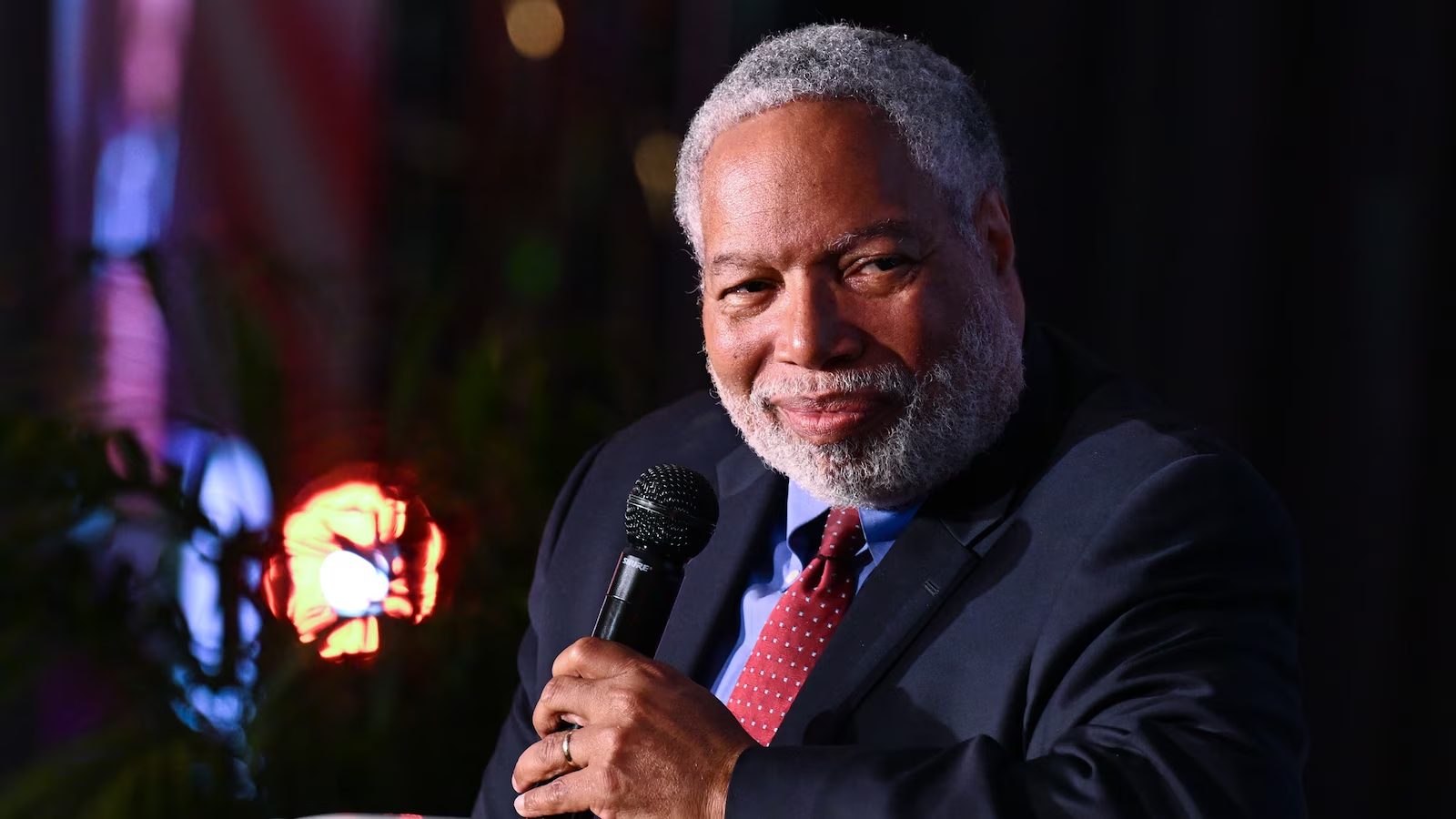
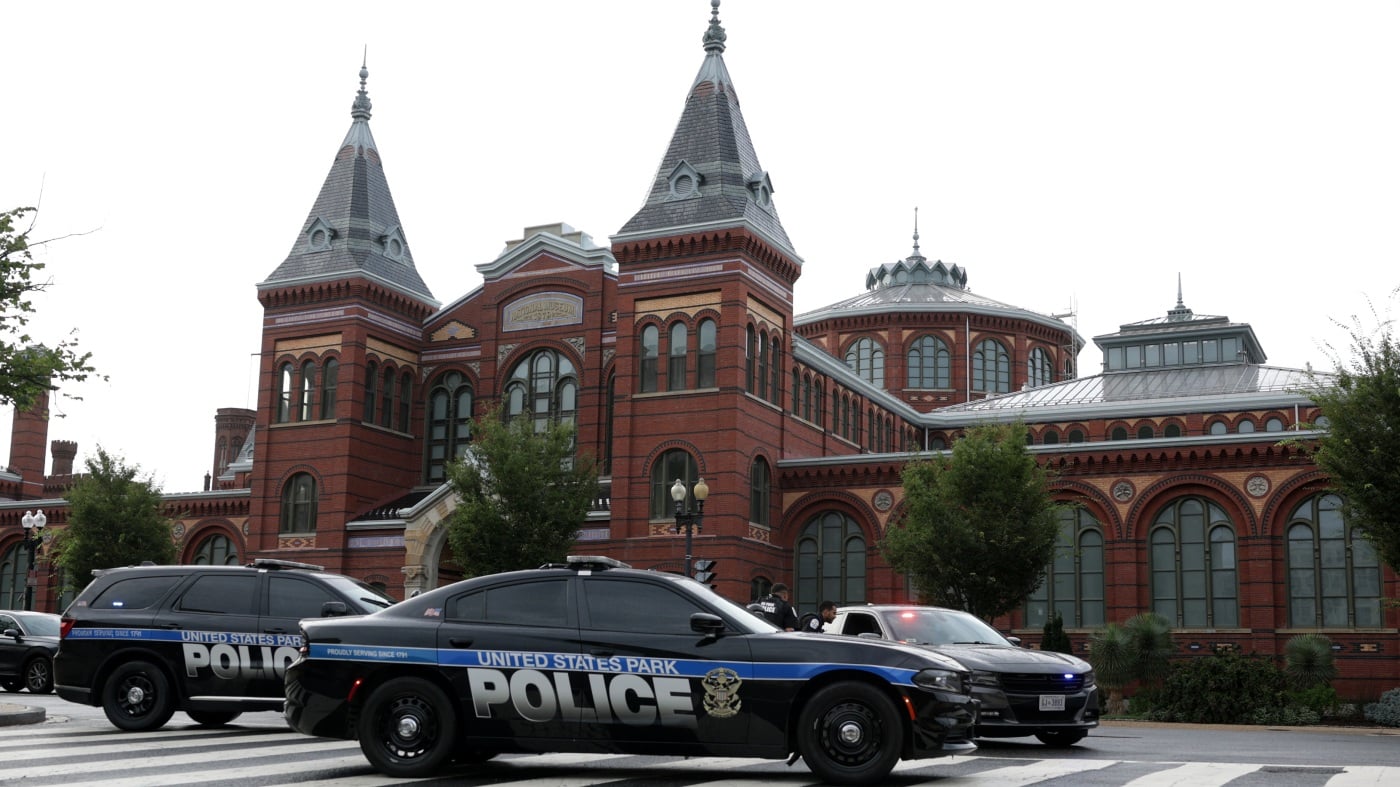
Smithsonian Secretary Lonnie Bunch III reaffirmed the institution's independence in a letter to the White House amid a planned review of its exhibits by the Trump administration, emphasizing that the Smithsonian will control its programming and content, and will conduct its own internal review before briefing the White House.
Four Democratic senators have urged the Smithsonian to resist White House efforts to influence its content and maintain its independence, amid recent criticisms and proposed audits by the Trump administration. They emphasize that the Smithsonian is a federally funded, independent trust managed by Congress, not the executive branch, and should be protected from political interference.
The White House is pressuring the Smithsonian to alter exhibits and reshape American history, reflecting ongoing cultural and political conflicts over how the nation's story is told.
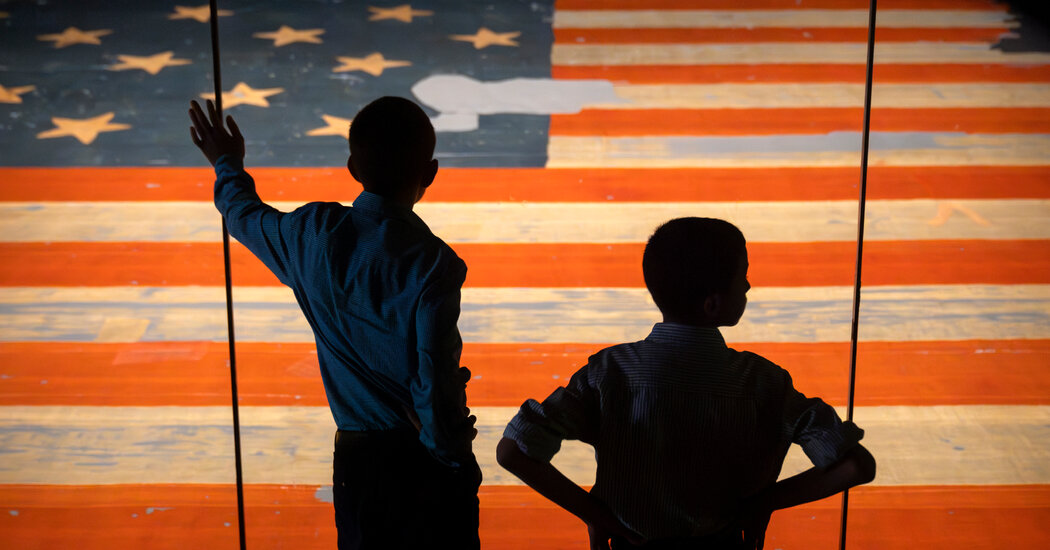
The Trump administration is conducting a review of Smithsonian museums to ensure they promote American unity and values, raising concerns among historians about the importance of presenting a complete and honest account of American history, including difficult topics like racism and colonialism.
The White House is conducting a review of Smithsonian museum exhibitions to ensure they align with President Trump's view of American history, focusing on promoting American exceptionalism and removing divisive narratives ahead of the 250th anniversary.
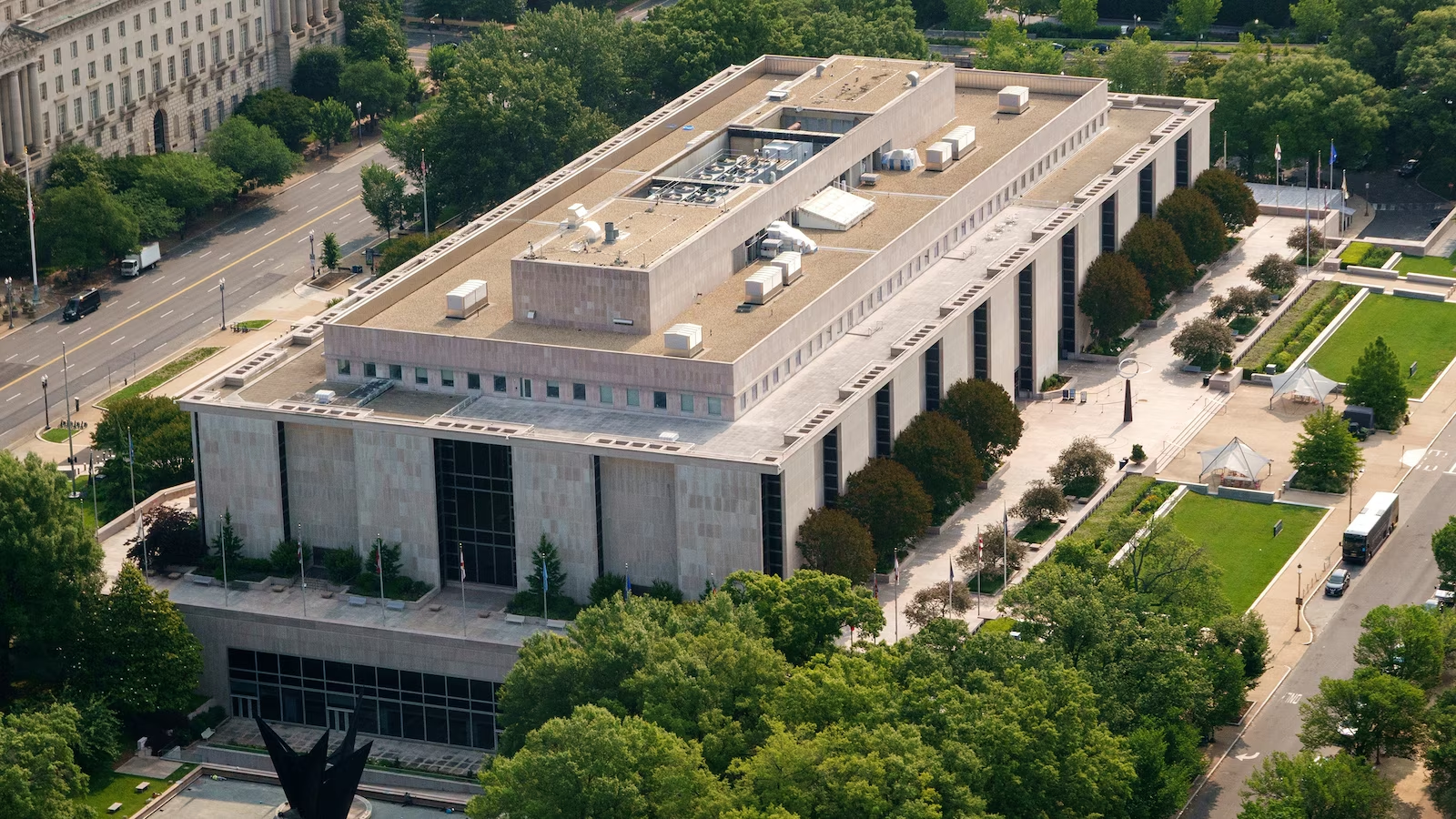
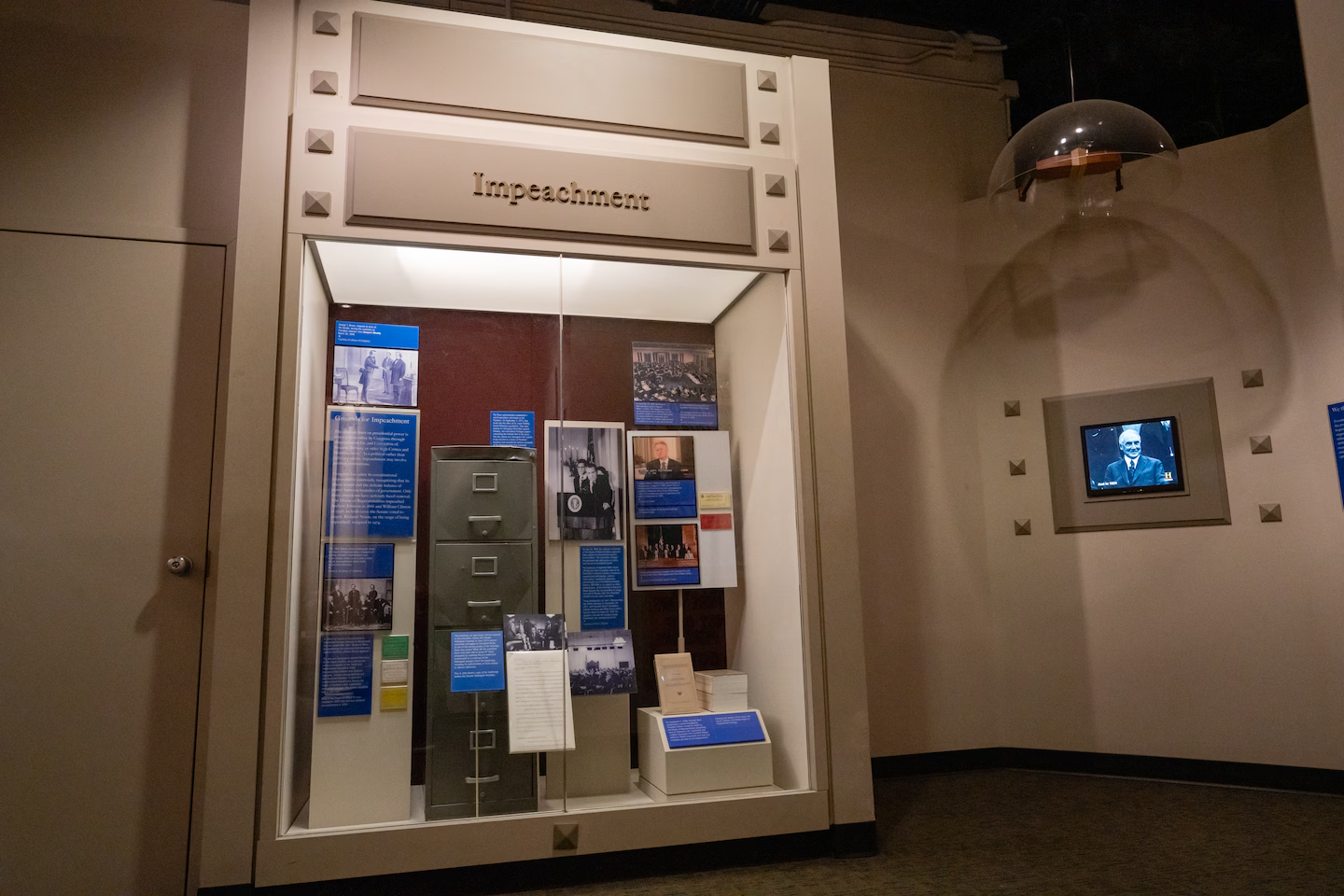
The Smithsonian will restore information about Donald Trump's two impeachments to its American history exhibit within weeks, after removing a placard describing them last month during a content review, which the museum claims was due to presentation standards and not government pressure.
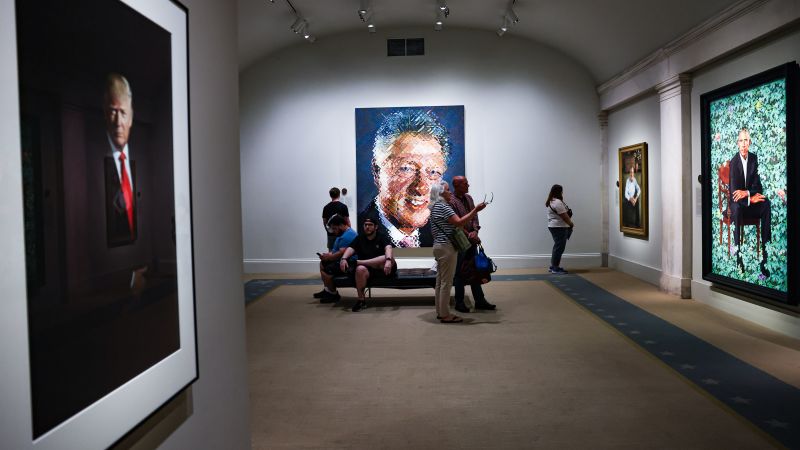
The Smithsonian Institution reaffirmed its commitment to nonpartisan operations following President Trump’s attempt to remove the director of the National Portrait Gallery, citing concerns over political bias and support for diversity initiatives. The institution emphasized that personnel decisions are made by its secretary and overseen by the Board of Regents to maintain its nonpartisan stance amid broader efforts by Trump to influence American cultural and artistic institutions.
The Berlin Film Festival has announced its decision to leave Elon Musk's social media platform X by the end of 2024, following a similar move by the Venice Film Festival. The Berlinale's departure is likely influenced by Musk's political leanings and the platform's shift towards right-wing voices, which contrasts with the progressive values of European cultural institutions. The festival will focus its social media presence on platforms like Instagram, Facebook, and YouTube instead.
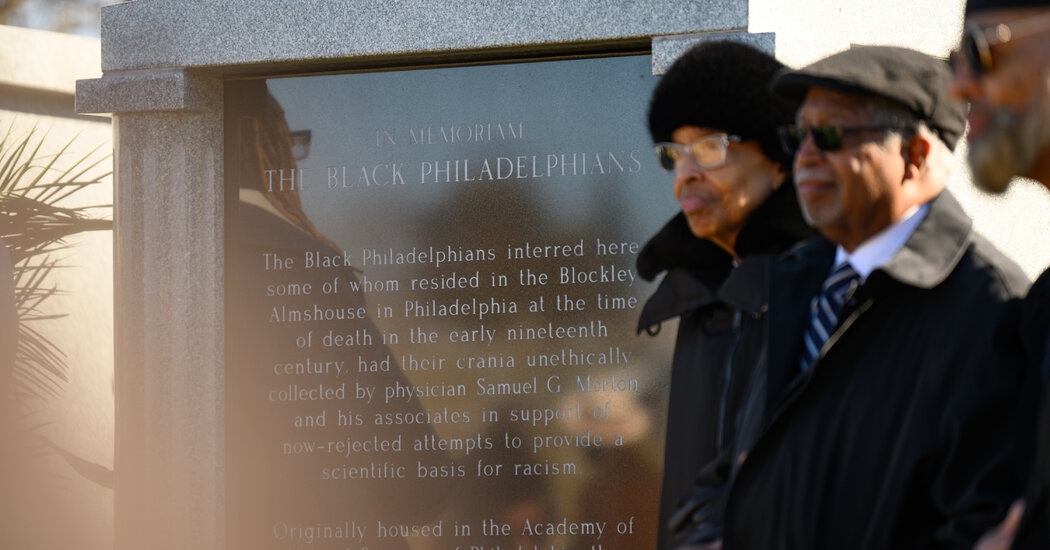
The Penn Museum has entombed the remains of 19 Black Philadelphians from its Samuel G. Morton Cranial Collection in a mausoleum at Eden Cemetery, sparking controversy and criticism over the rushed and opaque process. The museum has pledged to repatriate hundreds of craniums from its collection, acknowledging the fraught legacy of plunder and the need to address artifacts and human remains collected without consent. The interment was accompanied by a public commemoration, but questions and tensions persist surrounding the entombment and the broader repatriation process.
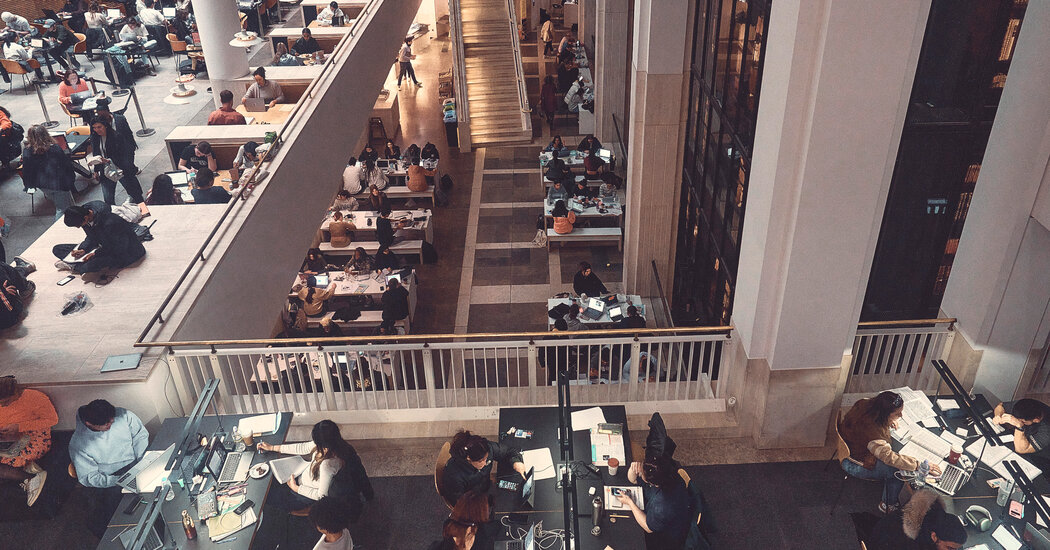
Months after a cyberattack disrupted its online systems, the British Library in London has begun the process of restoring its online catalog, allowing access to details of books, journals, and music scores. The recovery is expected to be gradual, with some services still affected, and accessing items will be slower and more manual for users. The attack is part of a trend of cyberattacks targeting arts and cultural institutions, with similar incidents affecting museums, opera houses, and orchestras in recent years.
Over 1,300 British and Irish actors, artists, writers, and musicians have signed a petition calling for an end to the censorship of pro-Palestinian views by art institutions. The petition, sponsored by Artists for Palestine UK, highlights the violence in Gaza and accuses cultural organizations of repressing and silencing Palestinian voices. The letter cites several incidents of censorship, including the cancellation of exhibitions, book events, and the targeting of artists who express solidarity with Palestinians. The signatories argue that staying silent in the face of injustice would be a moral failure, and that silencing artists is a violation of freedom of expression and anti-discrimination obligations.
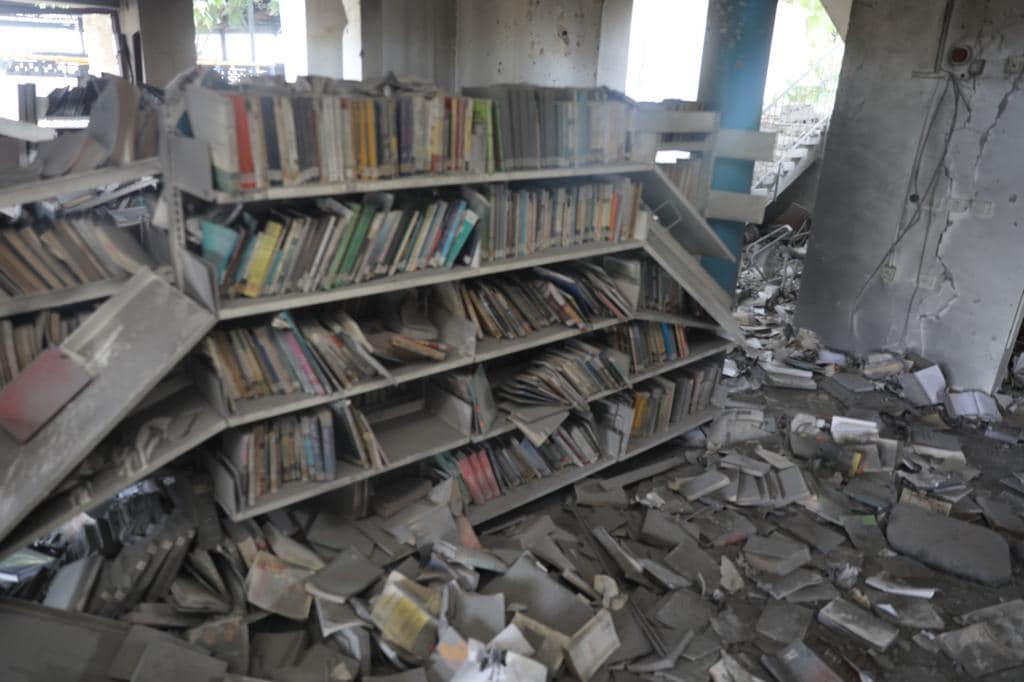
The recent Israeli attacks on Gaza have not only caused immense destruction and loss of life but have also devastated the enclave's cultural institutions, including its libraries. The Gaza Municipal Library and the Rashad al-Shawa Cultural Center, which hosted a historic meeting between President Bill Clinton and Yasser Arafat, have been reduced to rubble. The destruction of these libraries, along with museums, archaeological sites, and university campuses, has left residents mourning the loss of these cultural beacons and communal spaces. The Gaza City municipality has called on UNESCO to protect Gaza's cultural institutions, emphasizing their importance and the need to preserve them.