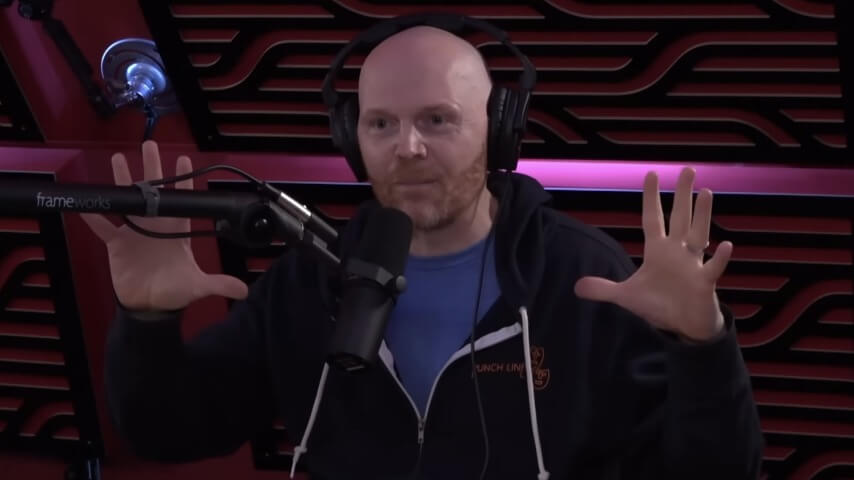
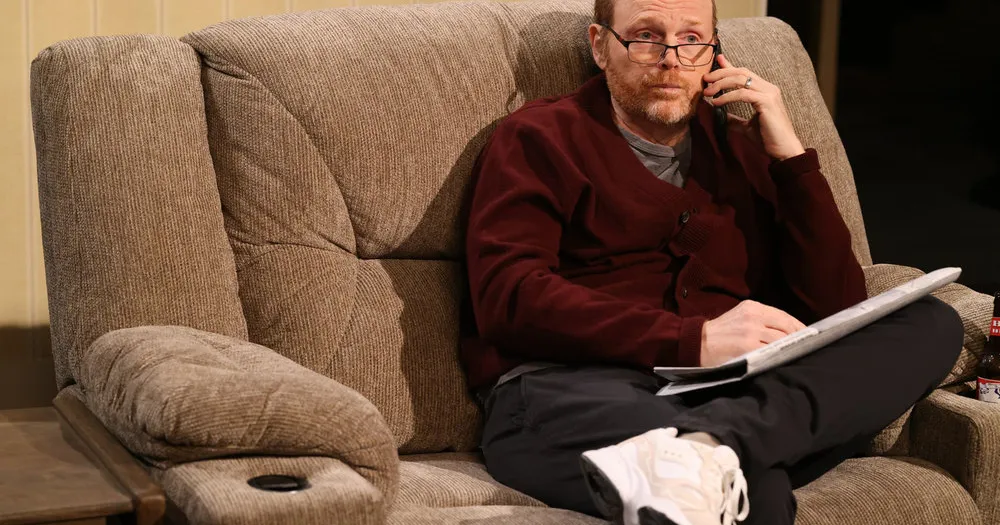
Bill Burr defends his decision to perform at the Riyadh Comedy Festival, citing a shift in his perception of Saudi Arabia from a dangerous place to a modern country with McDonald's and American brands, while facing criticism for participating in an event funded by the Saudi government. He frames his trip as a form of diplomacy and dismisses the controversy as outdated stereotypes and hypocrisy, highlighting the complex motivations behind his decision.
Bill Burr defends his participation in the controversial Riyadh comedy festival, criticizing critics as sanctimonious and emphasizing the importance of dialogue and comedy in addressing human rights issues in Saudi Arabia, despite widespread criticism from human rights organizations and other comedians.
Originally Published 3 months ago — by Rolling Stone
Bill Burr defended his performance at the Riyadh Comedy Festival, describing it as a 'mind-blowing' experience and highlighting the cultural similarities he observed. Despite initial concerns and restrictions on speech, Burr noted the audience's enthusiasm and the event's positive atmosphere, amid criticism from other comedians about the festival's political implications.
Bill Burr defends his participation in the Riyadh Comedy Festival, describing it as a top experience despite criticism from fellow comedians and human rights advocates, highlighting the event's relaxed restrictions and positive audience engagement, while critics condemn the festival as part of Saudi Arabia's broader human rights issues.
Bill Burr defended his performance at the Riyadh Comedy Festival, highlighting the positive experience and the audience's enthusiasm, despite criticism and concerns over Saudi Arabia's human rights record. He noted that the festival was negotiated to avoid sensitive topics and was a significant cultural event, with Burr expressing surprise at the country's modern amenities and friendly atmosphere.
Bill Burr defended his performance at the controversial Riyadh Comedy Festival, describing it as a positive experience where he found the audience to be eager for comedy and culturally similar to Western audiences, despite criticism of the event's political implications and human rights concerns.
David Cross criticized fellow comedians like Bill Burr and Dave Chappelle for performing at the Saudi Arabia Riyadh Comedy Festival, condemning it as a morally gross and hypocritical act due to the country's oppressive regime and human rights abuses. Cross expressed disappointment and questioned the comedians' credibility, highlighting the festival's censorship and blood money implications.
Comedian David Cross criticized fellow comedians like Bill Burr, Dave Chappelle, and Louis CK for performing at the Riyadh Comedy Festival in Saudi Arabia, condemning the event as supporting a totalitarian regime and questioning their integrity and principles. Other comedians such as Marc Maron and Shane Gillis also disavowed participation, citing ethical concerns.
Bill Burr is in talks to join the cast of Aaron Sorkin's sequel to The Social Network, potentially playing an amalgamation of real-world figures, as the film explores Facebook's interactions with events like the January 6 Capitol riot. The cast is not yet finalized, but Burr's involvement adds to his recent diverse entertainment pursuits, including stand-up, Broadway, and upcoming film projects.
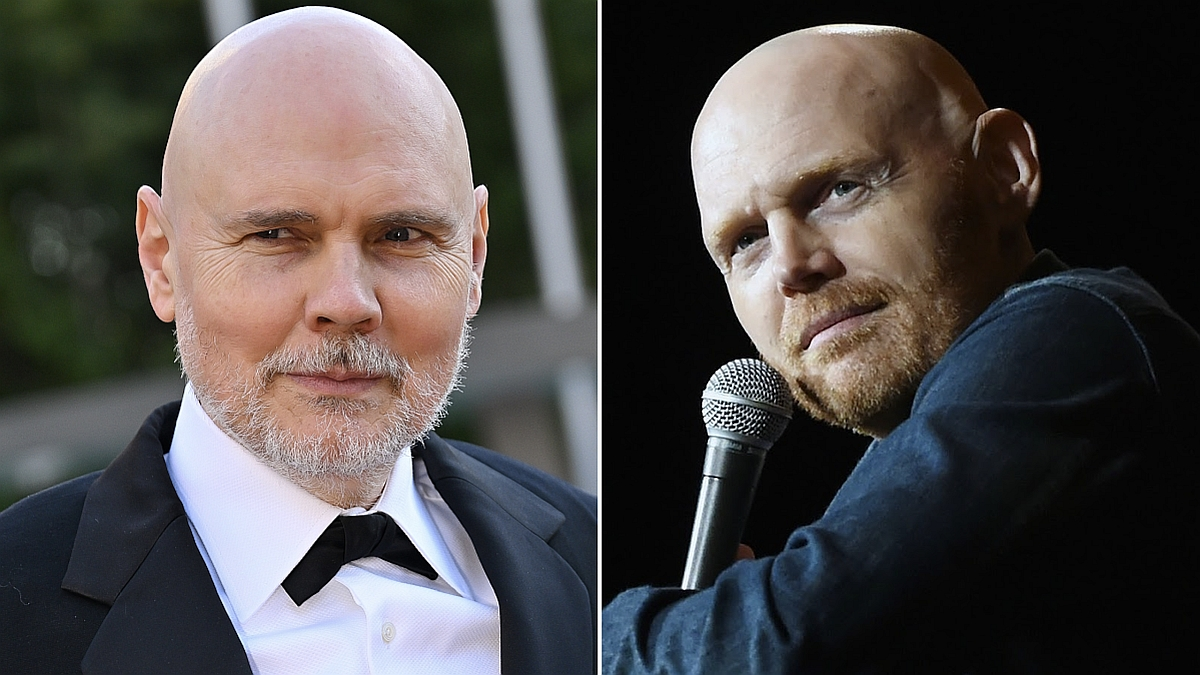
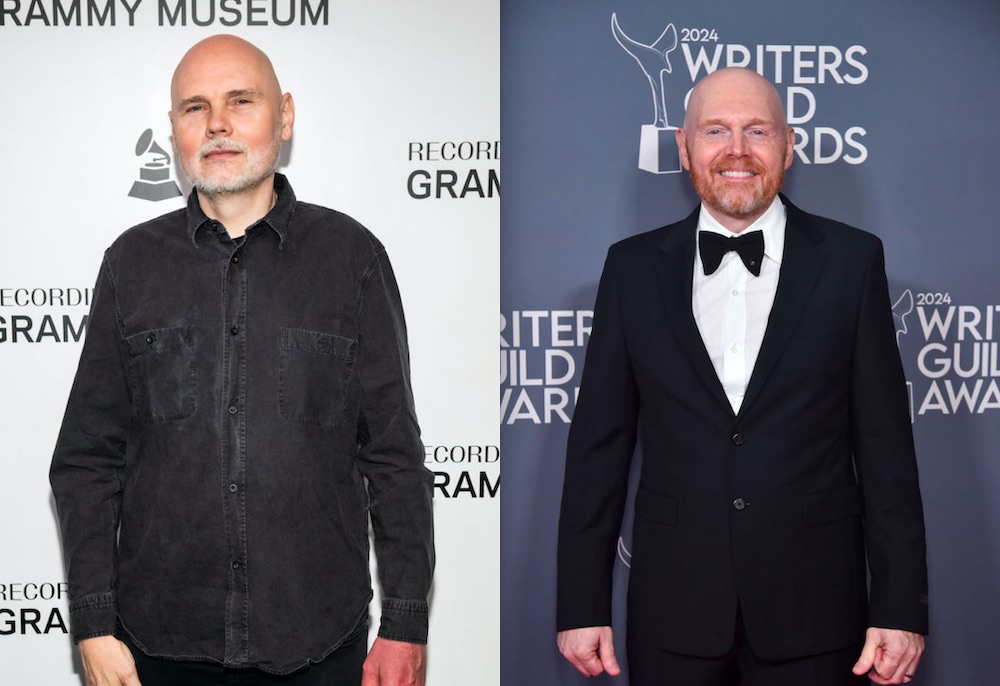
Billy Corgan, lead singer of Smashing Pumpkins, humorously speculated on a podcast that he might be half-brothers with comedian Bill Burr due to a family story and their resemblance. Corgan recounted how his stepmother suggested Burr could be one of his father's illegitimate children, a claim Corgan doesn't fully believe but finds amusing. Both Corgan and Burr have similar ages, but without DNA testing, the connection remains speculative.
Billy Corgan, lead singer of Smashing Pumpkins, speculated on Howie Mandel's podcast that comedian Bill Burr might be his half-brother, based on a story from his stepmother suggesting Burr could be one of his father's illegitimate children. Corgan's father, a guitarist, had a chaotic life, but Burr's background suggests otherwise, as he grew up with both parents, with his father being a dentist.
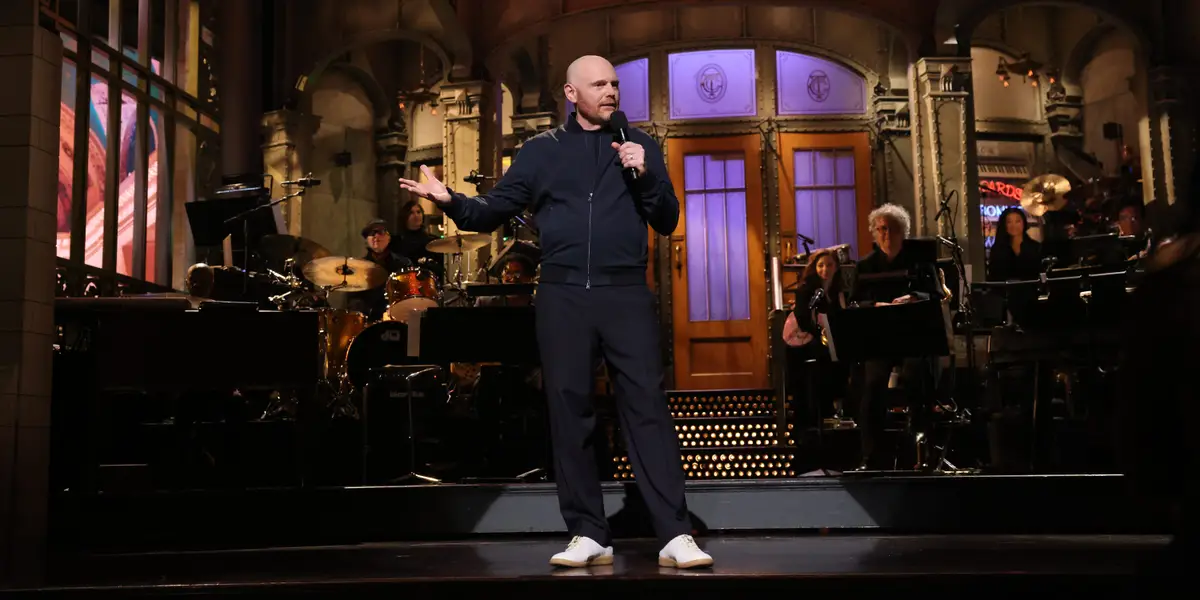
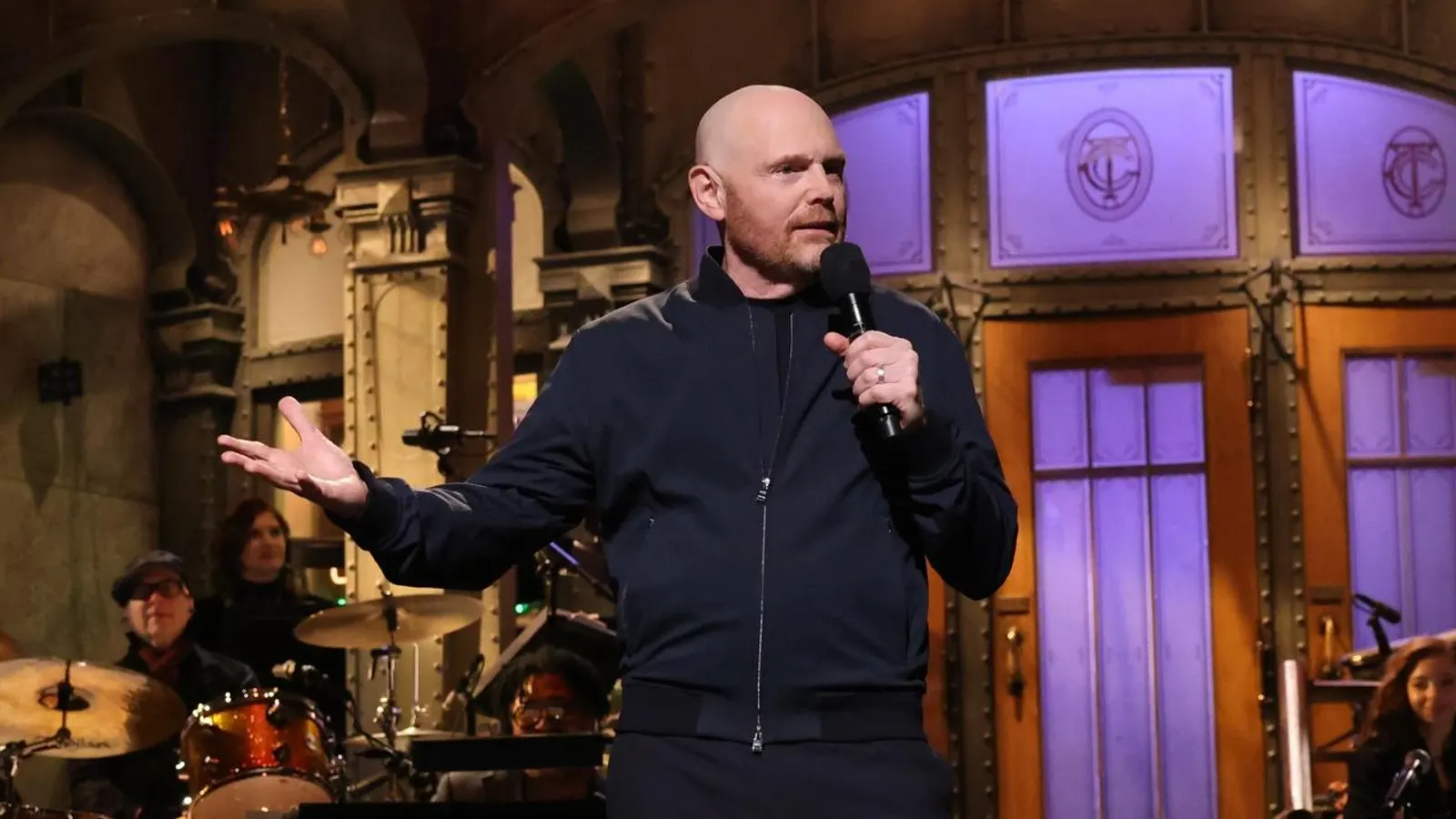
The post-election episode of "Saturday Night Live" faced backlash for Bill Burr's controversial monologue, which included jokes deemed racist and sexist, and a skit featuring Dana Carvey impersonating Elon Musk. Burr's comments about Asian people and women seeking the presidency were particularly criticized, while some defended his comedic style. Elon Musk also criticized the show, adding to the episode's contentious reception.
Bill Burr hosted the first post-election episode of Saturday Night Live, delivering a controversial monologue criticized for its misogynistic jokes, reminiscent of outdated comedy styles. While Burr's performance disappointed some viewers, the episode's sketches offered a mix of humor, including a parody of Good Will Hunting and a musical number about bald men. The show attempted to balance political commentary with comedy, though Burr's monologue overshadowed the episode's overall reception.
Bill Burr's recent monologue on Saturday Night Live sparked controversy on social media, with some users criticizing his jokes about female political candidates, COVID, and Asians, while others praised his comedic style. Burr's comments, which included jabs at both Kamala Harris and Donald Trump, divided audiences, echoing a similar reaction to his 2020 SNL appearance.
Comedian Bill Burr hosted the first post-election episode of Saturday Night Live, delivering a monologue that humorously critiqued the 2020 U.S. presidential election and its candidates. Burr joked about the re-election of Donald Trump, suggesting women need to change their approach to politics, and mocked the lengthy election process. He also recounted a humorous moment from the campaign trail involving Trump at a McDonald's, highlighting the absurdity of the political landscape.