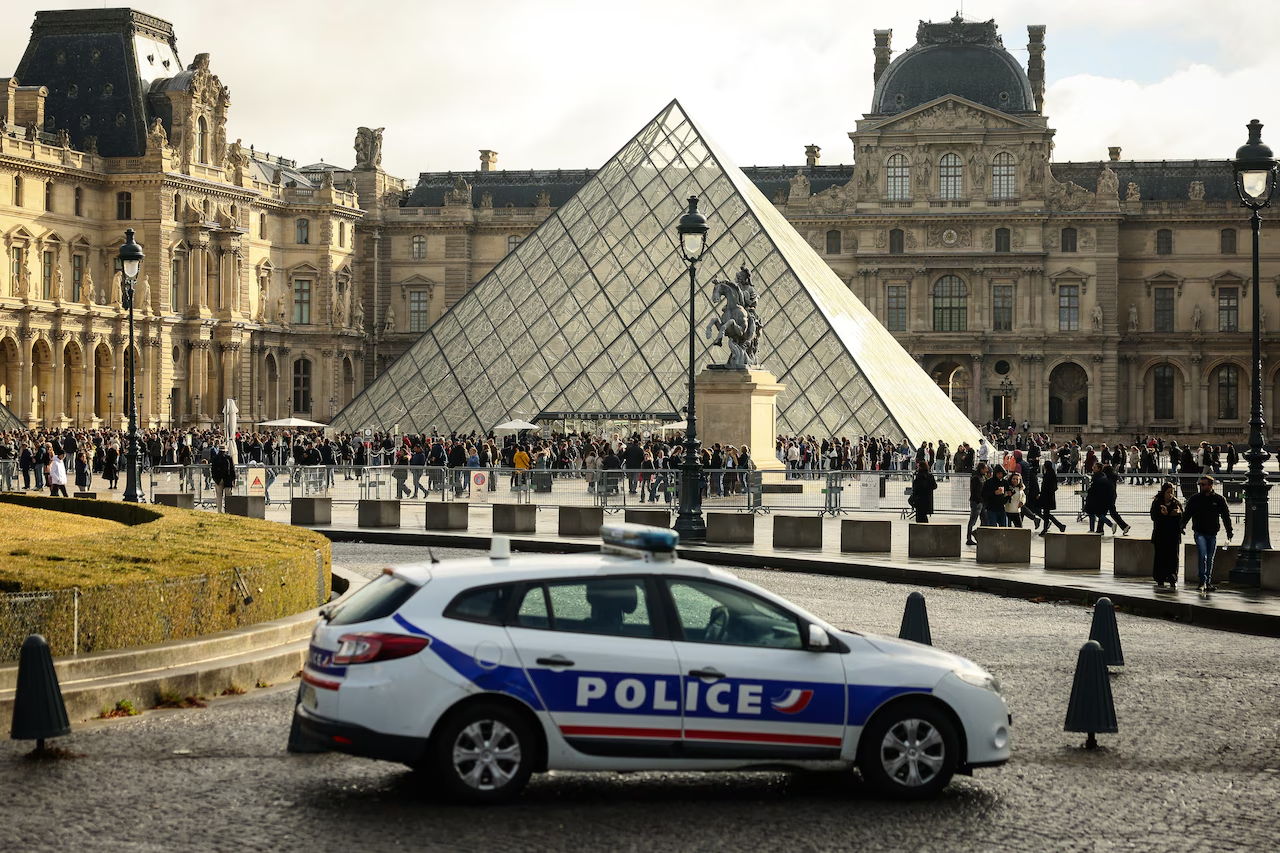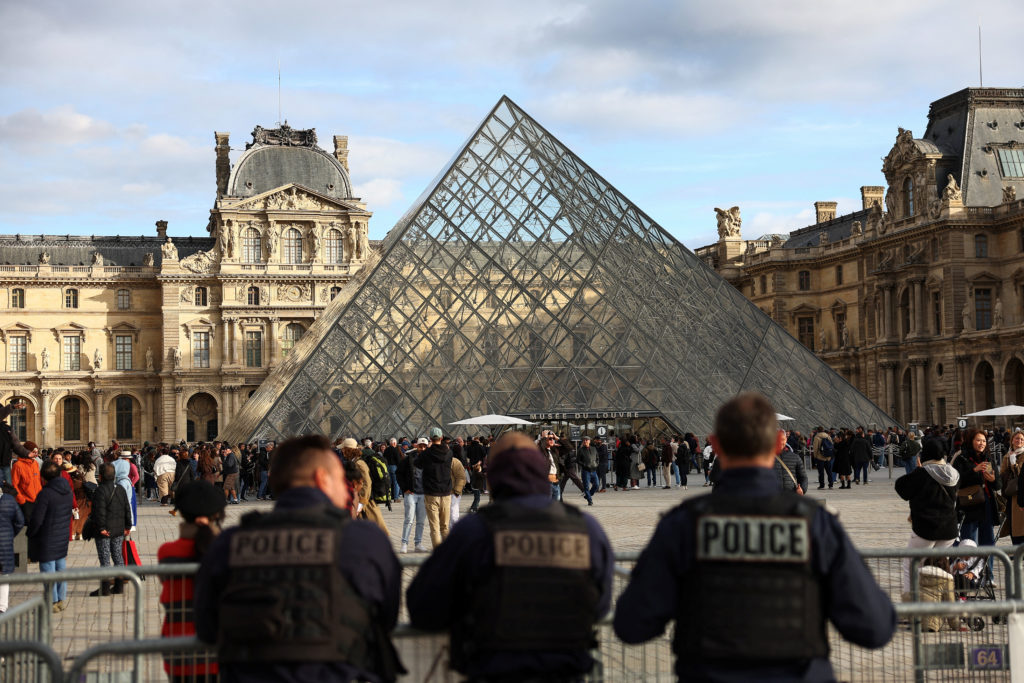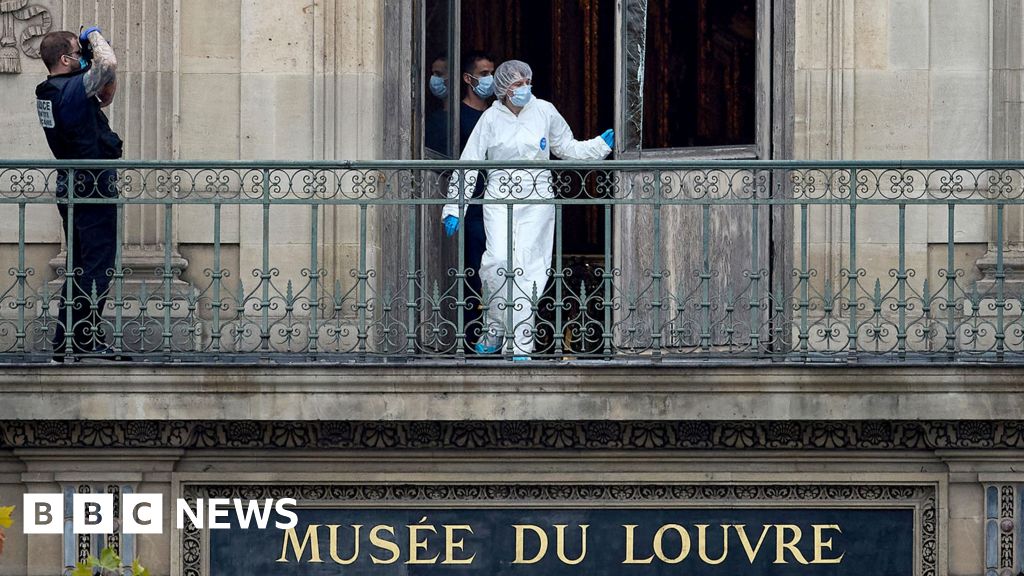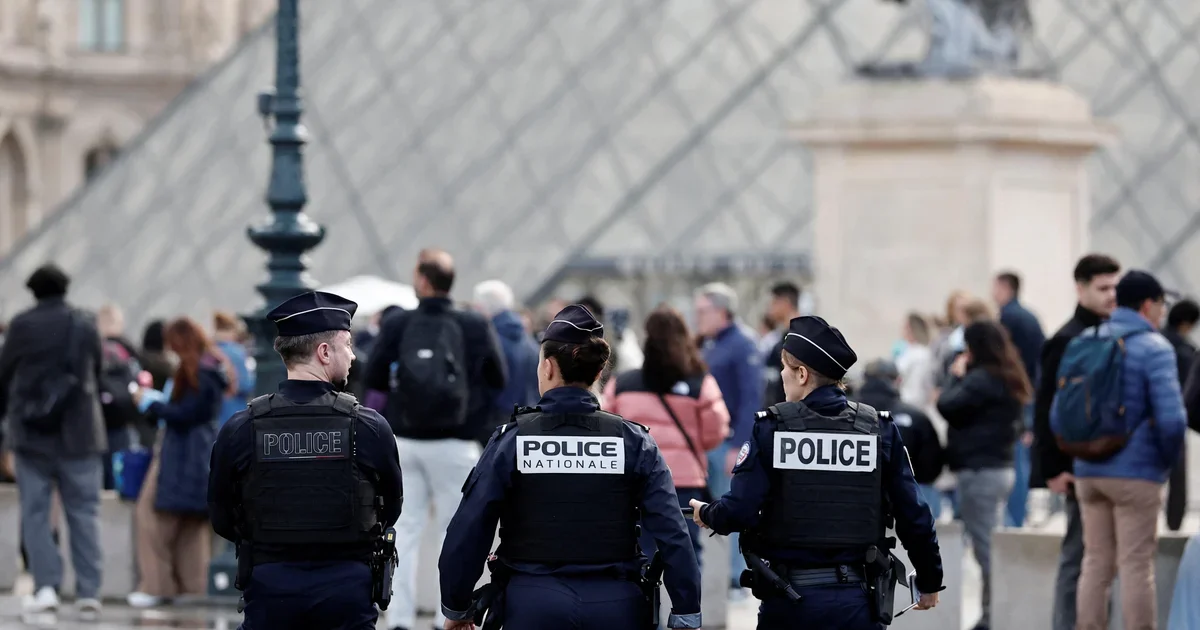
Four suspects have been charged and detained in connection with the $102 million Louvre crown jewels heist, with investigations ongoing to recover the jewelry and identify the mastermind behind the crime.
Four suspects have been charged and detained in connection with the $102 million Louvre crown jewels heist, with investigations ongoing to recover the stolen jewelry and identify the mastermind behind the crime.
Two suspects have been arrested in connection with the theft of crown jewels from the Louvre museum in Paris, which occurred last weekend and involved a quick heist of valuable royal artifacts. The arrests followed a major investigation, with one suspect attempting to flee the country, and authorities are working to recover the stolen items. The theft, which shocked the world, involved a daring break-in and the loss of priceless royal jewelry, including pieces linked to French and Napoleonic history.
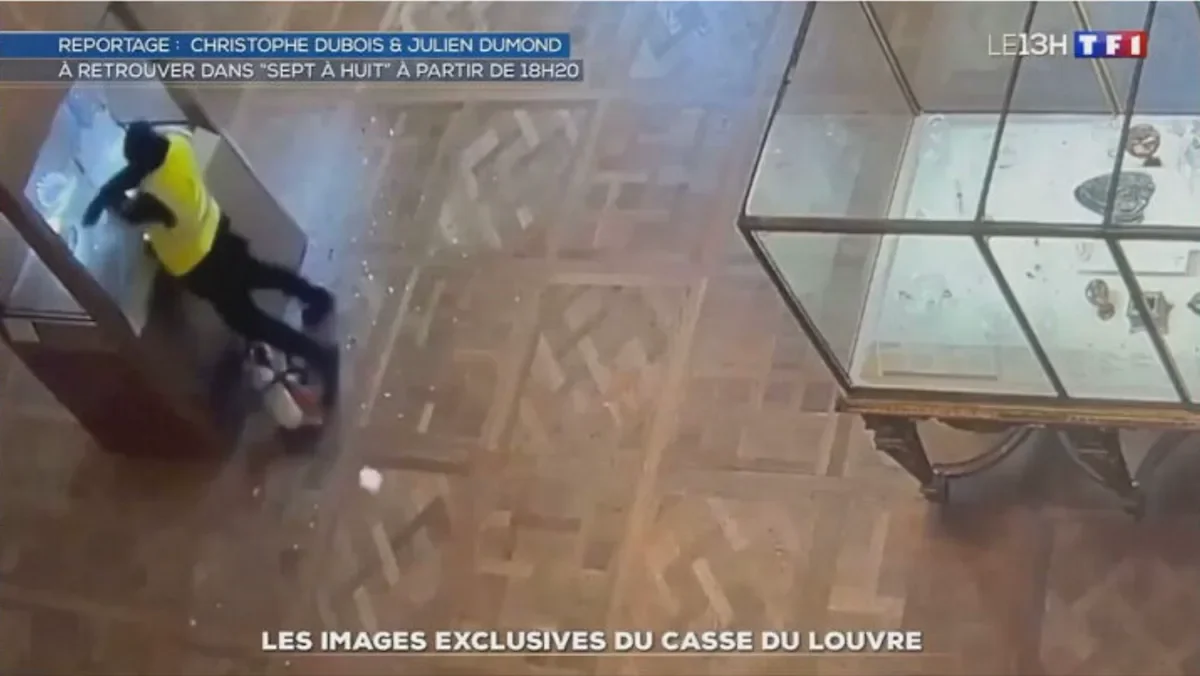
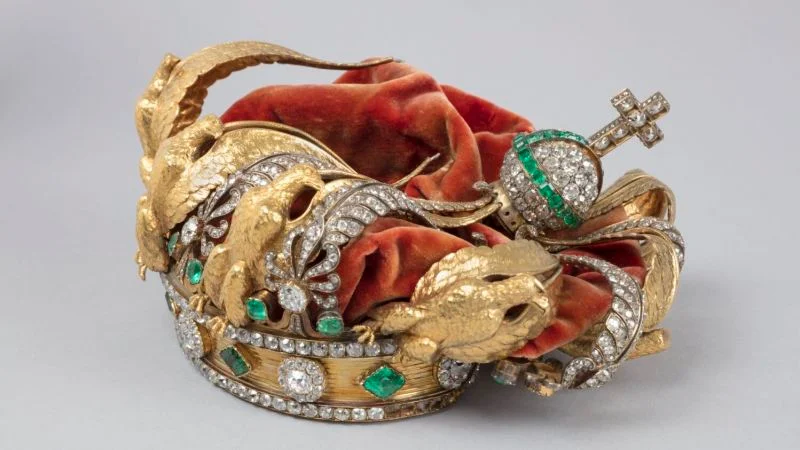
Two suspects were arrested in connection with the theft of $102 million worth of crown jewels from the Louvre museum in Paris, which was carried out in less than eight minutes. The arrests followed a major investigation, with one suspect attempting to flee the country. The stolen items include valuable crowns, diadems, and jewelry linked to French royalty and historical figures. The museum has since reopened, and authorities are working to recover the stolen artifacts.
Suspects have been arrested in connection with the theft of crown jewels from the Louvre museum in Paris, which occurred last week and involved a daring heist valued at over $102 million. Investigations are ongoing, and authorities are working to recover the stolen items, including several pieces linked to French royalty and historical figures.
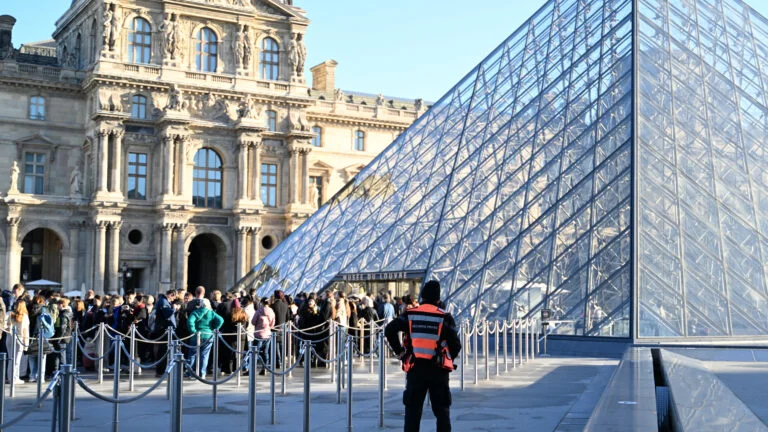
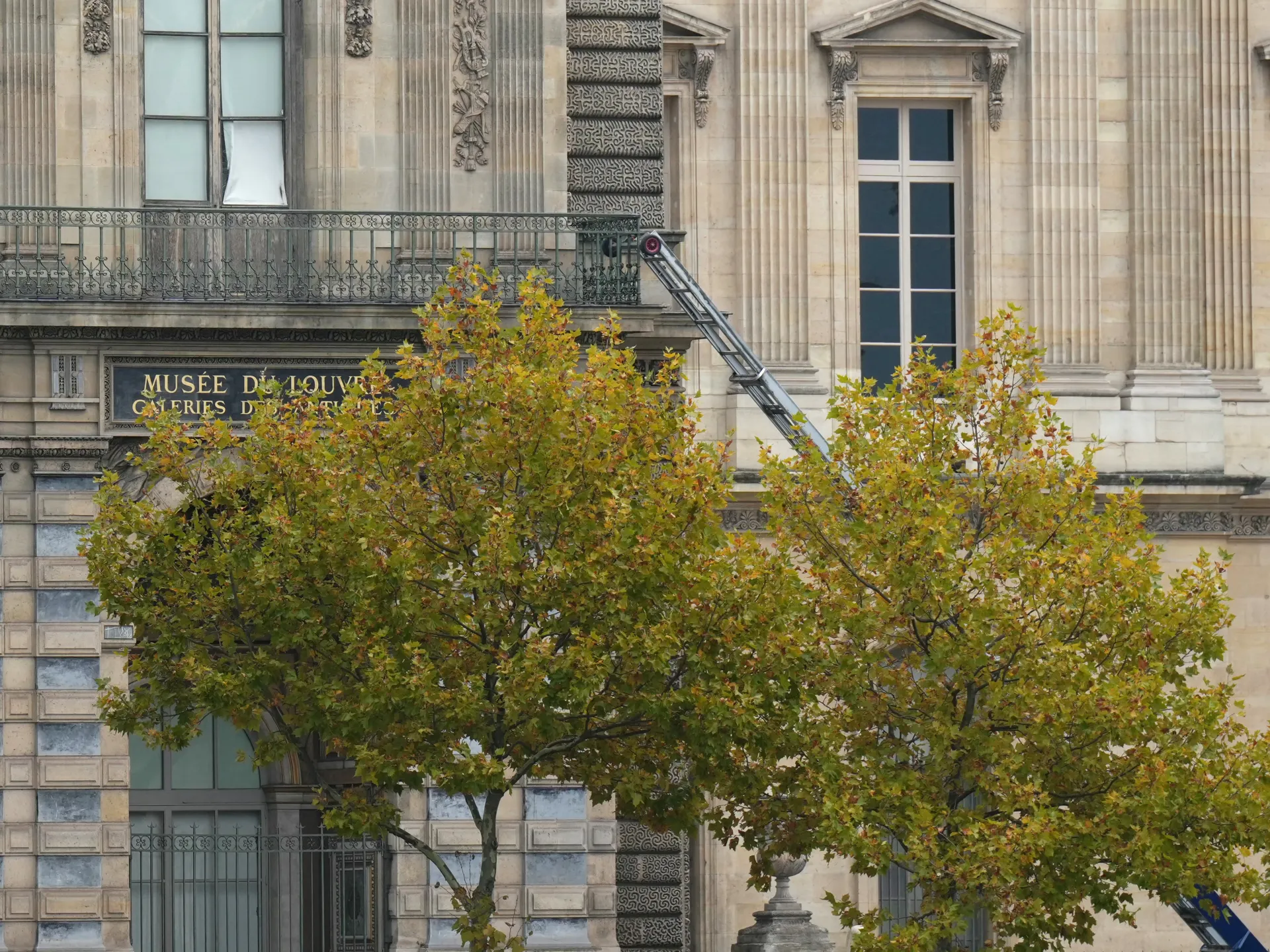
The Louvre failed to detect a gang of thieves who stole €88m worth of crown jewels due to outdated security measures, with the museum's director admitting weaknesses in perimeter security and CCTV coverage. The thieves used a truck and mechanical ladder to break in, and efforts are underway to improve security infrastructure, though challenges remain due to the museum's aging building.
Thieves stole priceless crown jewels from the Louvre Museum in Paris using a crane and smashing display cases, then escaped on motorbikes, leading to the museum's closure for a second day amid shock and concern over security.
Thieves used power tools to steal eight priceless jewelry items from the Louvre Museum in Paris in a four-minute heist, with the crown of Empress Eugenie recovered nearby; the museum remains closed for the day as authorities investigate the daring robbery.
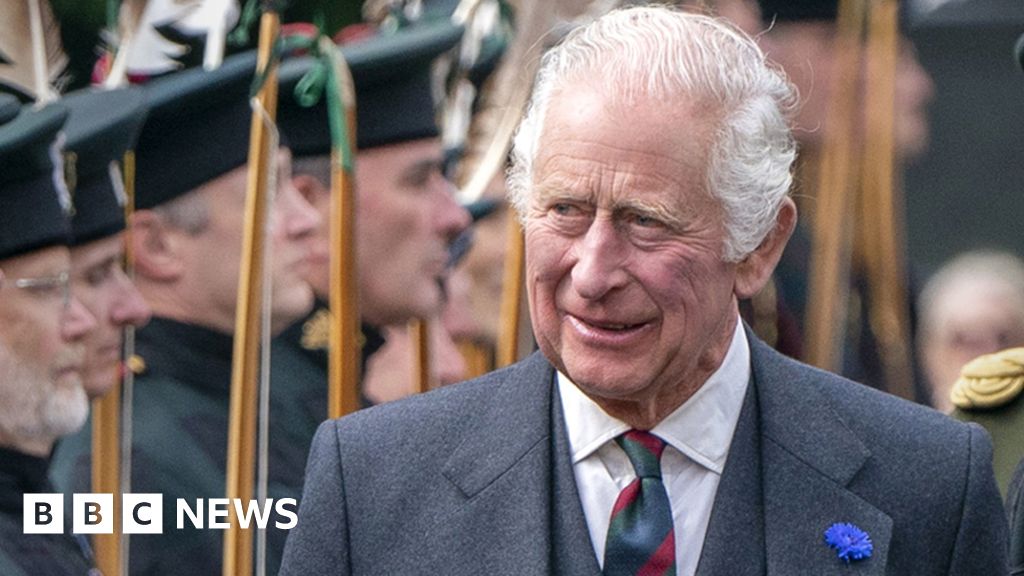
King Charles III is set to receive the crown, sceptre, and a new sword named after his late mother, Queen Elizabeth, in a ceremony at St Giles' Cathedral in Edinburgh. The event, described as a "reduced, imitation coronation," comes at a time when support for the monarchy in Scotland is waning, with polls showing less than half of the electorate backing the institution. The ceremony highlights the delicate balance between showcasing and honoring Scotland while avoiding the encouragement of Scottish nationalism or alienating other religions and sects. With support for Scottish independence remaining strong, King Charles III may face challenges in keeping the Kingdom united.
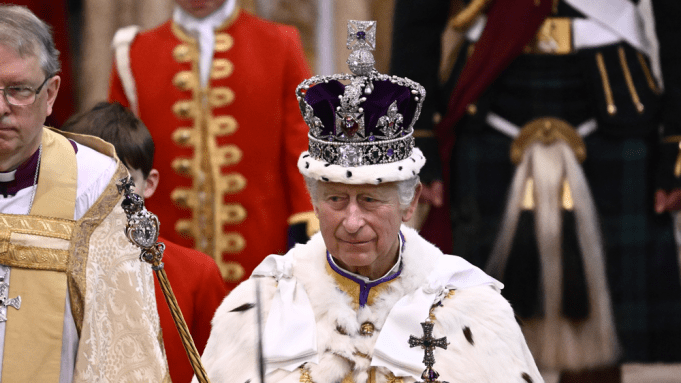
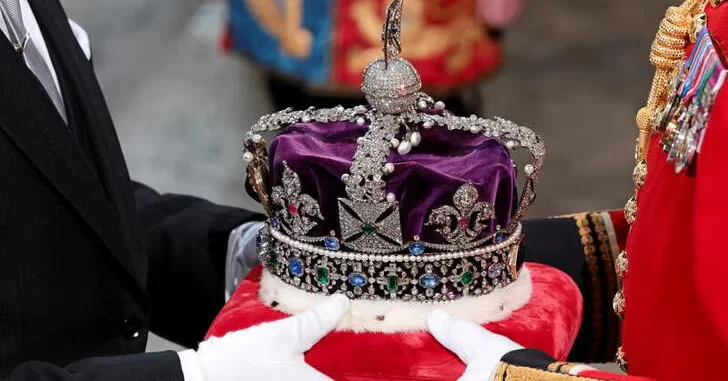
King Charles III, Queen Consort Camilla, and Princess of Wales wore stunning royal jewelry during the coronation ceremony at Westminster Abbey. King Charles wore the St. Edward’s Crown and the Imperial State Crown, while Camilla wore Queen Mary’s Crown and a diamond necklace originally made for Queen Victoria. Princess Catherine paid tribute to the royal women who preceded her with her coronation jewels, including a pair of diamond and South Sea pearl earrings once owned by Princess Diana.
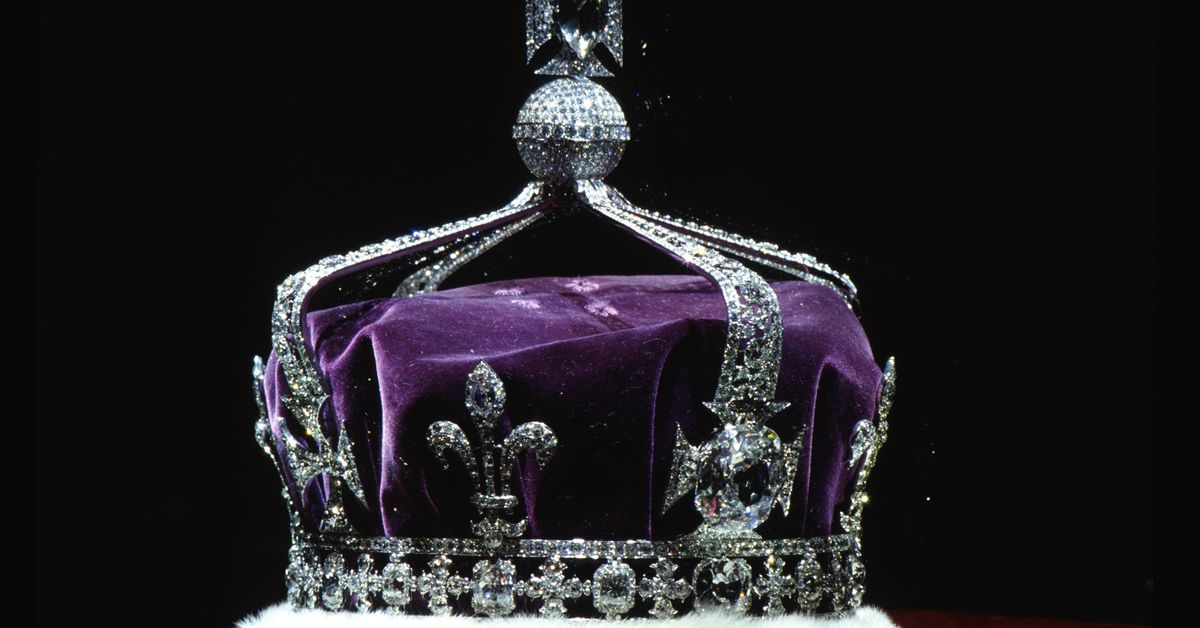
The Kohinoor diamond, a controversial symbol of Britain's colonial conquests, will not be on display at the coronation of King Charles III and Queen Camilla. The diamond was taken from India during the colonial era and calls for its return have grown louder since the death of Queen Elizabeth II. The British have yet to return the diamond or other plundered artifacts, sparking debates about the country's unapologetic holdouts and its legacy of colonialism.
The Koh-i-Noor diamond, which has been claimed by four countries and once adorned the crowns of Britain’s queens, will not be in the crown of Queen Camilla at the coronation due to its controversial history. The jewel was taken by British forces from India and has become a symbol of the empire’s rule over the country. India and Indians have been increasingly vocal about getting the jewel returned, leading to the decision not to include it in the crown.
Some South Africans are calling for the UK to return the Star of Africa, the world's largest diamond, which is set in the royal sceptre that King Charles III will hold at his coronation on Saturday. The diamond, weighing 530 carats, was discovered in South Africa in 1905 and presented to the British monarchy by the colonial government. Amid a global conversation about returning artwork and artefacts that were pillaged during colonial times, some South Africans are calling for the diamond to be brought back as a sign of their pride, heritage, and culture.
King Charles III's coronation will display the British royal family's crown jewels, including the St. Edward's Crown, which weighs 5 pounds and is only used for coronations, and the Imperial State Crown, which will be worn by Charles as he leaves Westminster Abbey. Queen Camilla will wear Queen Mary's Crown, which has 2,200 diamonds and has been refitted with the Cullinan II, IV and V diamonds. The Kohinoor diamond, which has a troubled history, will not be used in the coronation. Other items on display include the Sovereign's scepters, the Sovereign's orb, the Sovereign's ring, King's spurs, ceremonial swords, and armills.
King Charles III's coronation is being overshadowed by calls for the return of the Star of Africa, the world's largest diamond, to South Africa where it was originally found. Critics argue that the British royal family should hand over the 530 carat diamond, officially known as Cullinan I, as a symbol of decolonization. The diamond was given to the British monarchy by the colonial government in South Africa in 1905 and is currently set in the royal scepter.