Unveiling the Hidden Potential of CRISPR-Cas System
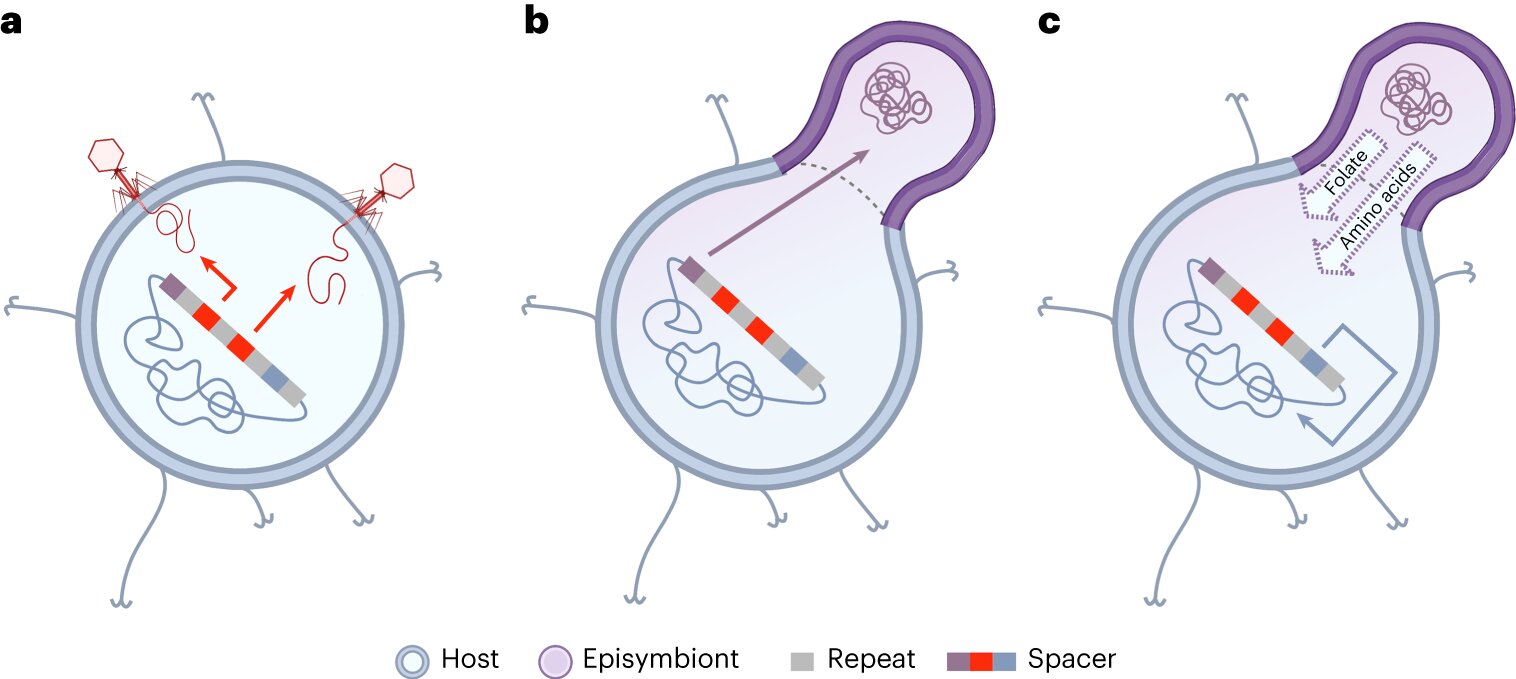
Scientists led by Professor Dr. Alexander Probst have discovered that archaea, microorganisms similar to bacteria, use the CRISPR-Cas system to combat parasites. Through genomic analysis of over 7,000 genomes, the researchers found that archaea incorporate parasitic DNA into their own genomes. When attacked by parasites with matching DNA, the CRISPR system recognizes and decomposes the foreign genetic material. This finding not only sheds light on the defense mechanisms of microorganisms but also has implications for understanding symbiotic relationships and important metabolic processes in ecosystems.