
Tag

Crimean Congo Hemorrhagic Fever

All articles tagged with #crimean congo hemorrhagic fever

health-and-medicine2 years ago

"Deadly 'Priority Disease' Spreading: UK at Risk"

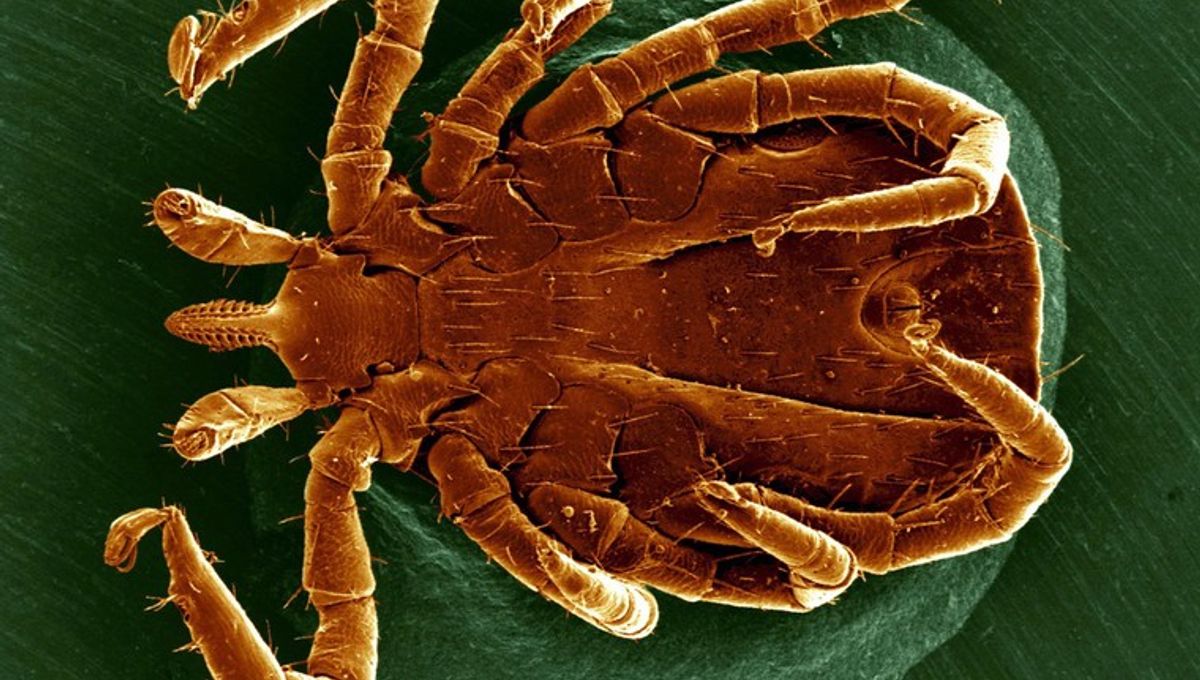
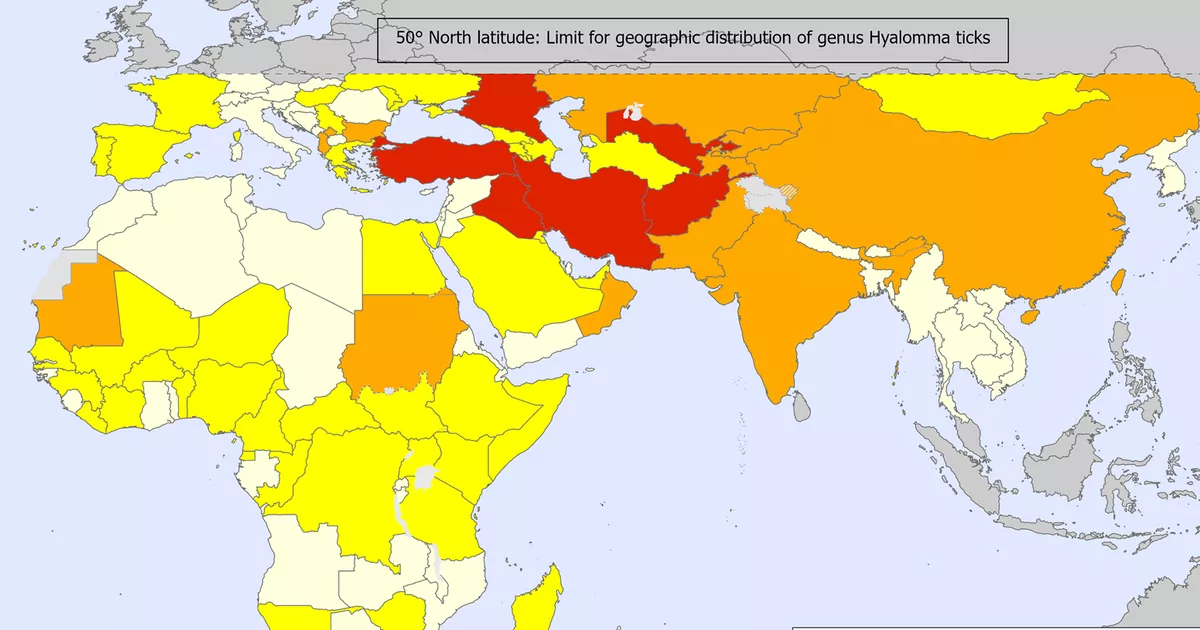
Experts warn that Crimean-Congo hemorrhagic fever (CCHF), a tick-borne disease categorized as a "priority disease" by the World Health Organization (WHO), is likely to spread within the UK due to climate change. CCHF, which causes severe viral hemorrhagic fever, has been predominantly found in Africa, the Balkans, the Middle East, and Asia, but cases have recently emerged in Spain. Professor James Wood of the University of Cambridge warns that tick-borne infections like CCHF are highly likely to reach the UK, and other mosquito-borne diseases could follow. Climate change is expanding the habitat range for disease-carrying ticks, increasing the risk of exposure.
health2 years ago

"Is Ireland at Risk? Experts Assess Spread of 'Killer Virus' Sweeping Europe"

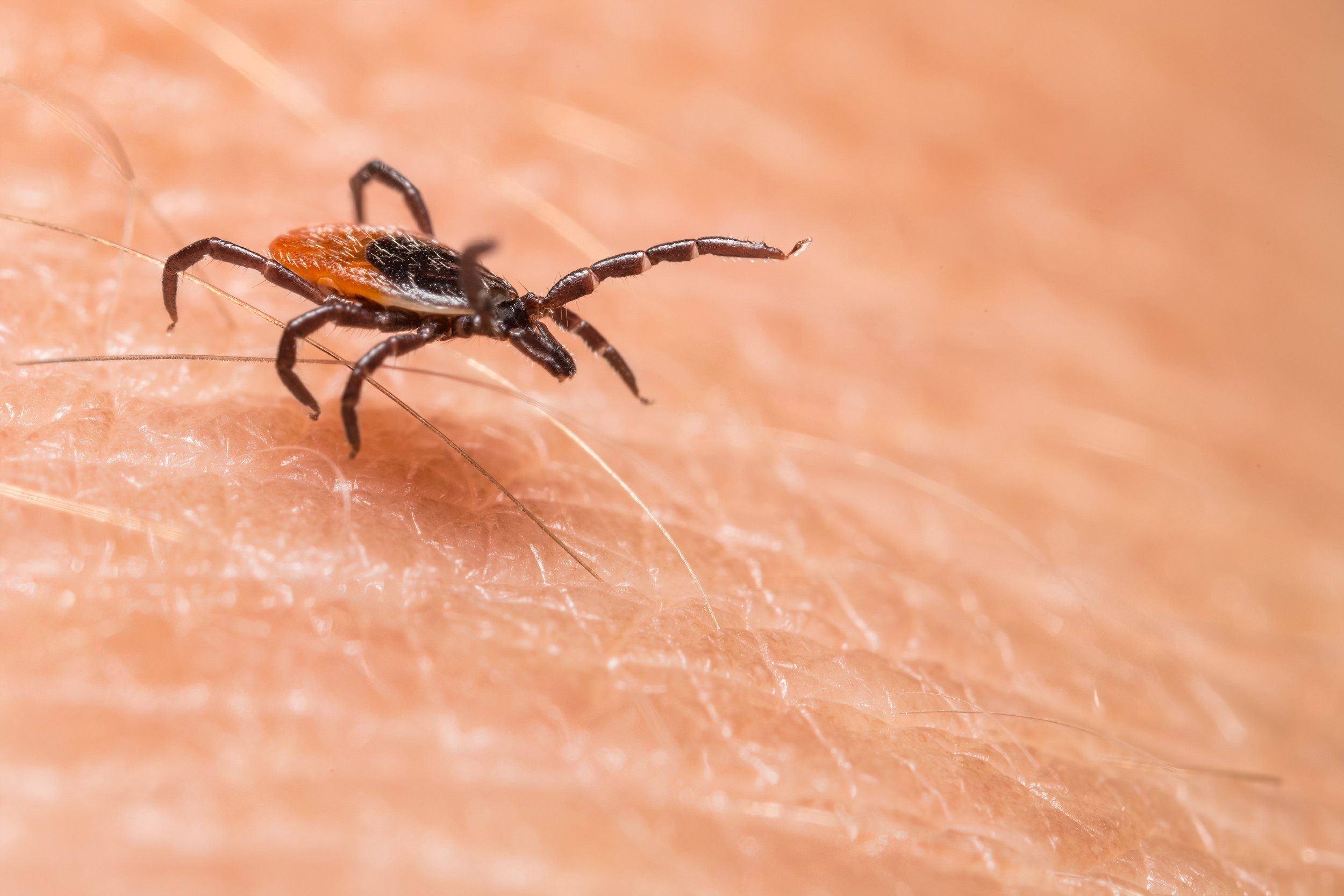
Experts warn that the killer virus, Crimean-Congo hemorrhagic fever (CCHF), which has already caused deaths in Pakistan and cases in Spain, could potentially spread across Europe due to climate change and the movement of ticks. CCHF, transmitted by ticks and contact with infected animal tissues, has a fatality rate of 10-40%. The World Health Organization (WHO) considers it a priority disease and is working to support surveillance and response activities. While the UK has already confirmed a case, experts believe it is "highly likely" that CCHF could reach Ireland through ticks. Symptoms of CCHF include fever, muscle ache, dizziness, and hemorrhagic phenomena.

health2 years ago

Climate Change Linked to Spread of Deadly Hemorrhagic Virus, Warn Scientists

The viral disease Crimean-Congo hemorrhagic fever (CCHF), which has a fatality rate of between 10 and 40 percent, is spreading to new countries across Europe, Africa, and the Middle East, with recent outbreaks in Iraq, Namibia, and Pakistan. Scientists warn that CCHF is "highly likely" to reach the U.K. due to the effects of climate change, which is causing ticks to move north. CCHF is one of nine "priority diseases" ranked by the World Health Organization as posing the greatest public health risk due to their epidemic potential.