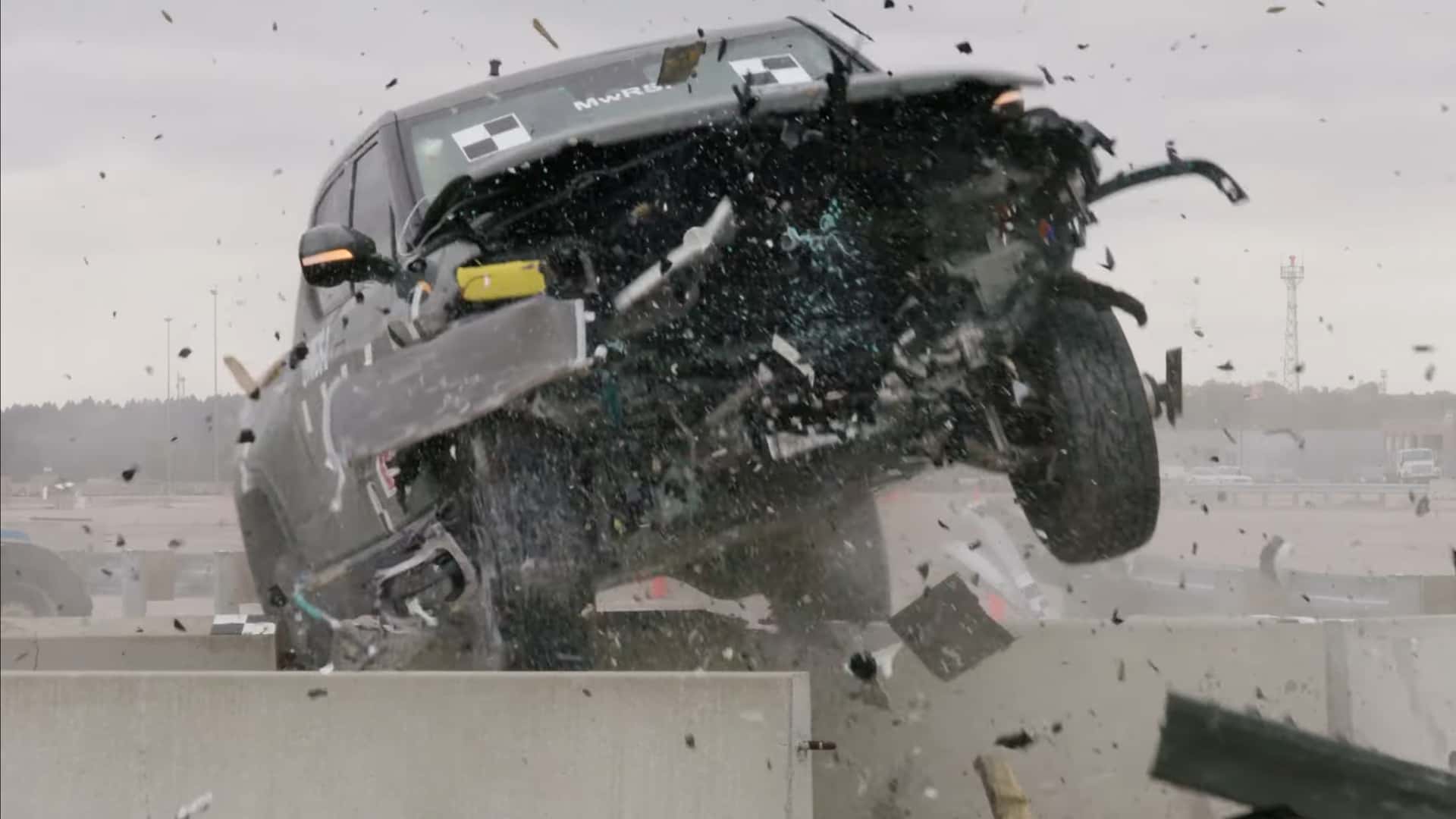
Recent testing at the University of Nebraska-Lincoln showed that heavy electric vehicles, such as the Rivian R1T and Tesla Model 3, can easily overpower standard steel guardrails, posing a challenge to existing road safety infrastructure. With the increasing weight of EVs due to massive battery packs, concerns arise about their impact on safety measures. The US Army is sponsoring research to address these issues, aiming to improve road safety infrastructure and protect military installations from potential security threats posed by heavy EVs.
Road safety experts have expressed concerns about the Tesla Cybertruck's potential danger to both occupants and pedestrians. The truck's stiff stainless steel exoskeleton, which does not deform upon impact, raises questions about its ability to protect passengers in a crash. Additionally, the truck's weight and power could pose a lethal threat to pedestrians and cyclists. While Elon Musk claims the Cybertruck will be safer than traditional pickup trucks, experts remain skeptical until it receives an NHTSA NCAP crash safety rating.
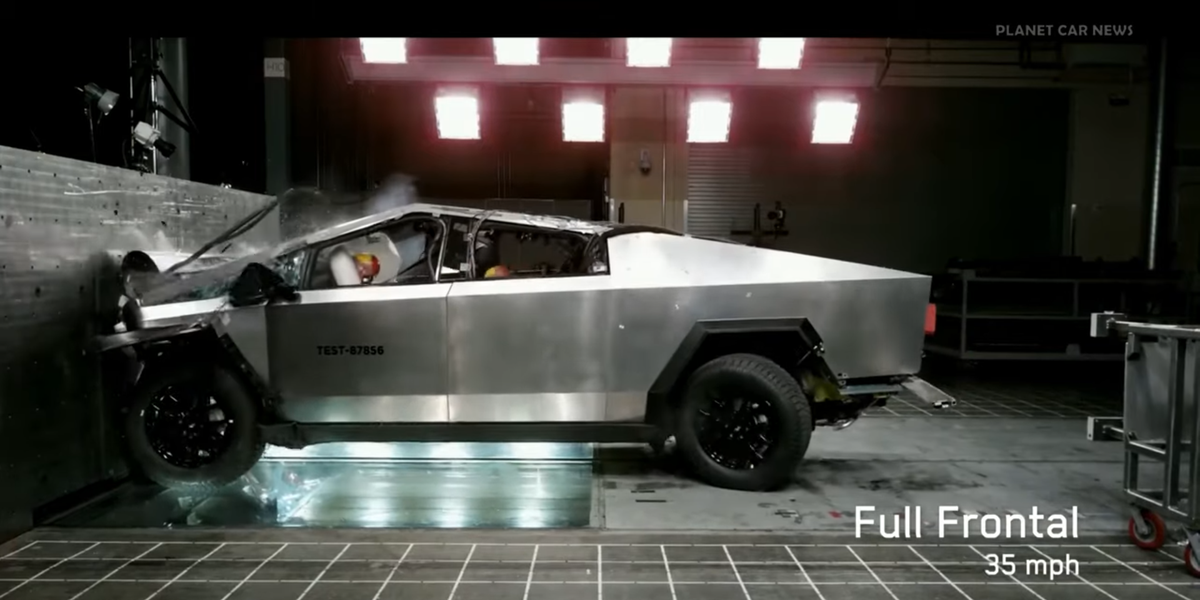
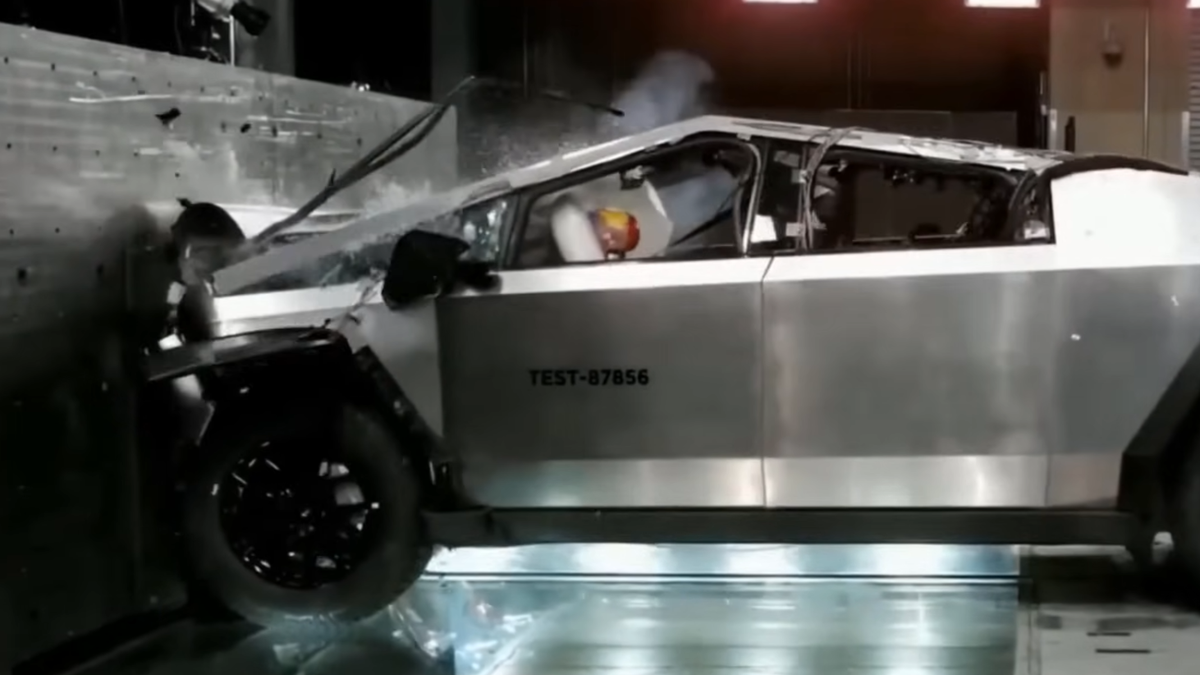
Tesla has released a crash test video of its Cybertruck, but without accompanying data, it's difficult to evaluate its safety performance. While the vehicle appears unlikely to roll over in a single-car accident and the passenger cell survives a 35-mph front impact, concerns arise from the severe movement of the rear axle. The force experienced by the dummies and the official test results from regulatory bodies are yet to be determined. Tesla's crash-test record is generally good, but the unconventional design of the Cybertruck leaves uncertainty about its performance.
The California Department of Transportation (Caltrans) conducted crash tests on truck-mounted attenuators in the early 1980s using their own designs based on Hexcell aluminum honeycomb. The tests involved crashing 18 cars and one dump truck into the attenuators, with the best design featuring increasingly larger blocks of Hexcell. Despite the DIY approach, the attenuators performed well, keeping impact velocities below 27 mph (43 km/h). These crash tests contributed to the development of safer highway work zones and improved survivability in motor vehicle accidents.
Small cars like the Forte, Sentra, and Crosstrek received "poor" ratings in the updated moderate overlap crash test conducted by the IIHS due to poor rear occupant crash protection. The rear dummy submarined beneath the seat belt, causing the lap belt to slide from the hip bones onto the abdomen, where it can cause internal injuries. Engineers may want to improve rear occupant safety before things get worse.