Big Tech companies including Cisco, Google, Microsoft, IBM, Intel, SAP, and Accenture have formed the AI-Enabled ICT Workforce Consortium (ITC) to address concerns about AI leading to job losses. The consortium aims to evaluate the impact of AI on 56 ICT job roles and provide training recommendations, with a focus on re-skilling and upskilling within the information and communication technology industry. However, skepticism remains about the effectiveness of vague promises and reports, as the demand for AI roles is reportedly decreasing. The ITC intends to publish its findings in a report this summer and will determine its future scope in mid-2024.

Nine of the world’s largest tech companies, including Cisco, Google, IBM, and Microsoft, have formed the AI-Enabled Information and Communication Technology (ICT) Workforce Consortium to address the impact of AI on the tech workforce. With the expectation that nearly a quarter of global jobs will change in the next five years due to AI, the consortium aims to recommend skilling and upskilling opportunities to ensure workers can adapt. The consortium's first phase will focus on evaluating AI's impact on various job roles and providing actionable training insights, with a focus on upskilling and constant training to stay ahead of the curve in the rapidly evolving tech landscape.
Former Treasury Secretary Steven Mnuchin is assembling a consortium to buy TikTok after the House passed a bill to ban the app in the U.S. or force its sale to a non-Chinese owner. The bill, which passed with broad bipartisan support, faces uncertainty in the Senate. Critics argue that the legislation is rushed and could have unintended consequences for TikTok users and creators. Meanwhile, there are concerns about the bill granting the president power to regulate the internet, and some lawmakers question its true motives. The potential ban of TikTok has sparked debate over national security, freedom of speech, and the impact on millions of users, with implications for the upcoming election.
The Biden administration has announced the formation of the U.S. AI Safety Institute Consortium (AISIC), with over 200 entities including leading AI companies like OpenAI, Google, and Microsoft, to support the safe development and deployment of generative AI. The consortium will work on priority actions outlined in President Biden’s AI executive order, focusing on guidelines for red-teaming, capability evaluations, risk management, safety and security, and watermarking synthetic content. This initiative comes amid concerns about the potential risks of generative AI, and aims to establish standards and tools to mitigate these risks while harnessing the technology's potential.
The PGA Tour has approved a $3 billion investment from a consortium led by Liverpool FC owner John W. Henry, marking a significant development in the world of sports finance. The investment is expected to provide a major boost to the PGA Tour's growth and development initiatives, with Henry's consortium bringing substantial financial backing and expertise to the table.
Shell has agreed to sell its Nigerian onshore subsidiary to a consortium of five companies for up to $2.4 billion, marking its exit from the challenging onshore domain in Nigeria, where it has faced legal challenges over oil pollution and environmental damage.
Ford, along with South Korean partners EcoProBM and SK On, will invest $887 million to build a plant in Becancour, Quebec, to produce electric vehicle (EV) battery materials. The plant will manufacture 45,000 tonnes of cathode active materials (CAM) per year for Ford EVs, specifically targeting improved performance and increased EV range. The Canadian government will provide a conditional loan of $322 million, and the factory is expected to be operational by the first half of 2026, creating over 345 jobs. This investment highlights Becancour's emergence as an EV-supply-chain hub, attracting other major players like General Motors and BASF.
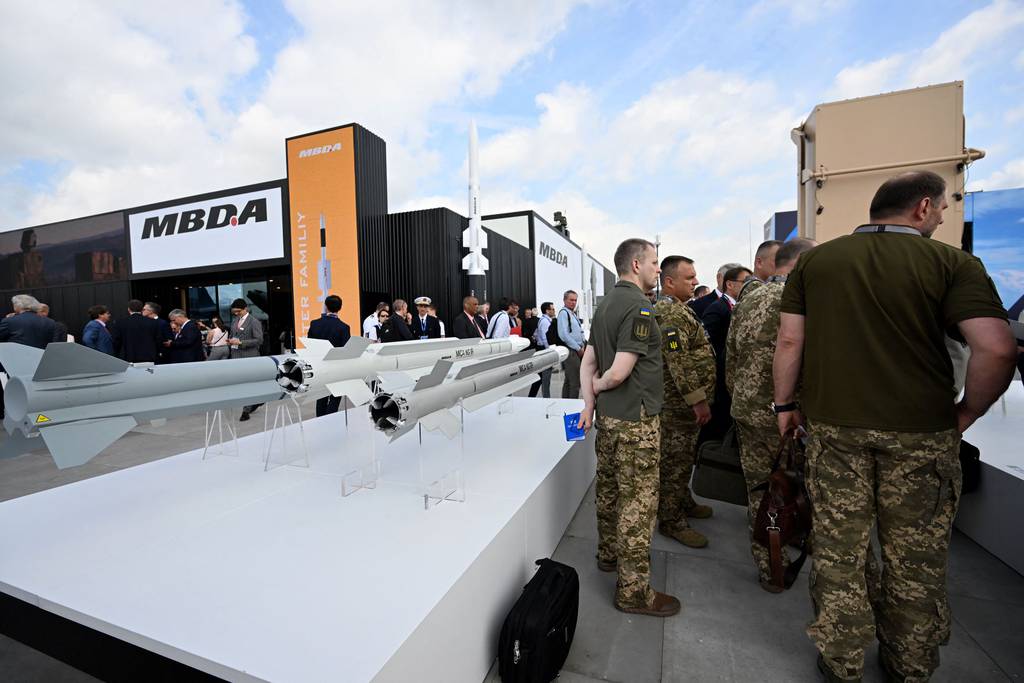
MBDA is leading a consortium of 19 companies and 30 suppliers from 14 European countries to conceptualize a prototype hypersonic interceptor for Europe over the next three years. The consortium includes France, Germany, Italy, and the Netherlands, and the plan is for the four nations underwriting HYDIS2 to choose one counter-hypersonic interceptor concept to push forward. The company has been at work on counter-hypersonic technology for roughly the past four years, and the development of Aquila is linked to the EU-funded TWISTER program.
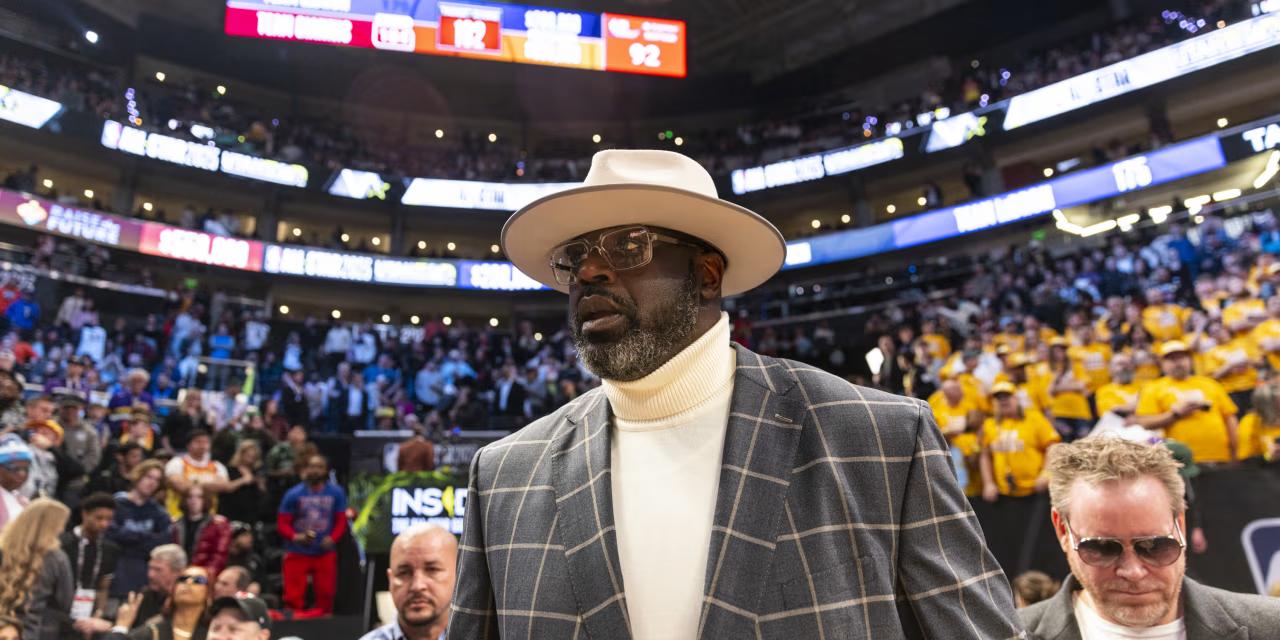
A consortium including retired basketball star Shaquille O'Neal, TV producer Kenya Barris, and rapper 50 Cent, along with Group Black, CVC Capital Partners, and Authentic Brands Group, is among the potential bidders for a majority stake in Paramount Global's BET Media Group. The consortium aims to invest in and grow Black-owned media firms.