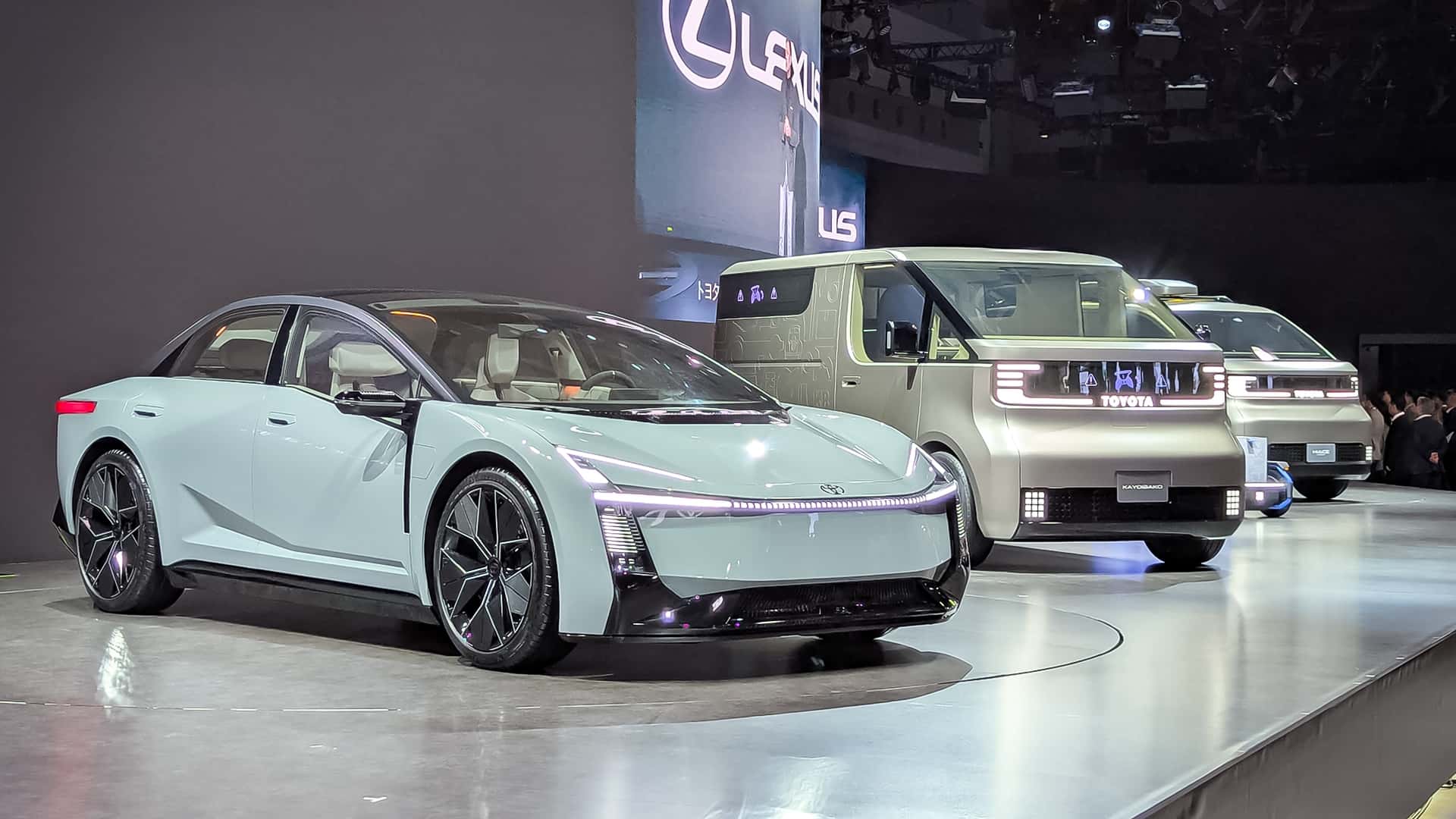
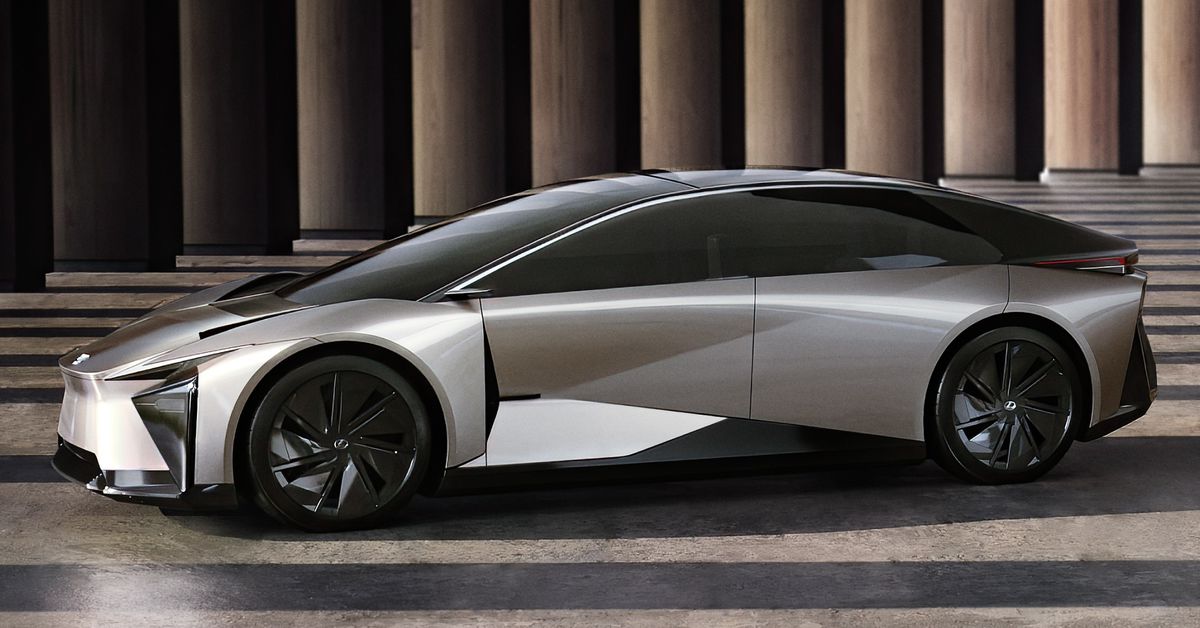
The 2023 Japan Mobility Show showcased Japan's push into electric vehicles and innovative design, with manufacturers emphasizing future mobility concepts, though many details about powertrains remain unclear and the focus on affordability was less prominent than in other markets.
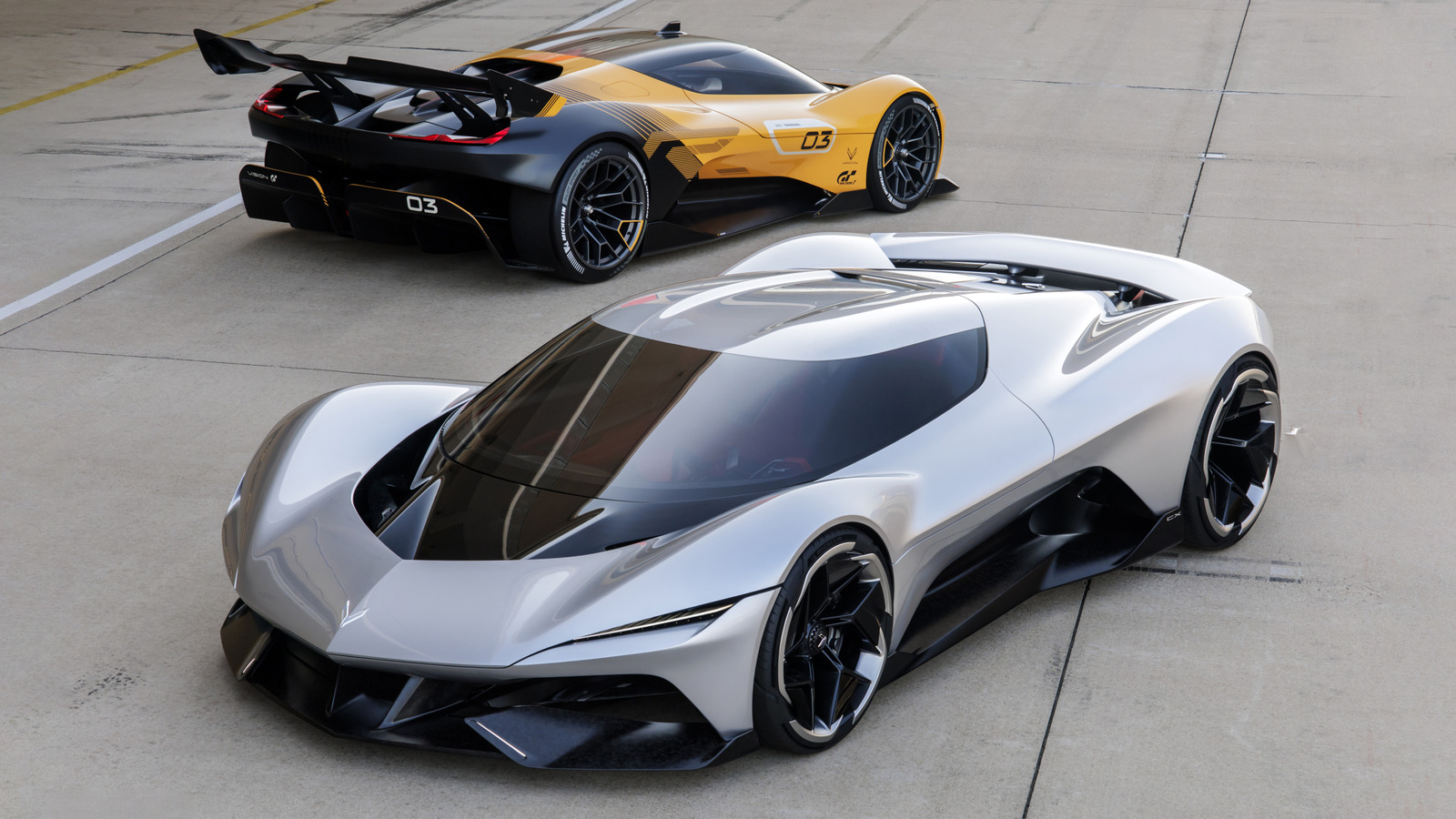
Chevrolet has unveiled two new Corvette concept cars, the CX and CX.R Vision Gran Turismo, showcasing future electric and race-ready designs that will be playable in 'Gran Turismo 7,' highlighting Chevrolet's vision for the Corvette's future with advanced aerodynamics, high performance, and innovative design features.
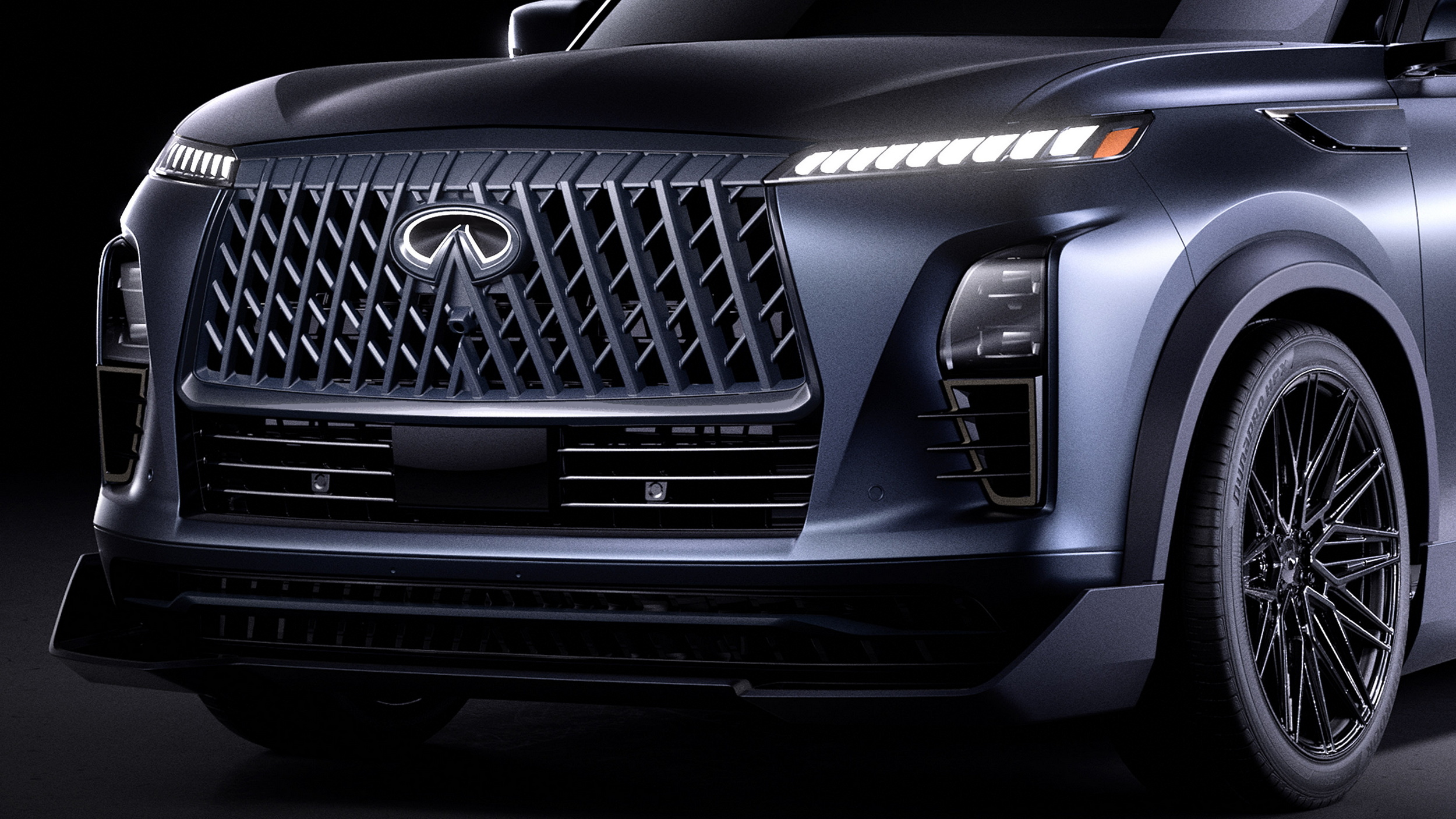
Infiniti has unveiled two QX80-based concept models: the Track Spec with over 650 hp aimed at competing with the Escalade-V, and the Terrain Spec designed for overlanding with rugged features and off-road capabilities, showcasing Infiniti's exploration into high-performance and luxury off-road SUVs.
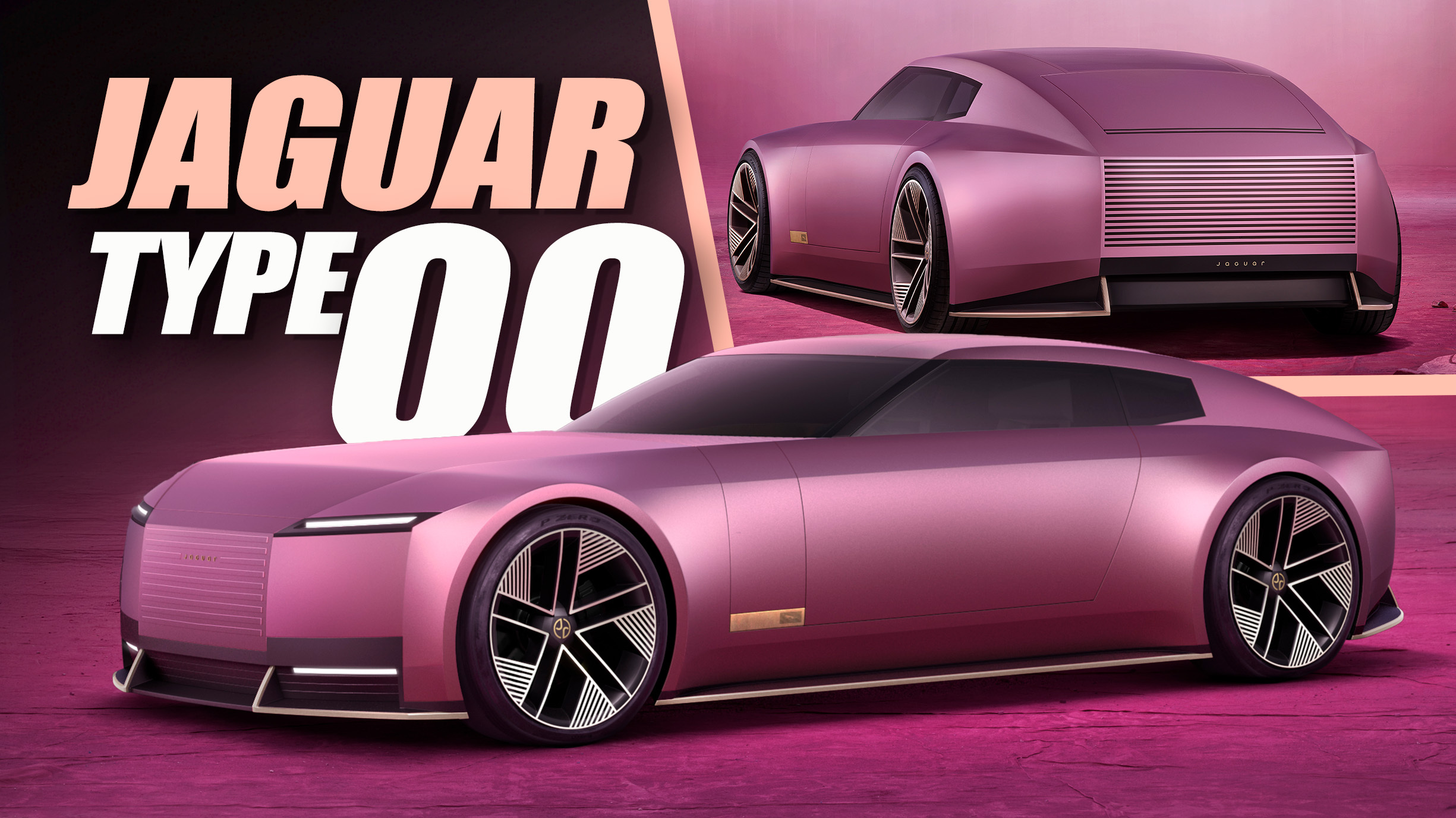
Jaguar has unveiled the Type 00 concept, a bold new design direction for its upcoming electric vehicle lineup, set to debut in 2025. The Type 00, initially a two-door coupe, will evolve into a four-door sedan with a targeted range of 478 miles WLTP and 430 miles EPA. The design blends influences from the E-Type, Range Rover, and Tesla Cybertruck, featuring a modern, industrial look with unique elements like pop-out cameras and hidden digital screens. This concept marks Jaguar's shift towards a luxury brand identity, with two more EVs planned by the end of the decade.
Jeep unveils four special trucks for the 2024 Easter Jeep Safari, including the Low Down built on the Wrangler Rubicon 392, the Willys Dispatcher based on the Wrangler 4xe plug-in hybrid, the High Top built around the Gladiator Rubicon, and the Vacationeer, a minty green Grand Wagoneer. Each model features unique paint schemes, massive wheels, and off-road upgrades, making them stand out for off-road enthusiasts.
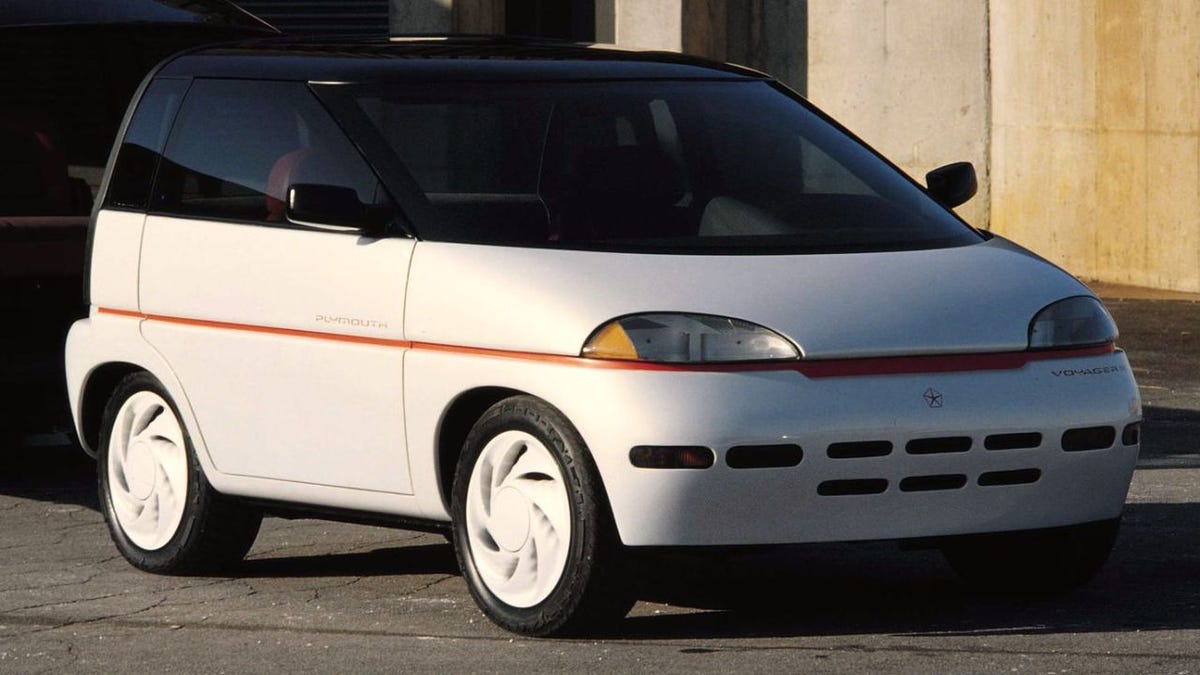
Detroit's "Big Three" automakers have produced numerous exceptional concept cars over the years, many of which never made it to production due to their unconventional designs. Some notable examples include the Plymouth Voyager III, GM's Nomad, Chrysler's ME Four-Twelve, Ford's GT90, and Cadillac's Cien. These concept cars showcased innovative engineering and styling, offering a glimpse of what could have been in the automotive world.
The Consumer Electronics Show (CES) in Las Vegas showcased significant automotive developments, including Sony and Honda's Afeela electric sedan, BMW's expanded in-car gaming platform, Kia's electrified commercial-style vans, Continental's transparent in-car display, VinFast's new pickup truck and electric SUV, Mercedes-Benz's new virtual assistant and EV concepts, Volkswagen's refreshed MK8 GTI, Hyundai's eVTOL concept, and Honda's striking electric concept cars and new logos.
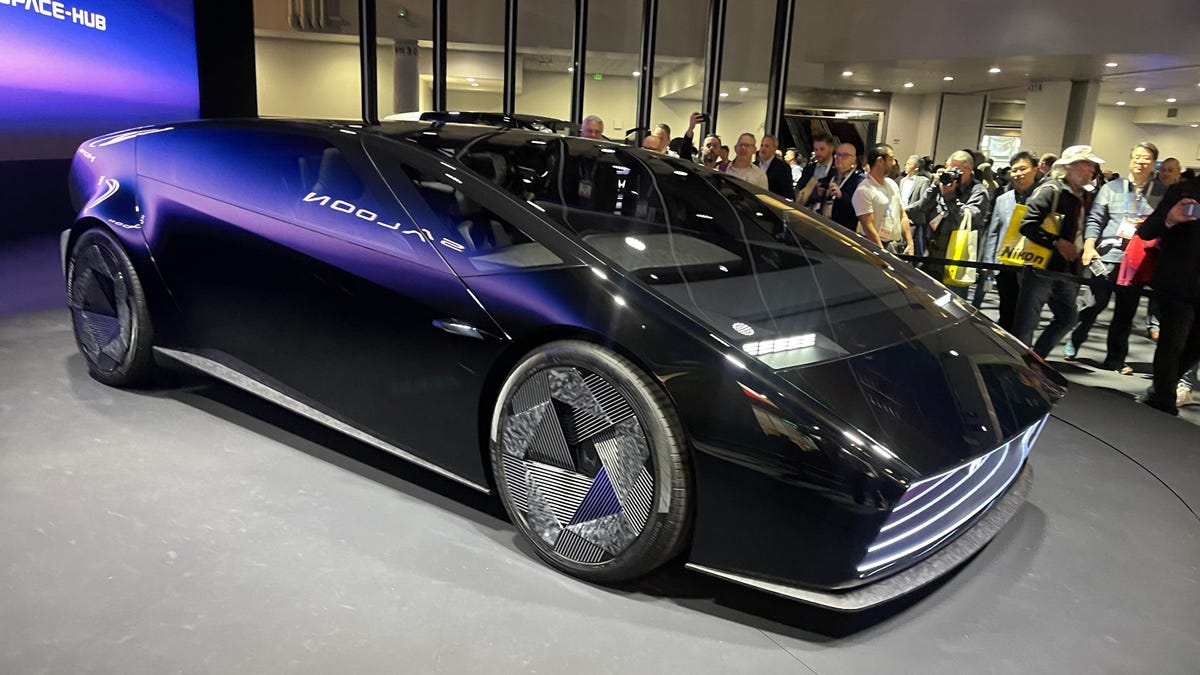
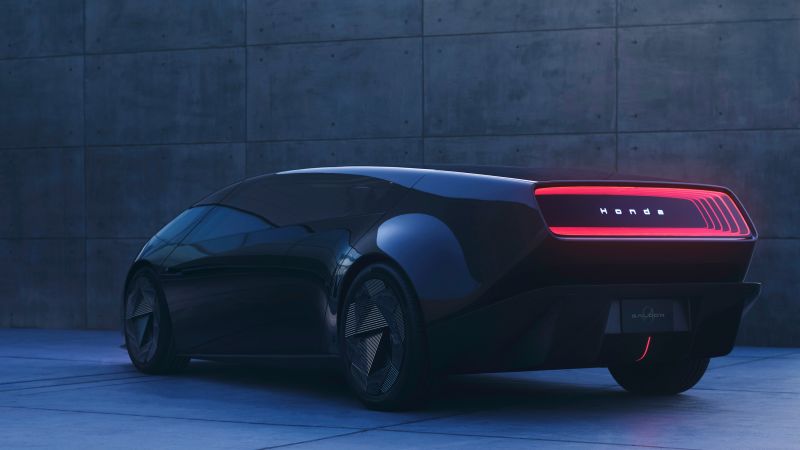
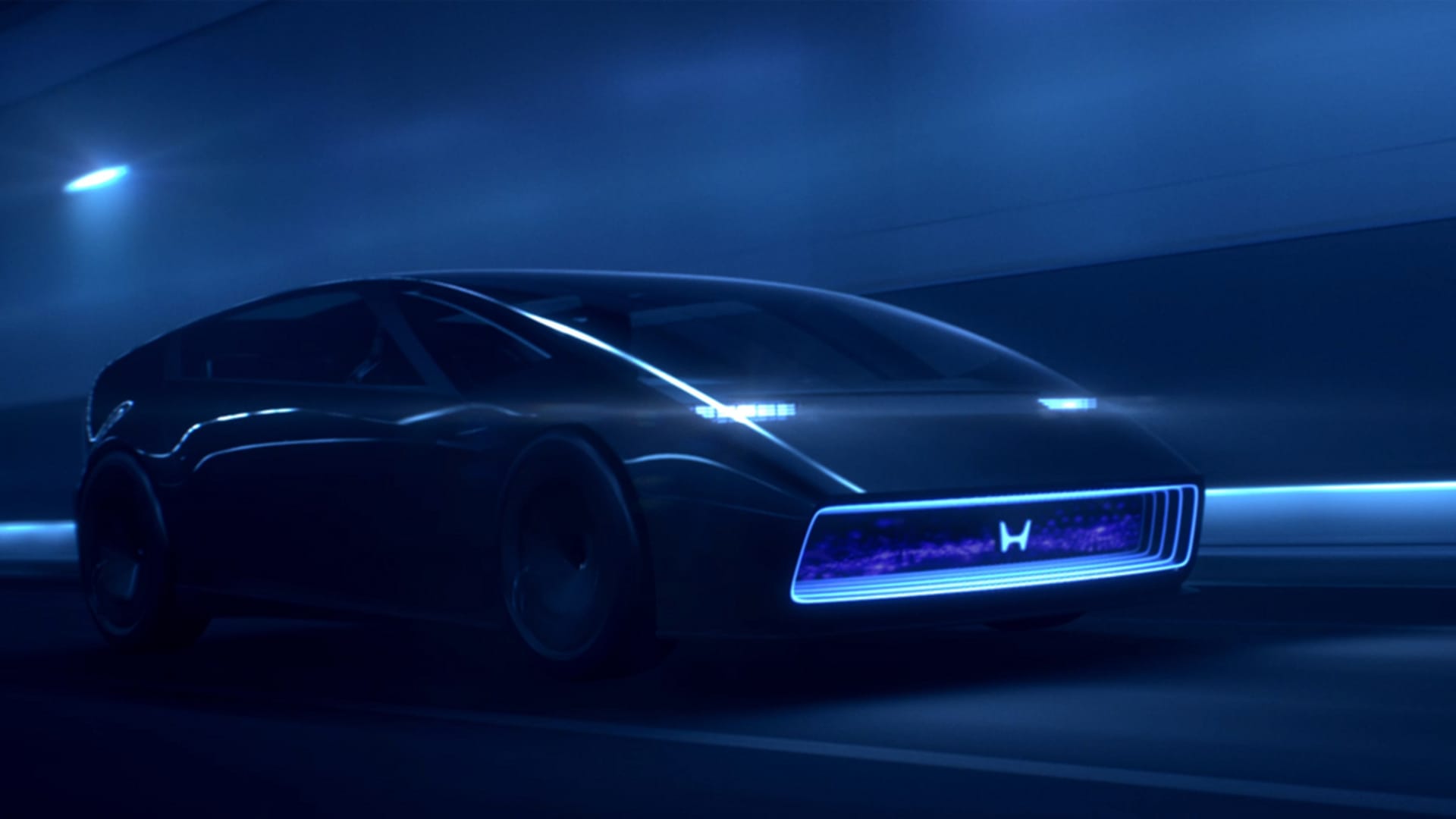
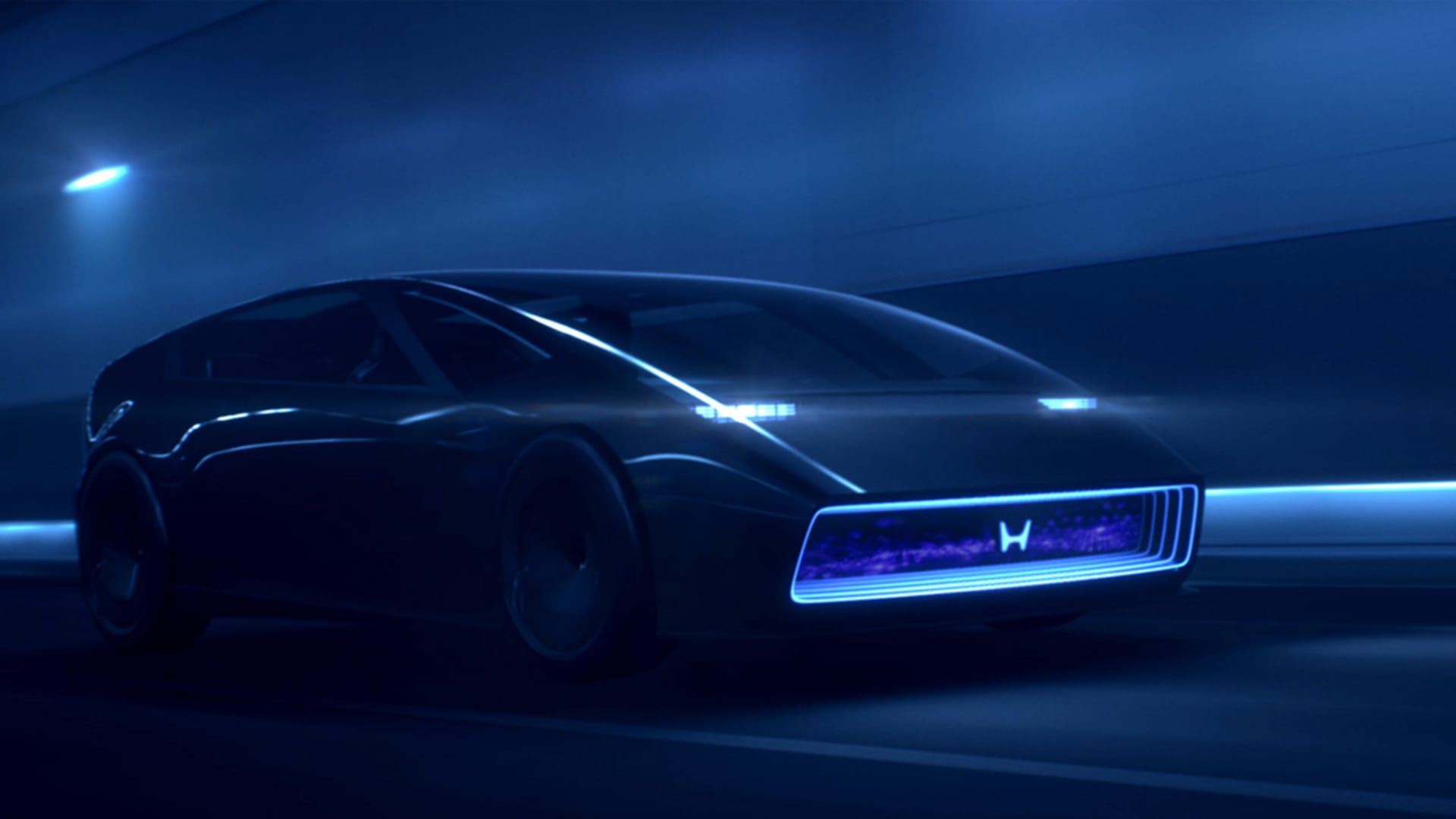
Honda unveiled two concept vehicles, the Saloon and the Space-Hub, at the Consumer Electronics Show, offering a glimpse of its upcoming line of electric vehicles, the Honda 0 Series, set to go into production in 2026. The new models will feature a redesigned Honda logo as part of the company's shift to electric vehicles, following its announcement to invest $40 billion in creating 30 new EVs globally by 2030 and to sell only zero-emission vehicles in major markets by 2040.
Honda unveiled two concept cars, the "Space-Hub" and "Saloon," at the CES tech conference, offering a glimpse of its upcoming lineup of electrified vehicles set to debut in North America in 2026. The futuristic designs feature a focus on thin, light, and wise principles, with the first production "Honda 0 Series" EV based on the Saloon concept. Both models showcase sleek, futuristic exteriors and minimalistic digital cockpits, with autonomous driving capabilities and advanced driver-assistive systems. Honda plans to introduce the 0 Series in various global markets, with a focus on expanding hands-off functions for use on expressways and surface streets.
Honda unveiled two concept cars, the "Space-Hub" and "Saloon," at CES as a preview for its new lineup of electrified vehicles, with the first production "Honda 0 Series" EV based on the Saloon concept. The company plans to introduce the 0 Series in North America in 2026, followed by other regions. Both concept cars feature futuristic designs and are designed to include autonomous driving capabilities, with the 0 Series set to feature advanced driver-assistive and automated driving systems based on Honda's "human-centric" safety concept.
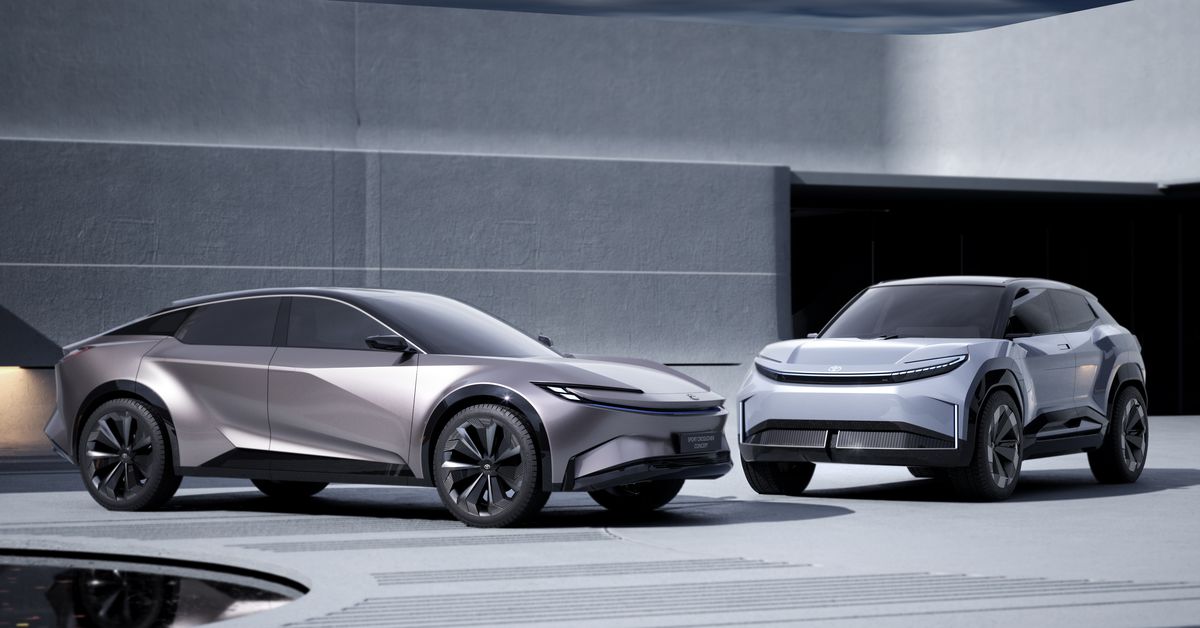
Toyota has unveiled two new electric vehicle (EV) concepts, the Urban SUV and Sport Crossover, as part of its future battery-powered lineup. The compact Urban SUV is set to enter Europe's growing EV market segment next year, while the Sport Crossover will be released in 2025. Toyota plans to introduce a total of six EVs in Europe by 2026. Despite its plans, the automaker is trailing behind competitors in terms of EV models and has faced criticism for its lobbying efforts against all-electric vehicles. Toyota aims to release 30 EVs and sell 3.5 million battery EVs by 2030, with plans to transform its luxury brand Lexus into an EV-only marque by 2035.
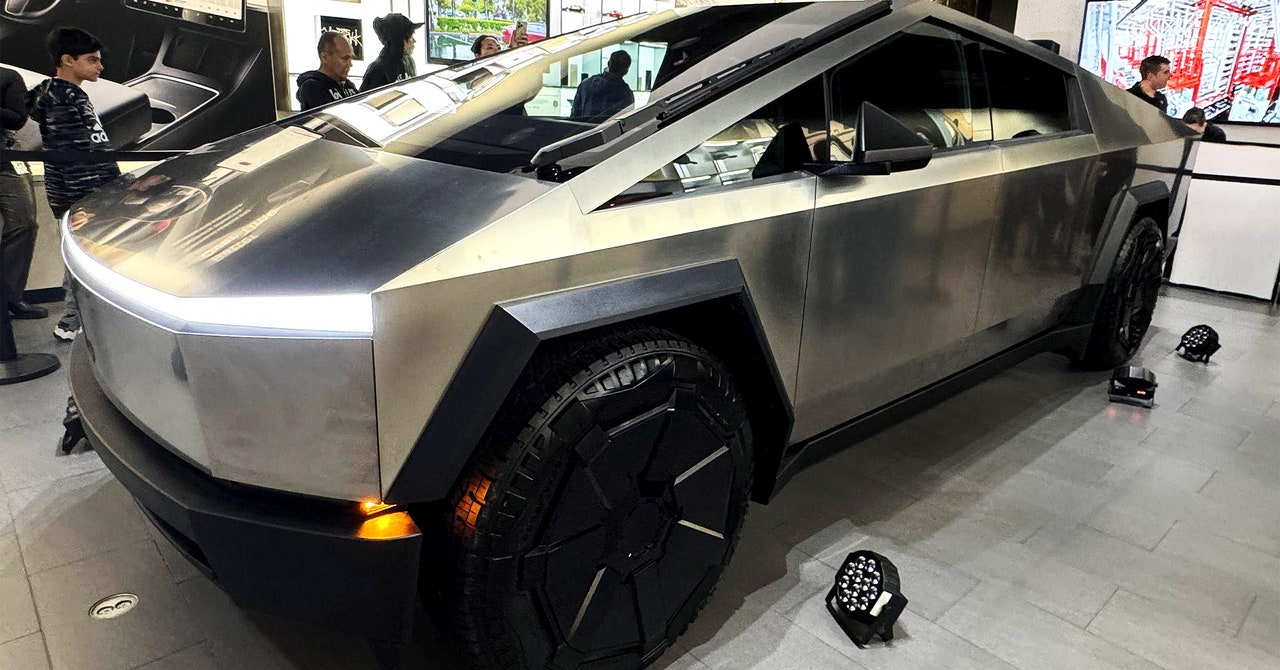
Tesla's Cybertruck, set to be unveiled on Thursday, continues to polarize opinions with its unconventional design. While some find it offensive and a departure from traditional car design, others are in awe of its uniqueness. Despite facing production delays and criticism, the Cybertruck's influence can already be seen in competitors' concept vehicles and student designs. Tesla has stuck to its original concept, showcasing its commitment to innovation. The truck's simplicity and use of stainless steel present technical challenges, but also offer advantages such as crash resistance and environmental sustainability.
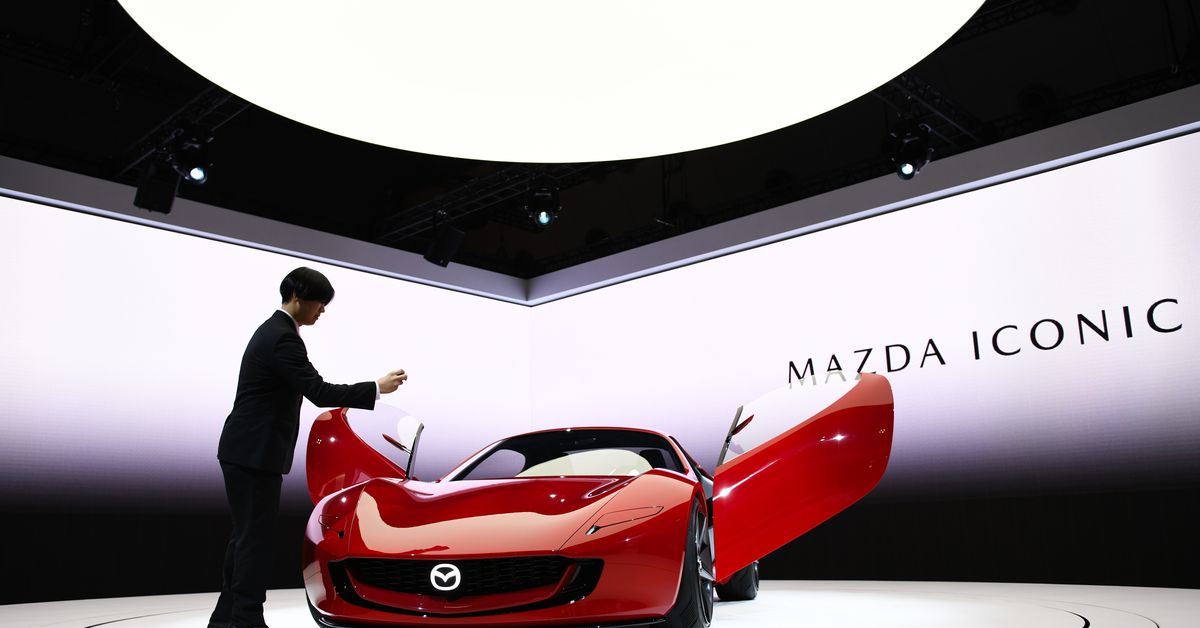
Japanese automakers Honda, Mazda, Nissan, Subaru, and Toyota have unveiled show-stopping sports car concepts at the Japan Mobility Show, signaling their commitment to keeping enthusiast segments alive amid the global transition to electric vehicles (EVs). These concepts feature fully electric or hybrid powertrains and are not far-fetched or far away from production. While other automakers are being cautious with their electric performance cars, Japan's automakers are leading the way in keeping sports cars alive in the EV era.
Lexus has unveiled the LF-ZC electric vehicle concept, which will serve as the basis for a luxury car set to launch in 2026. The LF-ZC features a sleek design with a low-hanging roofline and advanced aerodynamics, aiming to achieve twice the range of conventional EVs. It is built on a new EV architecture and incorporates a software platform called "Arene OS" for advanced safety features and multimedia functions. Lexus also showcased the LF-ZL concept, designed for a luxurious backseat experience. Toyota, Lexus' parent company, is urged to develop and execute a comprehensive EV strategy.
Kia has unveiled its EV3 and EV4 concept cars, which provide a glimpse into the company's upcoming production electric vehicles. These smaller, more affordable EVs will be crucial to Kia's goal of increasing global electric vehicle sales to 1 million units annually by 2026. The EV3 is a cute small SUV with unique features like a slide-out panel for climate controls and a flip-up rear bench seat. The EV4, on the other hand, is a peculiar sedan-hatch-thing that incorporates attributes of sedans, coupes, and wagons. Both cars will be based on the E-GMP electric vehicle architecture and are expected to be available in the next few years.