Tag

Comprehensive Nuclear Test Ban Treaty

All articles tagged with #comprehensive nuclear test ban treaty

international-relations2 years ago

Putin Withdraws Russia's Ratification of Global Nuclear Test Ban Treaty, Signaling Shift in Nuclear Policy

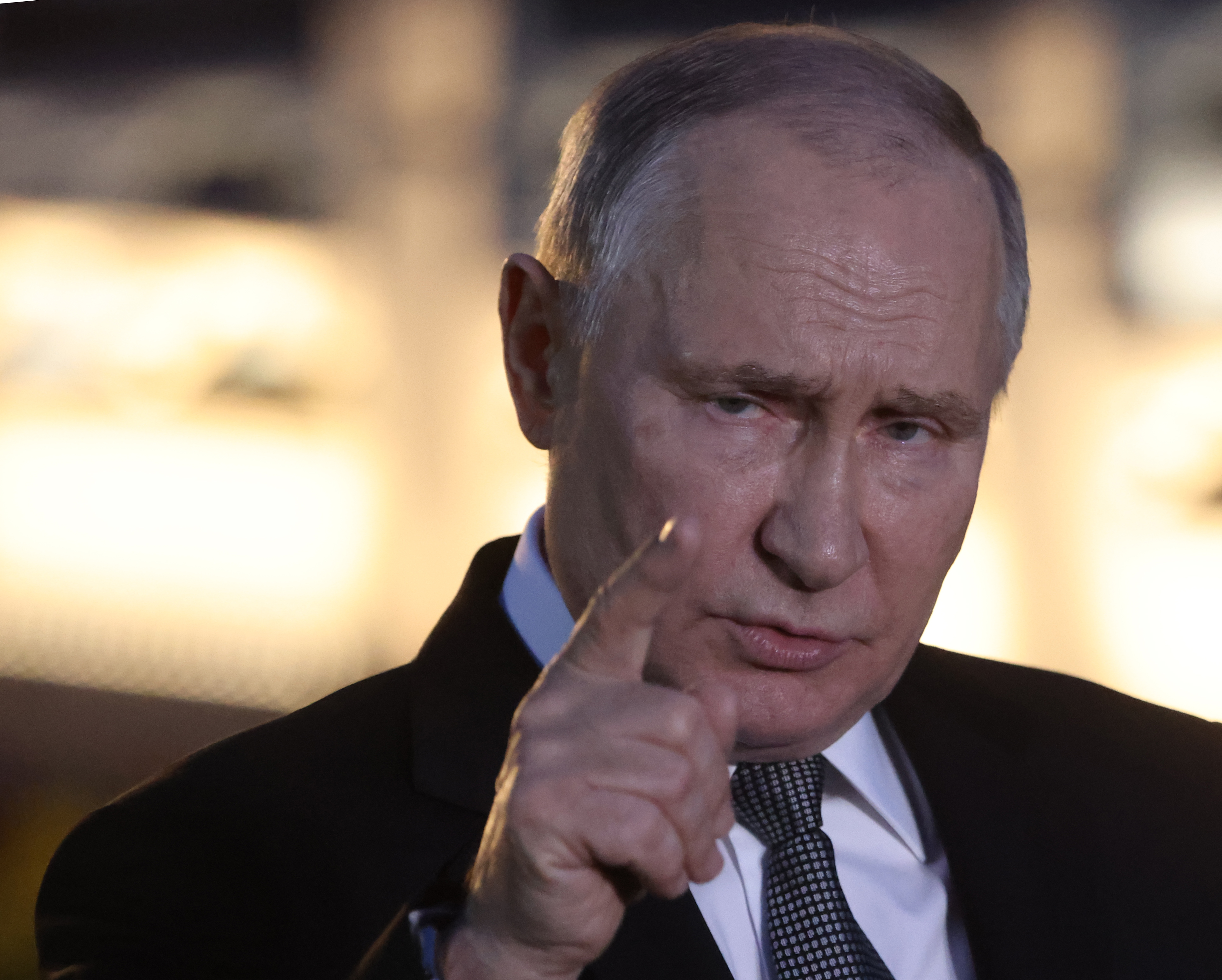
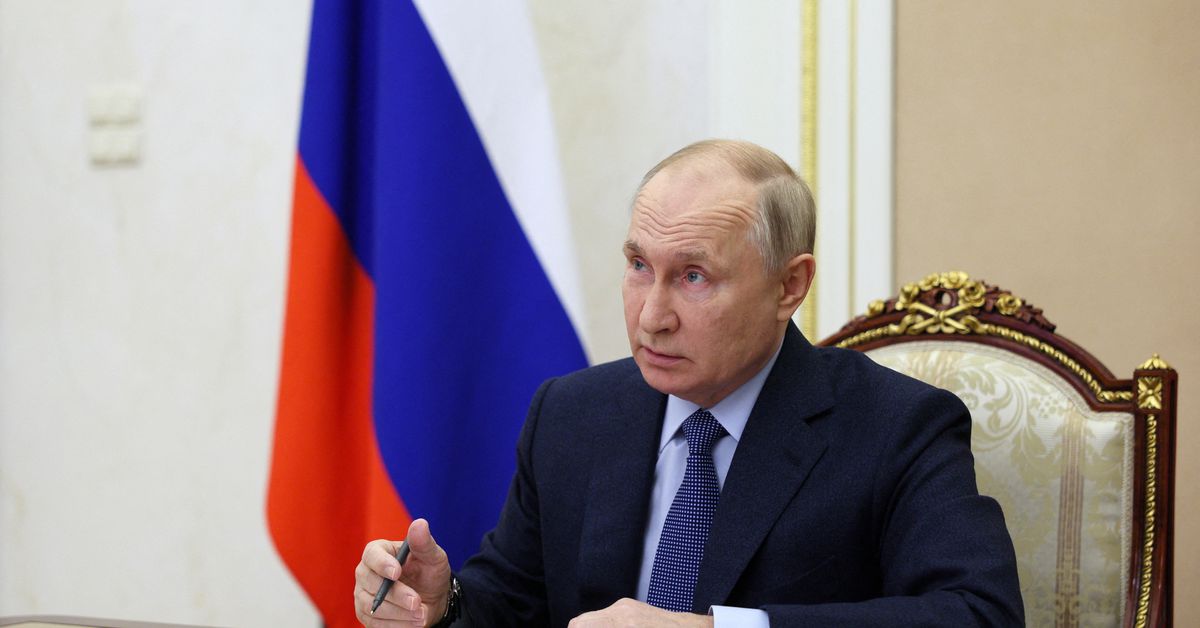
Russian President Vladimir Putin has signed a law withdrawing Russia's ratification of the Comprehensive Nuclear Test Ban Treaty (CTBT), a move condemned by the treaty organization. Moscow claims the decision is to align with the United States, which signed but never ratified the treaty. Russia states that it will not resume nuclear testing unless the US does, but Western experts express concerns that Russia may be moving towards a nuclear test amid the Ukraine conflict. The CTBT organization called Russia's decision "deeply regrettable," as the treaty aims to prevent nuclear tests through a global network of observation posts.
international-relations2 years ago

Russia Withdraws from Nuclear Test Ban Treaty: Putin's Decision

Russian President Vladimir Putin has revoked Russia's ratification of the Comprehensive Nuclear Test Ban Treaty (CTBT), citing the need to align with the United States. The move comes after Russia's upper house Federation Council unanimously approved the abandonment of the treaty. While it remains unclear if Russia will resume nuclear tests, Deputy Foreign Minister Sergei Ryabkov stated that Moscow would only do so if the US does. The US expressed concern over Russia's decision, accusing it of endangering the global norm against nuclear explosive testing. The abandonment of the CTBT leaves New START as the last remaining bilateral nuclear weapons treaty between the US and Russia.

military2 years ago

"Putin's Nuclear Strike Drills: A Warning to the West?"

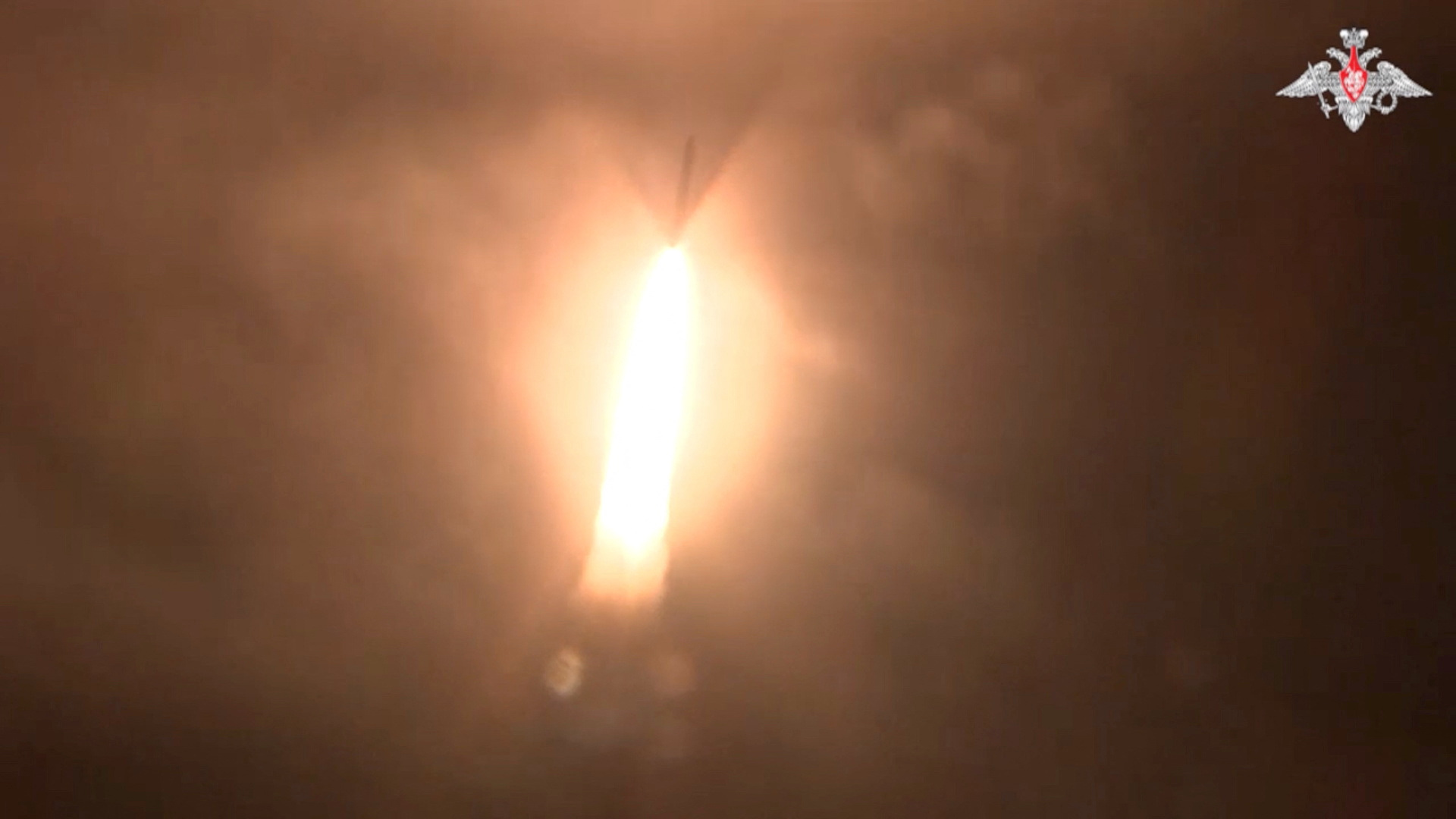
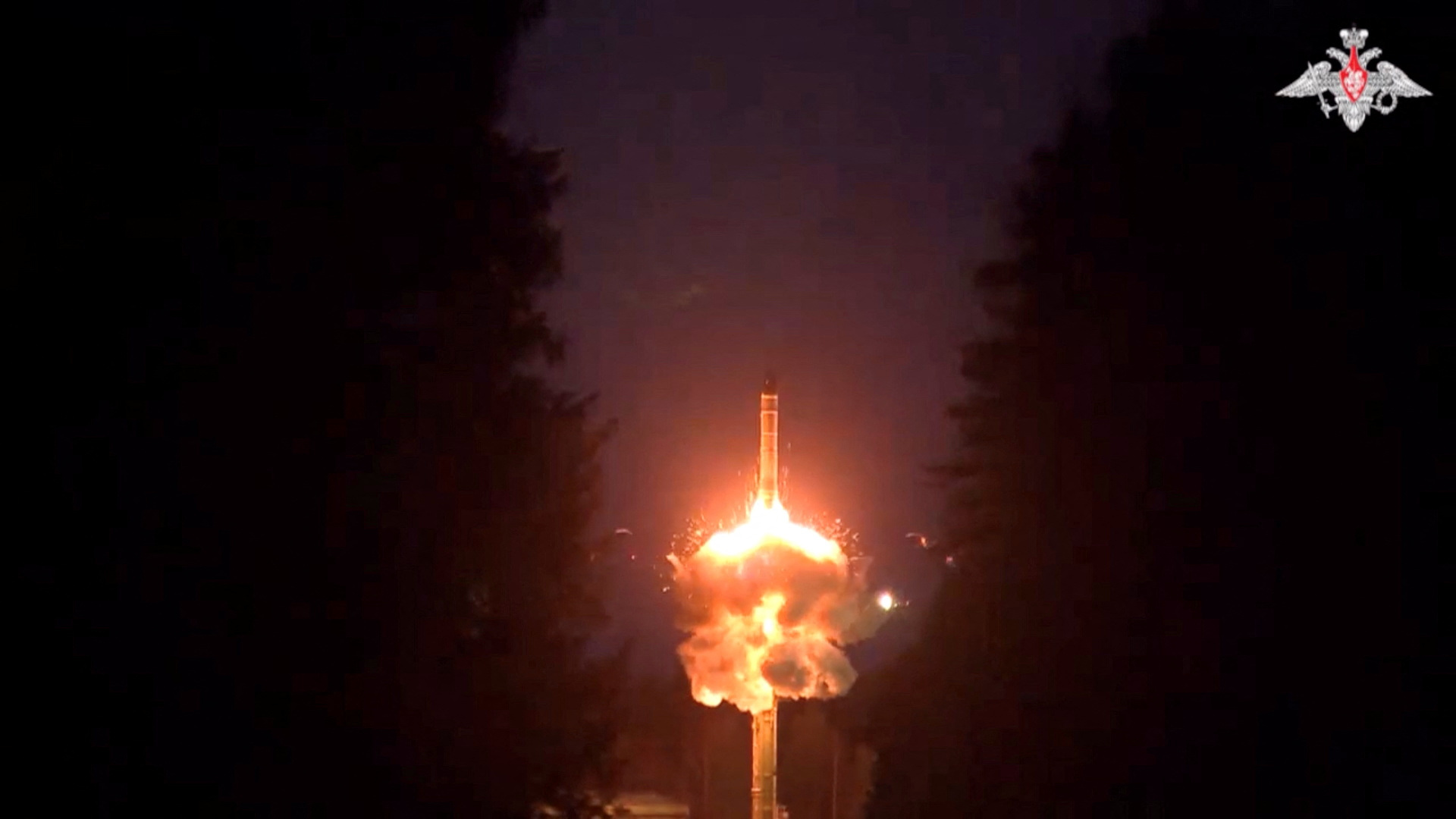
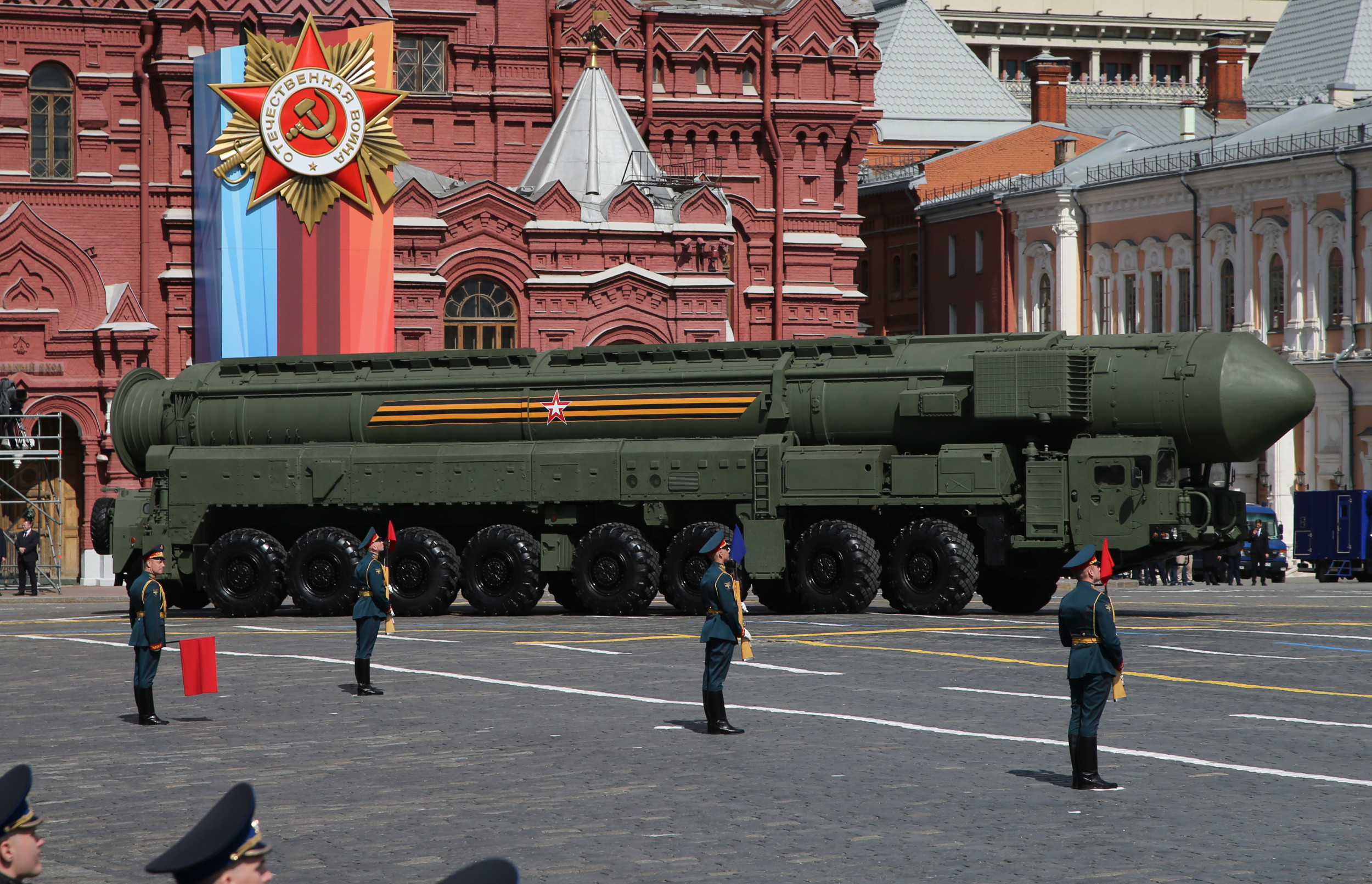
Russian President Vladimir Putin conducted a large-scale nuclear strike drill, but did not test launch the newer Bulava and Sarmat missiles. The drill involved firing a Yars intercontinental ballistic missile from the Plesetsk Cosmodrome and a Sineva ballistic missile from a nuclear-powered submarine. Air-launched cruise missiles were also test-fired from long-range bombers. The drill came after Russia's upper parliament revoked ratification of the Comprehensive Nuclear Test Ban Treaty. Russian military expert Yuri Fedorov suggested that the absence of the newer missiles could indicate reliability concerns.

international-relations2 years ago

Russia Conducts Massive Retaliatory Nuclear Strike Drills Amid Escalating Tensions

Russia's military conducted a "massive" retaliatory nuclear strike drill, involving the test launch of missiles from a land-based silo, a nuclear submarine, and long-range bomber aircraft. The drill took place hours after Russia's upper house of parliament voted to revoke the country's ratification of the Comprehensive Nuclear-Test-Ban Treaty. President Vladimir Putin oversaw the exercise, which aimed to practice dealing with a massive nuclear strike in response to an enemy's nuclear attack. Russia's move to revoke the treaty's ratification has raised concerns about the possible resumption of nuclear tests and the impact on international relations.

international-relations2 years ago

Russia Withdraws from Nuclear Test Ban Treaty, Simulates Nuclear Strike

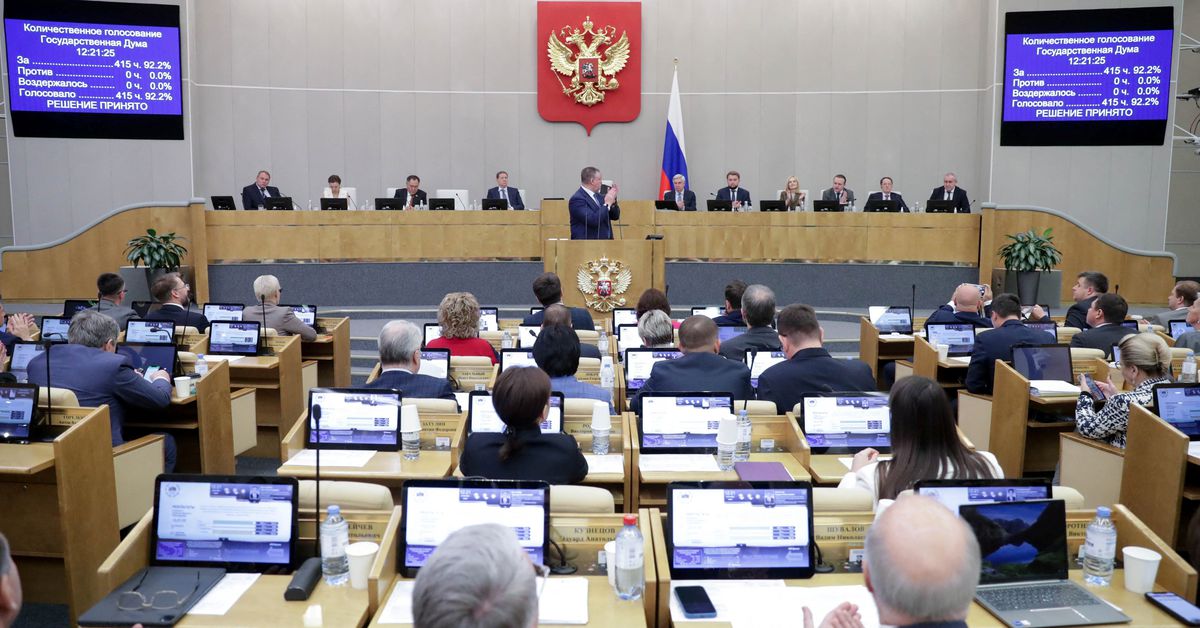
Russia's parliament has passed a law withdrawing ratification of the Comprehensive Nuclear Test Ban Treaty (CTBT), mirroring the United States' position. The move reflects the strained relations between Russia and the US amid the ongoing conflict in Ukraine. Russia stated that it will not resume discussing nuclear issues with the US unless Washington drops its "hostile" policy. Experts warn that a nuclear test by either country could trigger a new arms race and more testing by other nations. The fate of the New START treaty, which limits strategic warheads, is also uncertain as Russia suspended it this year, leaving the two countries without a bilateral nuclear weapons agreement.

international-relations2 years ago

"US and Russia Engage in Nuclear Testing Amidst Tensions"

Russia is closely monitoring a recent high-explosive experiment conducted by the United States at a nuclear test site in Nevada. The experiment aimed to validate new predictive explosion models for detecting atomic blasts in other countries. Russian lawmakers have expressed their intention to revoke their ratification of the Comprehensive Nuclear Test Ban Treaty, and the Russian Federation Council has called for an international legal assessment of the US underground tests. The US test is significant due to its timing and Russia's decision to closely monitor it.

international-relations2 years ago

"US and Russia Engage in Nuclear Testing Amidst Global Test Ban Uncertainty"

The United States conducted a high-explosive subsurface chemical explosion at a nuclear test site in Nevada, prompting concerns that Russia may resume nuclear testing. The test was conducted to improve the detection of low-yield nuclear explosions globally. Hours after the test, Russia's lower house of parliament voted to withdraw ratification of the Comprehensive Nuclear Test Ban Treaty. While experts believe Russia's withdrawal indicates its readiness to resume nuclear testing, Moscow maintains it will only do so if the US does first. Tensions have escalated due to Russia's invasion of Ukraine, with fears that Ukraine reclaiming Crimea could be a red line for Putin.

international-relations2 years ago

Russia's Nuclear Test Ban Treaty Ratification in Jeopardy as Putin Signals Intent

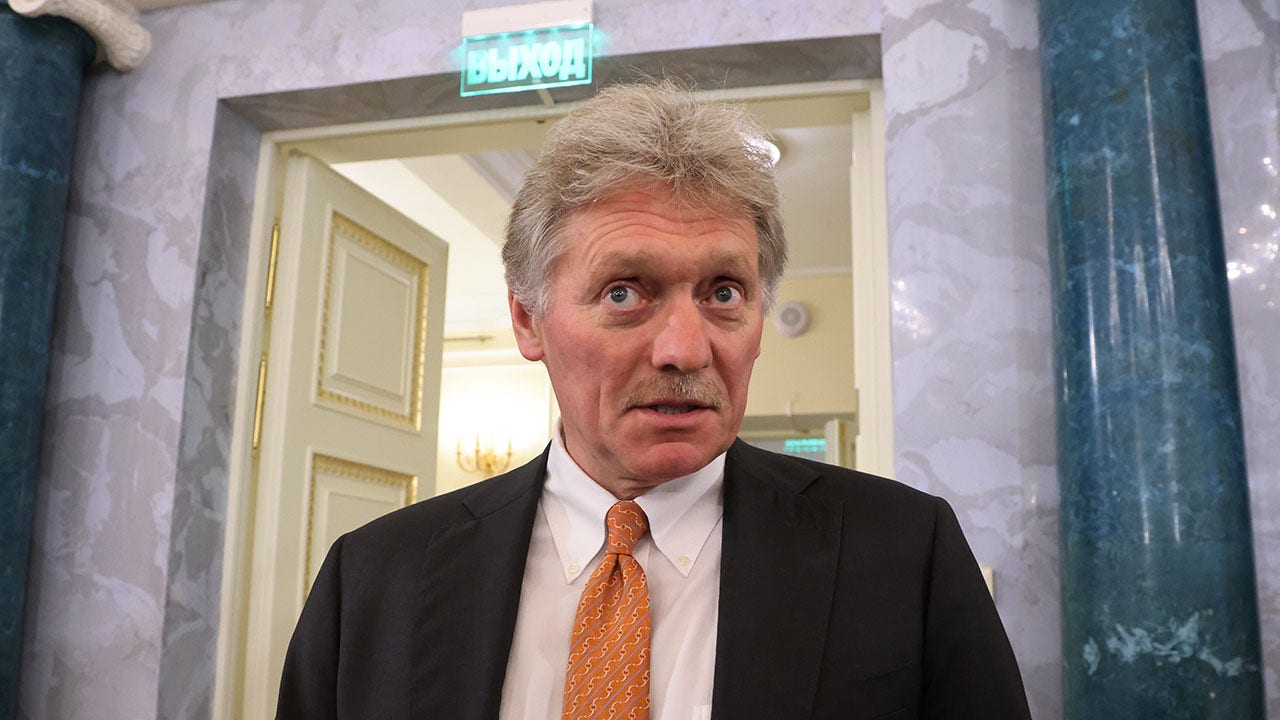
Russia is considering revoking its ratification of the Comprehensive Nuclear Test Ban Treaty (CTBT) after President Vladimir Putin hinted at the possibility of resuming nuclear testing. Putin stated that Russia's nuclear doctrine did not need updating but did not confirm whether nuclear tests would be resumed. The State Duma lower house of parliament will swiftly consider the need to revoke Russia's ratification of the treaty. While the Kremlin spokesperson clarified that this does not indicate an intention to conduct nuclear tests, Putin's comments suggest otherwise. Resuming nuclear tests by Russia, the United States, or China could potentially trigger a new nuclear arms race.