Reimagining Classical Novae: Unveiling the Intriguing World of Space Explosions
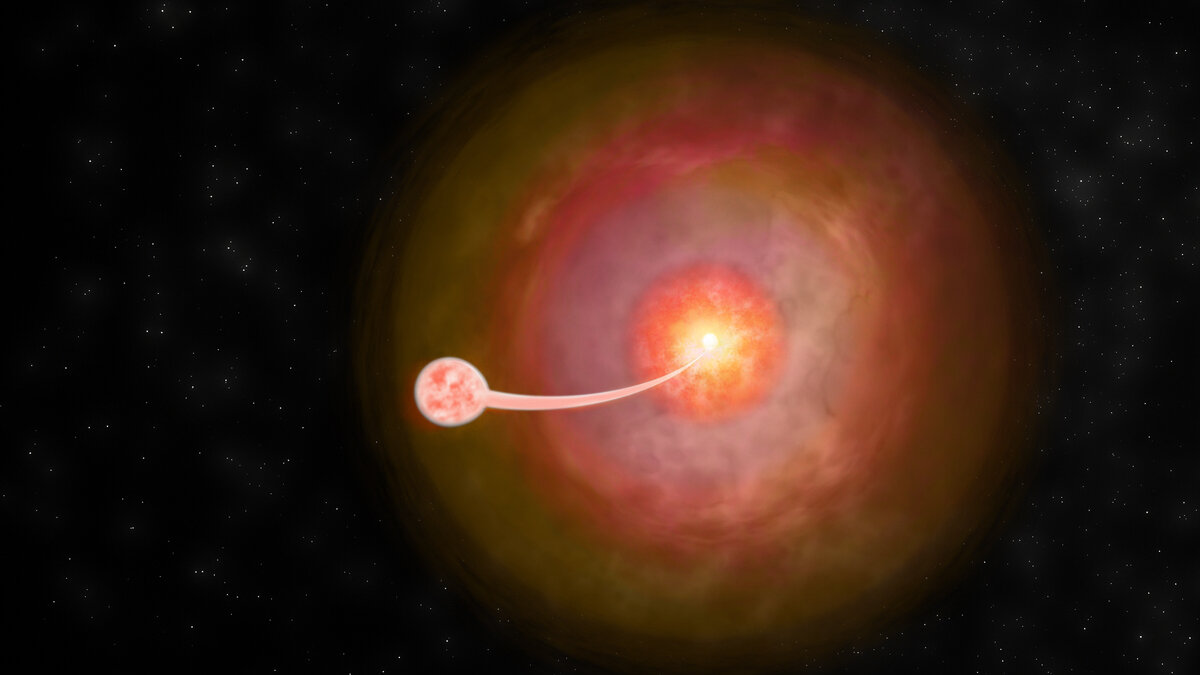
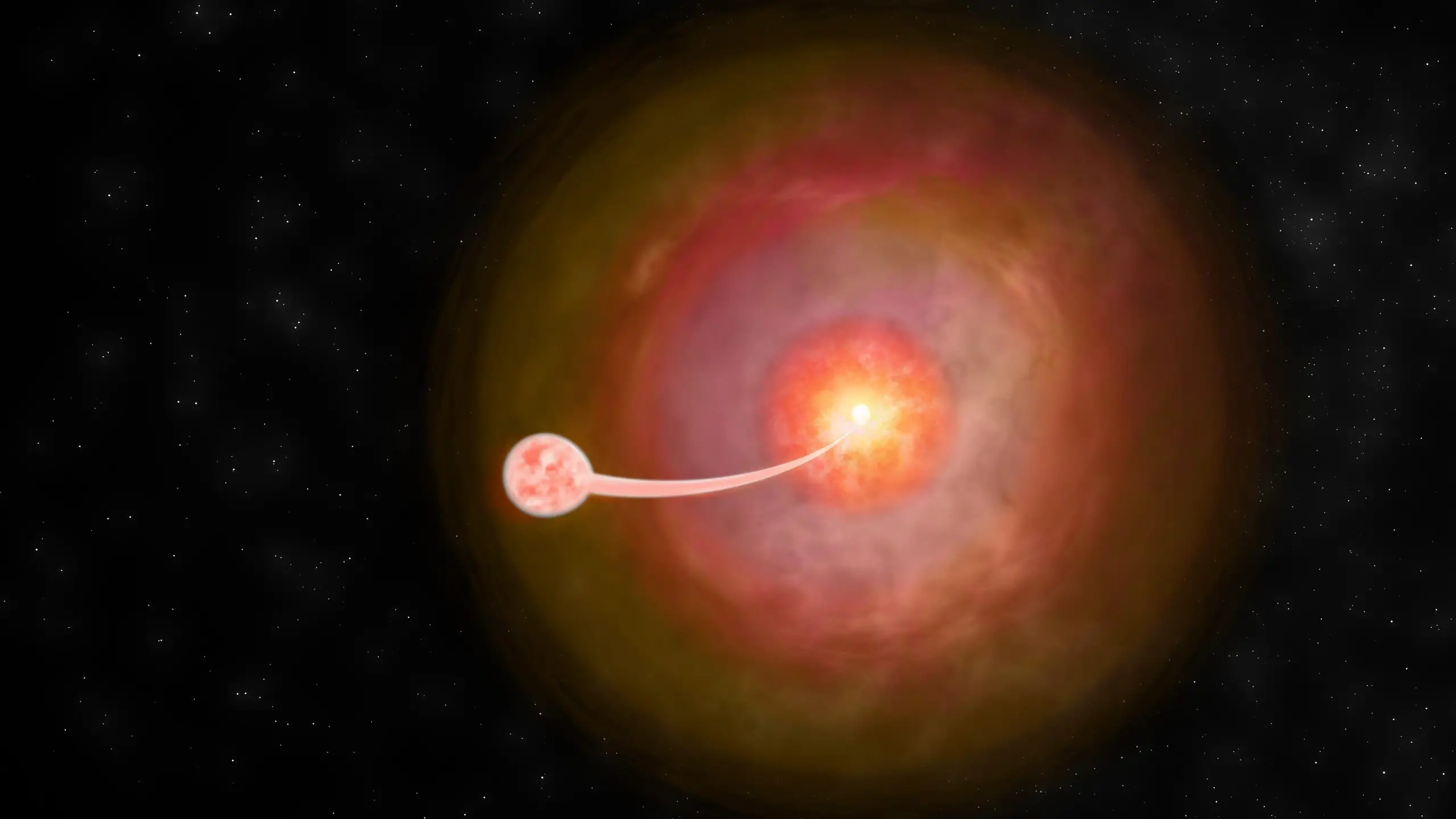
A graduate researcher studying classical novae using the Very Long Baseline Array (VLBA) has discovered non-thermal emissions from the classical nova V1674 Herculis, challenging the conventional understanding of these celestial objects as simple heat-induced explosions. This finding reveals more complexity in the behavior of classical novae and could provide new insights into their explosive tendencies. The VLBA observations of V1674 Herculis, which is the fastest classical nova on record, suggest a more intricate scenario than previously believed, and further investigations are underway to determine the cause of the non-thermal energy.