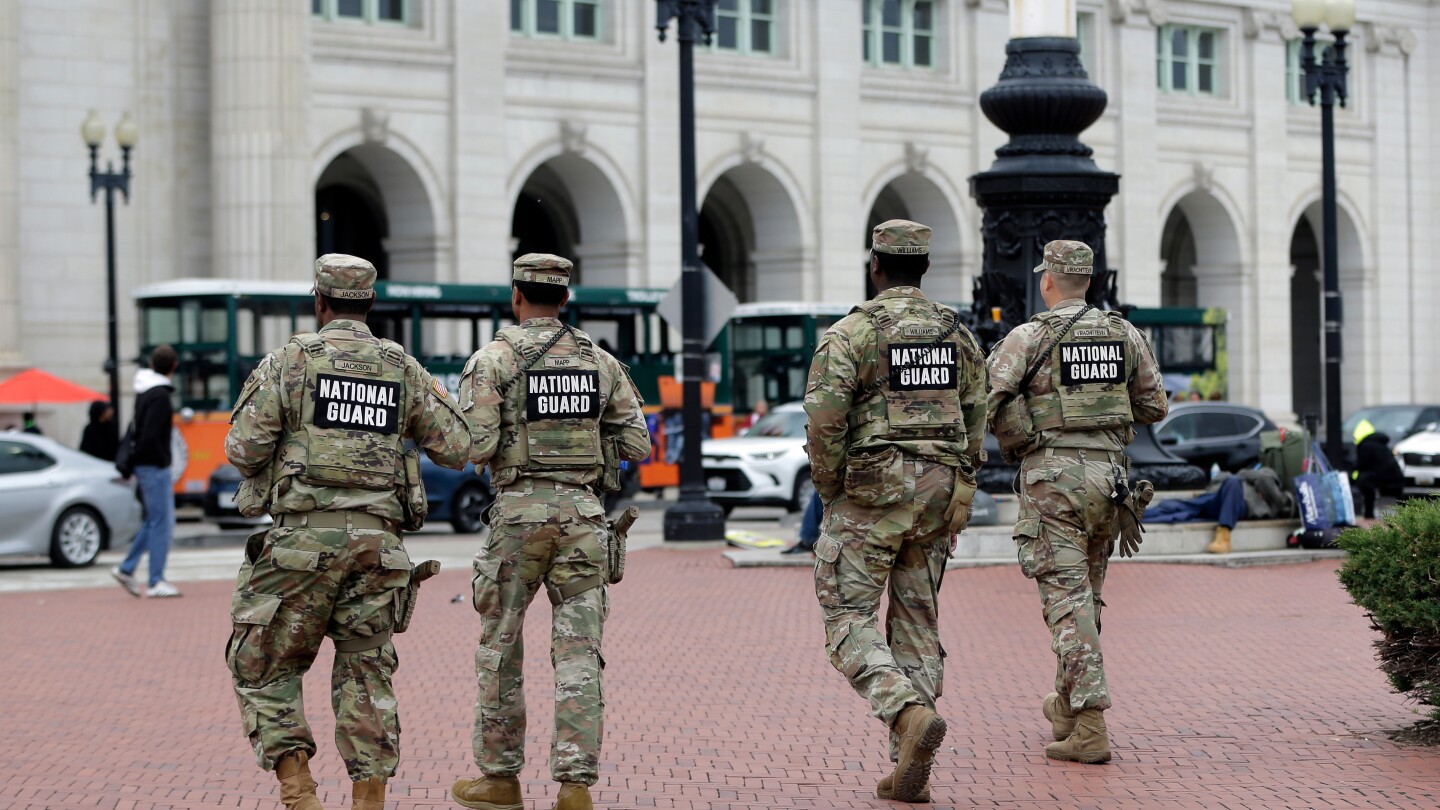
The U.S. National Guard in all 50 states and territories is being ordered to develop rapid deployment forces trained in crowd control and civil disturbance tactics, reflecting the Trump administration's plans to deploy military resources more readily on U.S. streets, with units expected to be operational by January 2026.
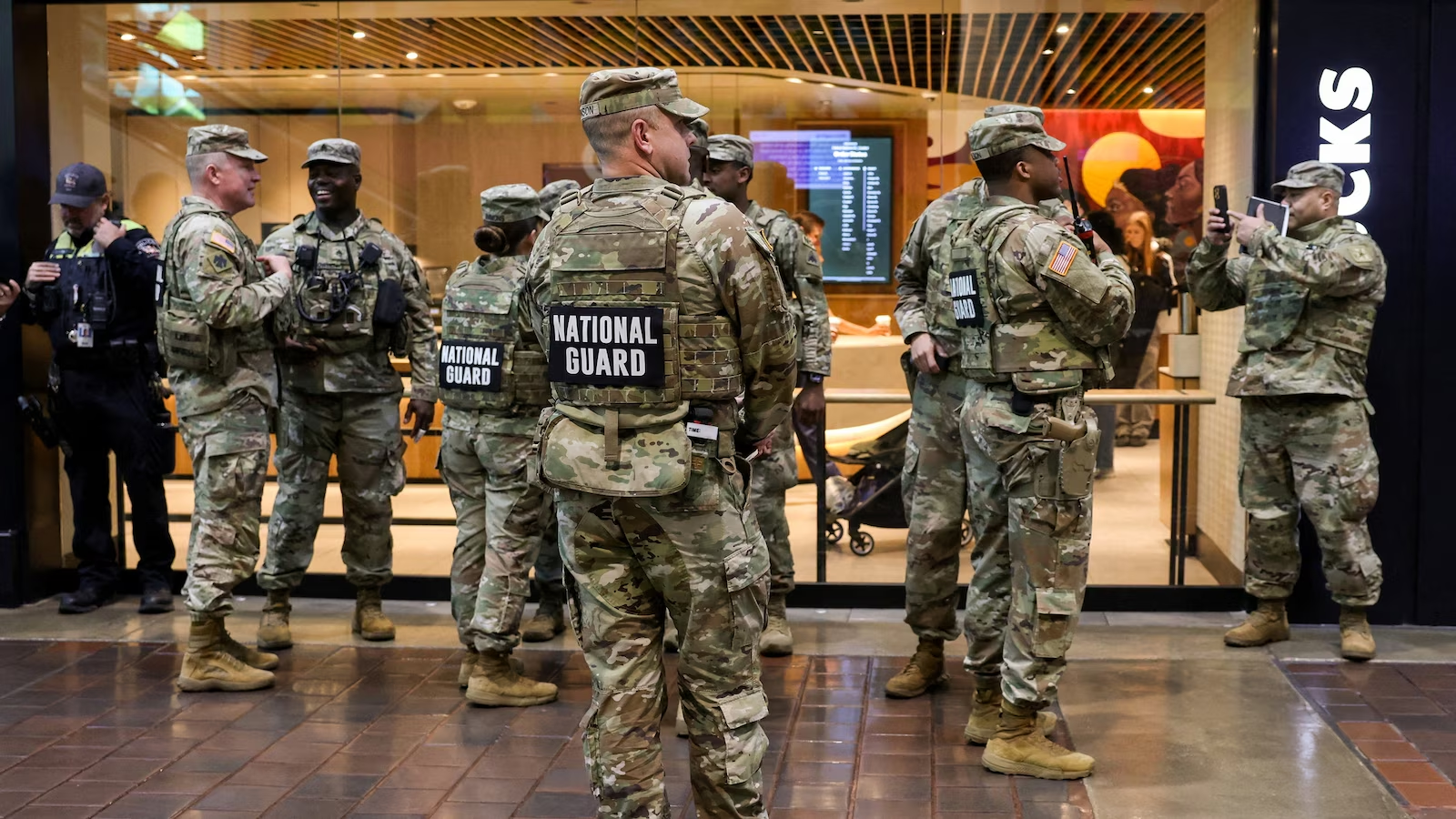
The U.S. National Guard plans to train up to 500 troops per state as rapid-response units for civil disturbances by January 1, following an executive order by President Trump, though details on how these units differ from existing forces remain unclear.
Approximately 200-250 National Guard troops in Portland began training to respond to civil disturbances, focusing on defending federal property amid heightened tensions and political rhetoric from President Trump, who has ordered deployments in several U.S. cities including Washington, D.C., and Memphis, amidst legal and political disputes.
President Trump signed an executive order to create a rapid response National Guard unit for domestic civil disturbances, raising concerns about the expansion of military roles in law enforcement and potential legal and democratic issues, especially regarding the control and use of the National Guard and federal agencies.
President Trump has issued an executive order to expand the role of the National Guard in domestic law enforcement, creating specialized units in all states to quickly address civil disturbances and potentially deploying troops to cities, including Democratic strongholds, amid ongoing concerns about public safety.
President Trump announced the readiness of the U.S. military and a new National Guard unit to assist in quelling civil disturbances across the country, but he has not committed to deploying federal troops to Chicago, citing the need for a request from the state's governor. Chicago's mayor opposes such a move, calling it illegal and unconstitutional.