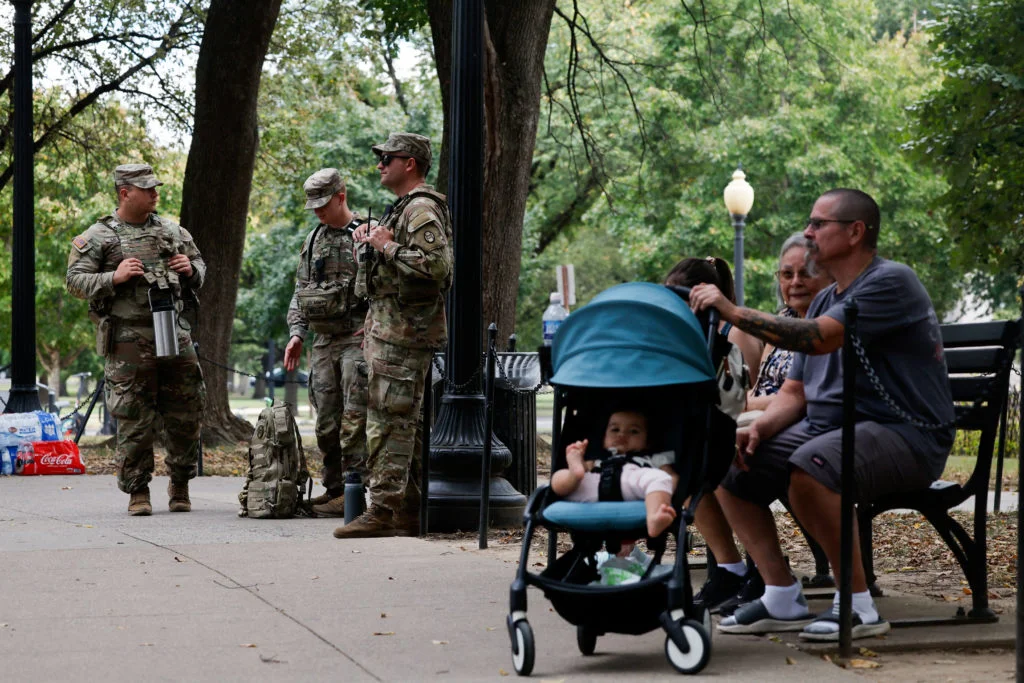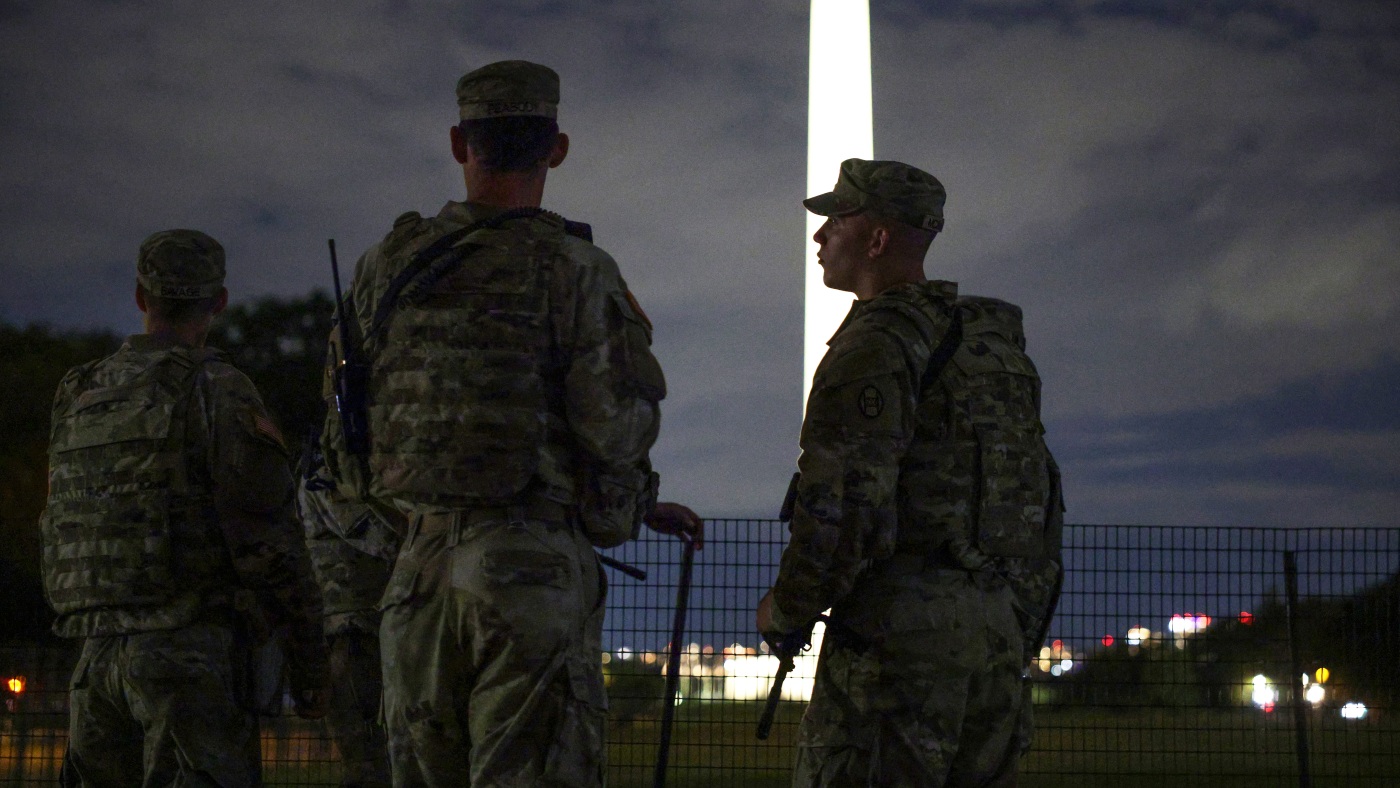
The Supreme Court blocked President Trump from deploying the National Guard into cities, raising questions about his potential use of the Insurrection Act to deploy the military domestically, a move that remains legally and politically complex and controversial.
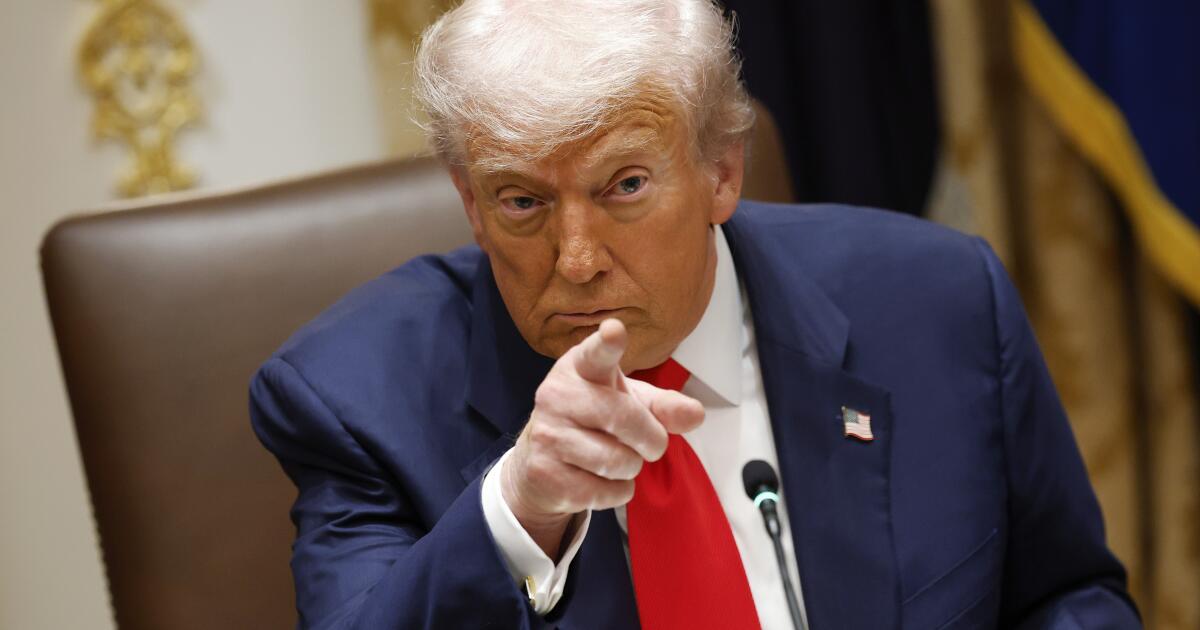
President Trump frequently references the Insurrection Act, a law granting emergency powers to deploy active-duty military in civilian law enforcement, which has historically been used in crises but also to suppress protests. While Trump has threatened to invoke it amid protests and unrest, legal and military experts warn of its broad powers and potential for misuse, with ongoing court cases and constitutional debates about its application. The law's invocation could significantly alter the legal and political landscape regarding military involvement in domestic issues.
President Trump is expanding the use of the military and National Guard troops on U.S. soil for law enforcement and immigration enforcement, a move largely supported by Republicans and unprecedented in scope, raising concerns about the erosion of traditional limits on military involvement in domestic affairs and potential legal challenges.
President Trump signed an executive order to create a rapid response National Guard unit for domestic civil disturbances, raising concerns about the expansion of military roles in law enforcement and potential legal and democratic issues, especially regarding the control and use of the National Guard and federal agencies.