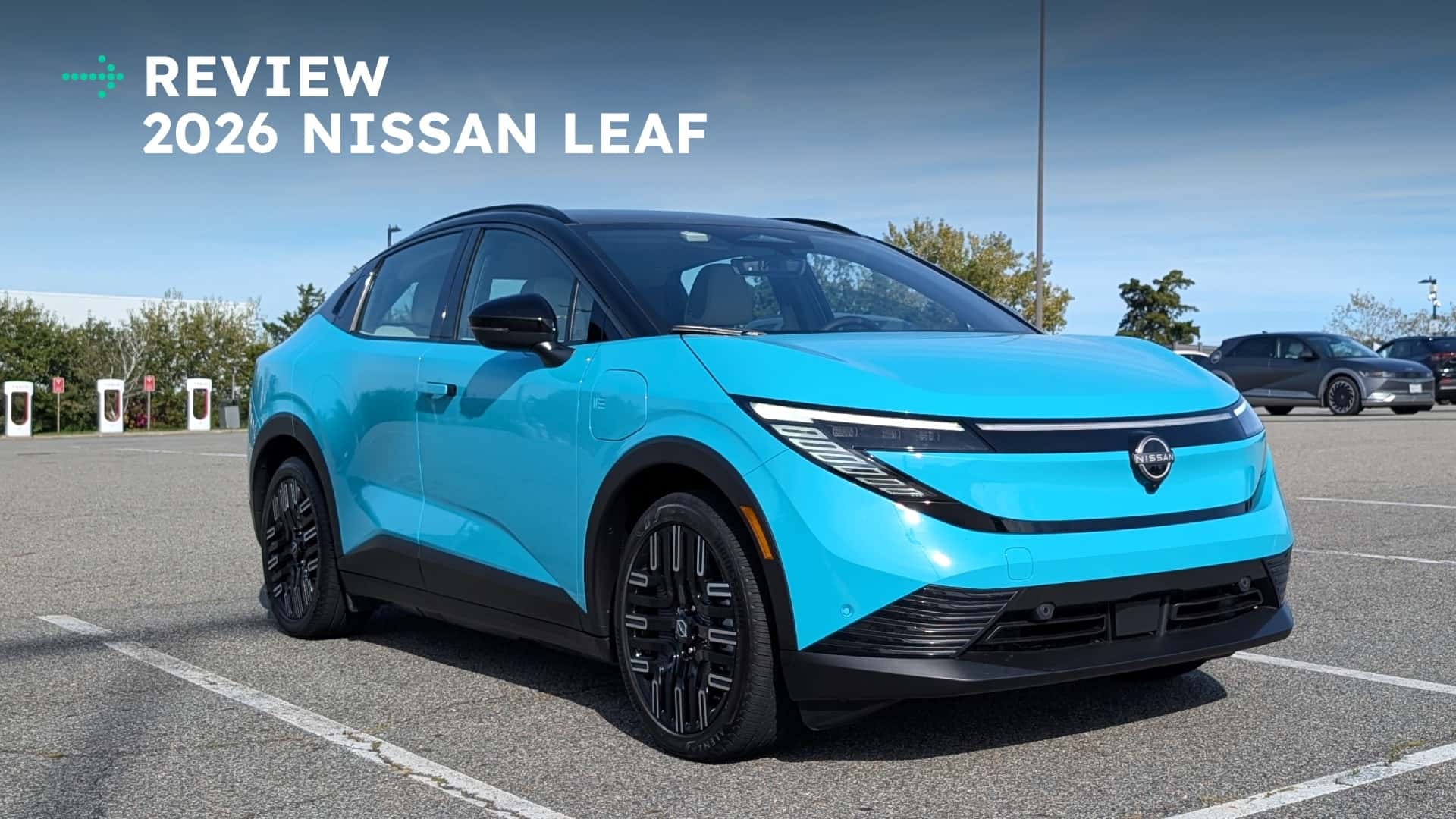
The 2026 Nissan Leaf impresses with its affordable price, over 300 miles of range, Tesla-style charging port, and improved ride quality, making it a compelling choice for budget-conscious EV buyers, despite some minor issues like wireless charging and seat adjustments.
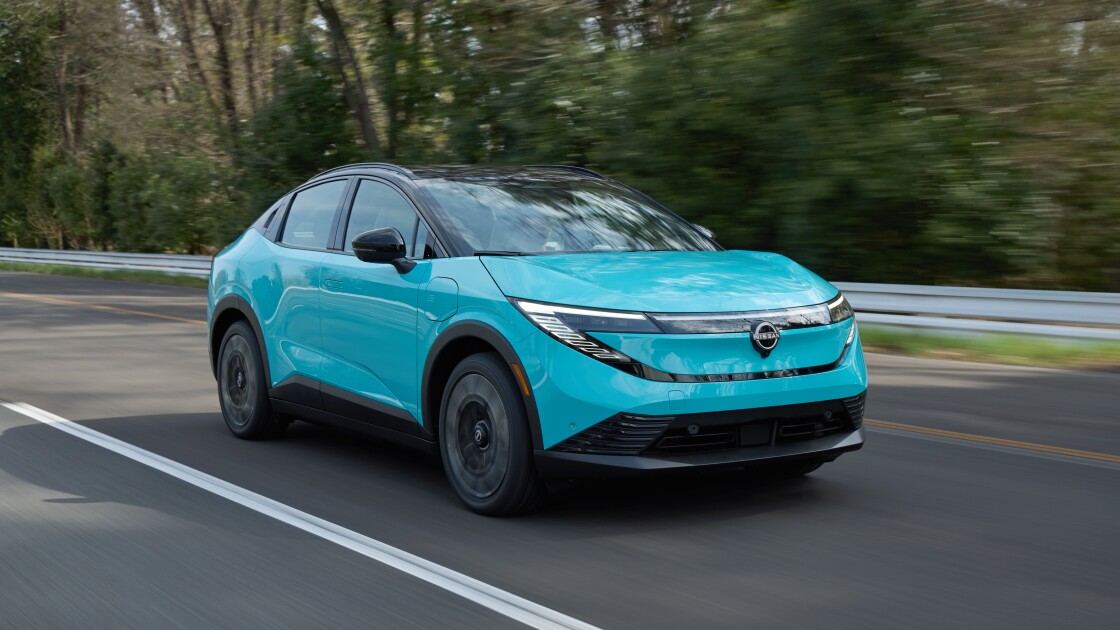
The 2026 Nissan Leaf has been redesigned to be more modern and SUV-like, featuring a 303-mile range, dual charging ports including a Tesla-compatible Supercharger port, and advanced tech like dual displays and a panoramic roof. While it aims to modernize the model and appeal to a broader audience, its price is expected to be above $30,000, with a smaller battery option arriving in spring 2026.
The U.S. has made significant progress in expanding its electric vehicle (EV) infrastructure, with the number of public charging ports reaching about 170,000 by the end of 2023. The Biden administration has increased the number of available EV charge ports by 70% since taking office and aims to achieve 500,000 ports by 2026, with a goal of 1.2 million by 2030. However, only 23% of the available chargers are DC Fast Chargers, and Tesla's North American Charging Standard (NACS) makes up 64% of all publicly available DCFCs.
The FBI has issued a warning to smartphone users to be cautious when using public Wi-Fi or charging ports to avoid cyber-crime attacks. Users are advised to avoid conducting sensitive transactions on public Wi-Fi networks and to limit their activity or use a VPN app. Additionally, the FBI warns against using free charging stations in public places, as bad actors can use public USB ports to introduce malware and monitoring software onto devices. Users are advised to carry their own charger and USB cord and use an electrical outlet instead.