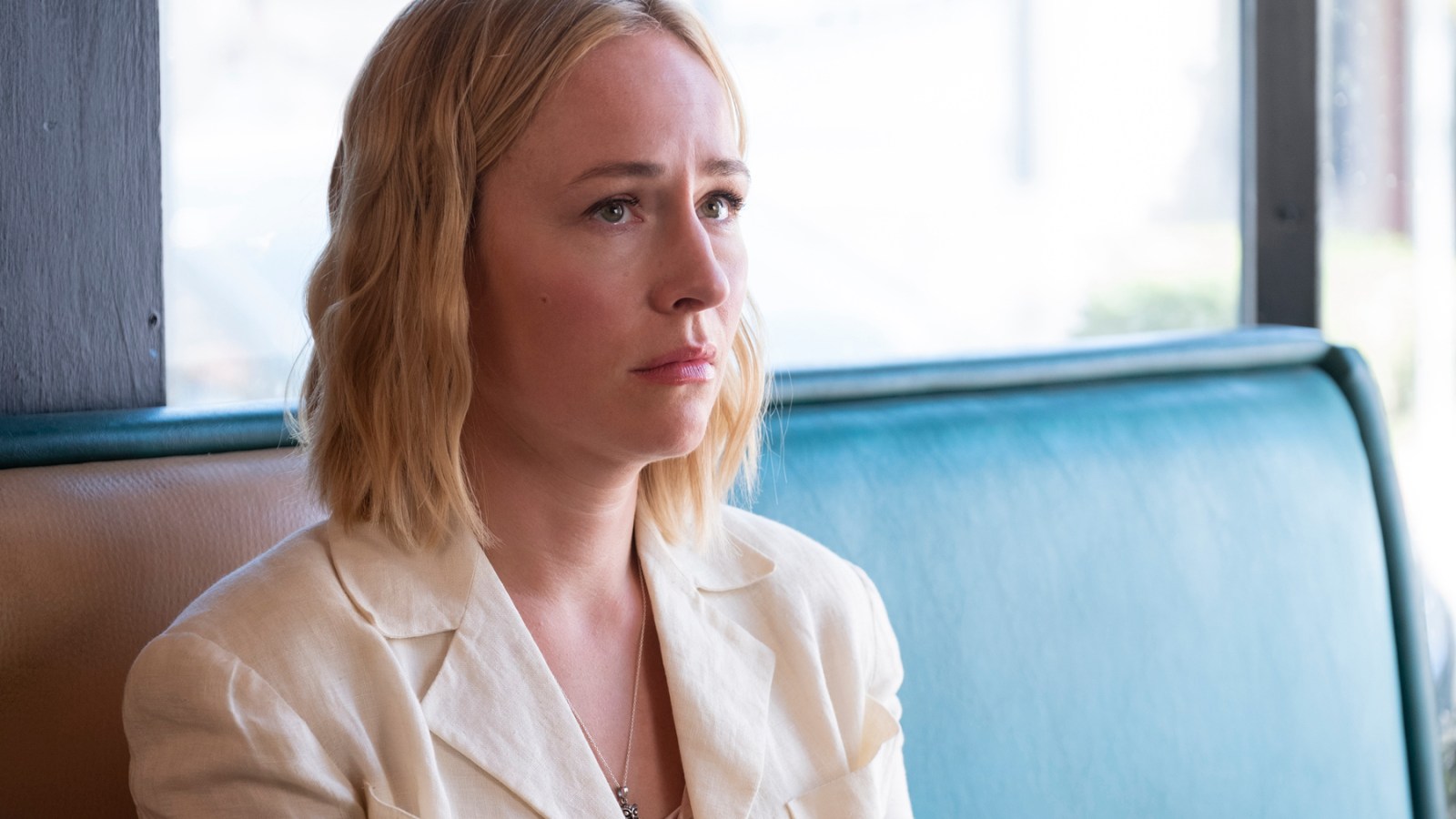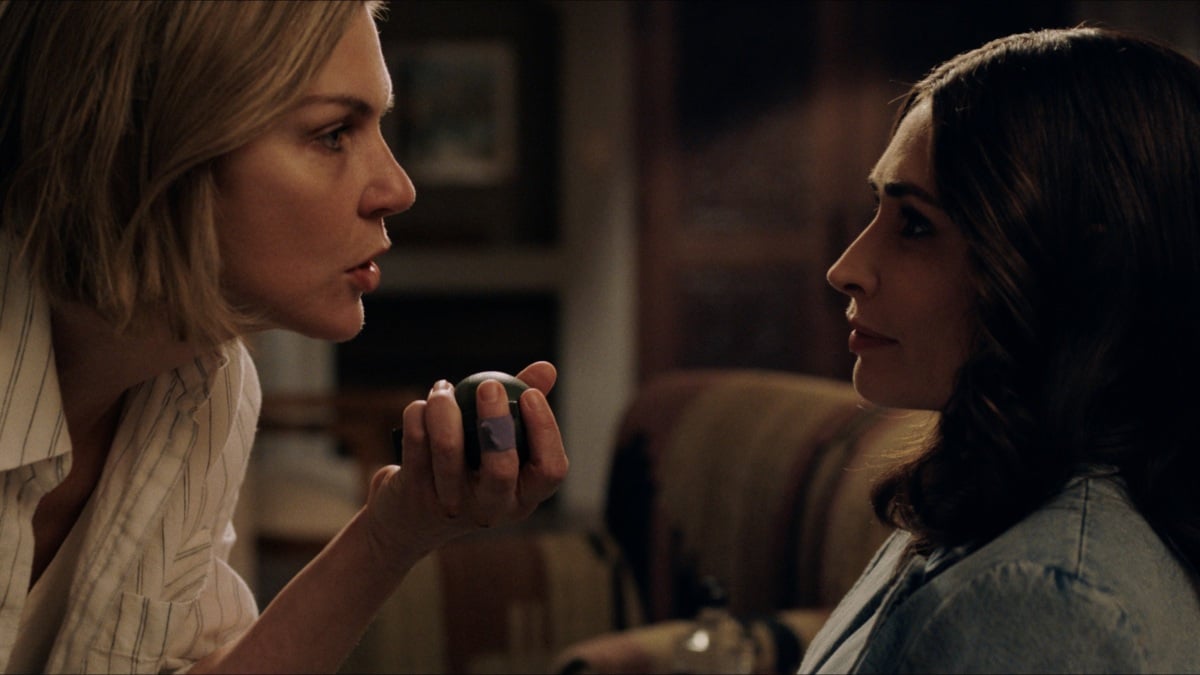
Rhea Seehorn discusses the complex and manipulative nature of Carol's kiss with Zosia in 'Pluribus,' highlighting the emotional depth and ambiguity of the scene amid themes of isolation and collective influence. The scene reflects Carol's fragile state and the ambiguous intentions behind the collective's actions, leaving viewers questioning the authenticity of the romance.
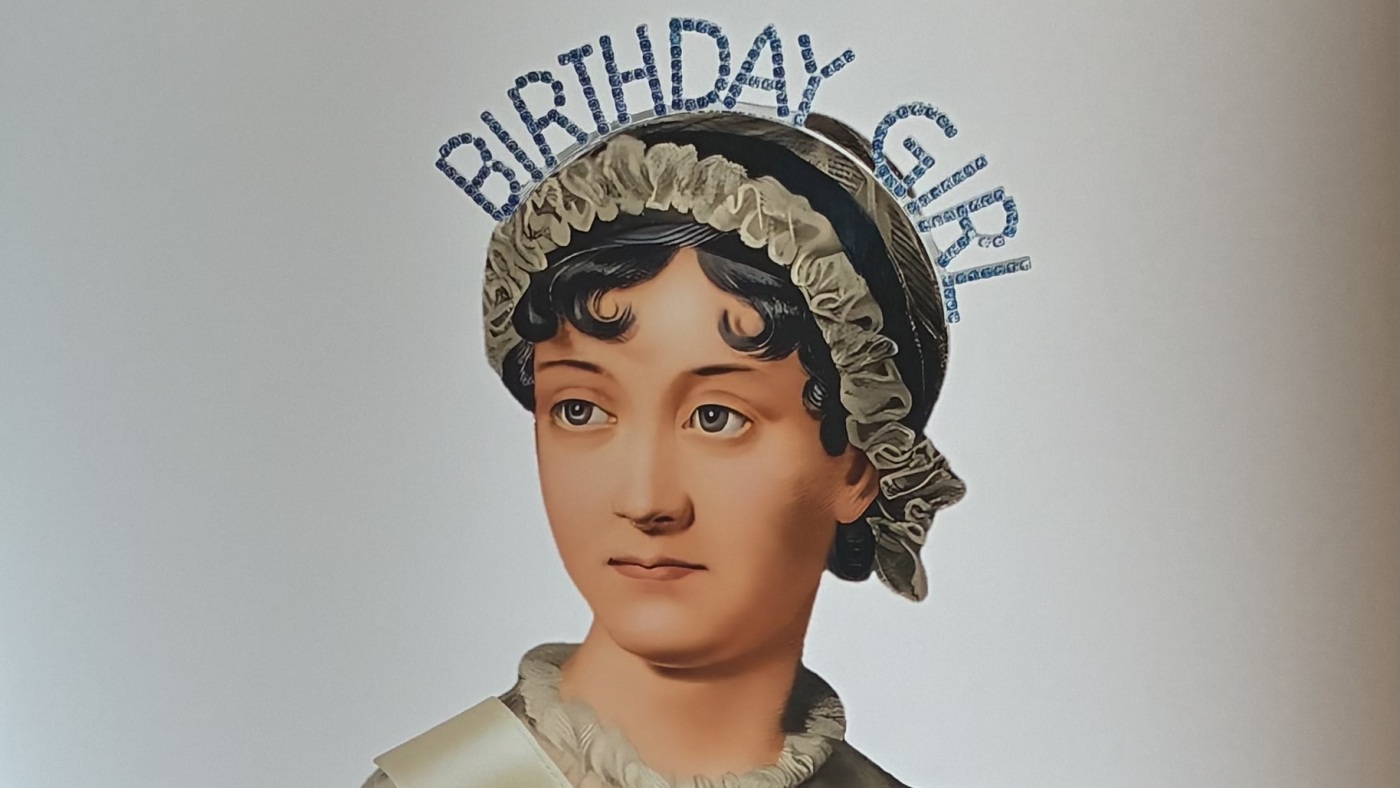
Jane Austen's 250th birthday is celebrated by fans who emphasize her novels' complex plots, satire, and timeless human insights, with characters like Elizabeth Bennet and Mr. Darcy resonating across generations and pop culture.
The article is a humorous and detailed reflection on the TV series 'The Summer I Turned Pretty,' its characters, plot, and the excitement for the upcoming movie adaptation, highlighting the show's chaotic, romantic, and twisted nature and expressing anticipation for revisiting beloved characters.
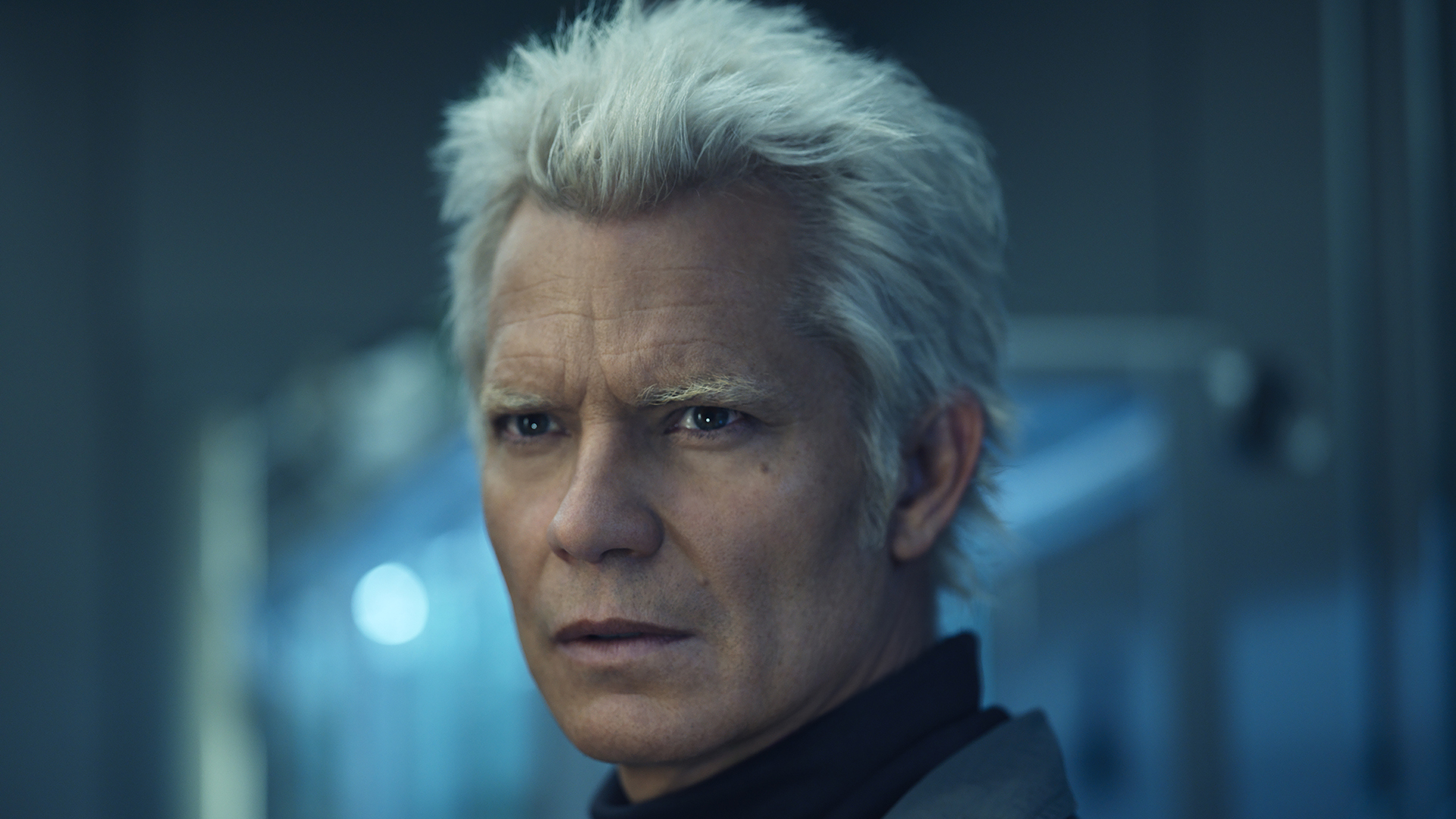
The first season of Alien: Earth features a diverse cast navigating complex roles involving AI, extraterrestrial threats, and human emotions, with insights into their character challenges and memorable set experiences, highlighting the show's blend of horror, sci-fi, and emotional depth.
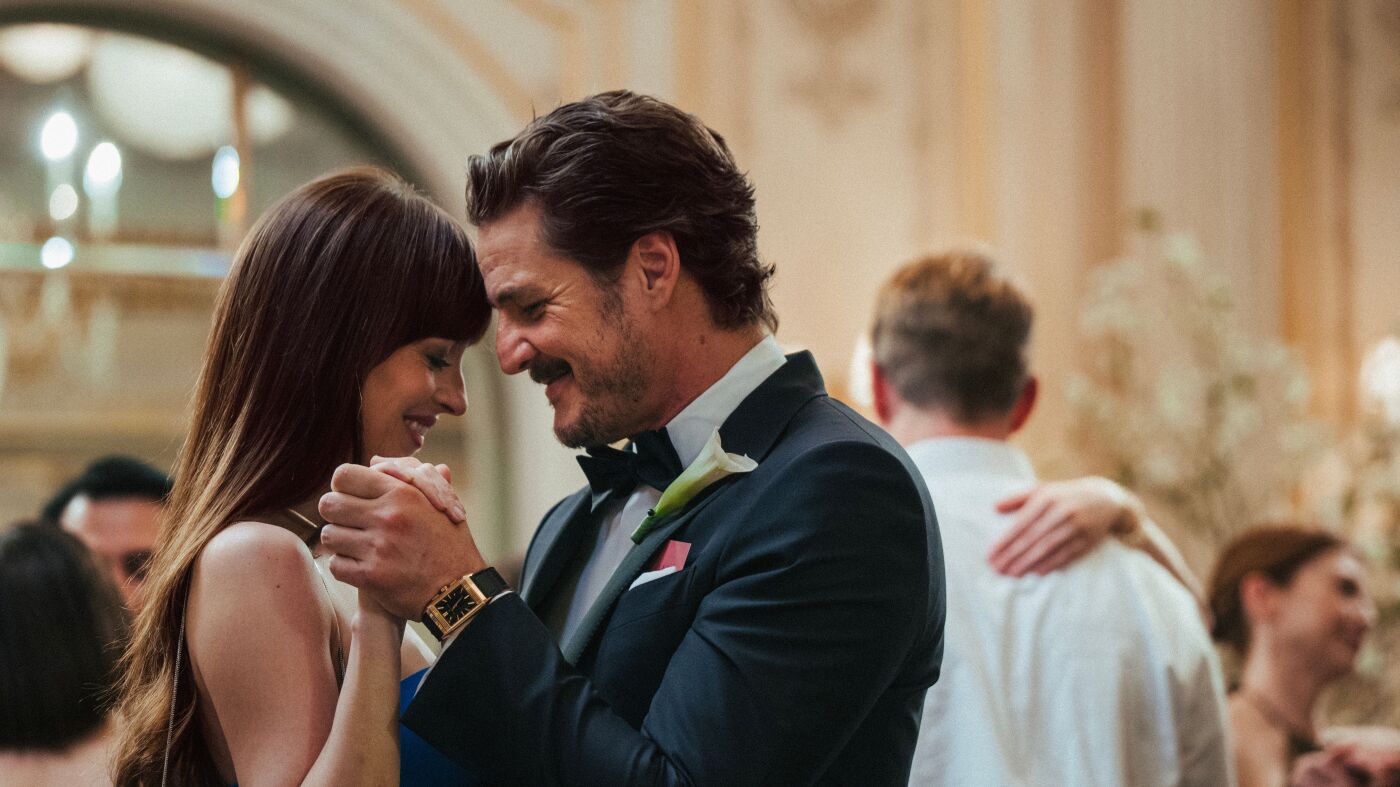
Celine Song's 'Materialists' explores themes of love and materialism through a predictable love triangle, but suffers from flat performances and a lack of dramatic tension, ultimately offering a cynical view of modern romance.
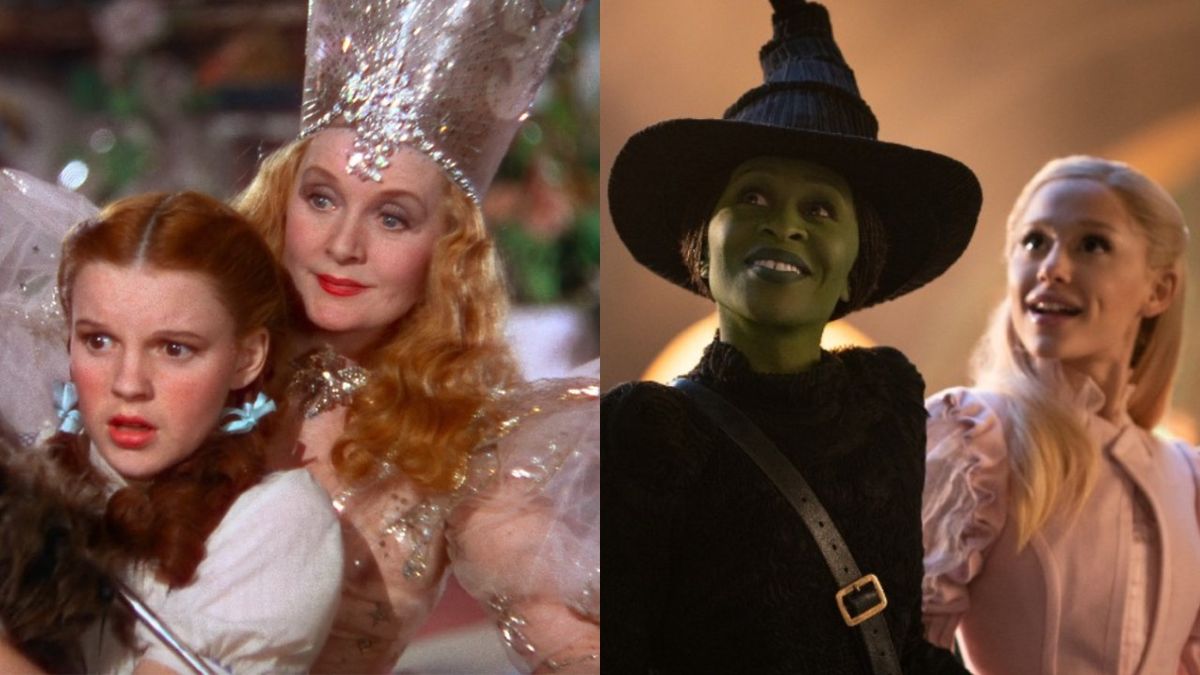
After watching the musical adaptation of "Wicked," the author re-watched "The Wizard of Oz" and found their perceptions of the characters significantly altered. Glinda, once seen as a purely good witch, is now viewed as a complex character with a tragic past involving Elphaba, the Wicked Witch. The Wizard is seen as more deceitful and selfish, while the Wicked Witch of the West, Elphaba, is portrayed with empathy, highlighting her mistreatment and misunderstood actions. The monkeys, once seen as minions, are now considered followers of Elphaba due to her kindness towards them.
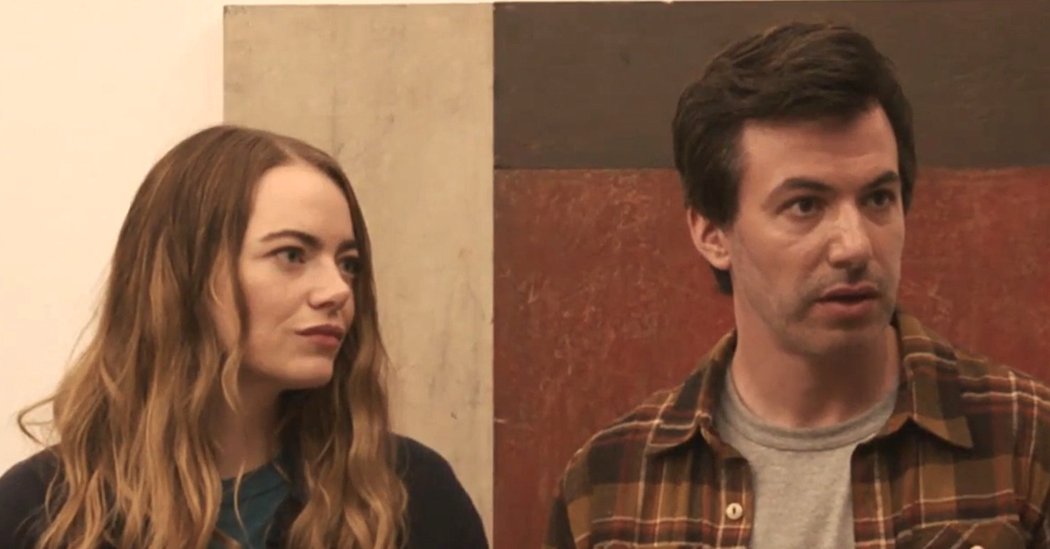
In Season 1, Episode 5 of "The Curse," Emma Stone's character, Whitney, continues her constant performance, but glimpses of her true feelings start to emerge. The episode revolves around the production of "Fliplanthropy" and Whitney's search for the perfect couple to feature as potential buyers. However, conflicts arise when the first pair refuses to sign a letter of support for the local community. Whitney's true nature is revealed when her parents visit and she throws a tantrum, revealing her privileged upbringing. As Whitney's assumptions are challenged, she realizes that people are more complex than she thought.
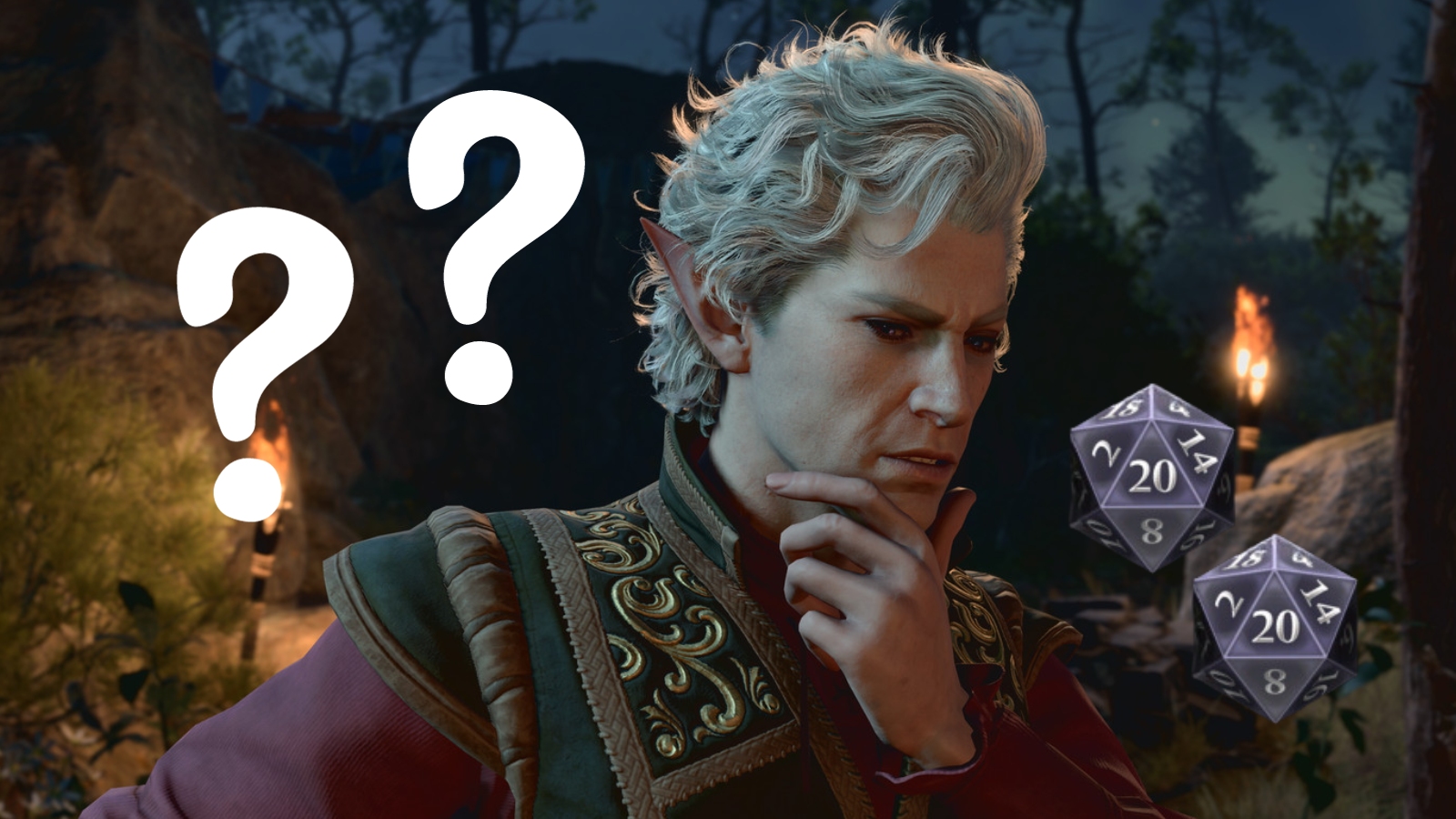
In the popular game Baldur's Gate 3, it has been revealed that the fan-favorite companion Astarion has a canonically smooth brain. While players love his personality and backstory, it seems his intelligence may not be his strongest suit. Some players have noticed his tendency to make mistakes due to desperation, but still appreciate him as one of the best-written characters in the game.
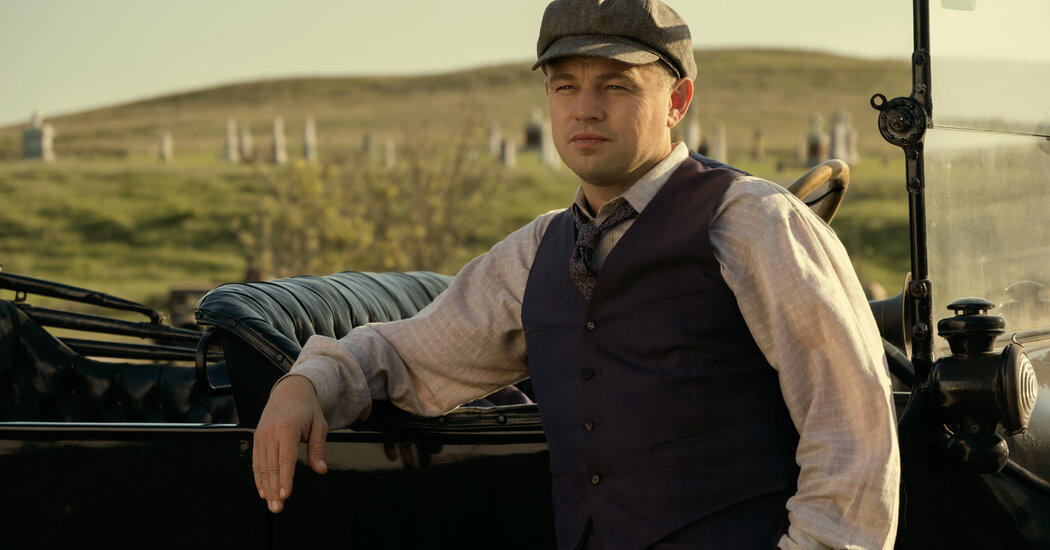
In the upcoming film "Killers of the Flower Moon," Leonardo DiCaprio plays a character named Ernest Burkhart who is unlike any other protagonist in a Martin Scorsese film. Normally, Scorsese's characters are intelligent and street-smart, but Ernest is portrayed as dumb and lacking the qualities typically depicted by Scorsese. This changes the dynamic of the film, highlighting the stupidity of the bigotry and greed that fueled the genocidal campaign against the Osage people in 1920s Oklahoma.
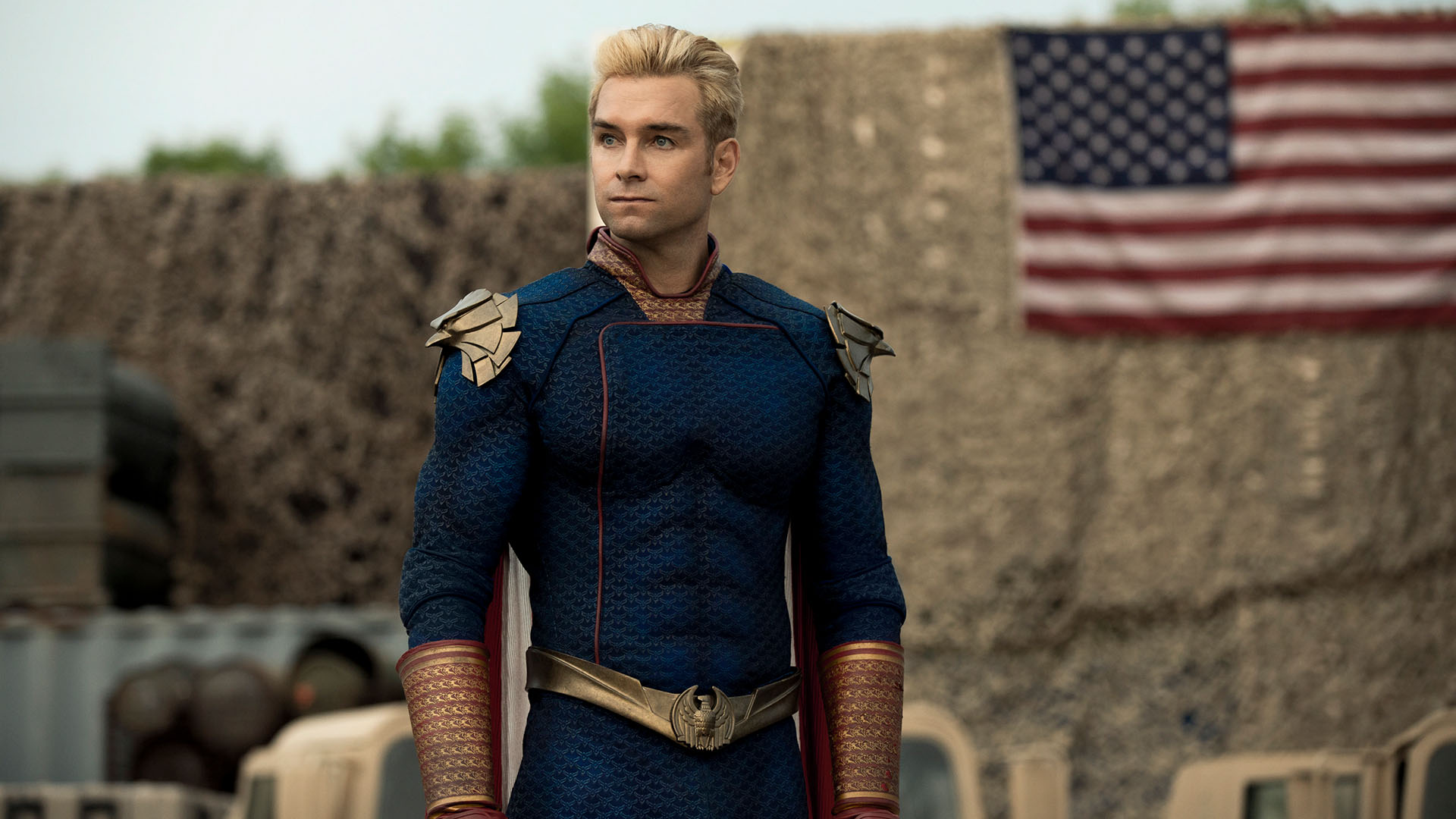
Fans of the character Homelander from the TV show "The Boys" often debate whether his evil nature is a result of his abusive upbringing or if he would have been just as bad without it. While some believe that a normal childhood would have made him a hero, the majority agree that he would have been an average person with no exceptional qualities. Others argue that removing his traumatic past could have made him even worse. Ultimately, changing his story would result in a different character altogether, making the effort not worth it.
Sarah Goldberg, who plays Sally Reed in the hit TV show Barry, discusses her character's journey and the show's season finale. Goldberg wanted Sally to be as dark and morally bankrupt as the male characters on the show, and was pleased with the simple yet beautiful ending for Sally. She also discusses the ambiguity of certain scenes and the challenges of playing a character like Sally. The article also touches on the show's commentary on Hollywood, morality, and truth.
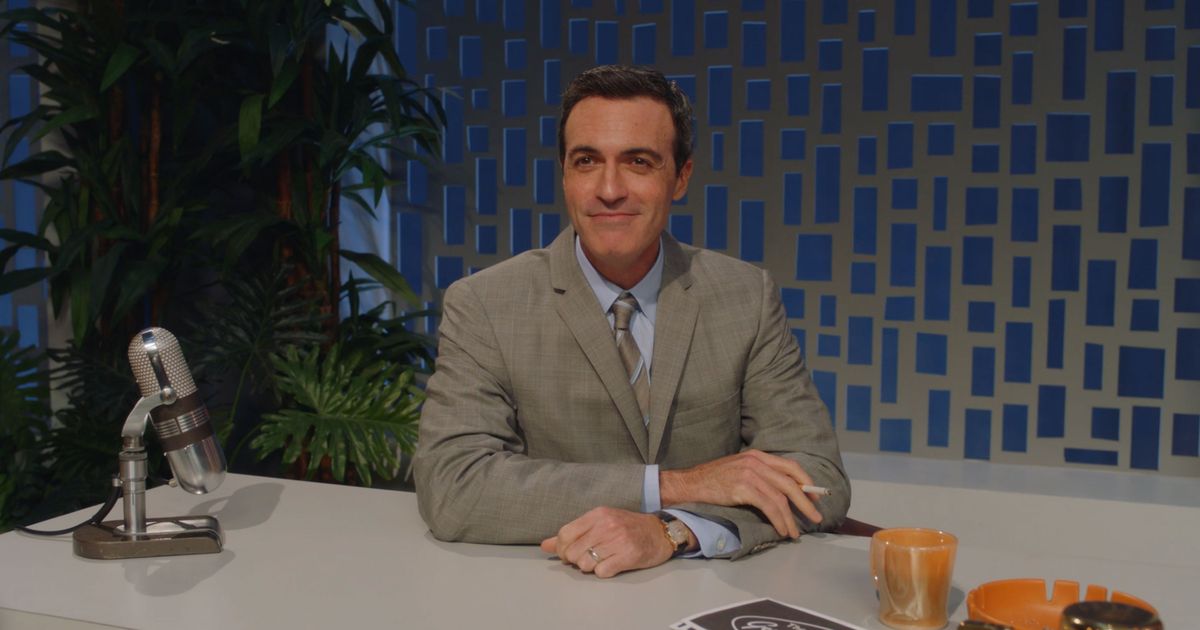
Reid Scott, who played Gordon in the final season of "The Marvelous Mrs. Maisel," discusses his character's role as the "big bad" and how he represents the gatekeeper to Midge's success. Scott also talks about Gordon's relationship with his wife, Hedy, and how it played a role in Midge's appearance on his show. He describes Gordon as a product of his time, with a slightly misogynistic outlook, but ultimately thrilled for Midge's success. Scott also reflects on his own career moments and the confidence he gained from working with iconic female performers.
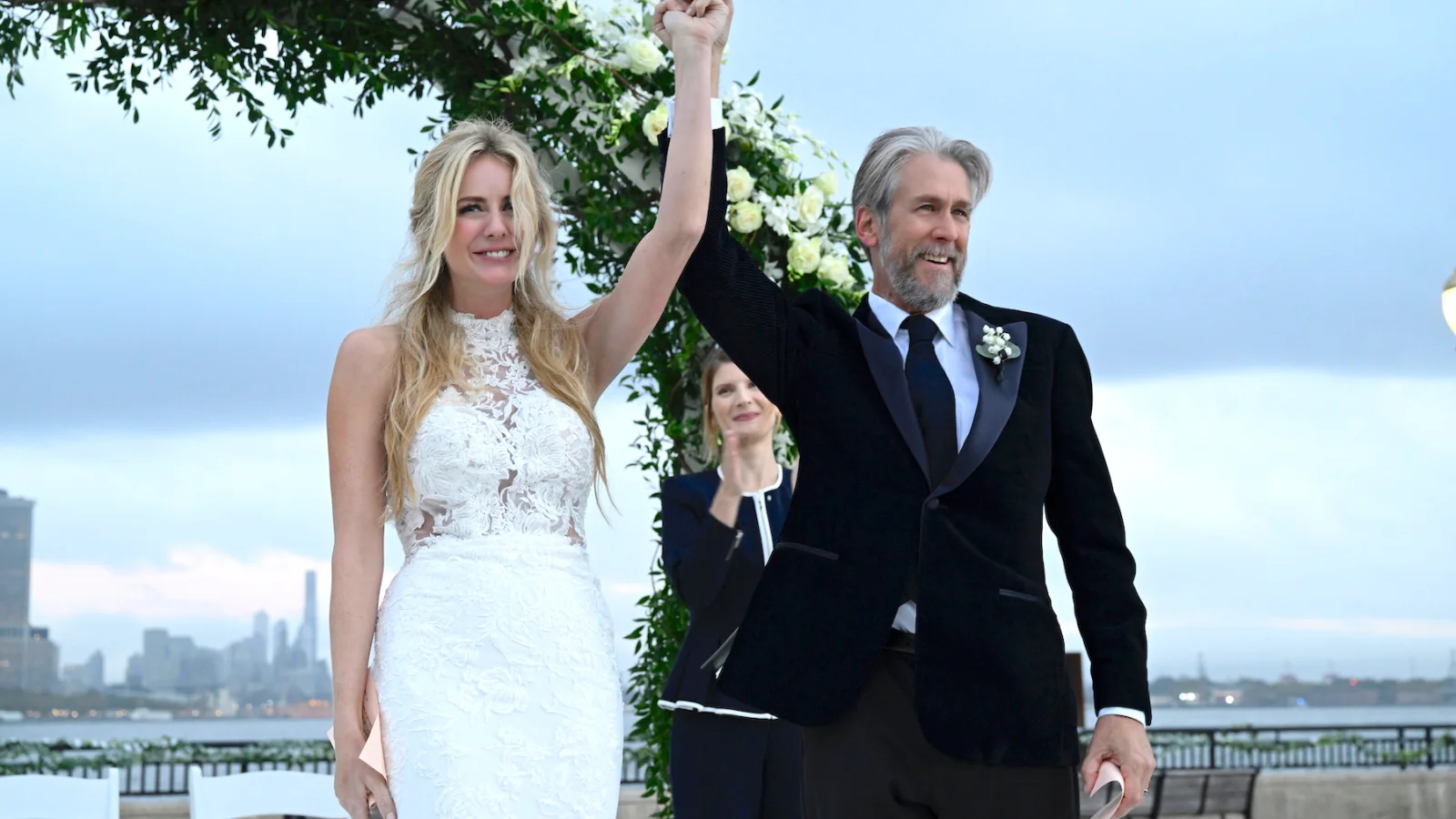
Justine Lupe, who plays Willa in the hit TV series Succession, discusses her character's evolution and wardrobe, as well as her relationship with Connor Roy. Lupe believes that Willa and Connor have the most honest and healthy relationship on the show. She also shares anecdotes about her co-star Alan Ruck and their experiences on set.
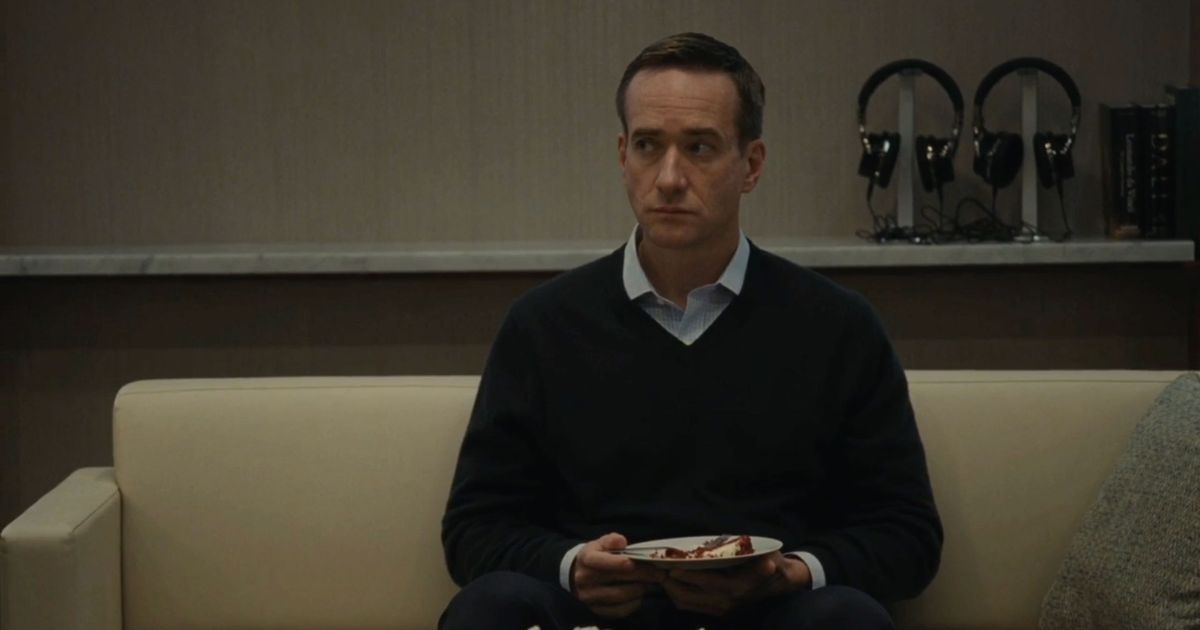
Tom Wambsgans, the perpetually odd man out among the top of the Waystar Royco food chain in HBO's Succession, uses food and drink to convey his headspace. Actor Matthew Macfadyen sells Tom's identity with his flat "uh huh" line deliveries, his shrugging shoulders, and the occasional outburst of incandescent, office-furniture-destroying fury. Tom's willingness to indulge in a nosh makes him only more of an outsider, and it provides Macfadyen with opportunities to reflect Tom's humanity and occasionally to project Tom's discomfort through the food-based torment of others, usually Cousin Greg.