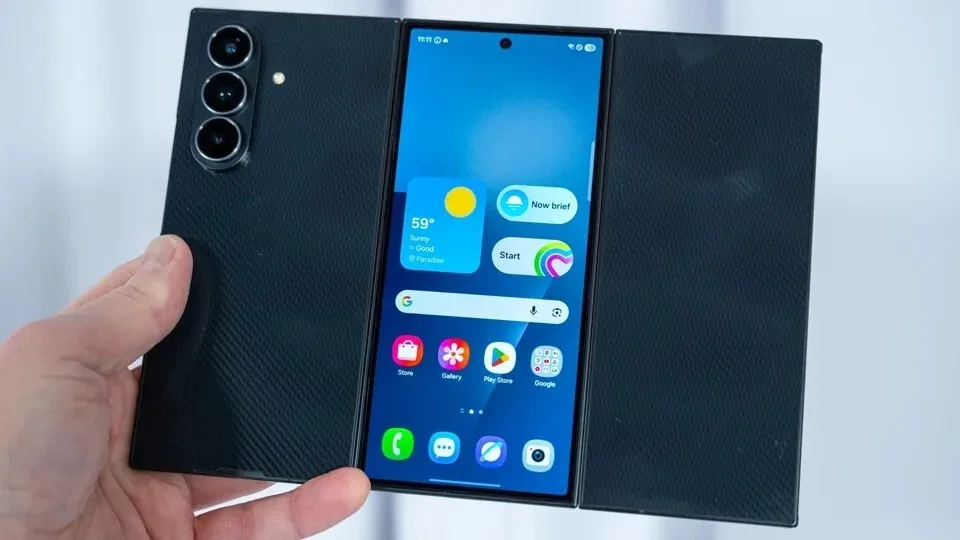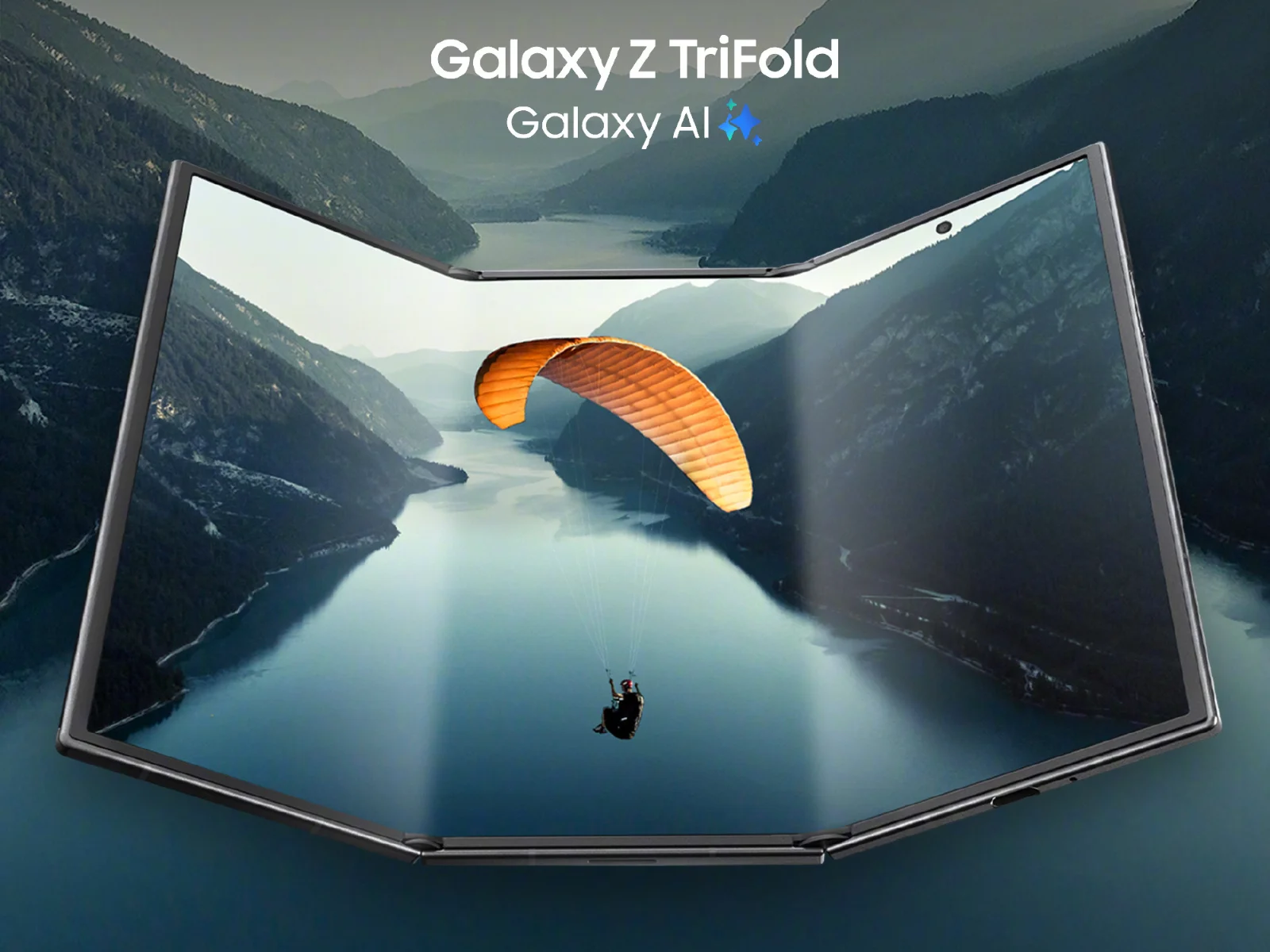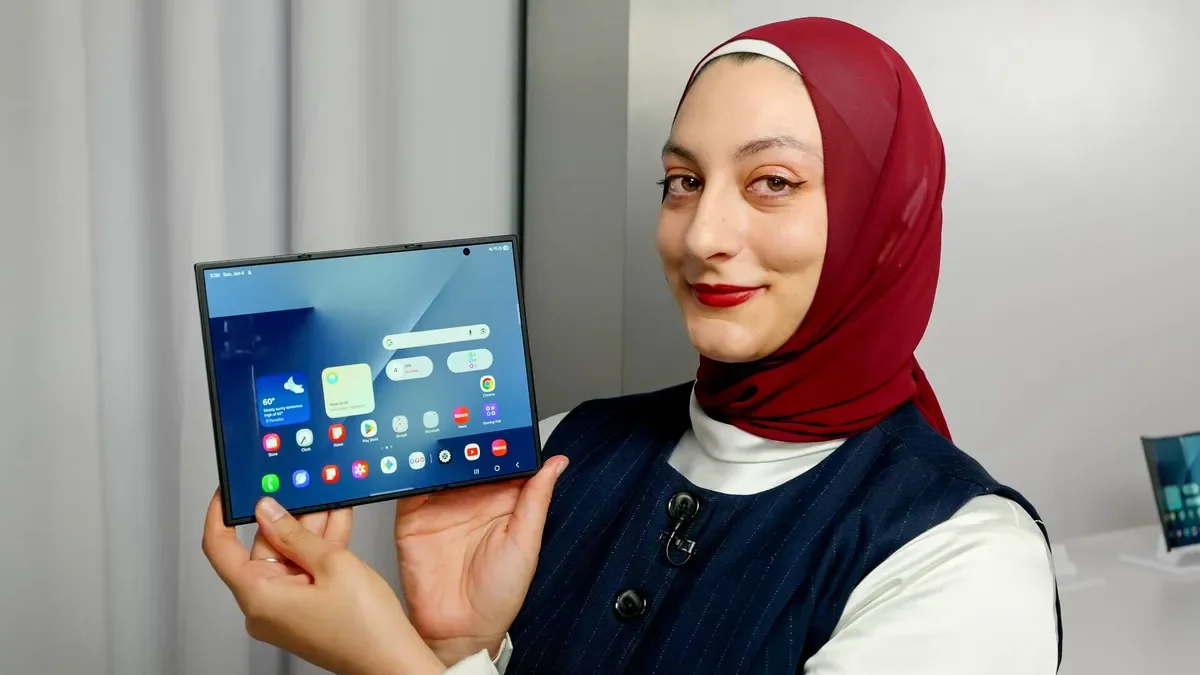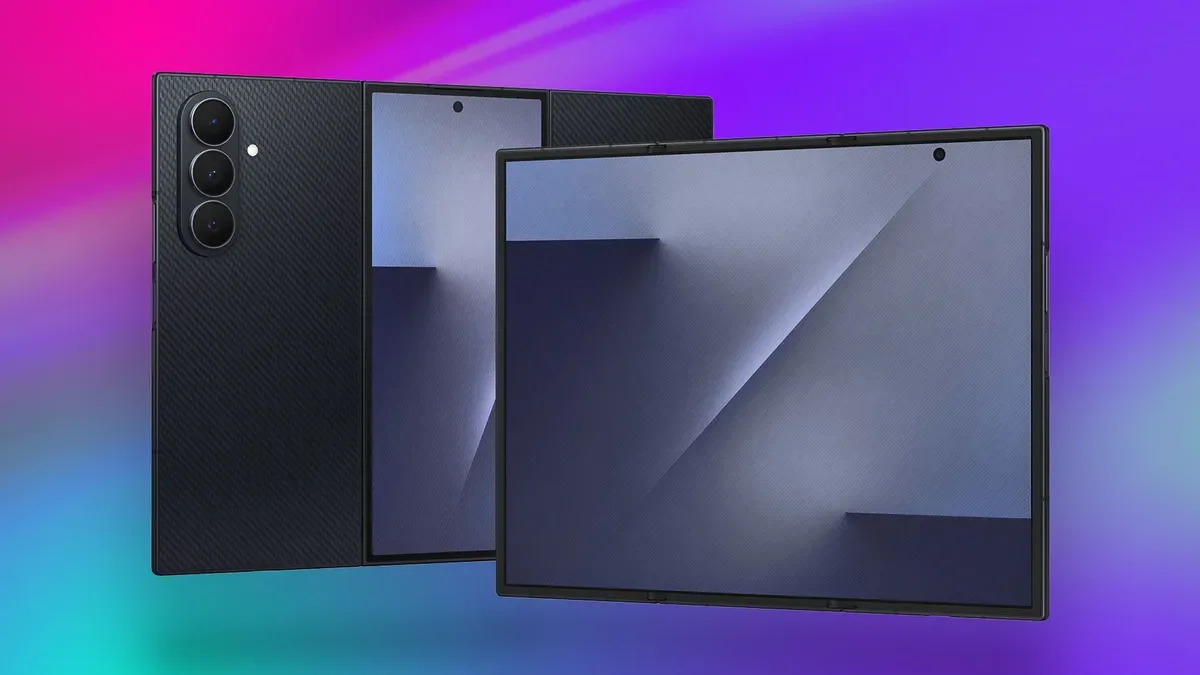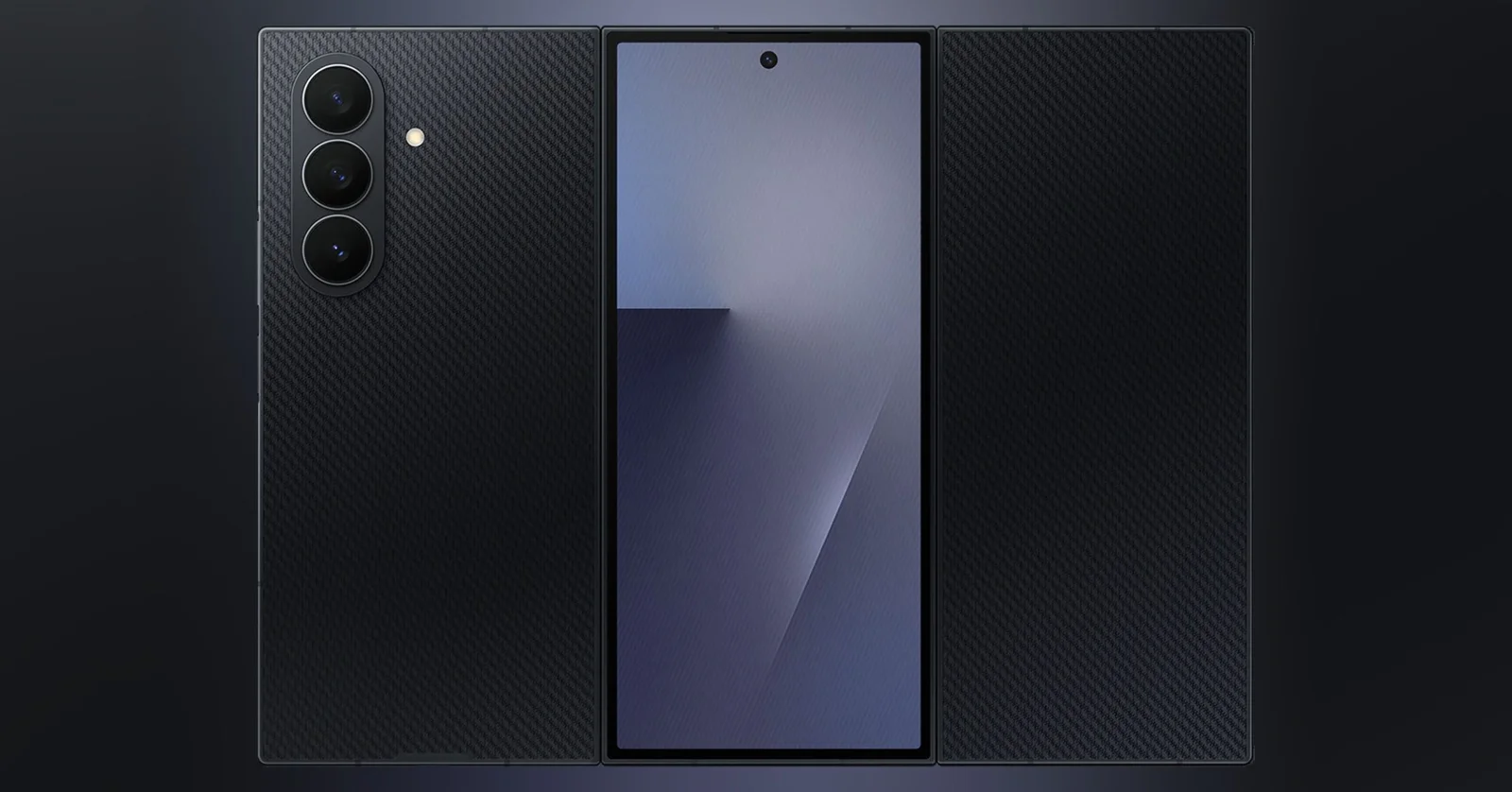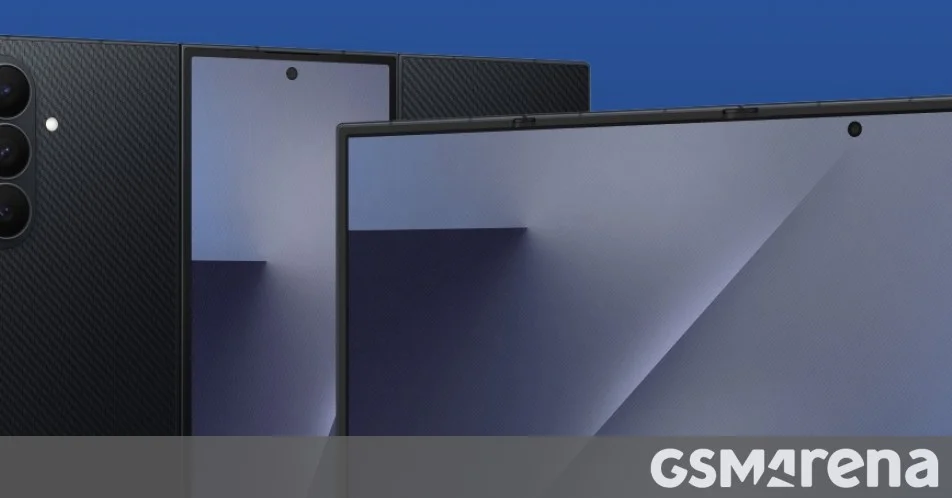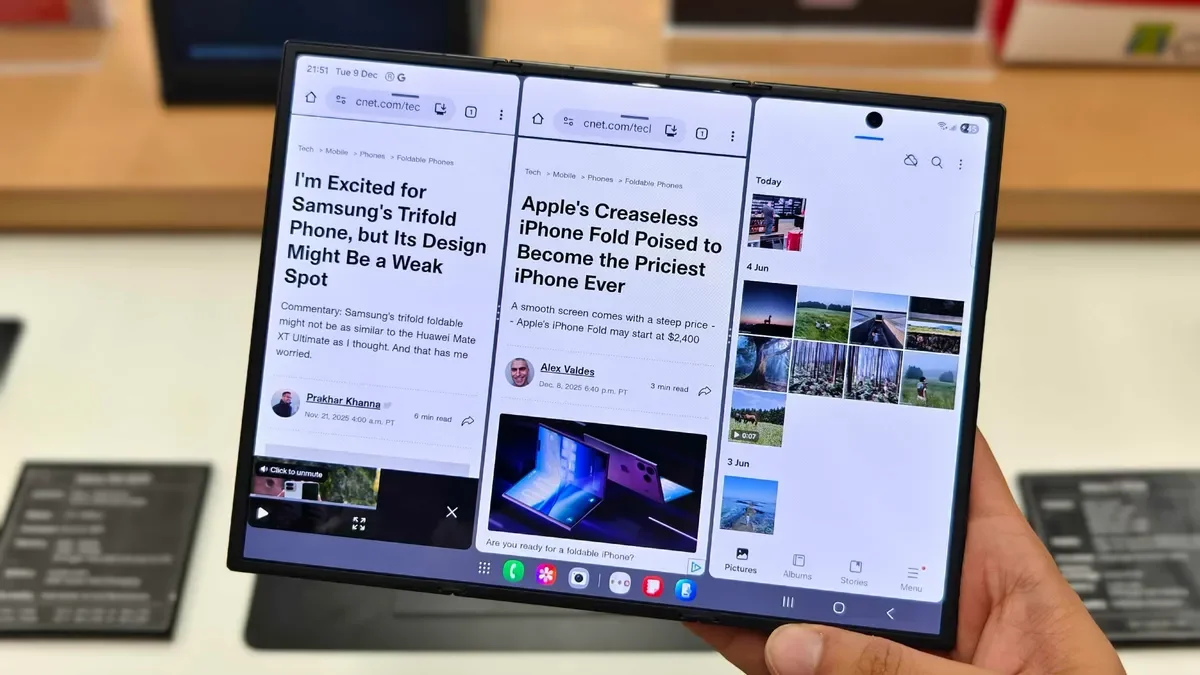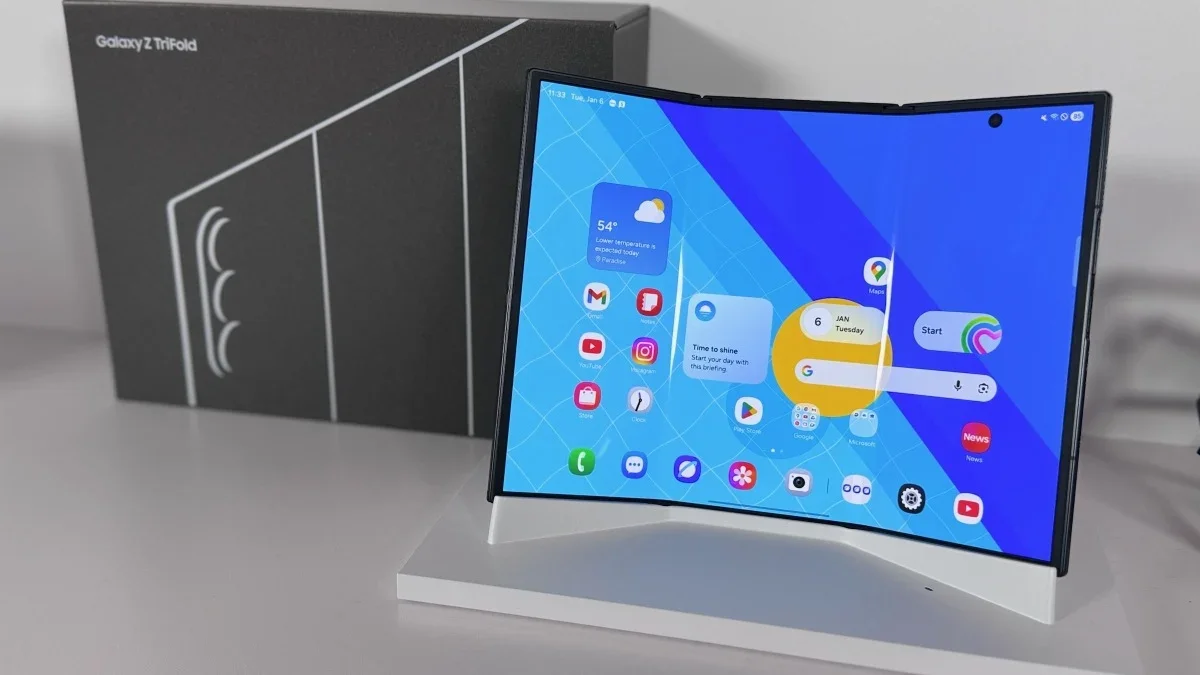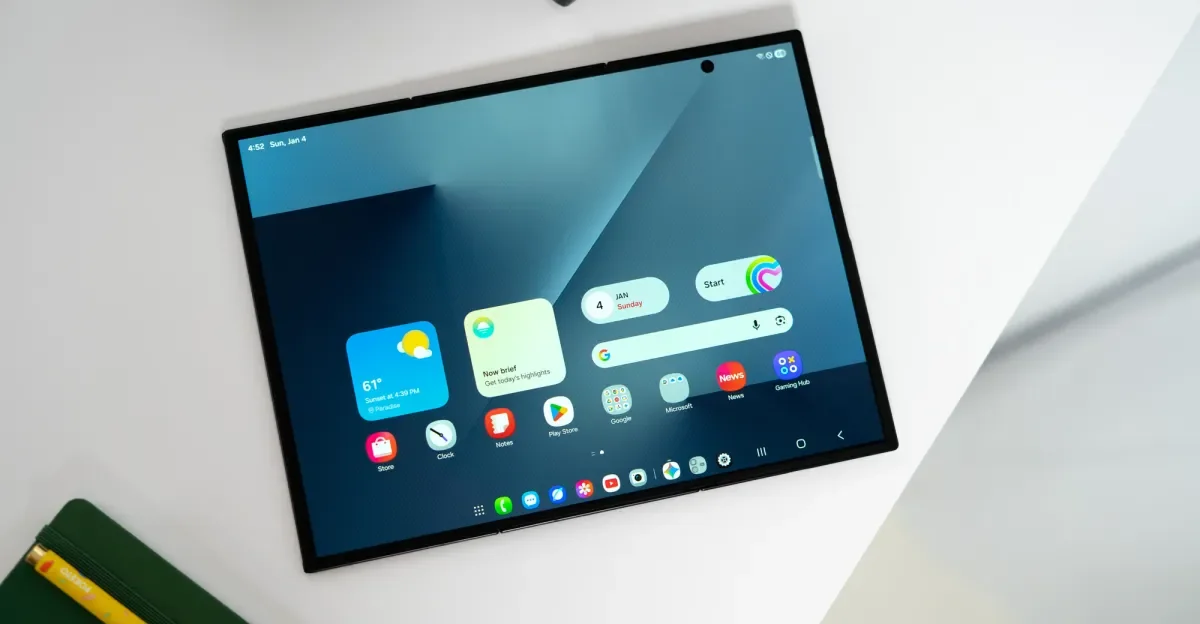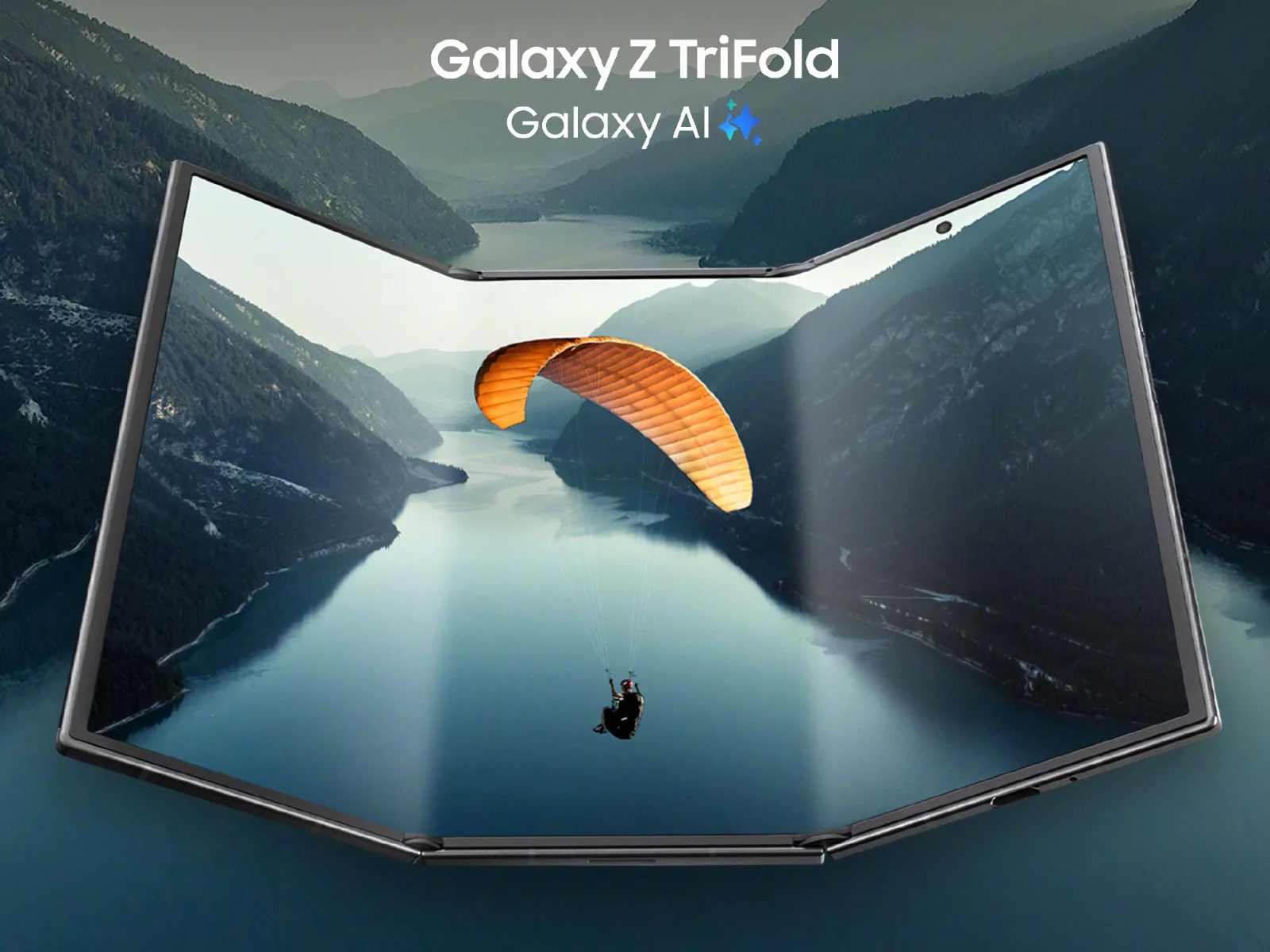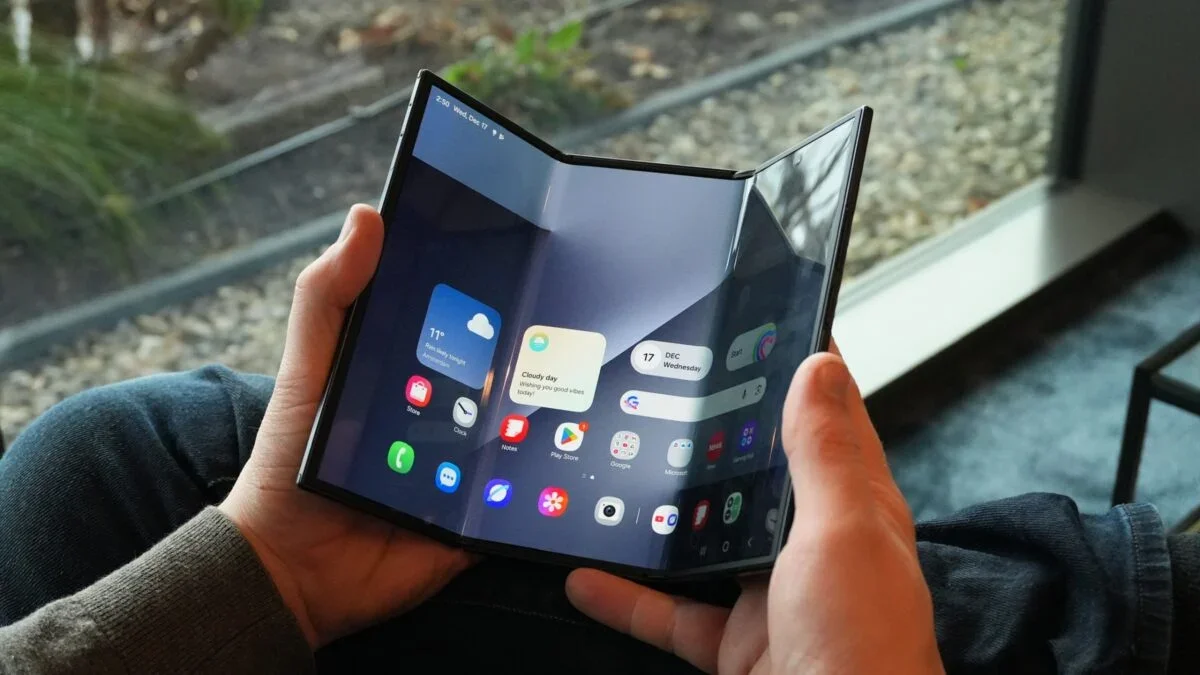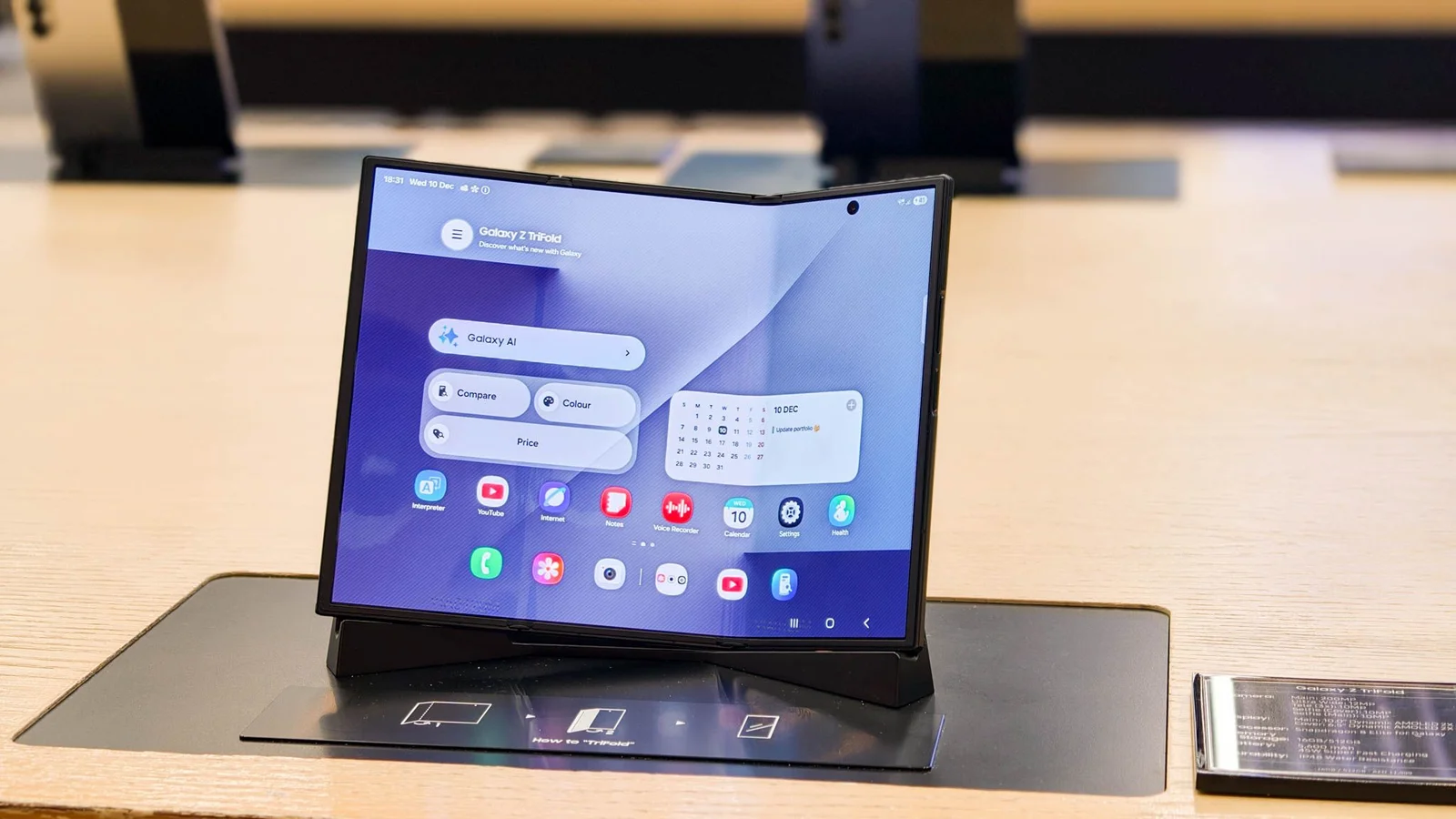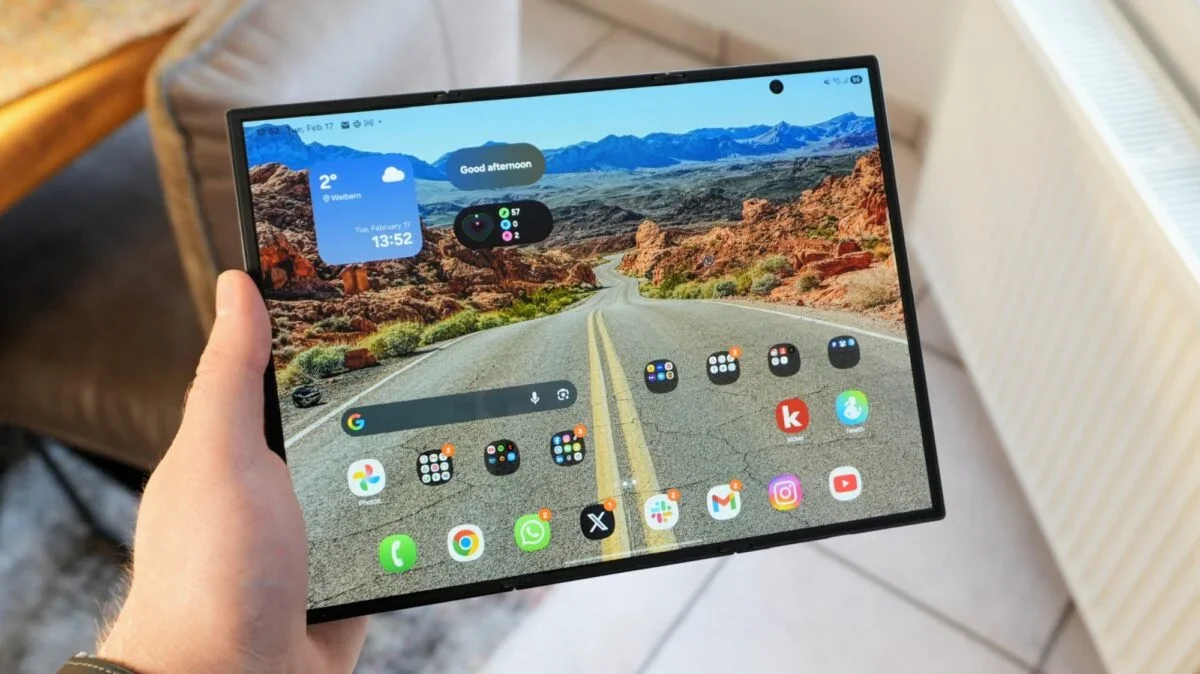
Samsung unveiled the Galaxy Z TriFold at CES 2023, a highly foldable smartphone with a 10-inch screen that folds into three parts, aimed at productivity users. While it offers impressive features like split-screen multitasking and desktop-like app behavior, its bulkiness and high cost may limit mass appeal. The device represents Samsung's ongoing effort to push the boundaries of smartphone design and test consumer interest in foldable technology, despite the market's slow adoption.
Samsung is selling its new Galaxy Z TriFold foldable phone at a loss, with reports indicating it is not yet profitable on each unit sold, despite its high retail price of around $2,500 in South Korea. The company is positioning it as a limited, special edition product, and the loss may be due to high manufacturing costs and component shortages. The phone is expected to launch in the U.S. in early 2026, likely at a similar high price.
Samsung's Galaxy Z TriFold, a high-priced and experimental foldable phone with design flaws and limited practicality, highlights the ongoing challenges in the foldable smartphone market, which remains a niche with little mainstream success and significant engineering tradeoffs.
Samsung is selling the Galaxy Z TriFold at a loss, intentionally pricing it lower to encourage adoption and test the market, with the expectation of making profits through software and services later. The device costs Samsung more to produce than its sale price, reflecting a strategic move to promote foldable technology despite initial financial losses.
Samsung is struggling to finalize the pricing for its upcoming Galaxy S26 series due to high costs, especially for memory and Snapdragon chips, and is losing money on the Galaxy Z TriFold, which is priced below production costs. The company has not yet determined the Galaxy S26 prices, and recent sales issues have led to a more conservative lineup, with potential price hikes being unlikely given market pressures and Apple's stable pricing. The Galaxy S26 is expected to launch in February, with the Galaxy Z TriFold arriving in North America early 2026.
Samsung's Galaxy Z TriFold, priced at around $2,440 in Korea, is reportedly being sold at a loss due to high production costs, limited sales, and regional pricing differences. The company is also facing challenges with the pricing of its Galaxy S26 series, influenced by rising component costs and its chip strategy, which may impact profitability.
The Galaxy Z TriFold performs poorly in durability tests, especially in bend resistance, with the device breaking easily under stress, unlike the more resilient Galaxy Z Fold 7, raising concerns about its long-term durability and repair costs.
The article compares the Samsung Galaxy Z TriFold and Huawei Mate XT foldable phones, highlighting their design differences, display versatility, build quality, and features. The Galaxy Z TriFold folds in a 'U' shape and offers a tablet-to-phone experience, while the Huawei Mate XT folds in a 'Z' shape, providing multiple usage modes including a mini-tablet and wide-screen tablet. The Mate XT is slimmer and feels more premium, but the Galaxy Z TriFold has better water resistance, a more durable display, and runs on a more globally accessible OS. Both phones are high-end, with the Galaxy Z TriFold offering more advanced hardware and software support.
The Galaxy Z TriFold, Samsung's new foldable device, was tested for durability and showed the hinge starting to fail after approximately 144,000 folds, slightly below Samsung's 200,000 fold promise, but the display remained functional, indicating it held up relatively well for a first-generation product.
A livestream testing the durability of the Galaxy Z TriFold's hinge revealed failure after nearly 150,000 folds, highlighting the challenges in foldable phone design and the importance of warranties. The test, conducted by streamers, showed the hinge's elasticity disappeared around 145,000 folds, but the device continued to fold beyond that point.
Samsung's Galaxy Z TriFold, a new foldable phone with a three-panel design, builds upon the Galaxy Z Fold 7 with differences in size, price, and hinge design. It features a larger 10-inch internal display, a heavier weight, and a higher starting price, aiming to offer a more tablet-like experience that is still pocketable. Both devices share similar camera setups, performance, and water resistance ratings, but the TriFold's unique tri-panel foldable design and larger screen make it suitable for multitasking and media consumption, positioning it as a versatile, productivity-focused device.
The Samsung Galaxy Z TriFold, a new trifolding smartphone, impresses with its sturdy build and large, vibrant displays, but is heavy and has some design limitations like smudging and lack of flexible configurations. Overall, it shows promise as a potential game-changer in foldable device technology.
Samsung will restock the Galaxy Z TriFold in South Korea later this week, with online availability starting Wednesday at 10am, offering a limited number of units due to high demand and previous sell-outs, while scalpers are reselling at higher prices.
Samsung's Galaxy Z TriFold foldable phone, launched exclusively in South Korea, has sold out quickly despite production challenges and limited initial units, indicating high demand. However, its complex manufacturing process and high costs suggest it may remain a niche product rather than a mainstream device, with Samsung possibly viewing it more as a technological showcase than a mass-market device.
The Galaxy Z TriFold is an innovative foldable phone with impressive features, but concerns arise over its design choices, default interface, processor options, and high price, with some preferring Huawei's Mate XT for its versatility and questioning Samsung's approach to optimizing the user experience and cost.