Tag

Cell Phones

All articles tagged with #cell phones

health2 years ago

Cell Phone Use Linked to Declining Sperm Counts, Study Finds

Men who use their cell phones frequently, especially more than 20 times a day, have lower sperm counts and concentrations, according to a study published in Fertility and Sterility. The research, conducted on 2,886 men, suggests a link between mobile phone use and changes in sperm count, contributing to the global fertility crisis. However, the study is observational and cannot definitively establish cell phone usage as the cause for lower sperm counts. The impact of electromagnetic waves and different types of phone use on sperm quality is being further investigated through a new trial. The decreasing association between phone use and sperm count over time may be attributed to the reduced transmission power of phones with the transition to newer networks.

technology2 years ago

The Overwhelming Impact of Phone Notifications on Teens

A study conducted by Common Sense Media reveals that 97% of kids aged 11 to 17 use their smartphones during school hours, with some spending up to 16 hours a day on their devices. The research found that teens check their phones frequently, ranging from two to 498 times per day, and spend a median of 4.5 hours daily on their phones. Social media platforms like Instagram and Snapchat dominate screen time, followed by YouTube and gaming. The study also highlights concerns about age-inappropriate content, with 68% of participants under age 13 using social media and apps with mature ratings. Experts warn of the negative impact on interpersonal skills and problem-solving abilities, as well as the potential dangers of online interactions. Parents are advised to delay phone access for as long as possible and monitor content accessed by their children.

technology2 years ago

National Emergency Alert Test Scheduled for October 4: Prepare for Your Phone to Blare

The Federal Emergency Management Agency (FEMA) and the Federal Communications Commission (FCC) will conduct a nationwide test of the National Wireless Emergency Alert System on October 4 at 2:20 PM ET. Cell phones, radios, and TVs will receive notifications to ensure the system is ready for a real crisis. The test will assess Wireless Emergency Alerts (WEAs) and use FEMA's Integrated Public Alert and Warning System (IPAWS). The test will last for about 30 minutes, and if there is an actual emergency, the test will be rescheduled for October 11.

technology2 years ago

"Oct. 4: The Day Cell Phones Nationwide Will Sound Off - Here's Why"

The Federal Emergency Management Agency (FEMA) will conduct a nationwide test on October 4 at 2:20 p.m., where every phone, TV, and radio in the U.S. will sound an alarm. The purpose of the test is to evaluate the effectiveness of the government's mass communication system during emergencies. Recipients of the alert do not need to take any action, as it is only a test. The alert will be sent in both English and Spanish and will include a unique tone and vibration to ensure accessibility for all. This will be the second nationwide emergency alert test for cell phones and the seventh for televisions and radios.

technology2 years ago

Nationwide Test of Wireless Emergency Alerts Scheduled for October 4th

A national test of the Wireless Emergency Alerts system is scheduled for 2:20 p.m. on Wednesday, October 4. Cell phones within the radius of a cell tower and not in airplane mode will receive a vibration alert and unique tone, while TVs that are on at the time will also receive a test alert. The system has been used over 84,000 times since 2012 to warn the public about various emergencies.

travel2 years ago

Lost your cell phone while traveling? Here's what to do.

Losing or having your cell phone stolen while traveling can be stressful, but there are steps you can take to protect your information and potentially recover your device. Before traveling, secure your phone with a passcode or lock screen verification and set up phone locating features like Apple's Find My app. If your phone goes missing, try calling or messaging it to see if someone answers. Use phone-location features to track its whereabouts and take action accordingly. If you can't find your phone, remotely lock it and consider wiping its data. Change passwords for any apps or accounts on the phone and notify your cell phone carrier. Comprehensive travel insurance may offer reimbursement for lost or stolen phones, but coverage limits and exclusions may apply. File a police report if your phone is stolen and provide it to the insurance company.

technology2 years ago

Early morning emergency alert causes uproar among Floridians

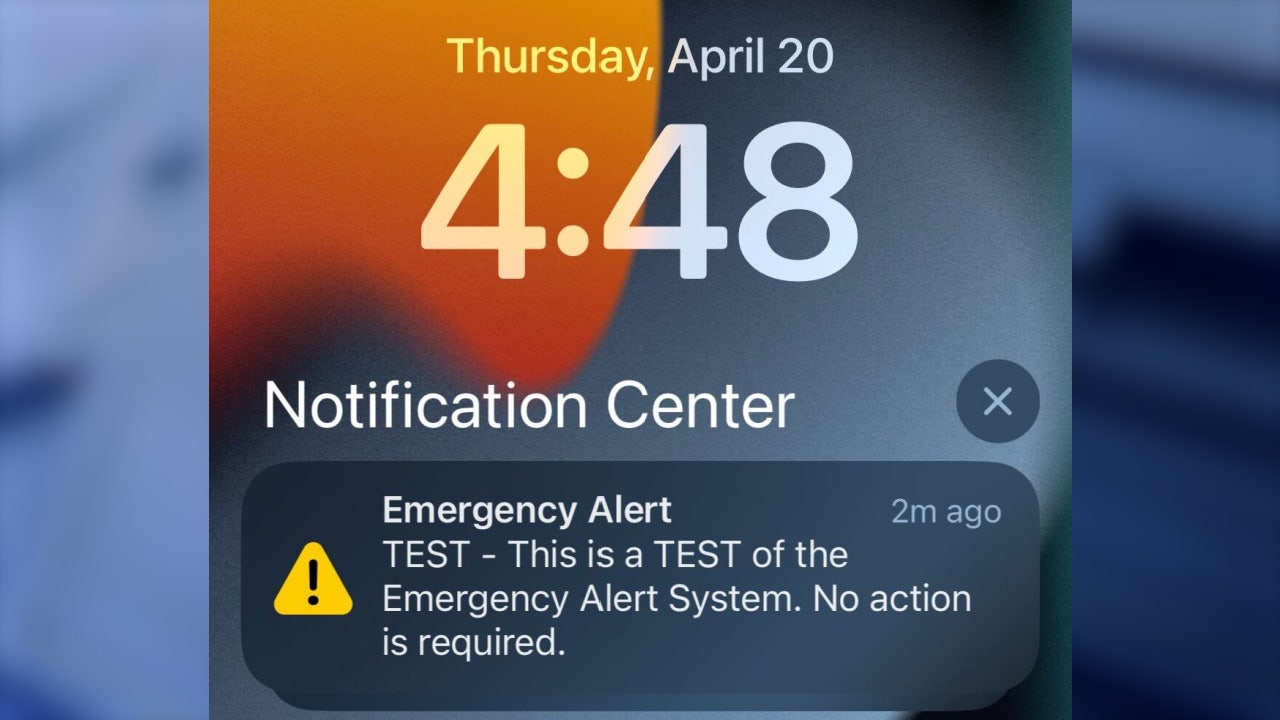
Floridians were upset after a test emergency alert was sent to their cell phones early Thursday morning. The alert was part of the national Emergency Alert System (EAS) and was scheduled for 4:50 a.m., but many received it at 4:46 a.m. The EAS is commonly used by state and local authorities to deliver important emergency information, such as weather and AMBER alerts, to affected communities. Many Floridians shared their frustrations about the alert on social media.

technology2 years ago

"50 Years of Mobile Phones: From Invention to Disrupter"

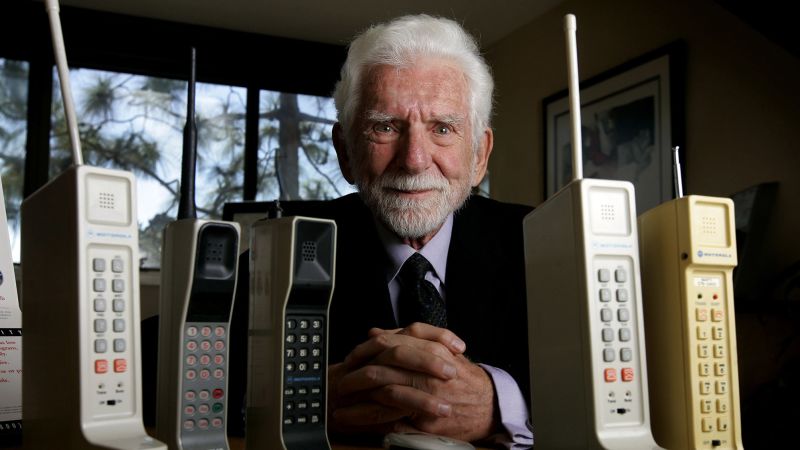
Martin Cooper, an engineer at Motorola, made the first public call from a cell phone to Joel Engel, head of AT&T-owned Bell Labs, on April 3, 1973. While cell phones would not be available to the average consumer for another decade, Cooper's bulky device has evolved and been replaced by a wide range of thinner, faster phones that are now ubiquitous and reshaping industries, culture, and the way we relate to one another and ourselves. Today, 97% of Americans own a cell phone of some kind.

environment2 years ago

"Dispose or Profit: Where to Send Your Unwanted Gadgets"

Recycling electronics is important for the environment, but it can be difficult to find a reputable center to take them. National chains like Best Buy, Staples, and Office Depot offer recycling programs, while manufacturers like Apple and Dell have their own programs. Cell phones can be recycled through Call2Recycle or donated to Cell Phones for Soldiers. Many states have laws requiring electronics recycling, with some offering free local programs.