
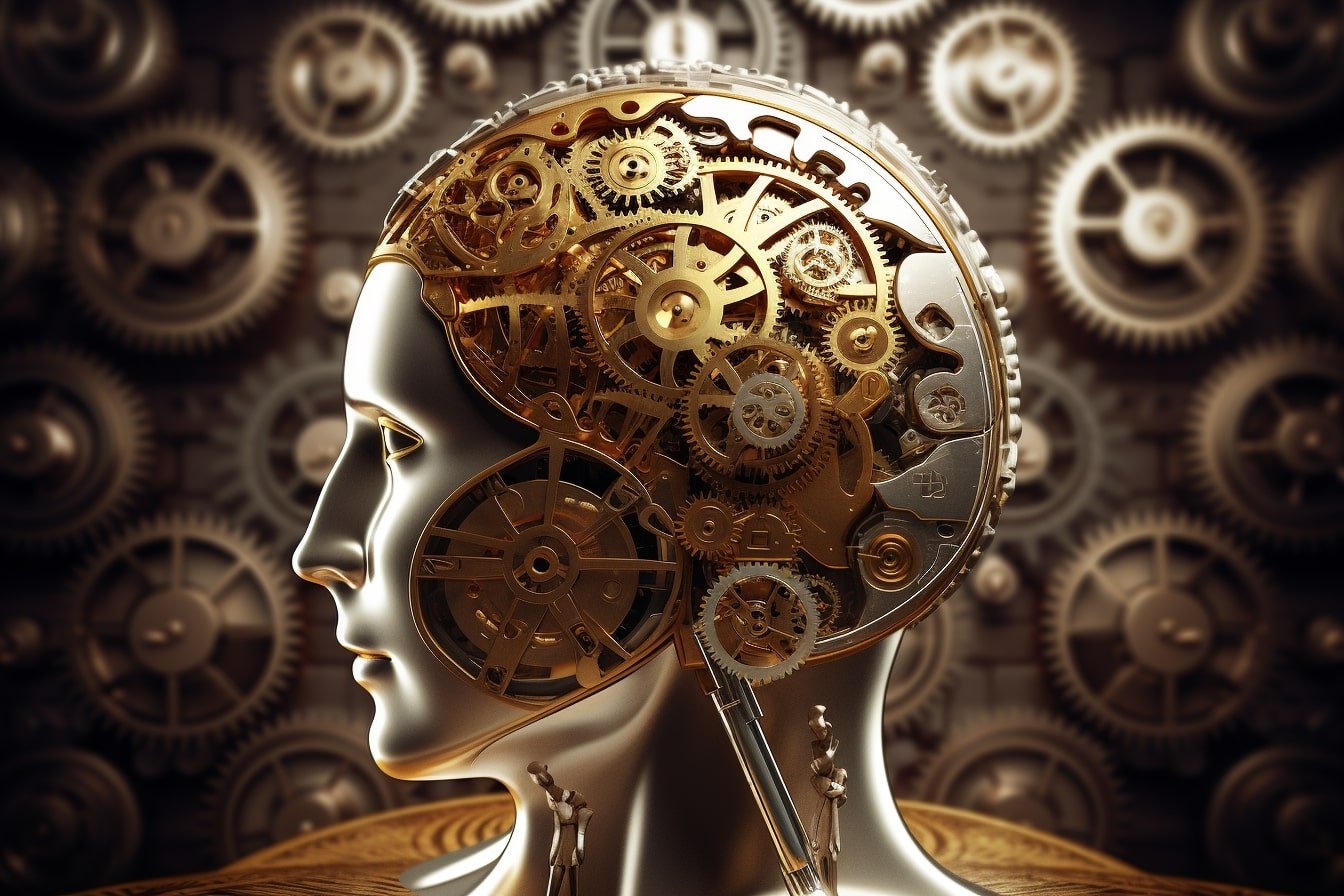
The Brain's Inner Clock: A Key to Behavior
Researchers have discovered a causal link between neural activity and our perception of time. By artificially altering neural activity in rats, they were able to distort the rats' sense of time duration, providing insights into how the brain's inner clockwork influences behavior. The study focused on the striatum, a brain region that correlates with time-related decisions, and found that the speed at which neural activity patterns evolve in the striatum affects the rats' judgment of time intervals. This research sheds light on how the brain measures time beyond the circadian rhythm, on the scale of seconds to minutes, and may have implications for understanding and treating time-related symptoms in diseases such as Parkinson's and Huntington's.