Tag

Cat Behavior

All articles tagged with #cat behavior

Are Orange Cats the Goofiest? Genetics Might Hold the Answer

Originally Published 5 months ago — by National Geographic

Featured image for Are Orange Cats the Goofiest? Genetics Might Hold the Answer
Source: National Geographic

Research suggests that orange cats are not a distinct breed but may have behavioral tendencies linked to their genetics, particularly the ARHGAP36 gene on the X chromosome, which could influence temperament and activity levels, though biases and individual differences make definitive conclusions challenging.
"Feline Fascination: 10 Intriguing Facts About Cats"

Originally Published 1 year ago — by Listverse

Featured image for "Feline Fascination: 10 Intriguing Facts About Cats"
Source: Listverse

Cats are fascinating creatures with unique adaptations and behaviors. Their noses have individual patterns like human fingerprints, whiskers help them navigate and sense their surroundings, and they have a complex communication system with humans. Cats sleep for about 70% of their lives due to their crepuscular nature, and some cats have extra toes, considered a sign of good luck. They have a third eyelid for protection and enhanced night vision, and their senses, including smell, sight, and hearing, are far superior to humans.

"6 Tips for Creating a High Perch Your Cat Will Love"

Originally Published 1 year ago — by The Washington Post

Featured image for "6 Tips for Creating a High Perch Your Cat Will Love"
Source: The Washington Post

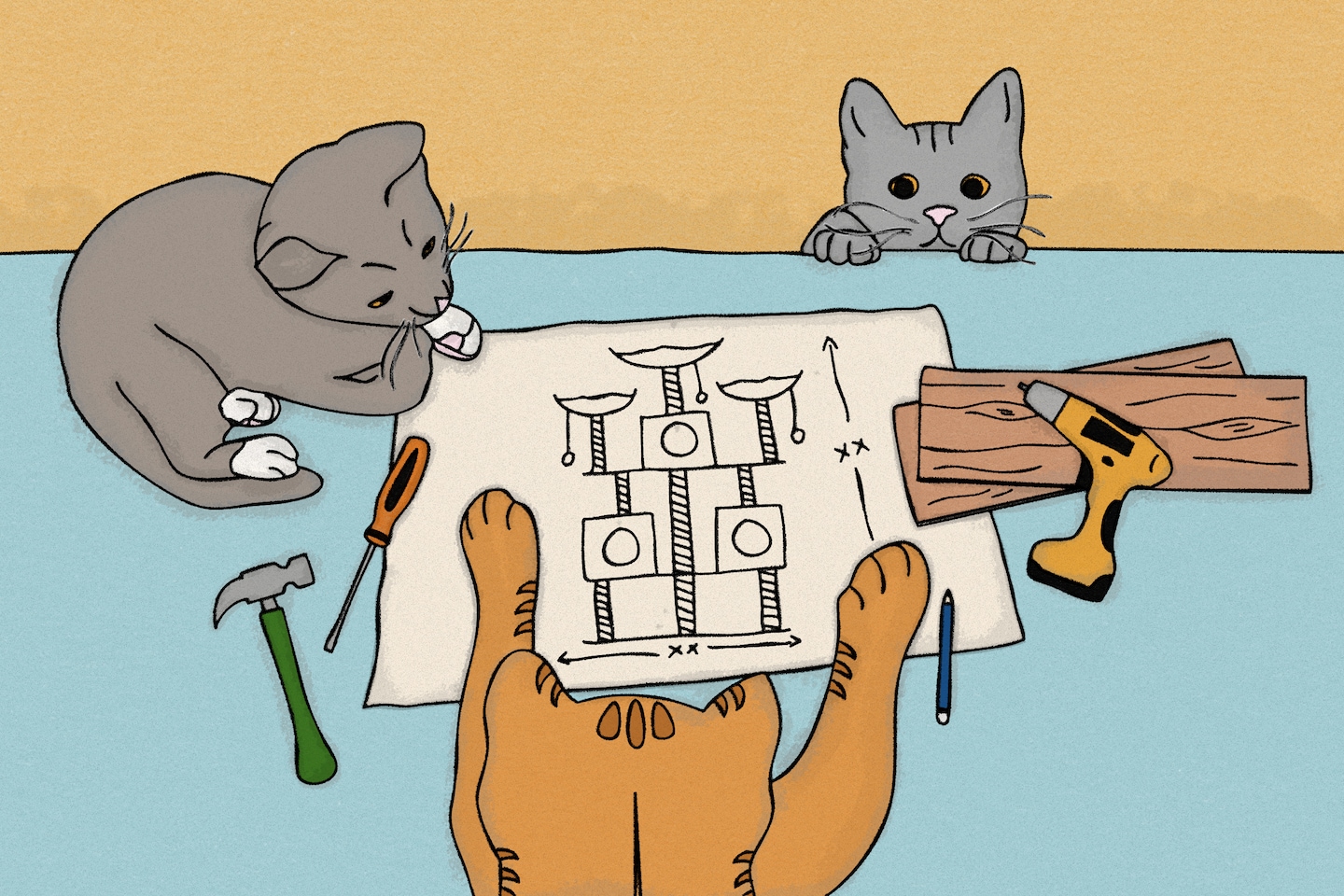
Cats are naturally drawn to high-up hangout spots due to their survival instinct as both predator and prey, allowing them to eye potential prey while avoiding becoming someone else's. To create comfortable vertical spaces for cats, observe where they naturally hang out, repurpose existing shelves or use budget-friendly materials, dress the space with cozy fabrics, ensure multiple ways up and down, and consider the dynamics of multi-cat households. Ultimately, creating a cat paradise may still result in feline preferences for other spots, but compromise and accommodation are key in cohabitating with these independent creatures.

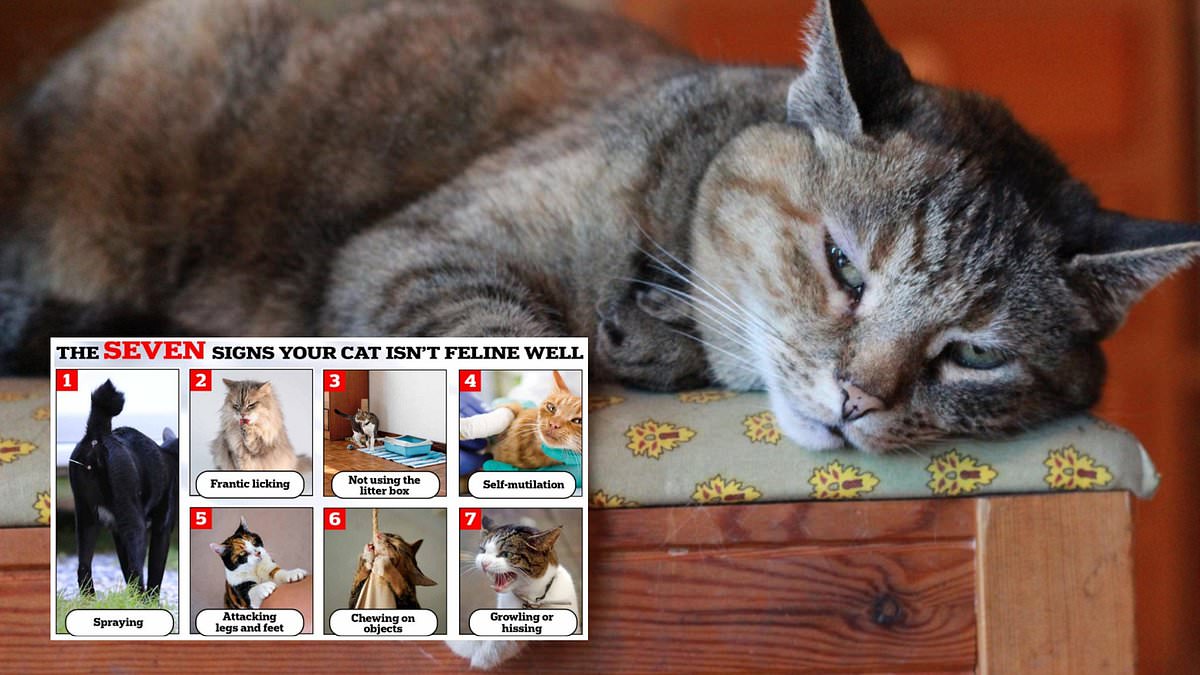
"7 Telltale Signs Your Cat Isn't Feeling Well"

Originally Published 2 years ago — by Daily Mail

Featured image for "7 Telltale Signs Your Cat Isn't Feeling Well"
Source: Daily Mail

Researchers from the University of Córdoba have identified seven uncommon behaviors in cats that may indicate they are not feeling well, including spraying outside the litter box and sudden frantic licking or chewing. Understanding these behaviors can help cat owners recognize warning signs and address behavioral or health issues before they become severe. The study also found that a cat's background and environment can influence its behavior, with female cats showing higher levels of aggressiveness and fear, and male cats displaying higher sociability and vocalization.

"Building Trust with Your Cat: 3 Things to Avoid, According to Feline Expert"

Originally Published 2 years ago — by Yahoo Life

Featured image for "Building Trust with Your Cat: 3 Things to Avoid, According to Feline Expert"
Source: Yahoo Life

Certified cat behavior expert Maria Kozlova advises cat owners to stop forcing their cats to cuddle, as cats prefer affection on their own terms. Overfeeding should be avoided, and an automatic feeder can help maintain a healthy diet. Cats should not be left alone for more than 24 hours to prevent stress. To keep cats safe and happy when alone, pet sitters should be arranged, drapes and shades should be left open, and opportunities for stimulation should be provided.

"The Science Behind Cats' Fascination with 'Pspsps'"

Originally Published 2 years ago — by Mentalfloss

Featured image for "The Science Behind Cats' Fascination with 'Pspsps'"
Source: Mentalfloss

The reason why cats respond to the sound "Pspsps" is not scientifically proven, but experts have theories. One theory suggests that the high frequency and staccato nature of the sound grabs a cat's attention. Another theory suggests that the sound resembles prey or other noises that cats pay attention to. It's also possible that cats have been inadvertently trained to associate the sound with positive experiences. The term "Pspsps" may have originated from a truncation of the phrase "Here, pussy, pussy, pussy."

The Surprising Link Between Cat Poop and Personality Changes

Originally Published 2 years ago — by IndyStar

Featured image for The Surprising Link Between Cat Poop and Personality Changes
Source: IndyStar

A parasite called Toxoplasma gondii, found in cat feces, has been shown to alter behavior and feelings towards cats. More than 30 million people in the US alone carry the parasite, which can cause toxoplasmosis. While most healthy individuals experience no symptoms or mild flu-like illness, infected individuals may exhibit changes in behavior, such as increased risk-taking and a higher likelihood of being involved in car accidents. Infected men may find the smell of cat urine more pleasant, while infected individuals overall may be more likely to become entrepreneurs. The parasite's ability to alter behavior is believed to be linked to increased dopamine levels in the brain.

"Spotting Signs of Cat Pain: Expert Vet Technician Shares 7 Key Indicators"

Originally Published 2 years ago — by PetsRadar

Featured image for "Spotting Signs of Cat Pain: Expert Vet Technician Shares 7 Key Indicators"
Source: PetsRadar

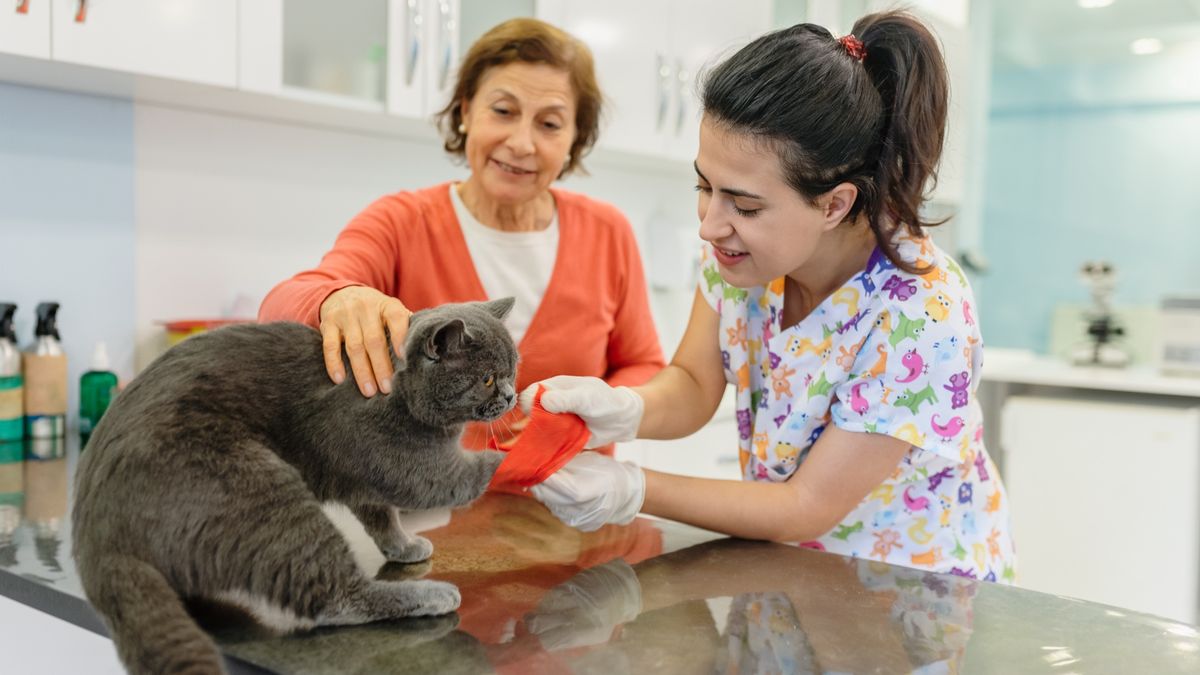
A registered vet technician and certified cat behavior consultant has shared seven signs to look out for to determine if your cat is in pain. These signs include changes in mobility, temperament, eating and drinking habits, grooming behavior, resting and relaxing patterns, performance of activities like using the litter box, and social interactions. Monitoring your cat's behavior and seeking veterinary advice if any changes or unusual behavior is observed is recommended.