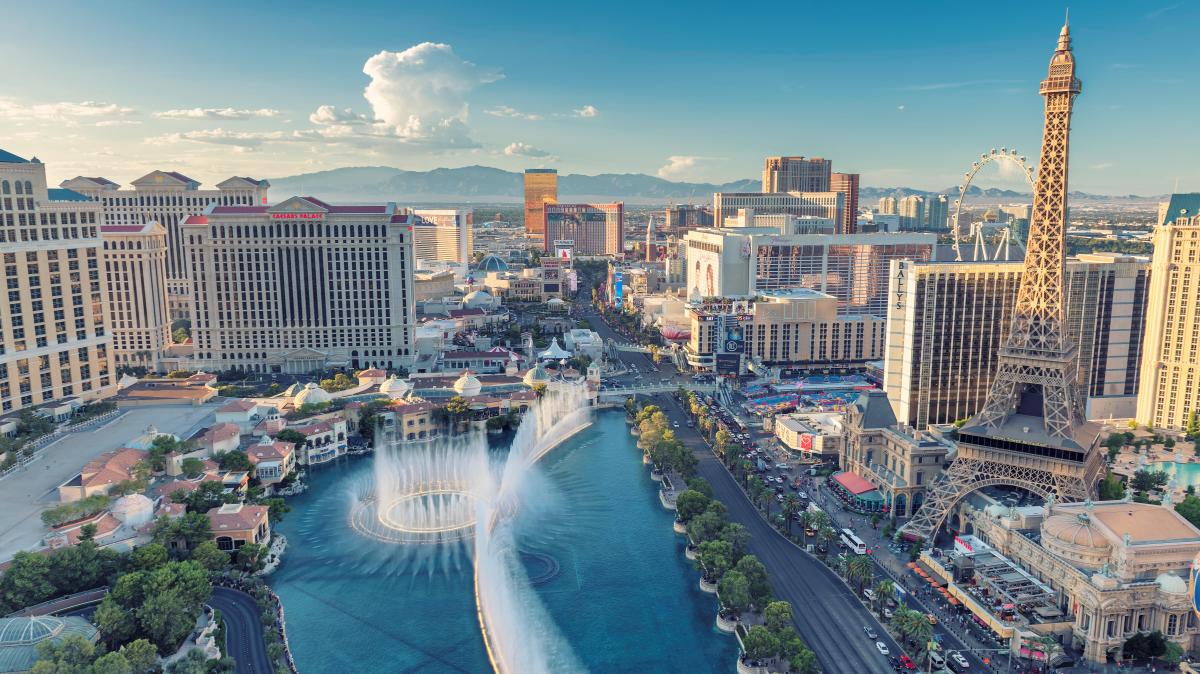
Las Vegas is experiencing a significant decline in tourism due to high costs, overpricing, and changing consumer preferences, leading to empty casinos and economic challenges for the city, which may signal a need for industry reform.
Workers from the United Auto Workers union disrupted a meeting of a state Assembly committee in Atlantic City, demanding a smoking ban in casinos. The vote on a bill to ban smoking in the nine casinos was canceled, and instead, some measures favored by the casino industry, including enclosed smoking rooms, were embraced. Workers expressed frustration at the double standard of not being allowed to smoke in their workplace while legislators allowed smoking in theirs. State Senator Vince Polistina is now working on a new measure that incorporates proposals from the casino industry while still aiming to protect workers and customers from secondhand smoke.
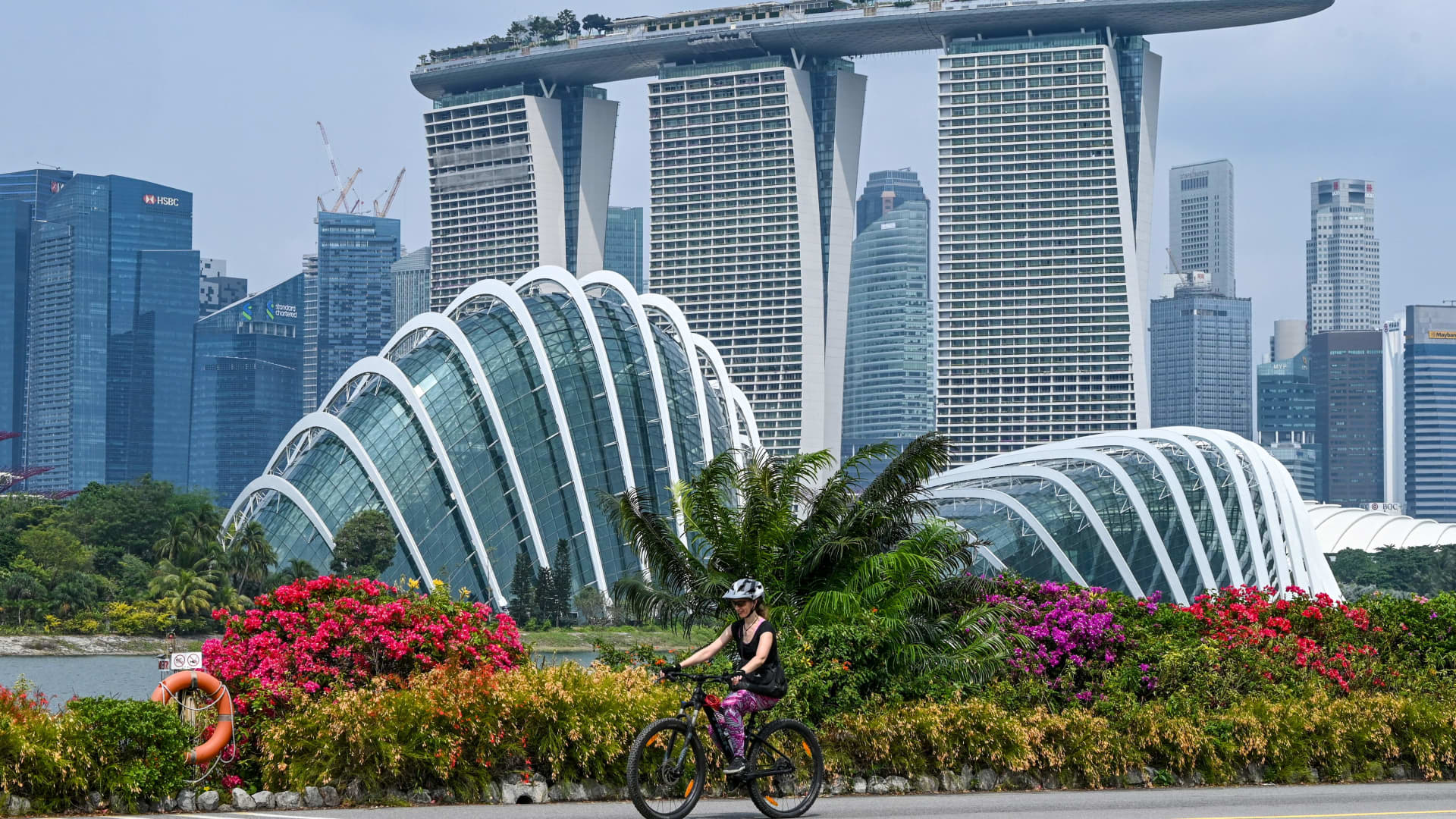
Las Vegas Sands, the world's largest casino company, is experiencing a strong recovery from the pandemic, largely driven by its operations in Asia. The company reported $1.12 billion in third-quarter adjusted property EBITDA, just 6% lower than pre-pandemic levels. Marina Bay Sands in Singapore has surpassed pre-pandemic numbers in gaming, retail, and other spending, while Macao's occupancy rates have increased by 96% compared to pre-Covid levels. Las Vegas Sands plans to invest in the expansion of Marina Bay Sands and the construction of The Londoner in Macao. The company also announced a $2 billion share repurchase plan. Sands' strong financial position and investment-grade balance sheet position it well for future projects, including a proposed $5 billion casino resort in New York.