
Tag

Carboxylic Acids

All articles tagged with #carboxylic acids

health2 years ago

"Unraveling the Mystery of Mosquito Magnetism: Tips to Outsmart the Pesky Bugs"

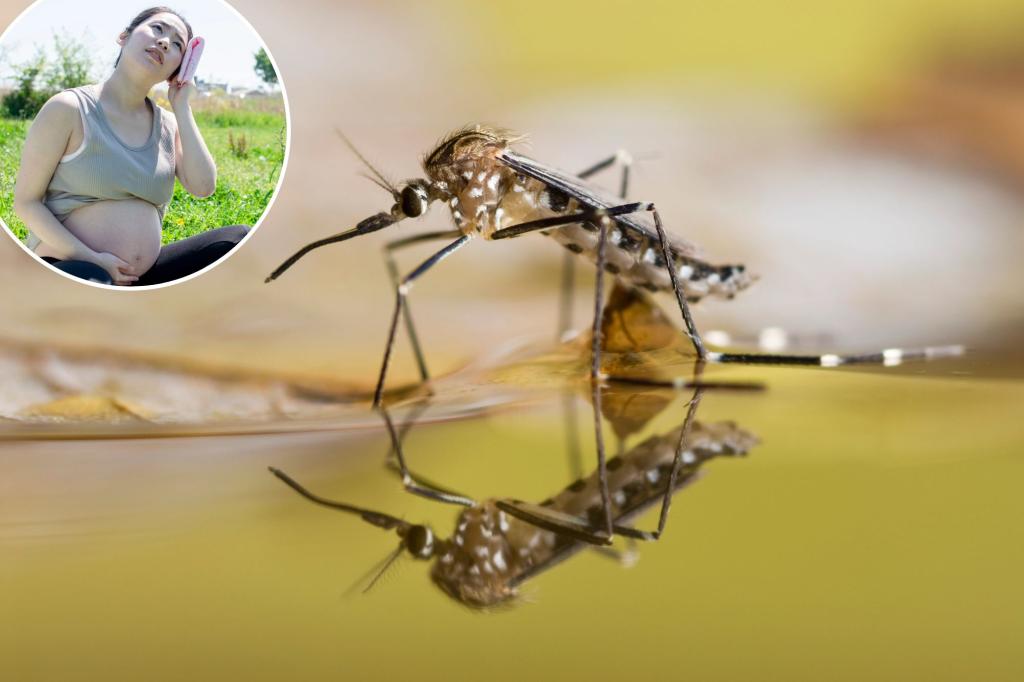
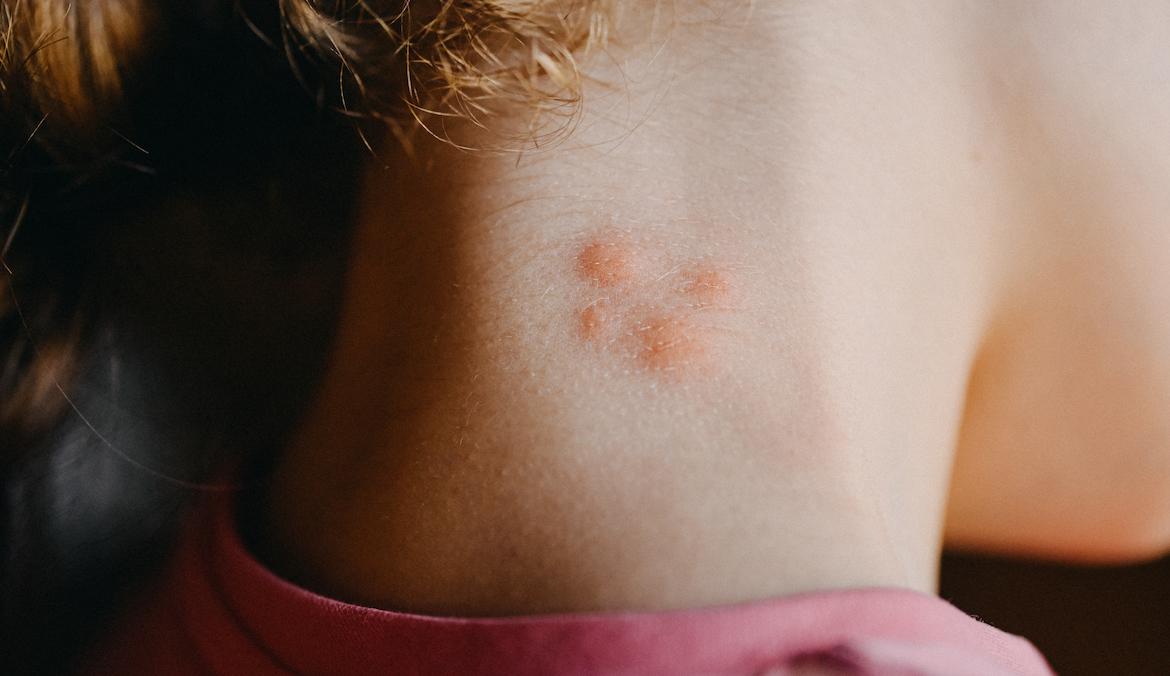
A new video by the American Chemical Society explains why some people are more attractive to mosquitoes than others. Research has found that people with higher levels of carboxylic acids on their skin, specifically pentadecanoic, heptadecanoic, and nonadecanoic acids, are more likely to be bitten. These acids are associated with the intake of dairy fat and are found in fat and vegetable oils. Additionally, the type and volume of bacteria on the skin can increase the chance of mosquito bites. Other factors that make individuals more attractive to mosquitoes include exercise, sweat production, carbon dioxide emission, pregnancy, genetics, and blood type. To avoid mosquito bites, experts recommend wearing bug repellent, covering exposed areas, and using topical treatments for itch relief.
health2 years ago

The Science Behind Mosquito Attraction and How to Avoid It

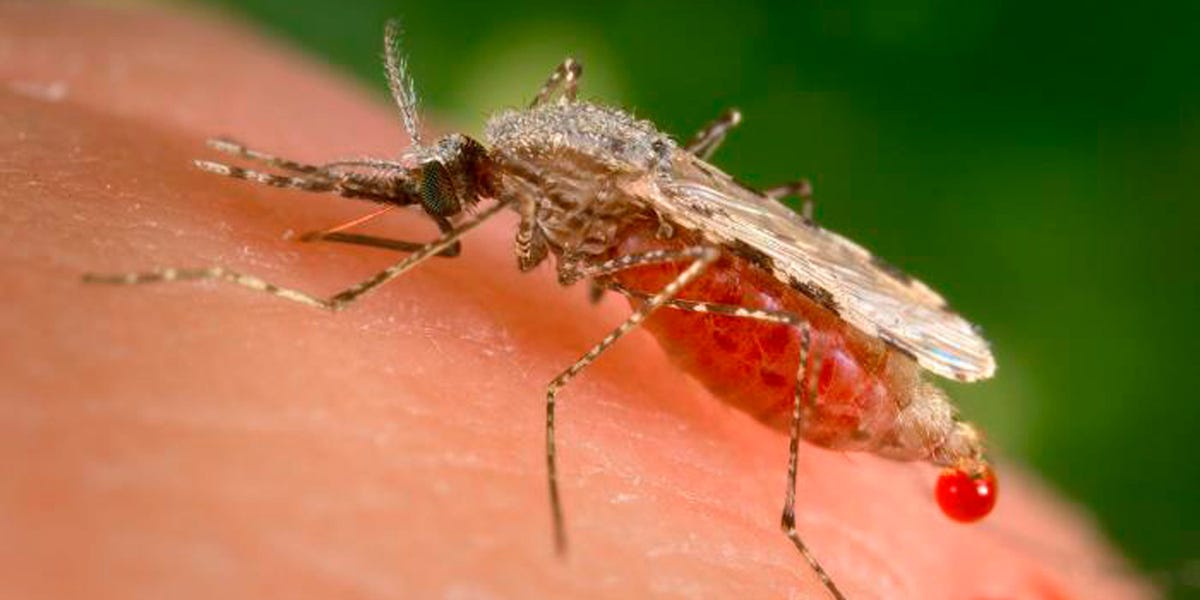
Recent studies show that mosquitoes are attracted to some people more than others due to a scent wafting from substances called carboxylic acids that are present on a person’s skin, caused by bacteria. A new study found that soap can interact with a person’s scent and impact how attractive that scent is to a mosquito. The study found that mosquitos were more attracted to skin when it was washed with some soaps, and less attracted to skin when it was washed with one soap in particular—Native, which is coconut-based. However, the study was small and did not infuse the samples with carbon dioxide, which scientists know is what draws mosquitoes to humans.

science2 years ago

The Surprising Factors That Attract Mosquitoes to Humans.

Researchers from Johns Hopkins Malaria Research Institute and the School of Medicine partnered with the Macha Research Trust in Zambia to find out what traits in various human body odors are more appealing to mosquitoes. The study suggested that mosquitoes were attracted to carboxylic acids, including one found in dairy. The finding could lead to the development of lures or repellents that can be used in traps to control malaria vectors in regions where the disease is endemic.